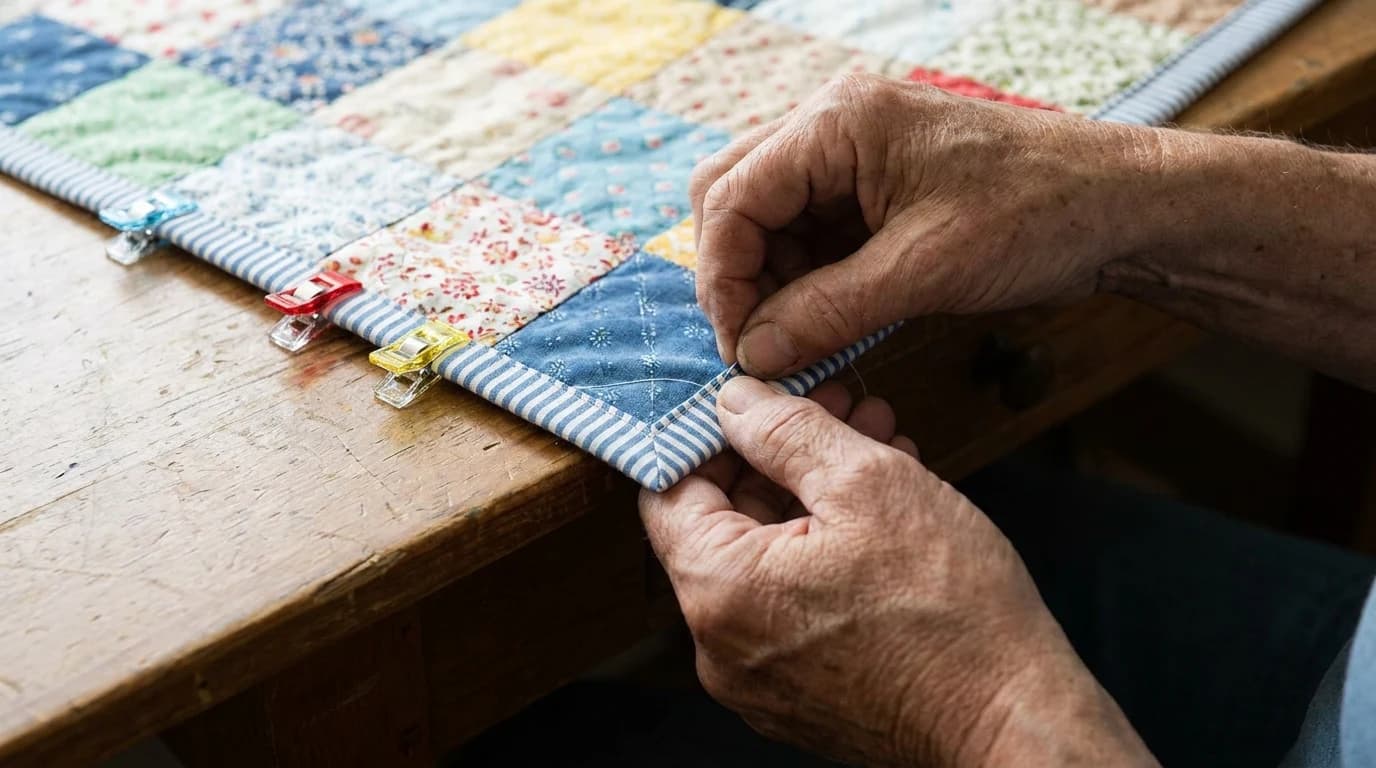
How to Bind a Quilt: Strips, Corners and a Neat Finish
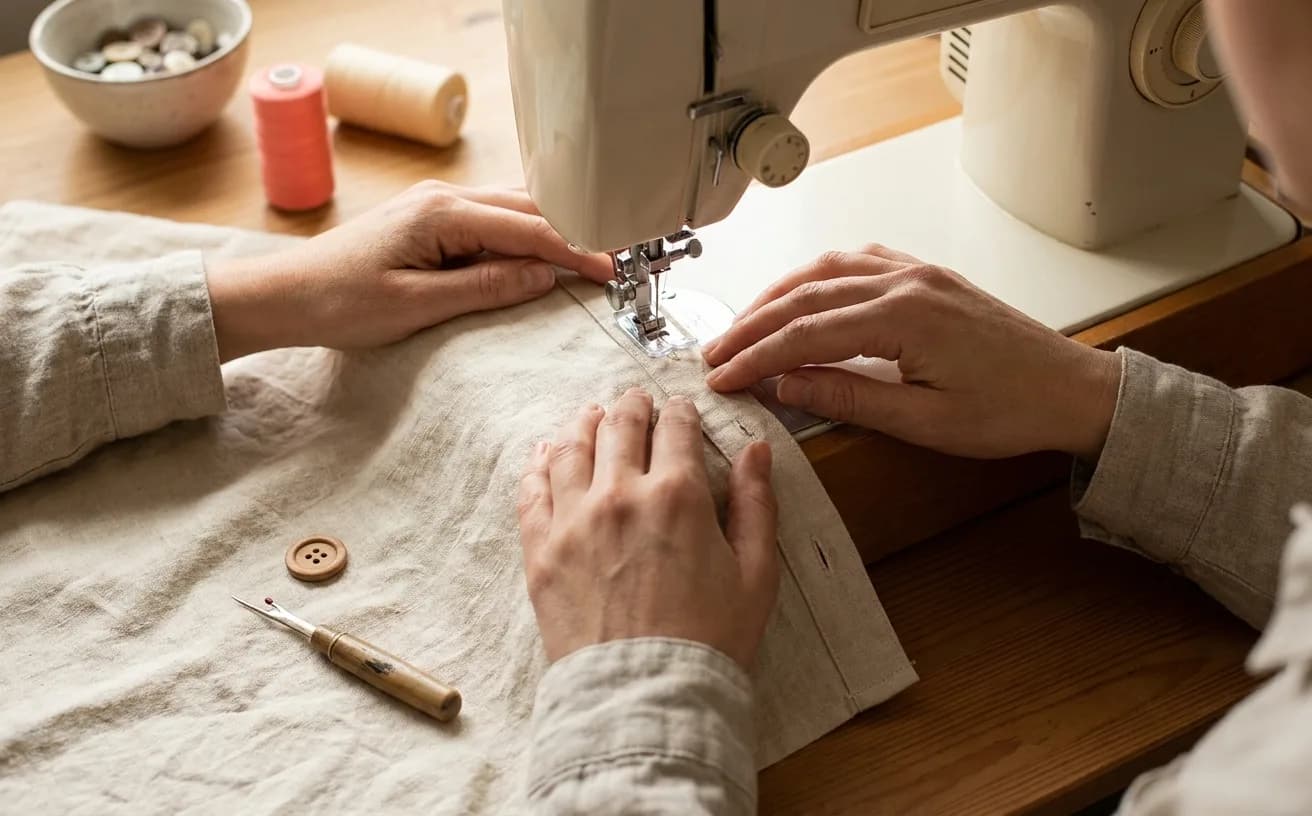
Learn to bind a rectangular quilt: calculate strips with diagonal join loss, sew mitered corners, join the tails, and choose a hand or machine finish.
SewingPath Editorial6 minOctober 11, 2026
How to thread the machine. Why the thread keeps nesting underneath. Which needle for which fabric. What a serger actually does. Short answers first, no assumed vocabulary, and no pretending we tested something we researched.
Looking for something to make instead? The project library is the outcome half of this site — guides teach a skill, projects produce an object.
Showing 1–24 of 36 guides
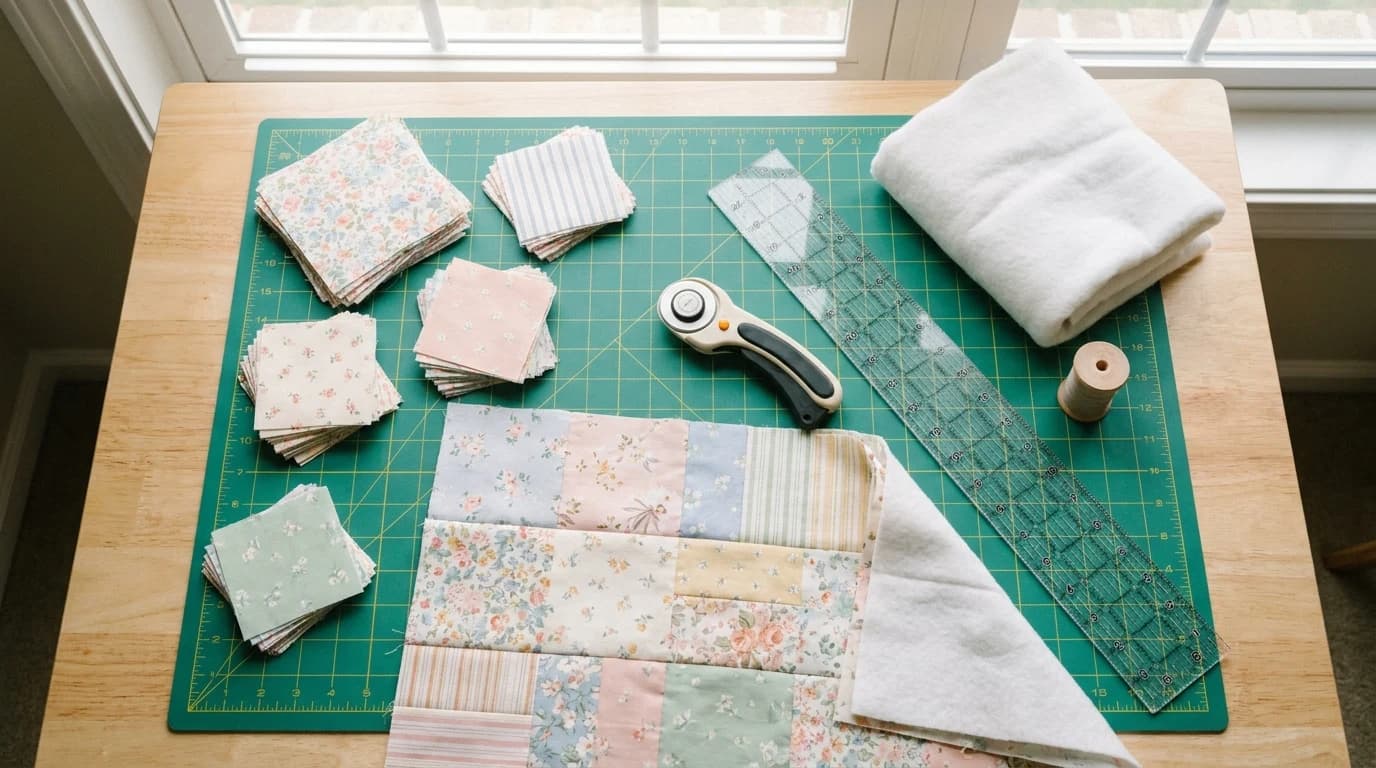
Learn to bind a rectangular quilt: calculate strips with diagonal join loss, sew mitered corners, join the tails, and choose a hand or machine finish.
Joann's stores closed in 2025. Where beginner sewing classes are now, how to find one near you, what to ask before booking, and a free online course.
A free, no-signup quilting course in eight lessons, from your first quarter-inch seam to a finished, bound 36-by-48-inch lap quilt, and the tools it needs.
A free, no-signup course for learning to sew clothes: nine lessons from threading a machine to PJ shorts, a wrap skirt that fits and a shirt dress.
A free, no-signup hand embroidery course: set up a hoop, learn eight stitches on a sampler, then transfer a design and finish it in the hoop. No machine.
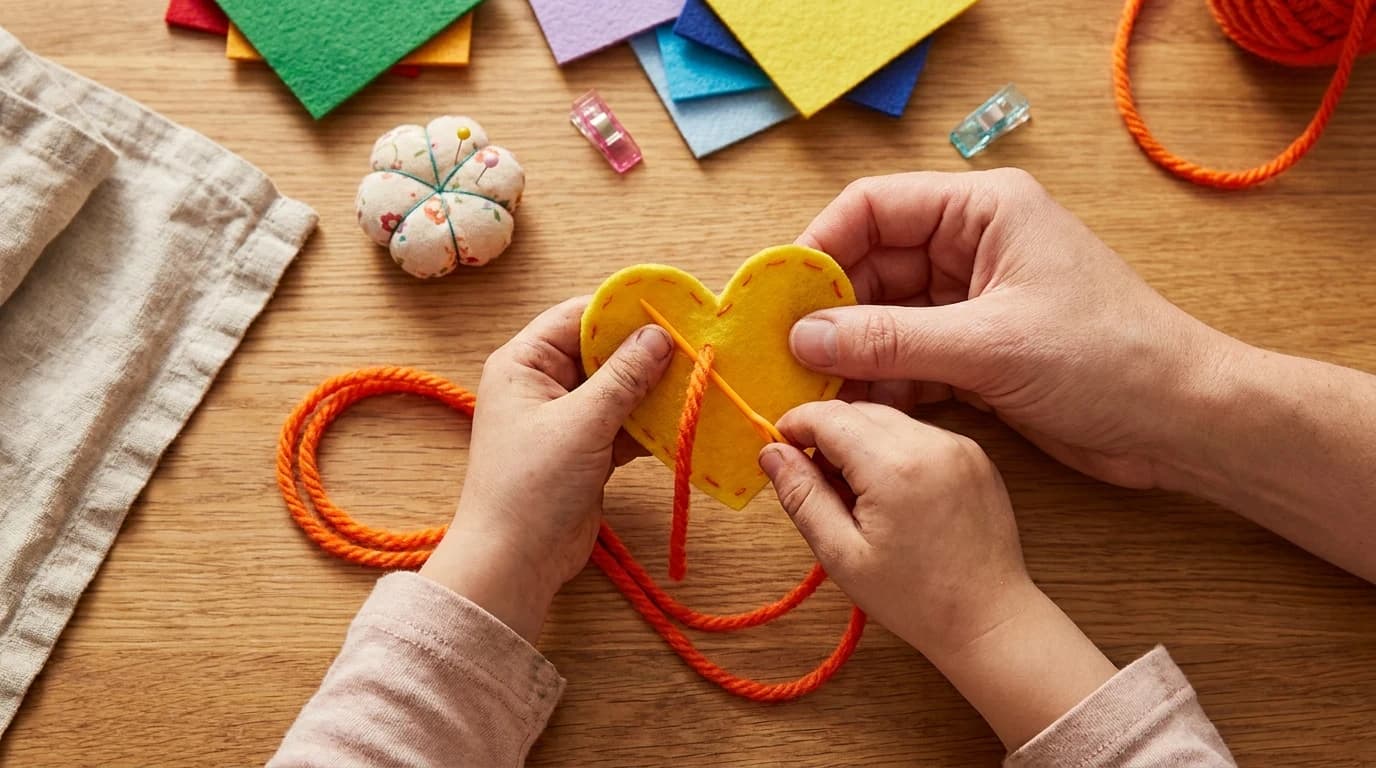
Free sewing lessons for kids that parents can teach at home: hand sewing on felt first, then a real machine with an adult beside them, with safety basics.
How to operate a sewing machine step by step: the parts, threading, the bobbin, a first seam, backstitching, pivoting at corners and finishing off.
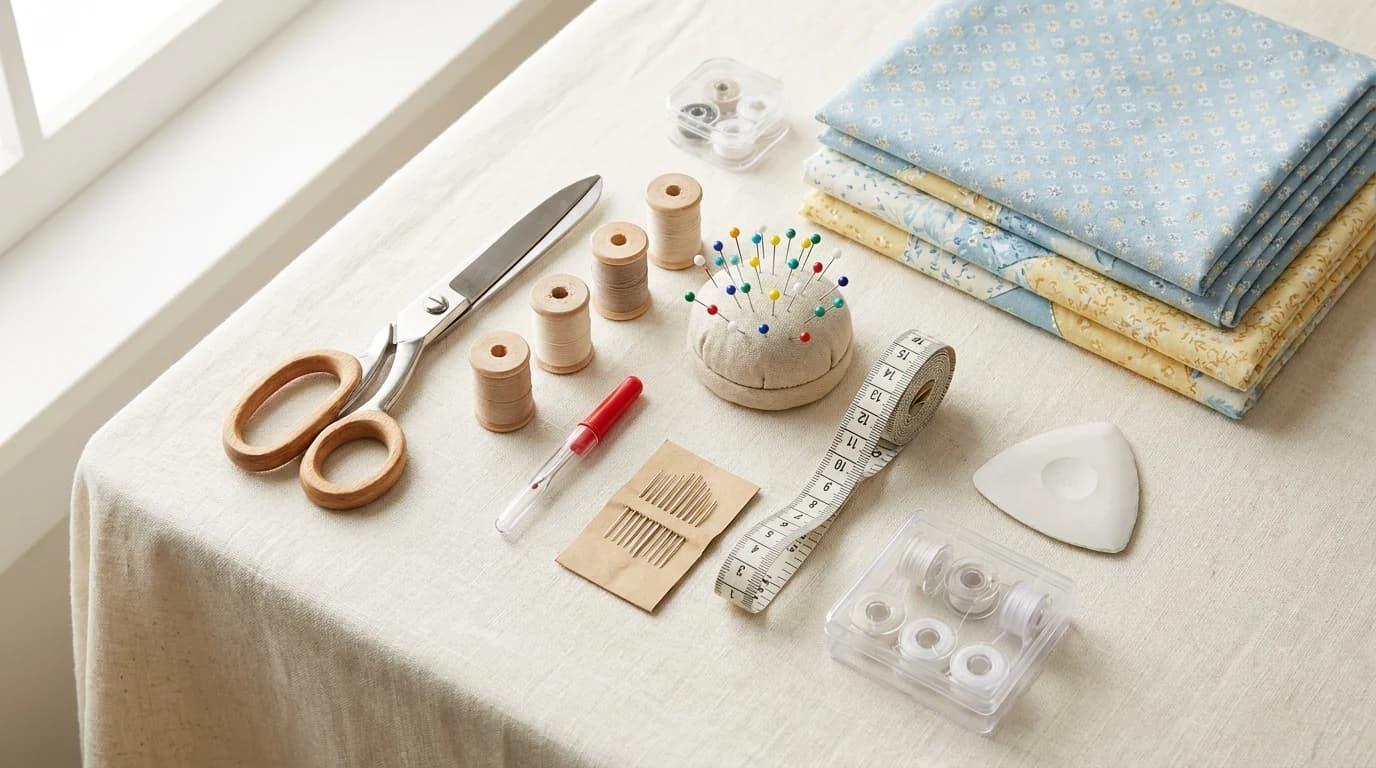
Every sewing supply a beginner needs, sorted into must-have, nice-to-have and later, across hand sewing, machine sewing, cutting, marking and pressing.
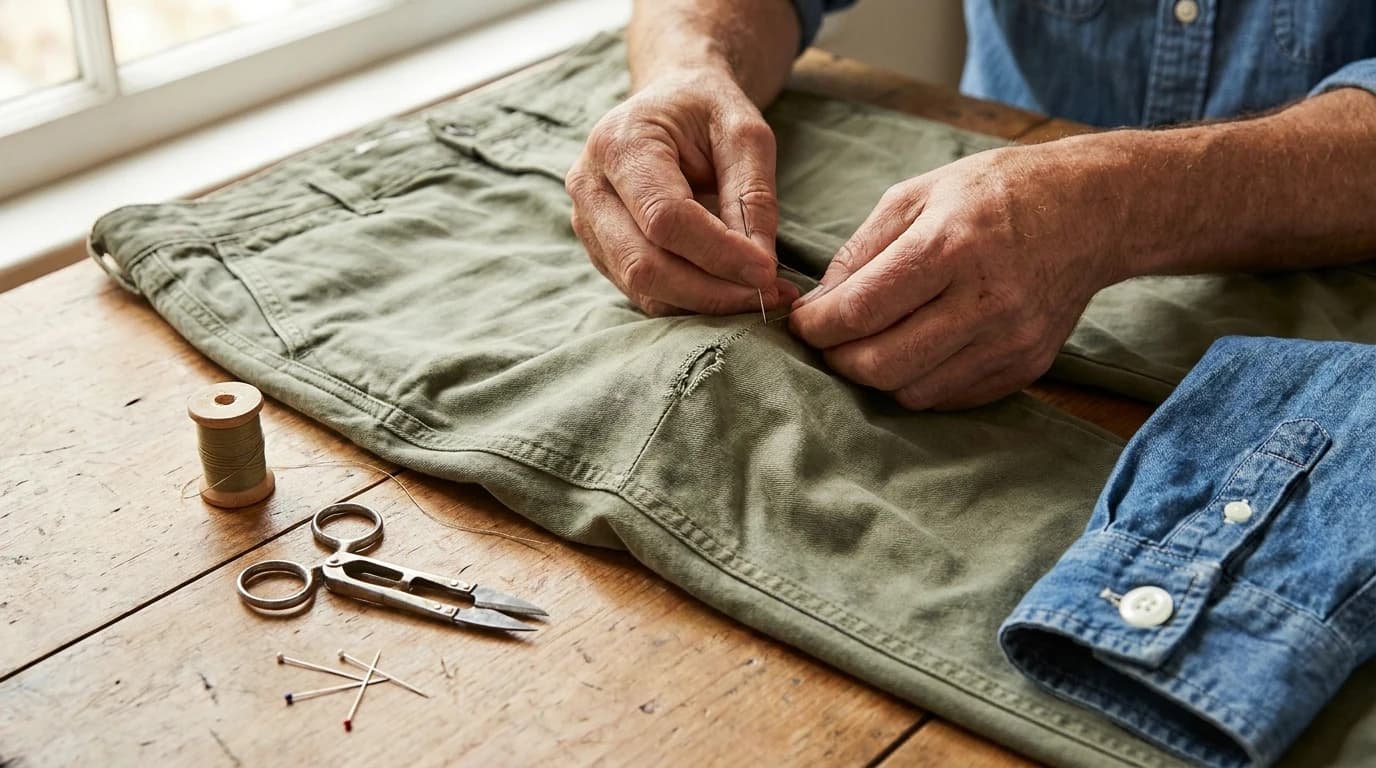
A free, no-signup mending course in six lessons: hand stitches, buttons, a fallen hem, a split seam, a small tear and shortening trousers. No machine.
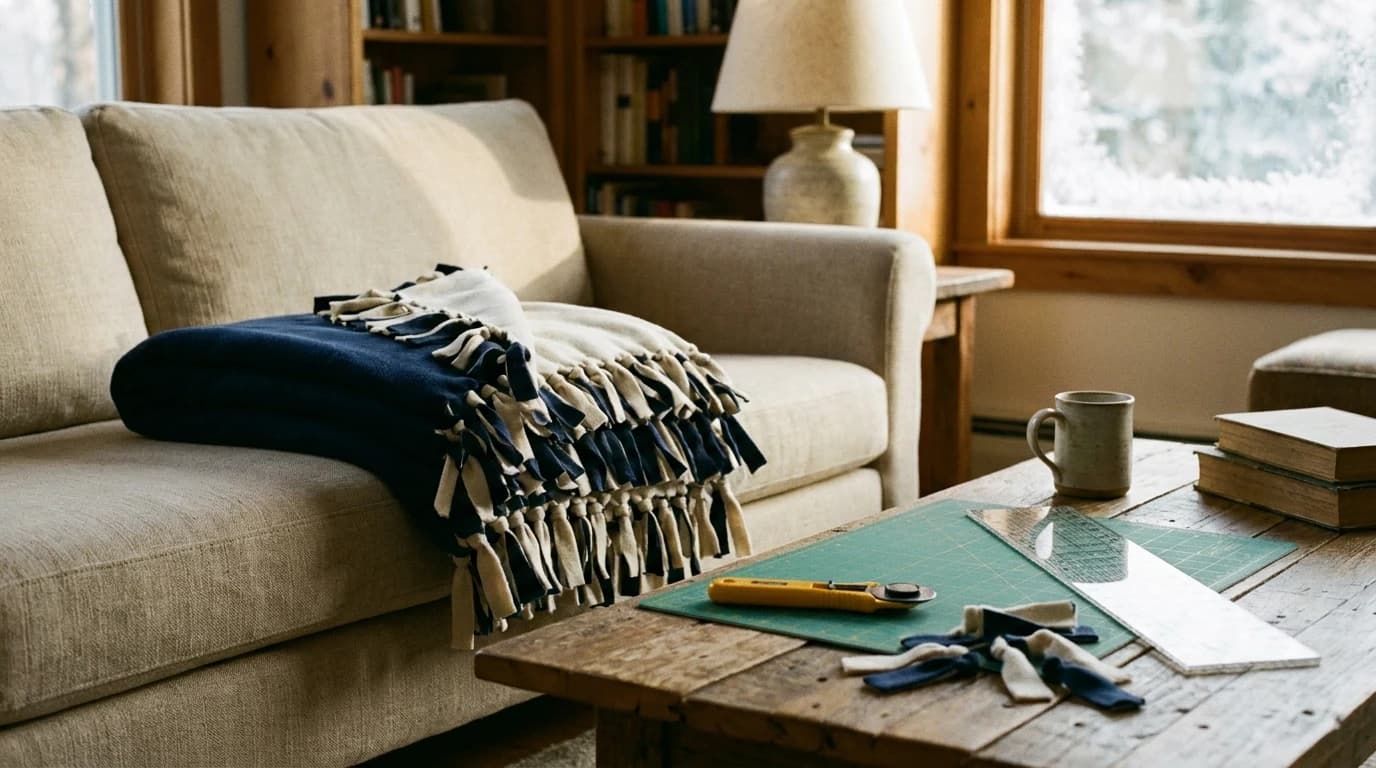
How much fleece to buy for a toddler, child, throw or adult-length tie blanket, the corner-square math behind it, and four ways to finish the fringe.
Five sewing machines for making clothes, researched from spec pages, listings and owner feedback: the garment features that matter and the ones that do not.
Draw your own boot-shaped stocking template in any size, then sew a lined stocking with a cuff and a hanging loop. No PDF download, no printer needed.
Fabric makers' own shrinkage figures by fiber, when to prewash and when to skip it, how to handle precuts and dye bleed, and a swatch test for your fabric.
How to shorten jeans and keep the original hem, by machine or by hand; what to do on tapered and barrel legs; and the needle and foot setup denim needs.
How machine embroidery actually works: hooping, stabilizer, file formats, thread and needles, what a 4-inch hoop really limits, and what to make first.
Every standard quilt size in one chart: the mattress each covers, the drop it assumes, the batting to buy, backing yardage and binding strips.
Pinked, zigzag, turned and stitched, French and flat-felled: what each finish suits, the seam allowance it needs, and the mistake beginners make.
Sewing machine needle sizes explained: what 80/12 and 90/14 mean, a size chart by fabric, why a 9 is finer than a 14, and how to read the colour bands.
How to choose your first sewing pattern: formats, what beginner really means, sizing versus ready-to-wear, ease, PDF or paper, and legit free patterns.
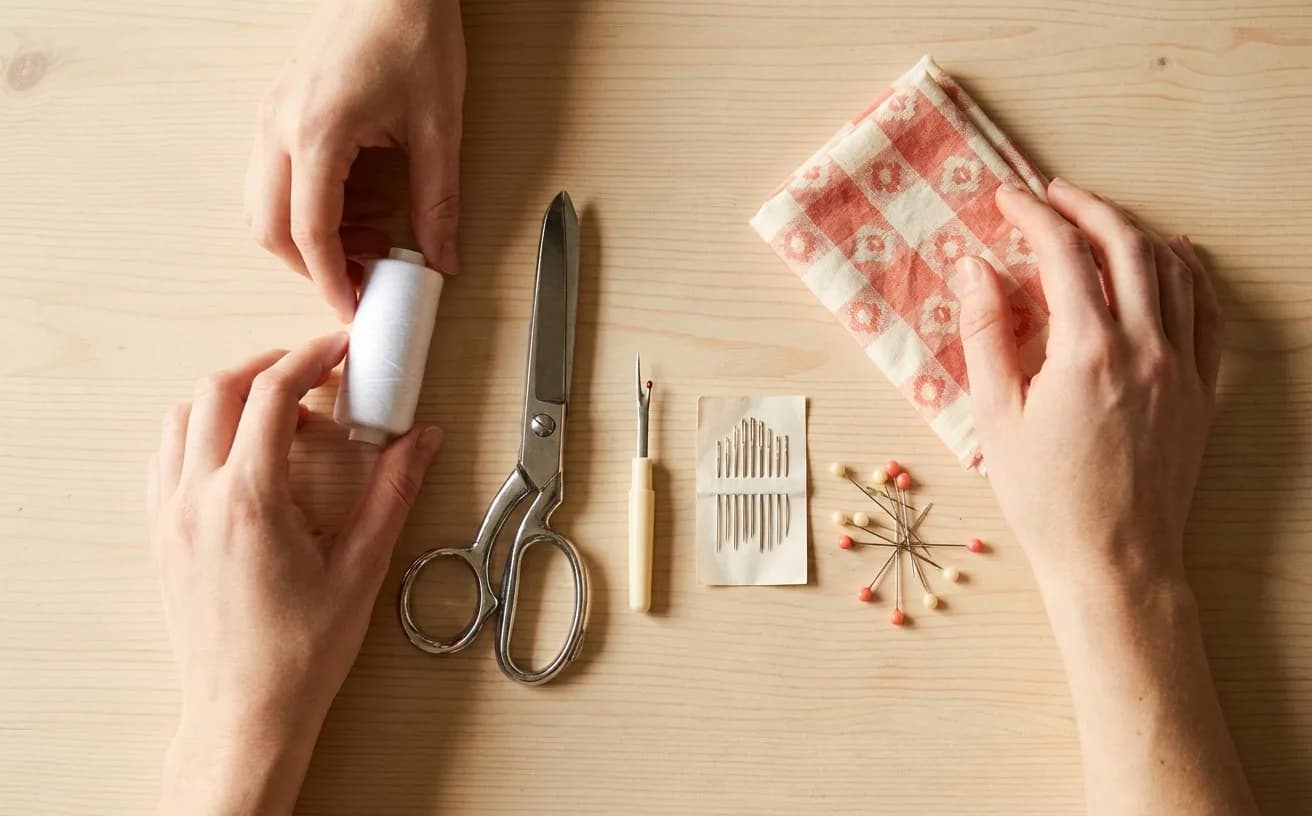
The five supplies to buy when you own nothing: thread, fabric scissors, a seam ripper, hand needles and pins, plus how to give the kit as a gift.
Winding a bobbin evenly, seating it in drop-in and front-load machines, and why a soft bobbin leaves a nest of thread under your fabric.
What sewing machine tension actually is, a symptom table for reading your test seam, and the seven checks to run in order before you ever touch the dial.
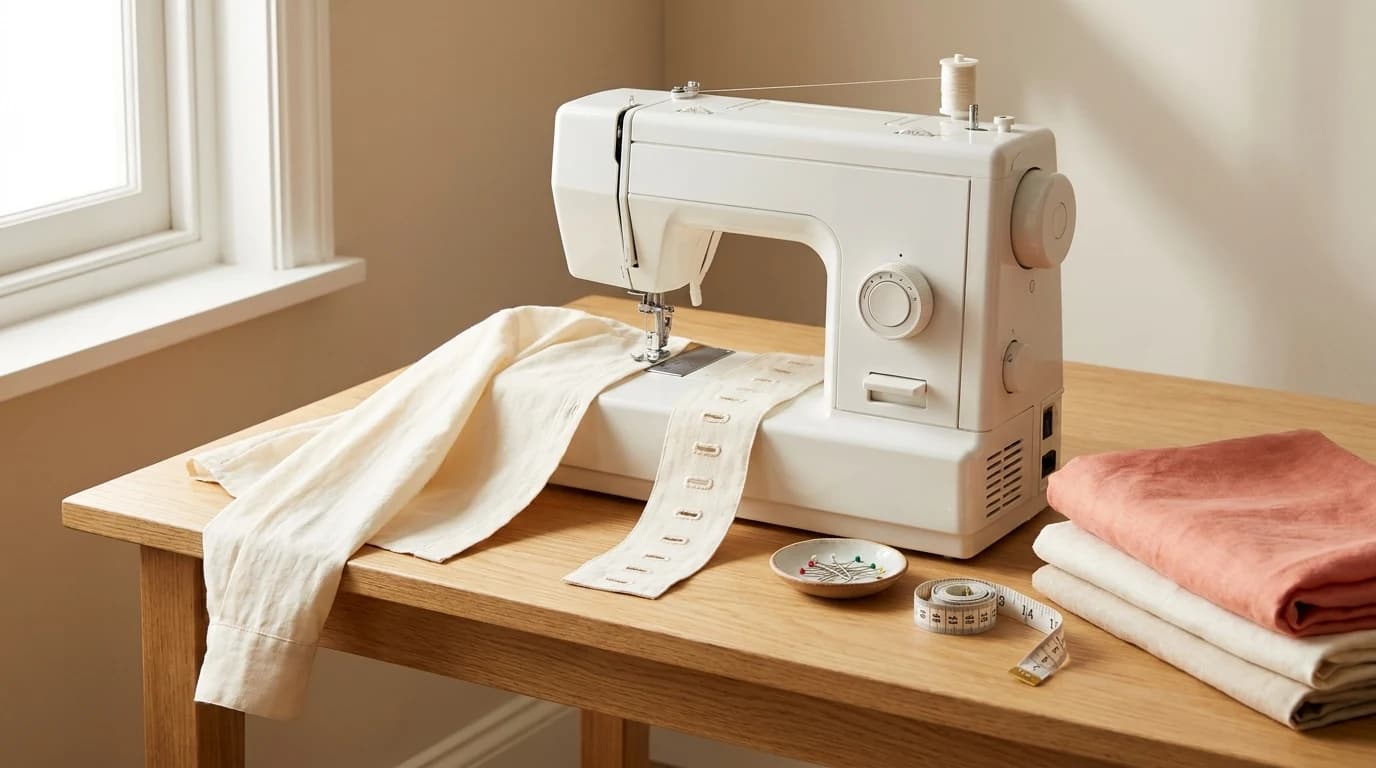
One-step and four-step buttonholes explained: interfacing first, setting the buttonhole foot, testing on the same layers, and cutting it open safely.
A serger trims, sews and overlocks in one pass — but it cannot do zippers, buttonholes or topstitching. Why it is a second machine, not a first.