Rotary cutters for fabric
The tool that turns cutting from the worst part of sewing into the fast part. Buy the cutter and the mat together — neither works alone.
5 picks · $7–$20 · prices checked October 8, 2026 · researched from listings, specs and owner feedback, not hands-on testing
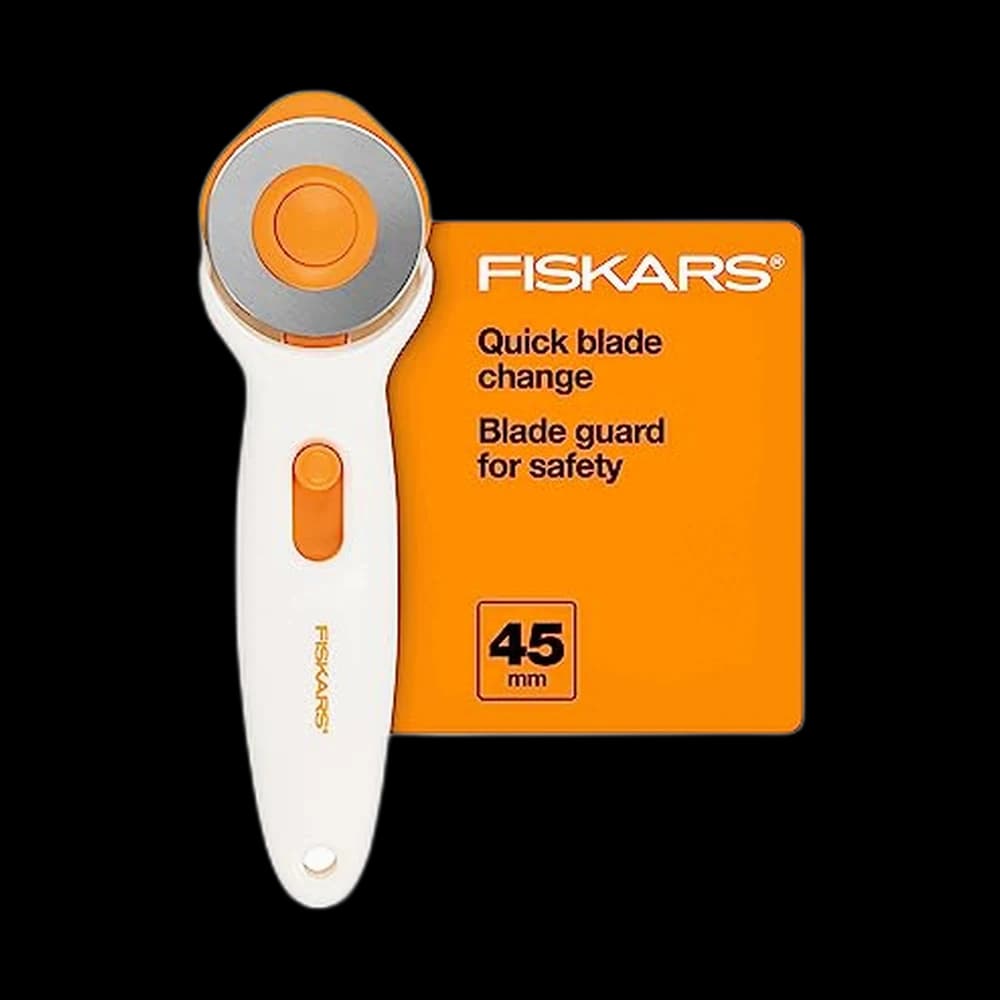
Fiskars 45mm Rotary Cutter — $10.98. Priced in the lower half of this category.. See why
We may earn a commission from Amazon — it never changes a score.
Filter picks5 of 5
Showing 5 of 5 picks — no filters applied
Showing 5 of 5 picks — no filters applied
Rotary Cutters compared
Priced in the lower half of this category.
A straightforward option in this category.
Priced in the lower half of this category.
Hands that ache after an hour of cutting — the squeeze handle retracts the blade when…
The least expensive pick in this category, which makes it the low-risk way to find out…
Scroll sideways for scores, prices and buy links
| Rank | Pick | Best for | StitchScore | Price | Buy |
|---|---|---|---|---|---|
| Editorial #1 | TopOur pickFiskars 45mm Rotary Cutter 4.6 out of 5 stars · 2,112 ratings | Priced in the lower half of this category. | 75 | $10.98 | Buy on Amazon |
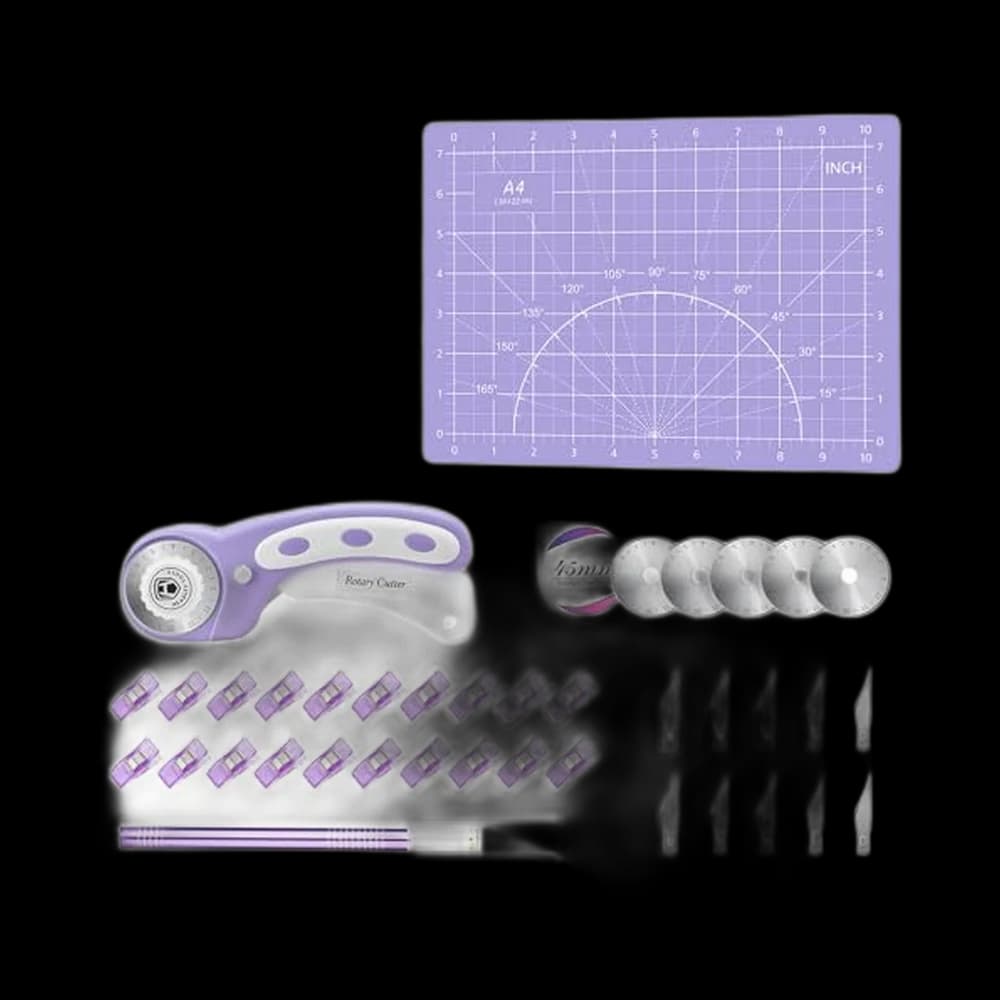
| Editorial #2 | Headley Tools 39 Pcs Rotary Cutter Set 4.7 out of 5 stars · 4,447 ratings | A straightforward option in this category. | 75 | $19.90 | Buy on Amazon |
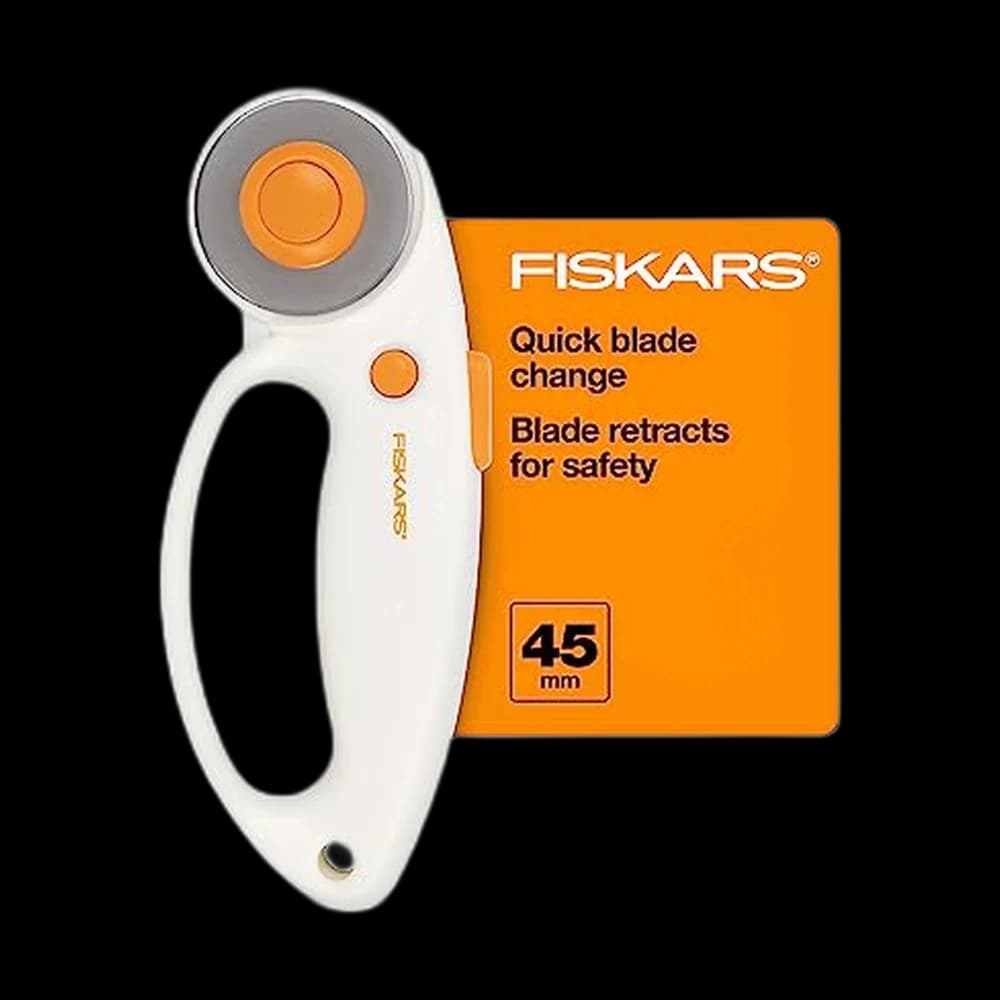
| Editorial #3 | Fiskars 45mm Loop Rotary Cutter 4.6 out of 5 stars · 1,308 ratings | Priced in the lower half of this category. | 74 | $14.98 | Buy on Amazon |
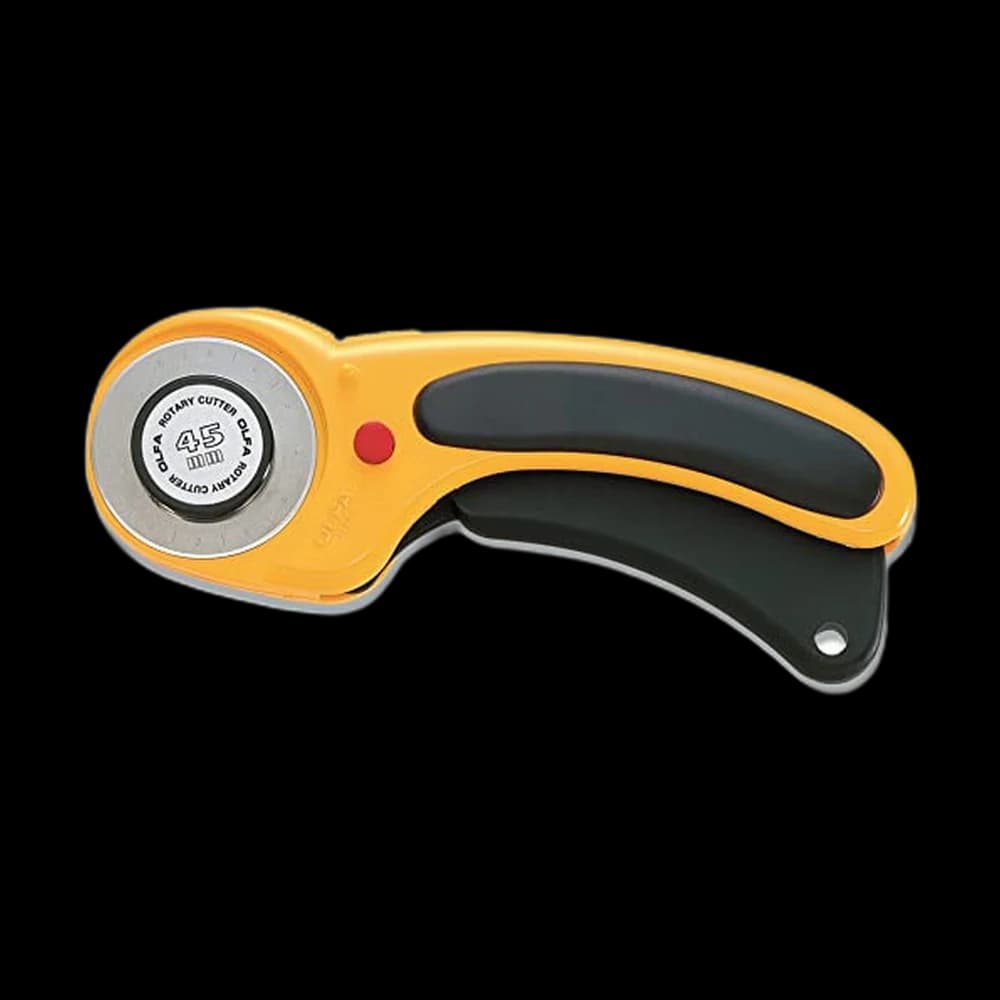
| Editorial #4 | Step upOLFA 45mm Squeeze-Handle Rotary Cutter | Hands that ache after an hour of cutting — the squeeze handle retracts the blade when… | 72(early) | $19.69 | Buy on Amazon |
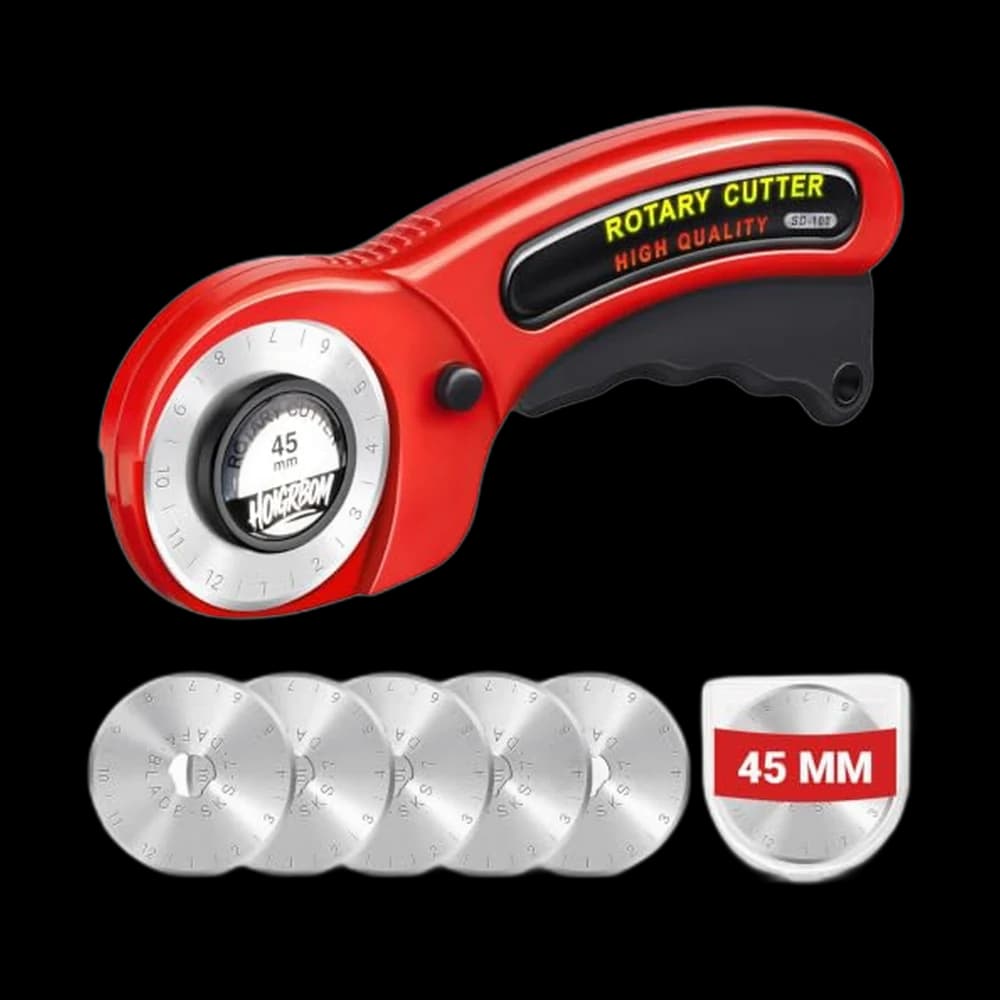
| Editorial #5 | HOIGRBOM 45mm Rotary Cutter 4.1 out of 5 stars · 37 ratings | The least expensive pick in this category, which makes it the low-risk way to find out… | 62 | $6.59 | Buy on Amazon |
Scores marked (early)are still settling: the listings don't yet expose a star rating we can read, so owner satisfaction sits at a neutral starting value. How the StitchScore works.
Compare two picks
Tap an unselected chip to compare it with your current right-hand pick — all 5 picks available.
What goes with Rotary Cutters
The things this shelf usually needs alongside it — one current pick per category, and nothing here is required to start.
 Cutting Mats
anezus 12inch$8.99 4.6 out of 5 stars · 21,006 ratings
A rotary blade needs a self-healing mat under it, not a table.
 Quilting Rulers
LINXIAO$9.99 4.8 out of 5 stars · 1,141 ratings
The least expensive pick in this category, which makes it the low-risk way to find out whether you'll keep at it.
Researched from listings, specs and owner feedback — never hands-on testing. We may earn a commission; it never changes a pick.
Guides that go with Rotary Cutters
How to choose a rotary cutter
The criteria that matter most when choosing a rotary cutter, and what has to be bought alongside it.
- Blade diameter — 45mm is the general-purpose size and the one to buy first: it cuts long straight lines against a ruler and handles gentle curves. 28mm turns tighter curves and suits small pieces; 60mm gets through more layers at once and is clumsy on anything detailed.
- The safety guard — Some cutters retract the blade automatically the moment you release the handle; others have a guard you close by hand, which means remembering to. A rotary cutter is a rolling razor with no bottom guard, and the retracting kind is the one to prefer in a house with anyone else in it.
- Handle shape and which hand you use — Straight handles and squeeze-grip handles both work, and the difference shows up after an hour of cutting rather than in the first minute. If you are left-handed, check whether the blade can be moved to the other side of the handle before buying.
- Replacement blades — The blade is a consumable and is the ongoing cost of owning a rotary cutter. Check that blades for that brand and size are easy to buy in multipacks; a cutter with hard-to-find blades gets used blunt, which is the worst way to use one.
- What it needs alongside it — A rotary cutter without a self-healing mat cuts your table and dulls almost immediately, and without an acrylic ruler it is no more accurate than scissors. Treat the mat and the ruler as part of the purchase rather than as accessories to add later.
Often overlooked: a blunt blade is the dangerous one. A dull blade needs pressure to cut, and pressure is what makes it skip sideways off the ruler and go somewhere you did not intend. The signal is a cut that leaves threads hanging on rather than parting cleanly. Changing the blade at that point costs a few dollars and is the cheapest safety measure in the whole category.
Types of rotary cutter, and which size you need
Rotary cutters differ in two ways: blade diameter and handle. OLFA, which makes the original, lists 18, 28, 45 and 60 mm as its most-used sizes. The 18 mm and 28 mm turn tightly, for appliqué shapes, curves and small pieces. The 45 mm is what OLFA calls the everyday workhorse: strips, trimming blocks and several layers of quilting cotton at once, and the size nearly every pattern and blade multipack assumes. The 60 mm carries more blade through thick or stacked fabric in fewer passes and is clumsy on anything detailed.
Compare handle comfort, handedness and lock operation. Some squeeze handles can lock the blade open. Check that the blade is covered and locked closed every time you put the cutter down.
If you are buying one, buy the 45 mm. It does the large majority of what a beginner cuts, replacement blades for it are in every craft aisle, and the other two sizes are worth adding later for a specific job rather than guessed at up front.
One thing that is not optional: the cutter and the mat are a single purchase. A rotary blade with no self-healing mat under it scores the table and goes blunt almost immediately, and without an acrylic ruler to run against it is no more accurate than scissors. Budget for all three, and size the mat to the fabric you actually cut — a desk-corner mat and a garment length are a bad match.
Frequently asked
- What are the different types of rotary cutters?
- Blade size and handle shape affect control. Smaller blades can help with curves; 45 mm is a common general size. Check layer limits and lock operation in the cutter instructions, including any lock-open position.
- What is a rotary cutter used for?
- Cutting fabric in long, accurate straight lines against a ruler, and cutting several layers at once, which is why quilters cut almost every strip and square with one. OLFA also lists vinyl, leather and paper among what its cutters handle, with the blade size matched to the job.
- What size rotary cutter should a beginner buy?
- 45mm. It cuts long straight lines against a ruler, handles gentle curves and gets through several layers of quilting cotton, which covers nearly everything a beginner cuts. A 28mm blade is for tight curves and small pieces, and a 60mm is for cutting many layers at once.
- Do I need a cutting mat with a rotary cutter?
- Yes. A rotary cutter is a rolling blade with no guard underneath, so without a self-healing mat it cuts into the table and goes blunt almost immediately. A mat and an acrylic ruler are part of the purchase rather than accessories to add later.
- Is a rotary cutter better than scissors?
- For long straight cuts and several layers at once, a rotary cutter against a ruler is faster and more accurate. Scissors are still better for snipping into corners, trimming seam allowances and cutting small curved pieces, so most people end up using both rather than replacing one with the other.
- How often should you change a rotary cutter blade?
- When the cut starts leaving threads hanging on instead of parting cleanly. How long that takes depends entirely on what you cut and how much of it, so the signal is the skipped thread rather than a schedule. A blunt blade needs pressure, and pressure is what makes it skid off the ruler.
Sources
Prices and availability are the most recent values we pulled from Amazon and refresh on a cycle; confirm the live price before buying. We may earn a commission on a purchase, and it never changes a score. See how we score gear.