Pins & Fabric Clips
Glass-head pins for woven fabric, fabric clips for anything thick or anything you would rather not put a hole in, and something to keep them in. Pins get vacuumed up — buy the big box.
5 picks · $4–$8 · prices checked August 31, 2026 · researched from listings, specs and owner feedback, not hands-on testing
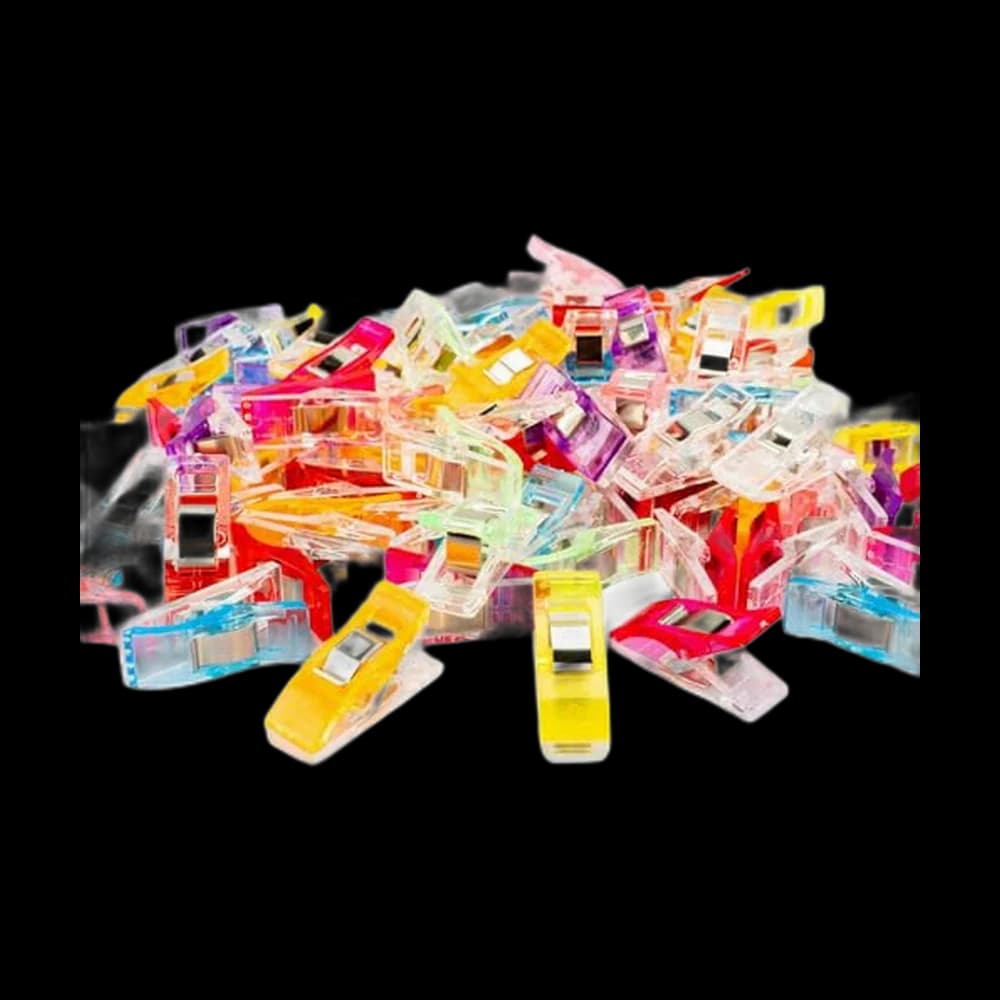
Multipurpose Sewing Clips Pack of 100 — $5.49. Priced in the lower half of this category.. See why
We may earn a commission from Amazon — it never changes a score.
Filter picks5 of 5
Showing 5 of 5 picks — no filters applied
Showing 5 of 5 picks — no filters applied
Pins & Fabric Clips compared
- Top pick
Multipurpose Sewing Clips Pack of 100
$5.49StitchScore 92 4.8 out of 5 stars · 45,086 ratings
Priced in the lower half of this category.
The least expensive pick in this category, which makes it the low-risk way to find out…
A straightforward option in this category at $5.99.
Priced in the lower half of this category.
A straightforward option in this category at $7.99.
Scroll sideways for scores, prices and buy links
| Rank | Pick | Best for | StitchScore | Price | Buy |
|---|---|---|---|---|---|
| 1 | TopMultipurpose Sewing Clips Pack of 100 4.8 out of 5 stars · 45,086 ratings | Priced in the lower half of this category. | 92 | $5.49 | Buy on Amazon |
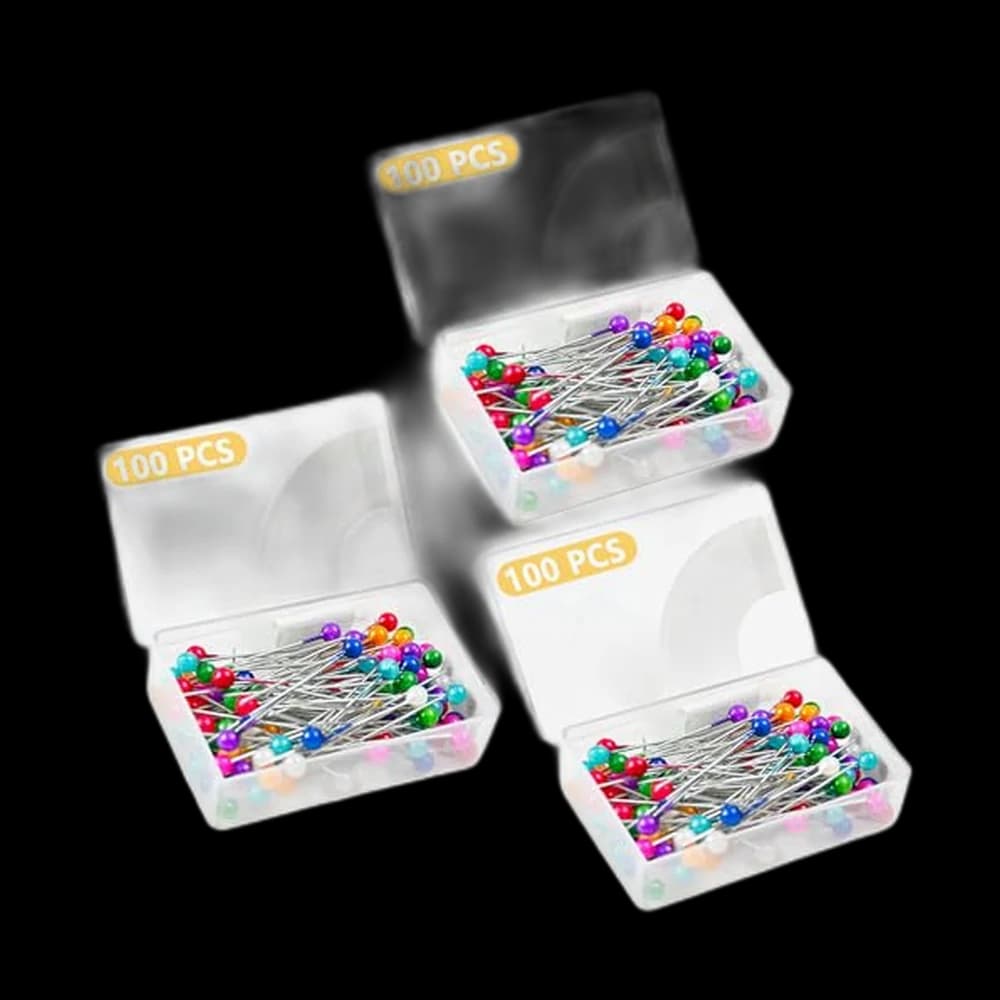
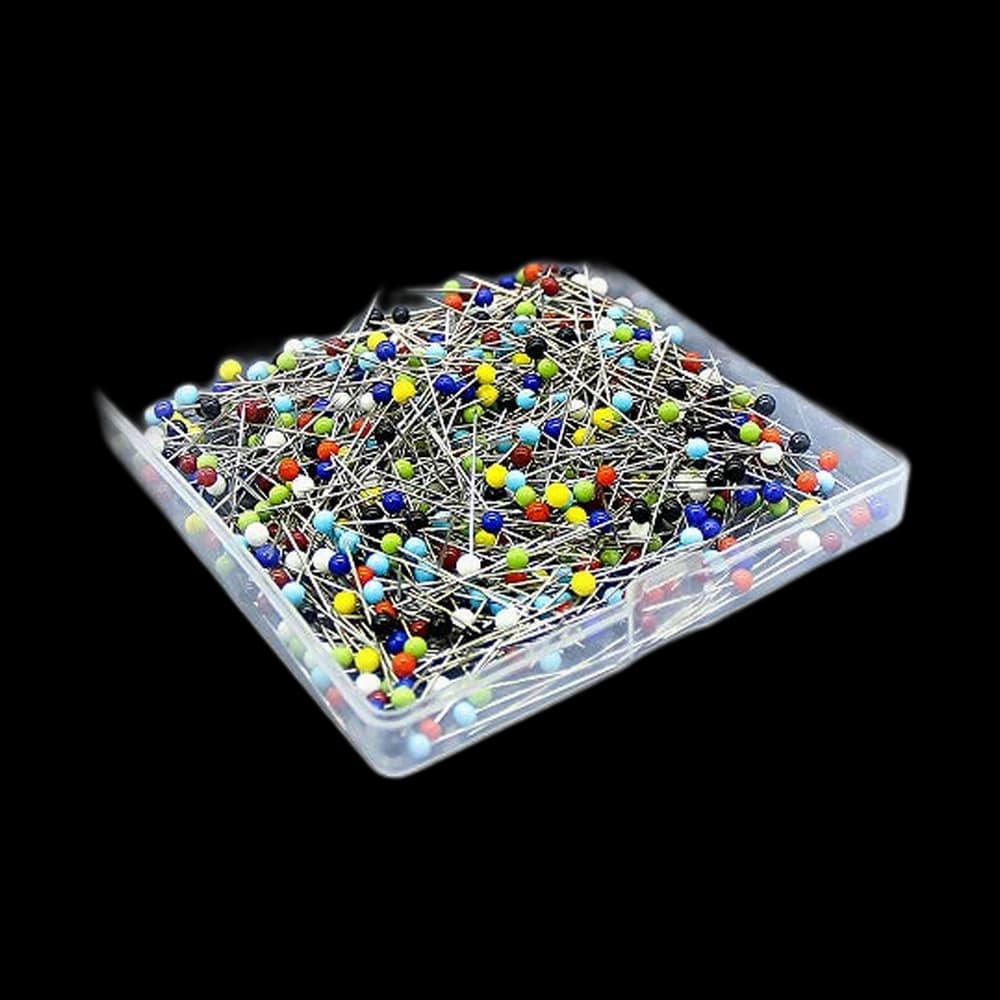
| 2 | DTDNZKN 300PCS Sewing Pins 4.6 out of 5 stars · 530 ratings | The least expensive pick in this category, which makes it the low-risk way to find out… | 83 | $3.99 | Buy on Amazon |
| 3 | 500PCS Sewing Pins for Fabric 4.6 out of 5 stars · 7,199 ratings | A straightforward option in this category at $5.99. | 80 | $5.99 | Buy on Amazon |
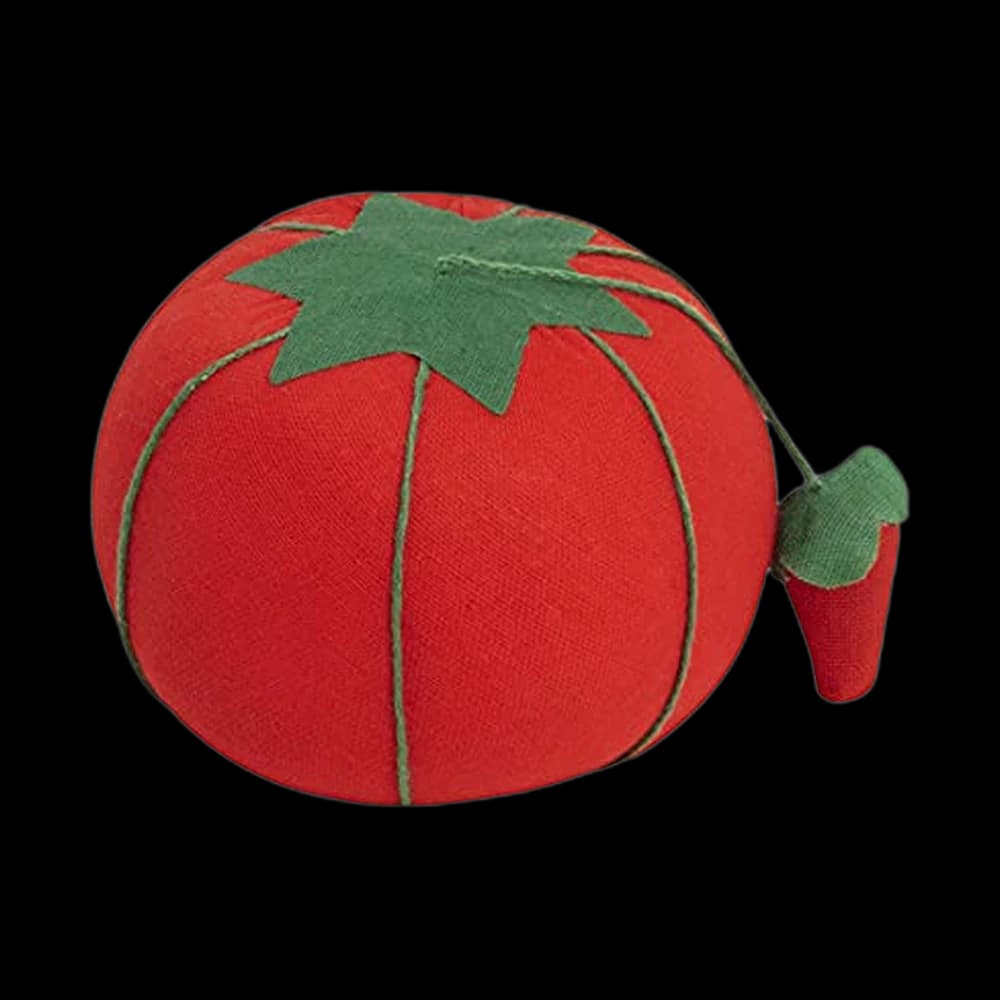
| 4 | Dritz 4" Tomato Pin Cushion 4.6 out of 5 stars · 758 ratings | Priced in the lower half of this category. | 79 | $5.52 | Buy on Amazon |
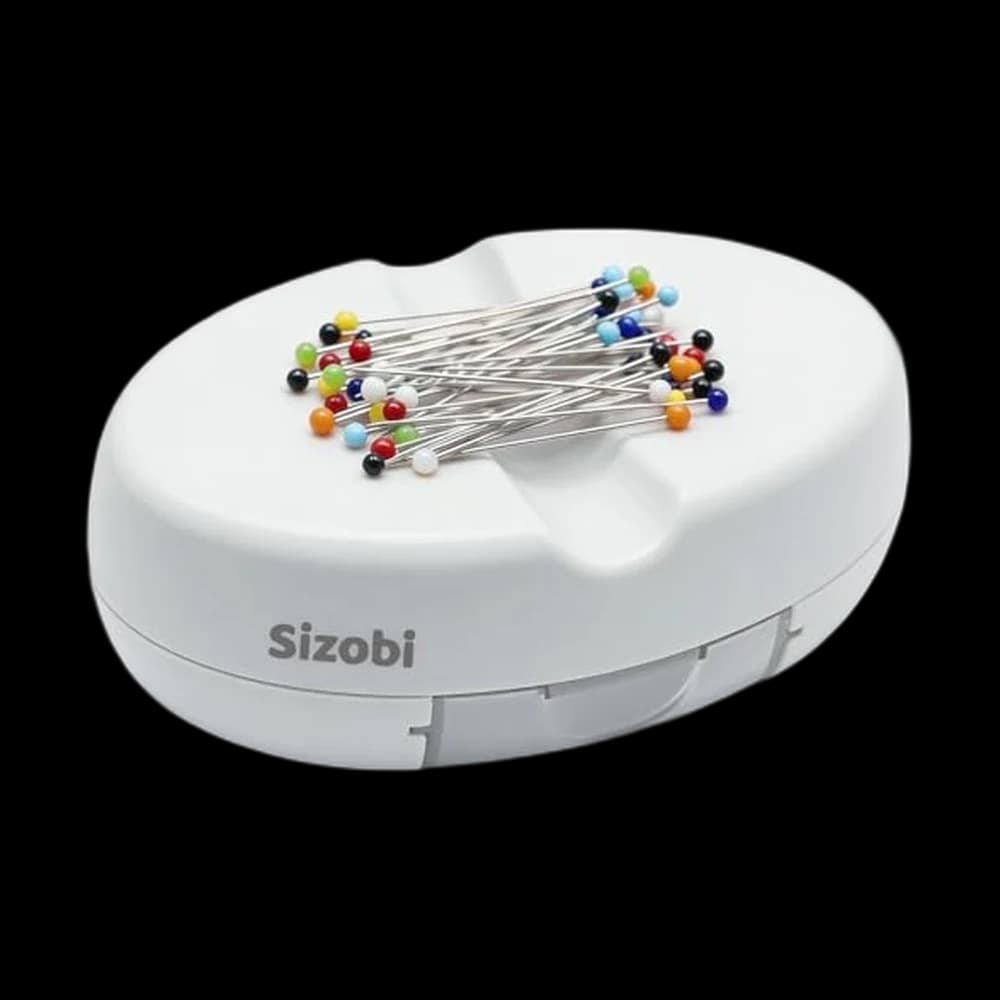
| 5 | Sizobi Magnetic Pin Cushions | A straightforward option in this category at $7.99. | 73(early) | $7.99 | Buy on Amazon |
Scores marked (early)are still settling: the listings don't yet expose a star rating we can read, so owner satisfaction sits at a neutral starting value. How the StitchScore works.
Compare two picks
Tap a chip to swap either column — all 5 picks available.
What goes with Pins & Fabric Clips
The things this shelf usually needs alongside it — one current pick per category, and nothing here is required to start.
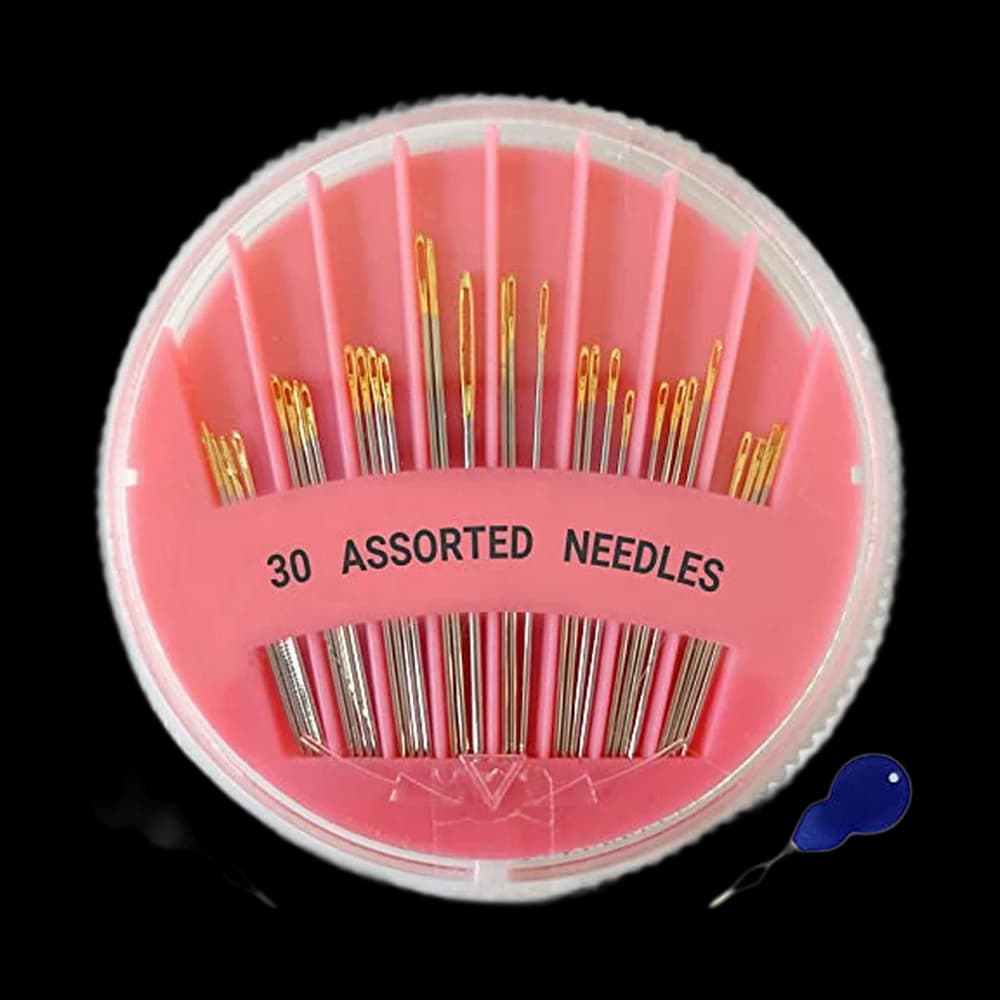 Hand-Sewing Needles
jekiinova$3.99 4.7 out of 5 stars · 2,011 ratings
Pins hold the layers; a hand needle closes what the machine cannot reach.
 Fabric Scissors
Proshear$8.99 4.8 out of 5 stars · 4,040 ratings
The least expensive pick in this category, which makes it the low-risk way to find out whether you'll keep at it; the handle is the ergonomic style, which matters more than it sounds once you are cutting a whole quilt's worth of squares; the listing states a stainless or titanium blade or soleplate.
Researched from listings, specs and owner feedback — never hands-on testing. We may earn a commission; it never changes a pick.
Guides that go with Pins & Fabric Clips
How to choose pins and clips
A few dollars of equipment quietly decides whether pinning is a chore, so the details are worth one read.
- Glass heads, not plastic — You will iron over a pin sooner or later. A glass head survives it; a plastic one melts onto whatever you were pressing and onto the soleplate. The price difference is negligible, and it is the one specification worth insisting on.
- Fineness against what you sew — A fine, sharp pin slides into a woven fabric without leaving a mark, and that is the right default. Thicker pins are easier to pick up and to push through several layers, and they leave a hole you can see in a fine cotton or a silky lining.
- Buy far more than you think — Pins are lost, not used up. They roll off the table, hide in the fabric and get vacuumed up, and running out mid-project is how a seam ends up sewn unpinned and then unpicked. The big box costs a couple of dollars more than the small one.
- Something to keep them in — A magnetic dish catches the pins you drop near it and hands them back; a tomato pincushion with an emery strawberry lets you drag a sticky pin clean. Either beats the box they arrived in, which you will spill.
Often overlooked: sewing straight over the pins. It is tempting because it is quick, and it is how needles snap and how a machine's timing gets knocked out — a repair rather than a two-dollar fix. Place pins across the seam with the heads pointing out, sew towards each one and pull it before the needle arrives. On anything thick, clips remove the temptation entirely.
Pins or clips — which do you need?
Pins go through the fabric; clips hold it from the edge. For woven cotton and most garment sewing, pins are still the better tool: they hold two layers in exactly the position you set them, they can go anywhere on a piece rather than only near an edge, and a pin placed across the seam can be pulled out just before the needle reaches it.
Clips earn their place the moment a pin is a bad idea — leather, oilcloth, vinyl and coated fabric, which keep the hole forever; thick quilt binding and bag layers a pin will not go through; knits and fleece where a pin sinks out of sight. They are also kinder to hands that struggle with something small and sharp, and they do not end up in the carpet.
Most sewing spaces end up with both, plus a magnetic dish or a pincushion so the pins live somewhere other than the floor. Glass-head pins are worth choosing over plastic-head ones for one reason: an iron passed over a plastic head melts it onto the fabric, and glass does not.
Frequently asked
- Do I need sewing pins if I have clips?
- For most garment sewing, yes. Clips only hold at an edge, so anything that has to be held in the middle of a piece — a dart, a pleat, a pocket, a pattern piece lying on fabric — still wants a pin. Clips are the better tool for thick, coated or unpinnable fabric, which is why most people keep both.
- What are glass head pins for?
- Ironing. Pressing is constant in sewing, and an iron passed over a plastic-headed pin melts the head onto the fabric and onto the soleplate. Glass heads take the heat, and they are easier to spot against fabric than a flat head when you are checking you pulled them all out.
- Can you sew over pins?
- You can, and it is the most common way beginners break a needle. A strike can also knock the machine's timing out, which is a repair rather than a two-dollar fix. Pin across the seam with the heads facing out so each pin is easy to pull as you reach it.
- How many sewing pins do I need?
- More than a starter packet holds. Pins are lost rather than consumed, so a box of a few hundred is a sensible first purchase and will last years. The number in use at any moment is small — it is the ones in the carpet that decide how often you buy more.
Prices and availability are the most recent values we pulled from Amazon and refresh on a cycle; confirm the live price before buying. We may earn a commission on a purchase, and it never changes a score. See how we score gear.