The Tailor
Draft it, tailor it, embroider it — and maybe get paid for it.
Level 4 covers drafting your own patterns, tailoring with canvas and hand-padding, and machine embroidery, plus an honest look at whether selling what you make adds up. Nothing on this site is recommended above $1,500.
Machine embroidery for beginners →Embroidery for a small business →
What you need for Level 4 (today's prices): $18 for embroidery stabilizer and embroidery hoops, plus embroidery and topstitch needles ($8–18) and polyester embroidery thread set ($25–60), on top of the earlier levels' kit. See the picks
Level 4 isn't a finish line, it's a set of lanes. Drafting from your own block. Tailoring with canvas and hand-padding. Machine embroidery, digitizing, and the small home business that quietly funds the hobby. The hard ceiling on this site is $1,500 for any machine, and that's not a limitation — a $530 combination embroidery machine runs a real Etsy shop, and plenty of them do.
Gear at this level: Capped at $1,500
Start here — Level 4
Lined Winter Jacket
Lining, interfacing, structure. The project that says you can sew.
- Time
- Several weekends
- You need
- A separate lined-jacket pattern, its specified shell, lining and interfacing, plus plenty of patience.
The gear that matters here
Researched from listings, specs and owner feedback — never hands-on testing. We may earn a commission on a purchase; it never changes a pick or a rank.
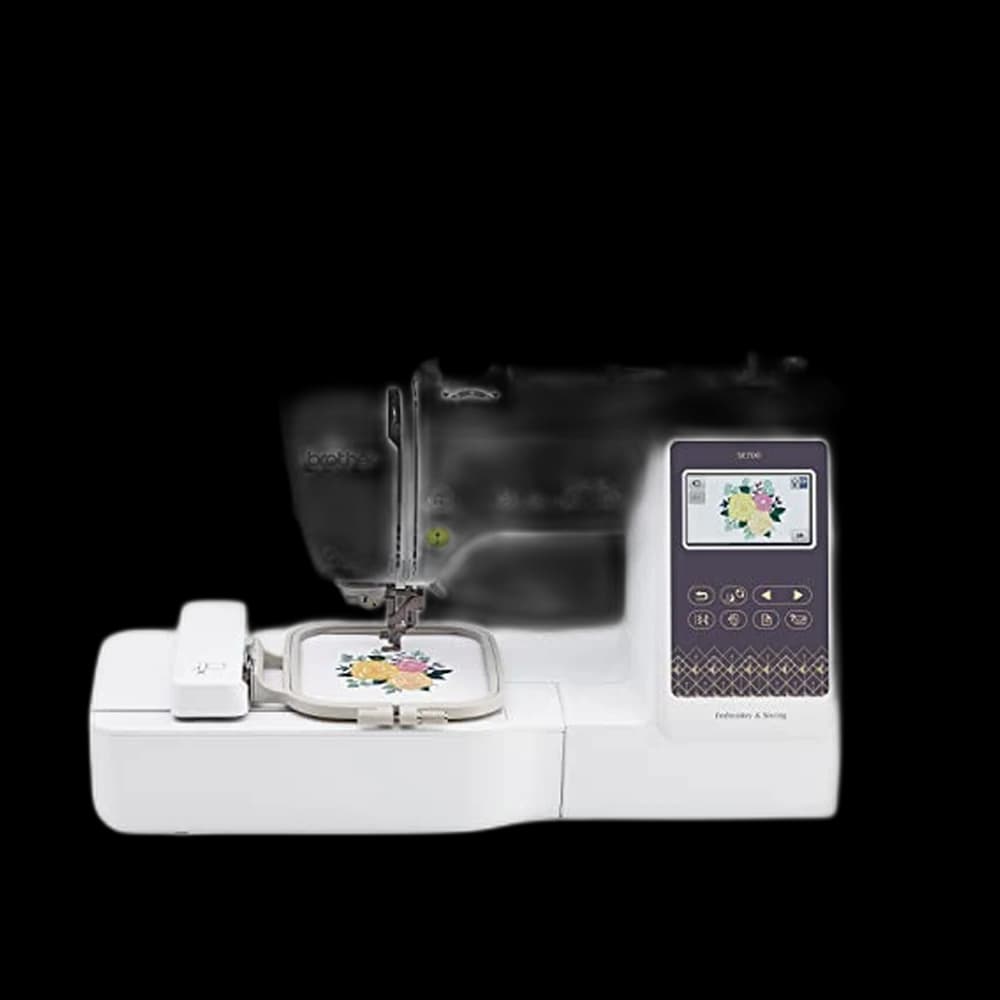
Brother SE700 Sewing and Embroidery Machine$579.99 5 out of 5 stars · 1,011 ratings
Doing both jobs on one machine — a 4 by 4 inch embroidery field, 135 built-in designs, 103…
By this level you know your own lane better than any buying guide does, so our job is to keep the price honest rather than tell you what to want. The hard cap here is $1,500 for any machine, and the practical recommendation sits far below it — a combination embroidery machine around $530 does real commercial work. If a guide is steering you toward a $4,000 machine to start a side business, it is selling a machine, not solving your problem.
- Stabilizer variety pack$12–35
Cut-away, tear-away and wash-away in one box. The cheapest possible way to learn which one your fabric wants.
 Our pick · Embroidery Stabilizer
New brothread Tear Away Stabilizer$9.99 4.8 out of 5 stars · 14,514 ratings
- Embroidery hoops in the sizes you'll use$12–40
Machine hoops for your model, plus a couple of hand hoops for placement and finishing. Magnetic hoops are a later luxury.
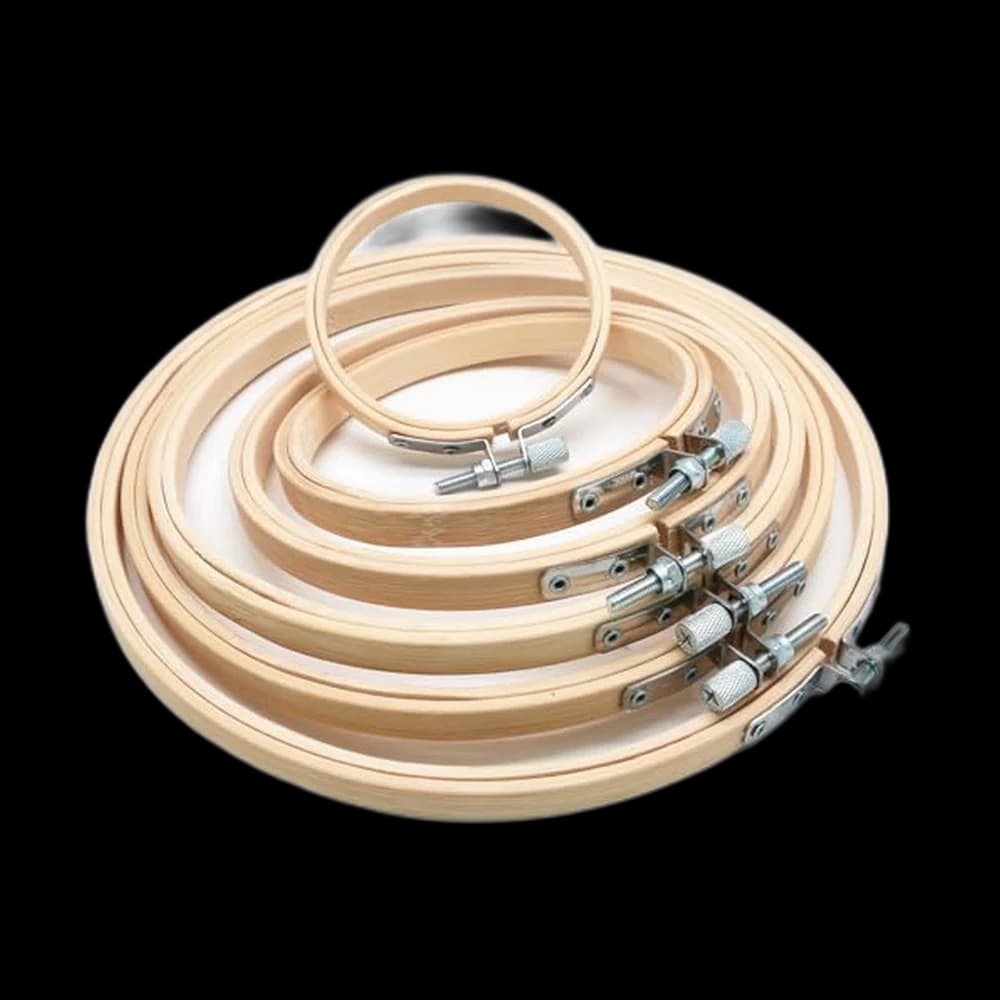 Our pick · Embroidery Hoops
Biaungdo hoop set$7.99 4.6 out of 5 stars · 178 ratings
- Embroidery and topstitch needles$8–18
A larger eye and a scarf shaped for high-speed decorative thread. Using universals for embroidery causes shredding that looks like a tension fault.
Compare machine needles - Polyester embroidery thread set$25–60
Polyester over rayon for anything that will be washed hot or bleached — which is most workwear and most kids' items.
Compare thread
- Combination sewing + embroidery machine (Brother SE700 class)$500–600
4x4 inch hoop, touchscreen, wireless design transfer. This is the machine behind a large share of small embroidery shops, and it is comfortably under the cap.
Compare embroidery machines - Serger, if you skipped one at Level 3$250–350
Once you're finishing garments to a standard other people will pay for, overlocked seams stop being optional.
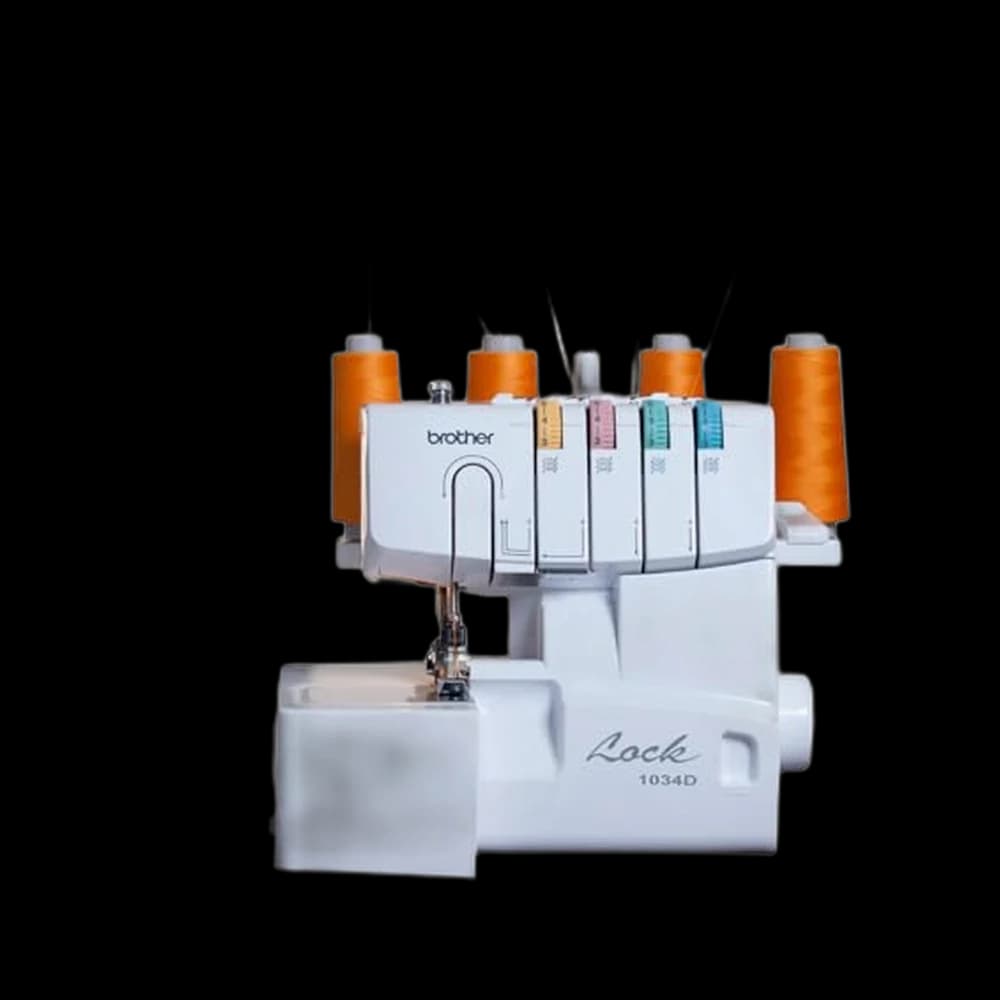 Our pick · Sergers & Overlockers
Brother 1034D Serger Overlock Sewing Machine$319.99 4.2 out of 5 stars · 12,166 ratings
- Steam station or a heavier iron$120–300
Tailoring wants steam and weight — setting a lapel roll is a pressing job before it's a stitching one.
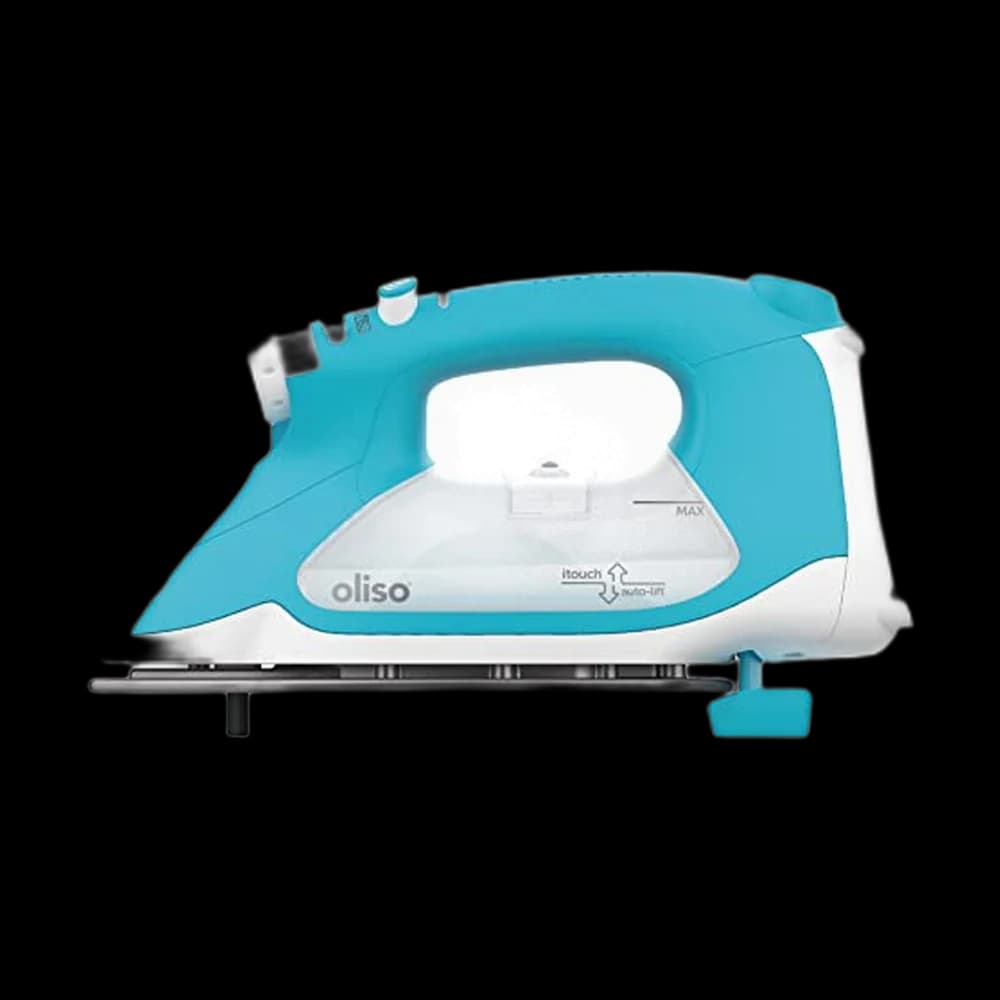 Our pick · Irons
Oliso TG1600 ProPlus Auto-Lift Steam Iron$199.99 4.4 out of 5 stars · 2,918 ratings
- Thread stand for cones$15–35
Embroidery burns through thread. Cones feed better and cost far less per yard than spools.
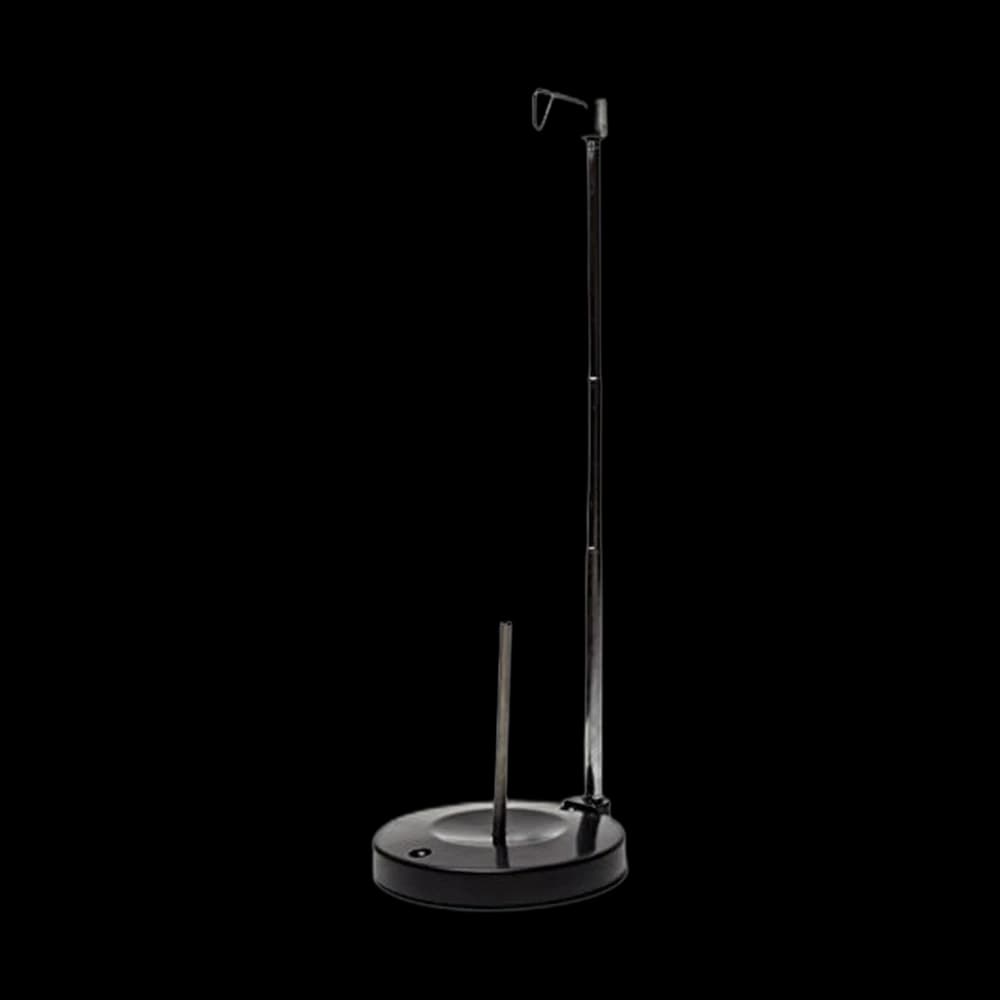 Our pick · Thread Stands
Embroidex Adjustable Single Thread Spool Holder$7.99 4.8 out of 5 stars · 5,207 ratings
- Larger-hoop embroidery machine (5x7 inch)$800–1,400
Only when 4x4 is genuinely turning orders away. Stays under the site's $1,500 hard cap — nothing above that is recommended here, at any level.
Compare embroidery machines - Coverstitch or a 5-thread serger$400–700
For the twin-line knit hem a serger can't make. Worth it only if knitwear is a real share of what you sew.
Compare sergers - Professional dress form$250–500
A pinnable, fixed-size form for draping and tailoring. Adjustable forms are for fitting; professional forms are for drafting.
Compare dress forms - Dedicated sewing table or a second station$150–350
Two machines set up at once is the actual productivity unlock at this level — not a faster machine.
 Our pick · Sewing Tables
Sauder Folding Sewing Table & Craft Cart$234.99 4.1 out of 5 stars · 4,792 ratings
The range beside each item is a researched market band, written by hand; the price under “our pick” is that product's live catalog price. Every pick and score lives in the Gear section. Nothing on this site is recommended above $1,500, at any level.
You're at this level if…
- You alter commercial patterns so heavily you're half-drafting already
- Friends have started asking you to fix, hem, or make things
- You want to put a logo or a name on something and it needs to look professional
- You're pricing an embroidery machine and the buying guides all push you upmarket
- You've thought about selling and don't know whether the numbers work
- The finish inside your garments matters to you as much as the outside
Recognise two or three of these and you're in the right place. Not sure? Take the two-minute quiz.
Skills to build
What this level actually teaches your hands. Work down the list — each one is a thing you can practise on a scrap in ten minutes.
Draft from a personal block
Take a full set of measurements, draft or fit a basic bodice and trouser block, then generate patterns from it. Once your block is right, every garment starts fitting instead of being fixed afterward.
Tailoring construction
Interfacing a front, pad-stitching a lapel roll, setting a sleeve head, and easing rather than gathering. This is the slowest, most hand-work-heavy corner of the craft and it's where the word tailor comes from.
Machine embroidery, end to end
Hoop with the right stabilizer for the fabric, match stabilizer to stitch density, run a colour-change sequence, and trim jump stitches. Most bad machine embroidery is a stabilizer decision, not a machine limitation.
Stabilizer selection
Cut-away for knits and anything that stretches, tear-away for stable wovens, wash-away for towels and sheers, plus a topper on terry. Getting this wrong shows as puckering that no amount of tension tweaking will fix.
Digitizing, or knowing when to buy the file
Turning artwork into a stitch file is its own skill with its own software cost. Buying well-made designs or paying a digitizer per logo is often the right business call for a long time.
Price your work without underselling it
Materials, plus machine time, plus your hourly rate, plus the platform's cut. Sewists routinely charge less than their thread costs. If a made-to-order item can't carry a real hourly rate, it's a hobby item, not a product.
Teach and pass it on
Running a beginner class, mending with a repair café, or just sitting with someone through their first bobbin. Sewing's reputation for being fussy and unwelcoming gets fixed at this level or not at all.
Worth knowing
The background that makes the skills above make sense — and stops you buying the wrong thing.
Hoop size is the real spec on an embroidery machine
A 4x4 inch hoop covers left-chest logos, hats, patches and most personalization. A 5x7 opens up back designs and larger monograms. Almost every other feature on the box matters less than this one.
The honest embroidery-business math
A left-chest logo is roughly 10-15 minutes of machine time you have to supervise, plus stabilizer, thread and the blank. That's the number that decides whether an order is worth taking — not the machine's price.
Combination machines versus dedicated ones
A combination machine sews and embroiders, which is right when you do both occasionally. A dedicated embroidery machine keeps running while you sew on another machine — the actual reason to own two.
Licensing and what you may not stitch
Sports logos, cartoon characters and brand marks are protected. Embroidery designs also come with their own licences, and many forbid stitching for resale. Read the licence before the order, not after.
Coverstitch and what it finishes
The twin-line hem on a shop-bought t-shirt is a coverstitch, and no serger or sewing machine makes it. It's a specialist third machine, and only worth it if you sew a lot of knitwear.
Maintenance becomes your job
Lint out of the bobbin case every few hours, oil where the manual says, and a professional service annually if the machine earns money. A serviced machine at ten years old outperforms a neglected one at two.
Guides for this level
Skimmable how-tos that go deeper on the skills above.
Watch this level
Other people's tutorials, picked for exactly this stage and playable here. Seeing a technique once beats reading it three times.
How to Use an Embroidery Machine: Beginner’s Guide
Hooping, stabilizer and design files end to end — the three things nobody mentions before your first embroidery machine arrives.
▶ Threaded Comforts
How to Price Sew and Sell Items | Make Money Sewing and Selling Handmade Crafts
If you're thinking about selling, pricing is the part that decides whether it's a business or an expensive hobby.
▶ Sewing Tutorials by Fabric Designer Tara Reed
Serger 101 - How To Use A Serger
Four threads, two knives and a lot of intimidation — a clear first tour of the machine that makes seams look store-bought.
▶ Melly Sews
Do these next
Three concrete moves for this level. Pick one — momentum beats planning at every stage of this craft.
- ReadEmbroidery machine for a small business4x4 vs 5x7 hoops, and what a $530 machine can actually sell
- Set upStabilizer, comparedCut-away, tear-away, wash-away — the consumable that decides how a design survives washing
- CompareDress forms, comparedAdjustable vs professional, and whether you need one at all
Frequently asked at Level 4
- Can you make money sewing?
- Some people do, mostly through alterations, made-to-measure work or machine embroidery rather than through selling handmade garments at craft-fair prices. Machine embroidery is the one Level 4 skill with a clear home-business lane behind it, because a design stitches out repeatedly at a predictable cost per piece.
- Do you need an embroidery machine to sell things you sew?
- No, but it is the cheapest route to a repeatable product. A 4x4 inch hoop covers monograms, patches and left-chest logos, which is most of what small embroidery businesses actually sell. SewingPath caps every machine it recommends at $1,500, and beginner combination machines sit well under that.
- What is the difference between sewing and tailoring?
- Sewing assembles pieces; tailoring shapes them to a body. Level 4 is where darts, interfacing, pressing over a ham and pattern adjustment stop being optional details and become the whole job. It is also the level where the finish inside the garment starts to matter as much as the outside.
- How do you learn to draft your own patterns?
- Start by altering a commercial pattern that already fits, one change at a time — length, waist, shoulder — rather than drafting from a block on day one. Every adjustment you make to a known-good pattern teaches you what a drafted line is for, which is why Level 4 puts fitting before drafting.
There is no Level 5. There's a pile of mending somewhere in your house, and someone at Level 0 who'd love to know how you fixed it.
← Back to Level 3: The MakerAll five levels · The Pattern is free, and stays free.