What Do I Need to Start Sewing? The Beginner Supplies List
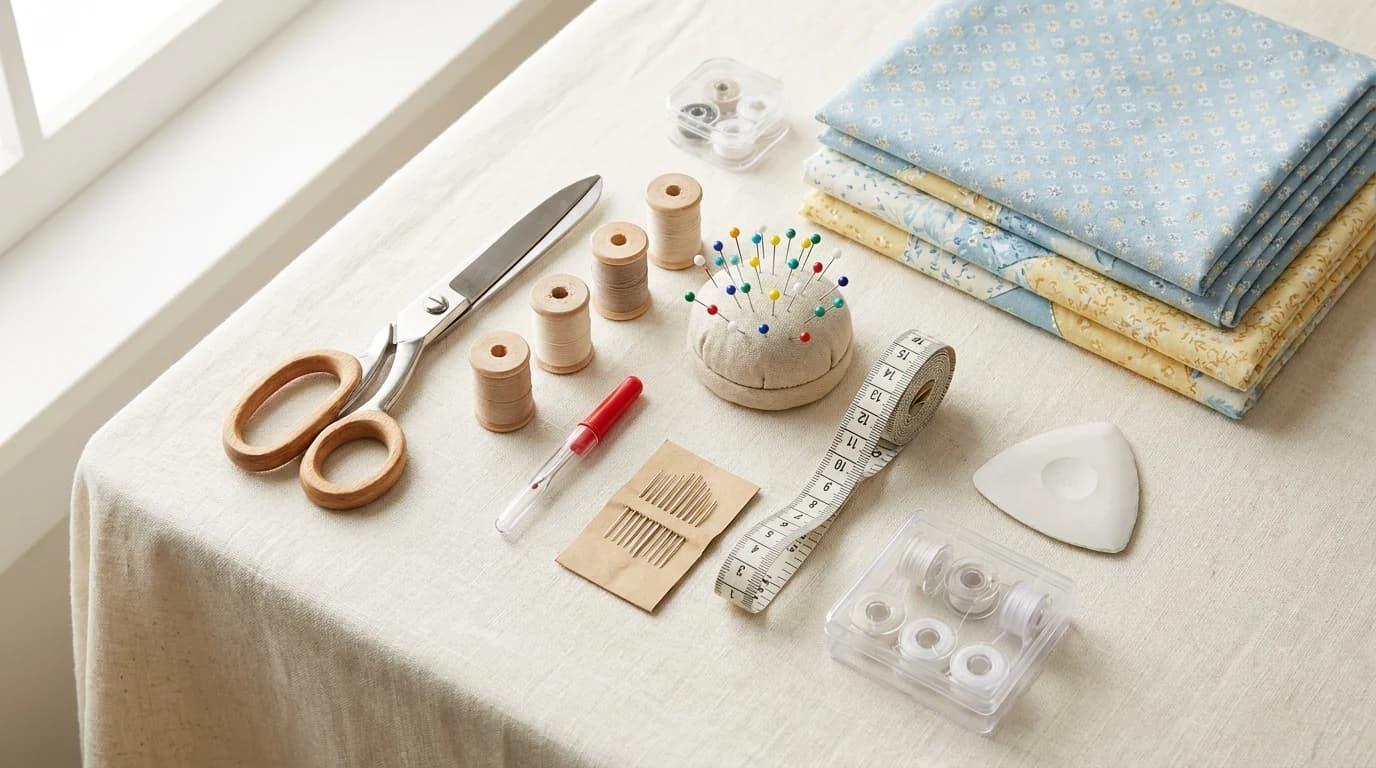
Our picks, at a glance
- Top pick
Proshear Professional Tailor Scissors, 9 Inch Heavy Duty Fabric Shears
$8.99StitchScore 93 4.8 out of 5 stars · 4,040 ratings
- #2
Coats & Clark Dual Duty Thread, Black & White
$8.50StitchScore 82 4.7 out of 5 stars · 4,705 ratings
- #3
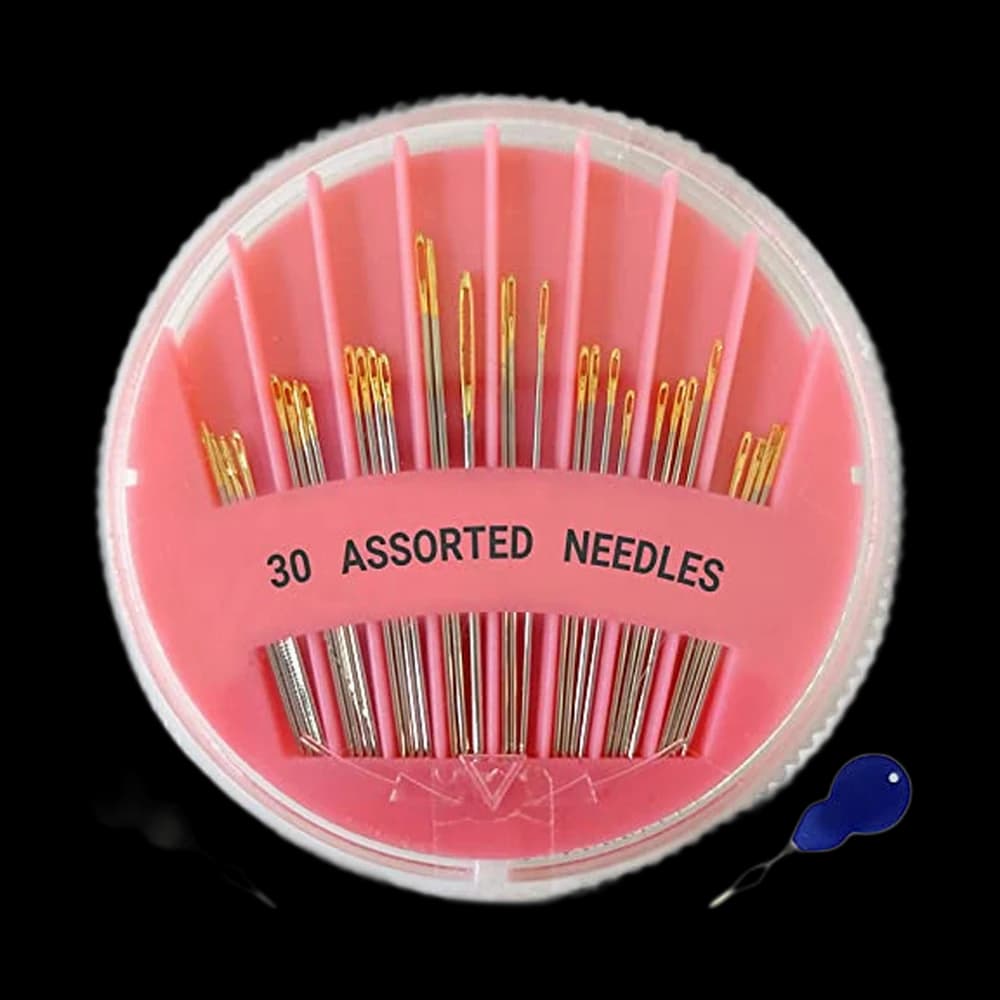
jekiinova 30 Pack Hand Sewing Needles, 6 Sizes
$3.99StitchScore 87 4.7 out of 5 stars · 2,011 ratings
- #4
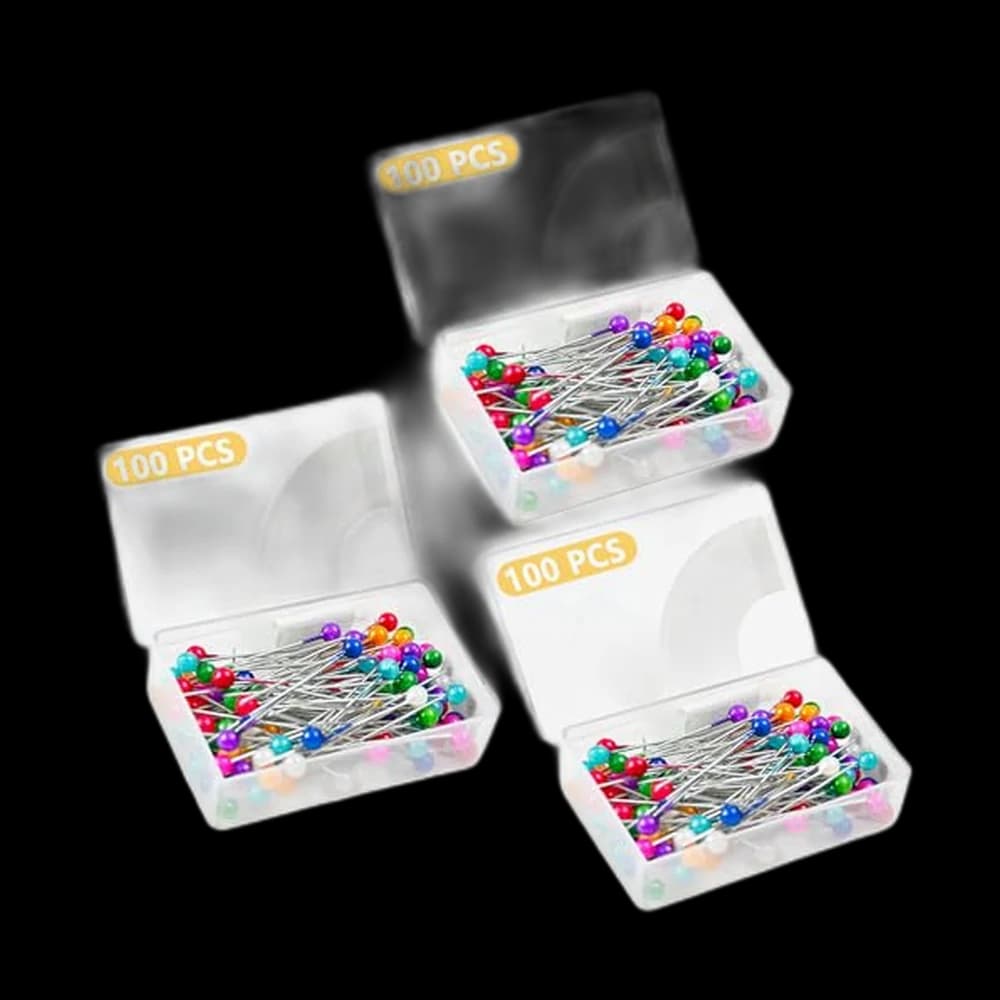
DTDNZKN 300PCS Sewing Pins with Glass Ball Heads
$3.99StitchScore 83 4.6 out of 5 stars · 530 ratings
- #6
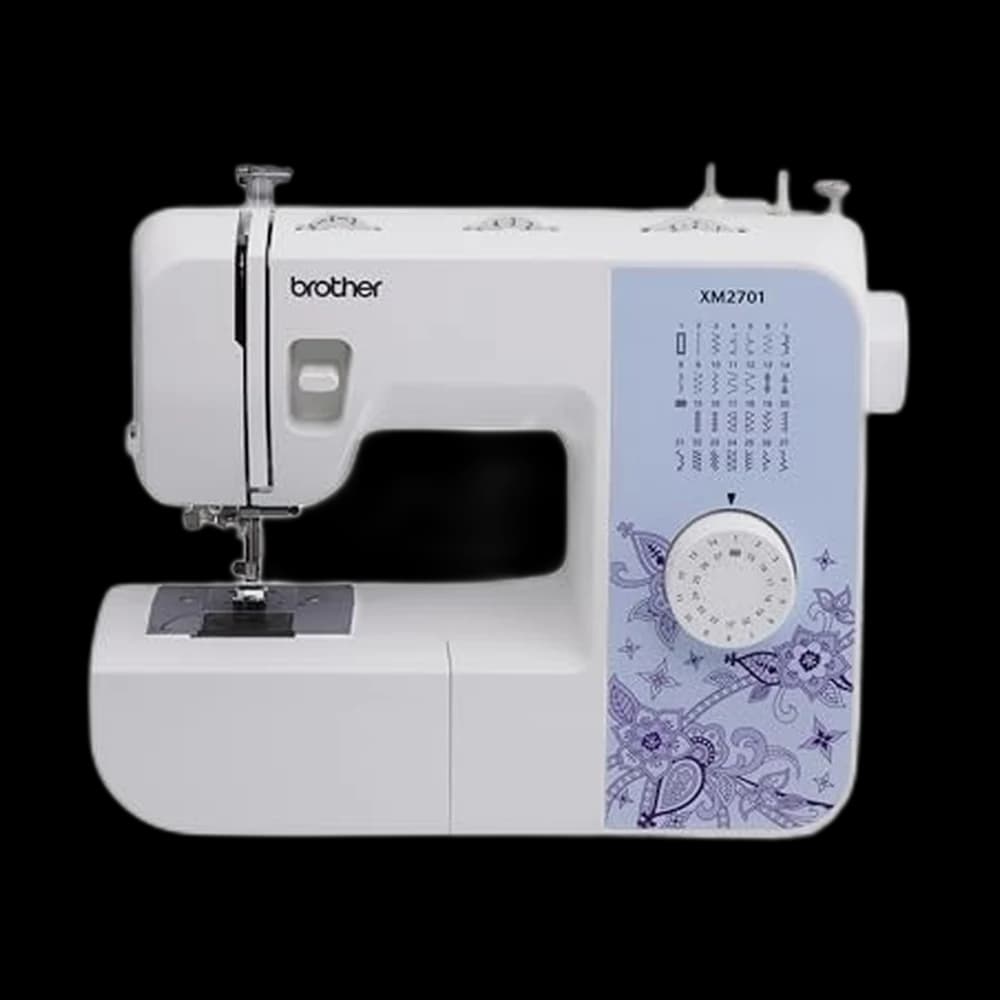
Brother XM2701 Lightweight Sewing Machine
$143.14StitchScore 85 4.6 out of 5 stars · 19,162 ratings
- #8
BEAUTURAL 1800 Watts Steam Iron with LCD Screen
$41.99StitchScore 82 4.5 out of 5 stars · 19,802 ratings
The short version
- Day-one must-haves: fabric scissors, all-purpose polyester thread, hand needles, straight pins, a seam ripper, a tape measure and a fabric marker.
- A sewing machine, the needles it takes and an iron join the list when you start machine sewing.
- Buy bobbins and machine needles only in the type your machine's manual names.
- A folded towel on a heat-safe table is a workable pressing surface until you buy a board.
- Pincushions, clips, needle threaders and pinking shears are nice-to-haves for the first month.
- Rotary cutters, walking feet, sergers, dress forms and storage systems can wait until a project needs them.
To start sewing you need fabric scissors, all-purpose polyester thread, hand-sewing needles, straight pins and a seam ripper, plus a tape measure and something to mark fabric with. A sewing machine, machine needles and an iron come next, when you move from hand sewing to machine sewing. Everything else on a typical "sewing essentials" list can wait until a project actually asks for it.
This page is the whole list, sorted by priority across the five jobs sewing involves: hand sewing, machine sewing, cutting, marking and pressing. Two sibling pages cover the narrower questions:
- Want one order and done? The beginner sewing kit picks the five day-one essentials for you, with a dated catalog total.
- Deciding on a machine? The best beginner sewing machines under $250 compares five, and the Machine Finder narrows them to three.
How we chose: every named product is a visible, positively checked listing in our catalog, chosen from listing details, specs and measured owner feedback. We research; we do not claim hands-on testing. Where we do not carry something you need, we say so and describe what to look for instead.
The full list at a glance
| Item | Priority | The job it does | Compare |
|---|---|---|---|
| Fabric scissors | Must-have | Cutting fabric, and only fabric | Fabric scissors |
| All-purpose polyester thread | Must-have | Hand and machine stitching | Thread |
| Hand-sewing needles, mixed pack | Must-have | Every hand stitch and repair | Hand needles |
| Straight pins | Must-have | Holding layers before you stitch | Pins and clips |
| Seam ripper | Must-have | Unpicking, which you will do a lot | Seam rippers |
| Flexible tape measure | Must-have | Bodies, hems and fabric lengths | Marking and measuring |
| Fabric marker or tailor's chalk | Must-have | Cutting lines, hem lines, button positions | Marking and measuring |
| Sewing machine | Must-have for machine sewing | Seams that hold, fast | Sewing machines |
| Machine needles | Must-have for machine sewing | A fresh needle fixes most stitch faults | Machine needles |
| An iron | Must-have for machine sewing | Pressing seams and hems | Irons |
| A pressing surface | Must-have, can be improvised | Somewhere heat-safe to press | Ironing boards |
| Spare bobbins | Nice-to-have | Two colours ready without rewinding | Bobbins |
| Pincushion | Nice-to-have | Pins somewhere other than the sofa | Pins and clips |
| Sewing clips | Nice-to-have | Thick or slippery layers pins struggle with | Pins and clips |
| Needle threaders | Nice-to-have | Fine needles and tired eyes | Hand needles |
| Pinking shears | Nice-to-have | A quick edge finish on firm wovens | Pinking shears |
| Rotary cutter, mat and ruler | Later | Straight cuts at speed, mostly quilting | Rotary cutters |
| Walking foot | Later | Feeding several thick layers evenly | Walking feet |
| Extra presser feet | Later | Specialist jobs beyond the feet in the box | Presser feet |
| Serger | Later | Trimming and enclosing edges, knits | Sergers |
| Dress form | Later | Fitting garments to a body | Dress forms |
| Sewing table, storage | Later | When the kit outgrows a shoebox | Storage |
The table at the top of this page names our researched pick for each must-have we carry.
What we'd buy for this
One pick per category, chosen from the research pages linked in this piece. Borrow before you buy — nothing here is required to start.
 Fabric Scissors
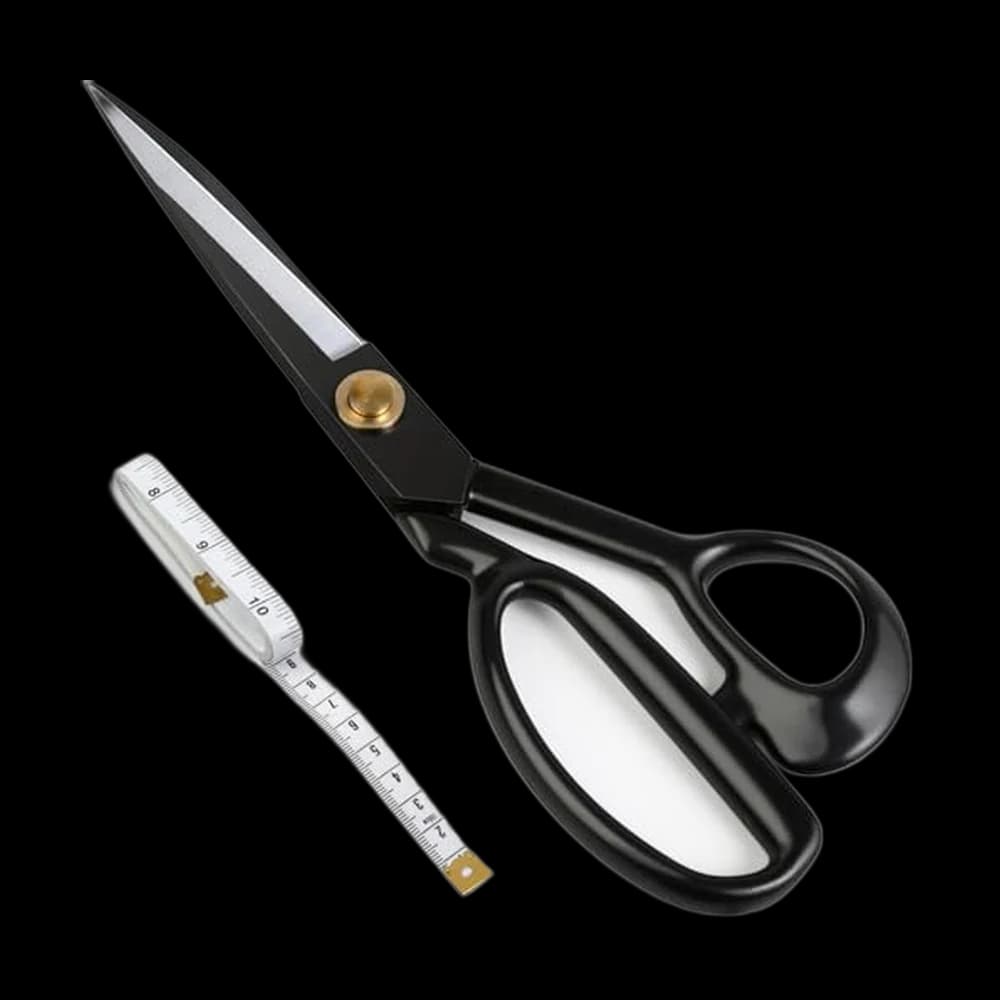
Proshear$8.99 4.8 out of 5 stars · 4,040 ratings
The least expensive pick in this category, which makes it the low-risk way to find out whether you'll keep at it; the handles are the ergonomic style, which matters more than it sounds once you are cutting out a whole garment.
 Thread
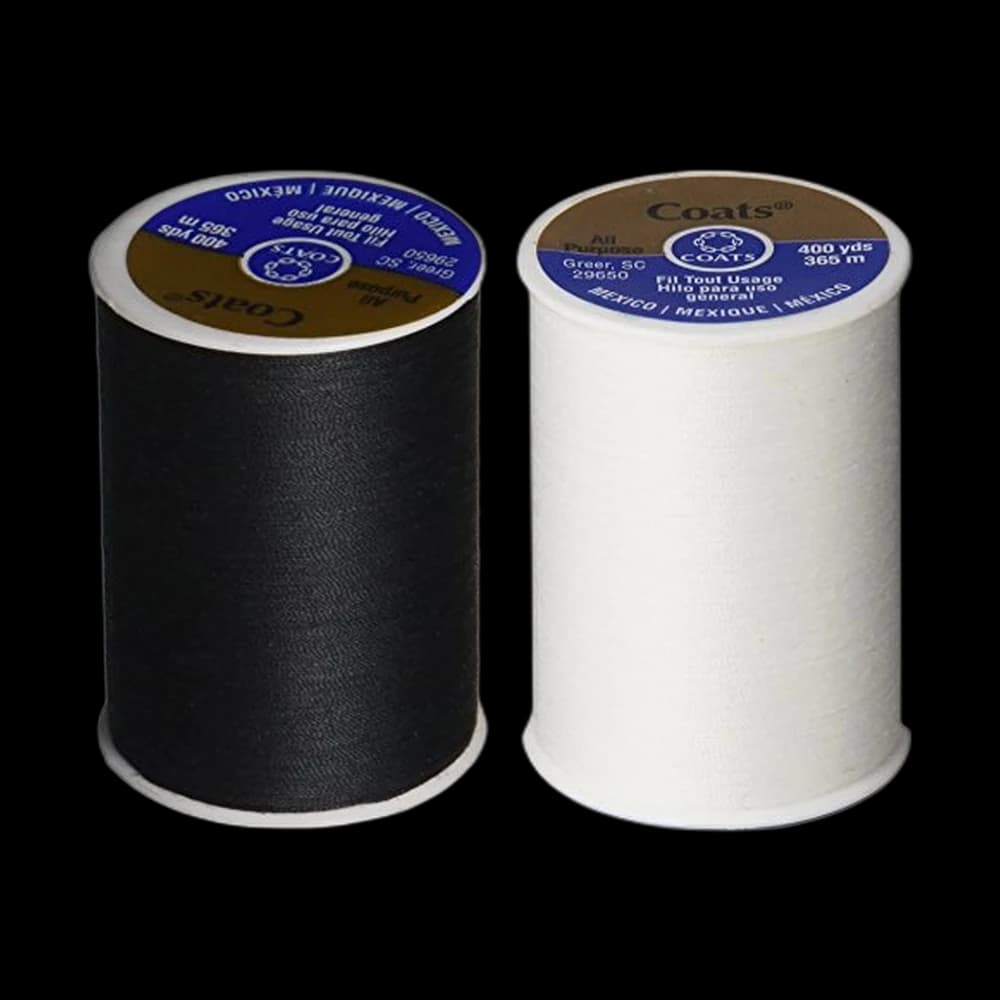
Coats & Clark thread$8.50 4.7 out of 5 stars · 4,705 ratings
 Hand-Sewing Needles
jekiinova$3.99 4.7 out of 5 stars · 2,011 ratings
Researched from listings, specs and owner feedback — never hands-on testing. We may earn a commission; it never changes a pick.
Must-haves for day one: hand sewing, cutting and marking
You can do real sewing with only this section: practise stitches, take up a hem, put a button back on, mend a seam. That is Level 0 of The Pattern, Curious, and the free mending course is built entirely on these tools.
Fabric scissors
The one tool to spend a little care on. Keep them for fabric alone: paper and tape dull a blade fast, and a dull blade chews and stretches the cut edge. Our pick is the Proshear 9-inch tailor scissors; the listing specifies high-carbon steel blades and a bent handle, which lets the lower blade run flat along the table. Tie a ribbon on the handle so the rest of the house knows.
Thread
Buy all-purpose polyester in one or two colours you will actually use, not a rainbow. Polyester has a little give, so seams survive being tugged. Our pick is the Coats & Clark Dual Duty black and white pair, 400 yards a spool according to the listing. Old thread from a relative's tin is the exception worth replacing; it tends to go brittle.
Hand needles, pins and a seam ripper
- Needles: a mixed pack, so you are never stuck with the wrong size. Our pick is the JekiiNova 30-needle assortment in six lengths, which includes two needle threaders.
- Pins: glass or ball-headed straight pins are easy to see and pick up. Our pick is the DTDNZKN pack of 300.
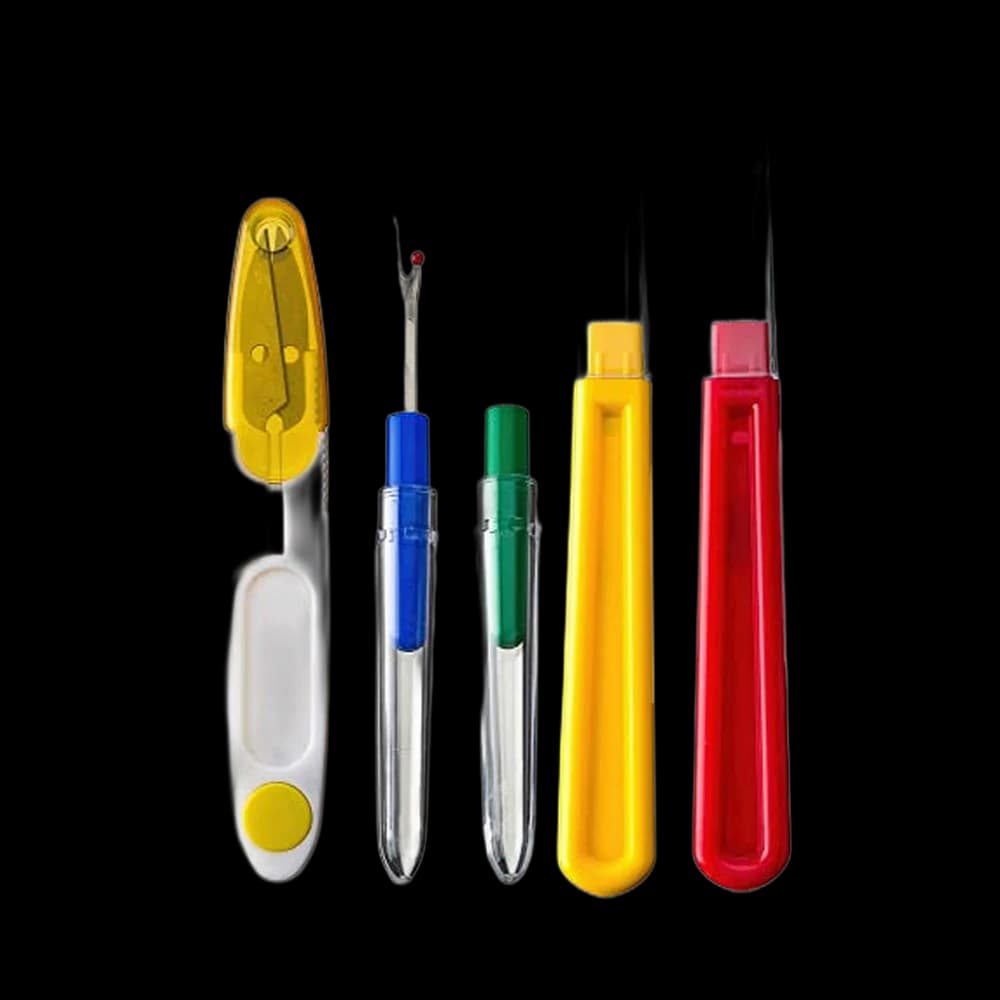
- Seam ripper: buy a small set and keep one wherever you sew. Our pick is the Ortarco ripper and thread-remover kit. Unpicking is a normal part of sewing, not a sign it went wrong.
A tape measure: Dritz 836
A flexible 60-inch tape is the standard: long enough for a hip or a fabric length, and soft enough to wrap round a body. Our pick is the Dritz 836 tape measure: 60 inches long and 5/8 inch wide, with metric on the reverse, and Dritz says it reads from either end. Any basic sewing tape will do the same job. Check the first few inches against a ruler.
Something to mark fabric with: Dritz 748 chalk
You need to draw cutting lines, hem lines and button positions that come off afterwards. Tailor's chalk, a chalk pencil or a washable fabric marker all do the job. Our pick is the Dritz 748 tailor's chalk, which sits in a plastic holder with a built-in sharpener. For finer lines, the Dritz 673-60 dual-purpose marking pen has a blue end that Dritz says wipes away with a damp cloth and a purple end that fades in air. Whatever you buy, test it on a scrap of the same fabric first, and keep air-erasable and heat-sensitive pens away from the iron until you know how they behave on your fabric.
Must-haves when you add a machine
Hand sewing first is the cheapest way to find out whether you enjoy this. When you are ready for a machine, three things join the list.
The machine: start with the Brother XM2701
Our top pick for a first machine is the Brother XM2701. Its listing specifies 27 stitches, a free arm, an automatic needle threader and a drop-in top bobbin, and says it comes with six feet and four bobbins, so you are unlikely to need extra feet or bobbins straight away. A working machine you borrow or inherit is fine too; an older metal machine plus a service can be a better deal than a new budget one. The full comparison, including a computerized option and heavy-duty picks for denim and canvas, is in the beginner machine guide. Once it arrives, how to use a sewing machine takes you from the box to a first seam.
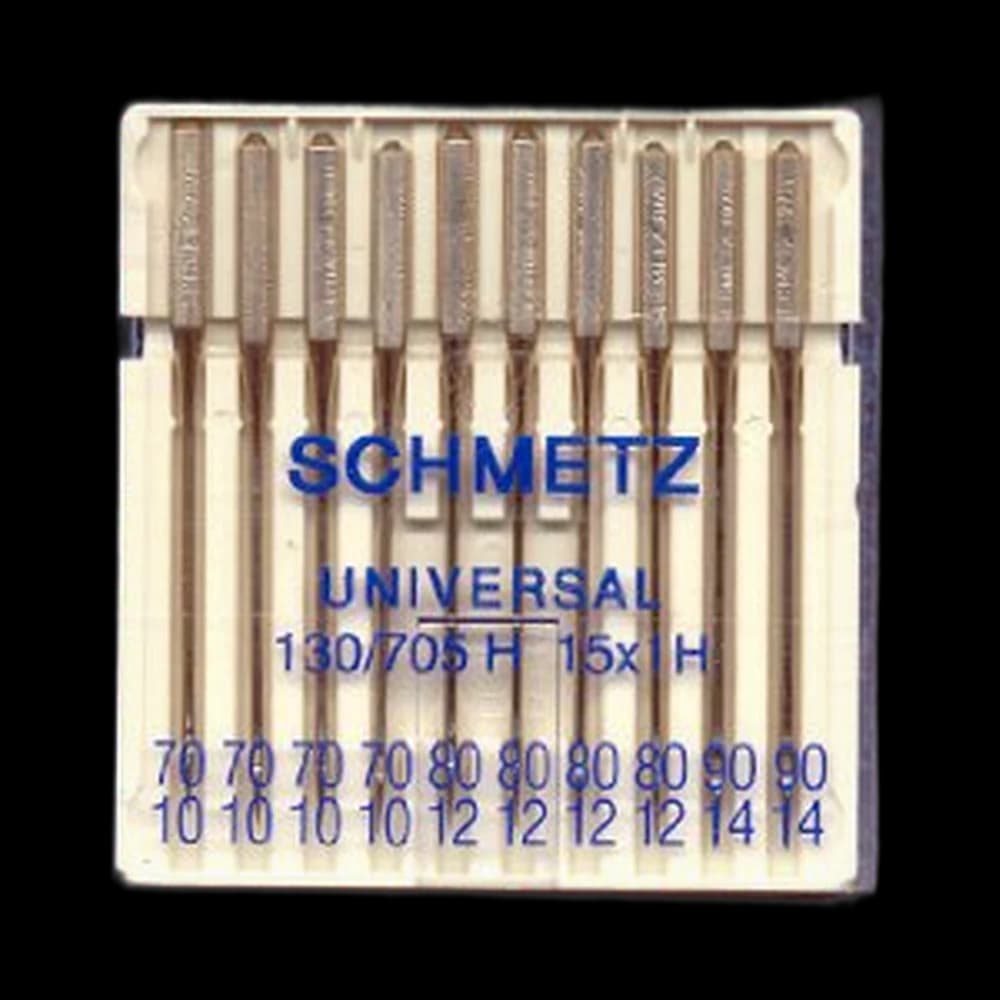
Machine needles: SCHMETZ Universal 130/705
Needles are a consumable, not a part of the machine. A dull or bent needle causes skipped stitches and snapped thread, and gets blamed on the machine. A universal point suits ordinary woven cotton. Most domestic machines take the 130/705 H system; check that your manual names it before you buy. The needle size guide covers which size for which fabric.
Bobbins: only the type your manual names
Bobbins come in classes that look alike and are not interchangeable. Read the bobbin type in your manual, then buy that exact one. Our bobbins category carries class 15 sets for machines that take them. The bobbin guide explains why a wrong-class bobbin causes maddening, intermittent faults.
Pressing: the step that makes it look finished
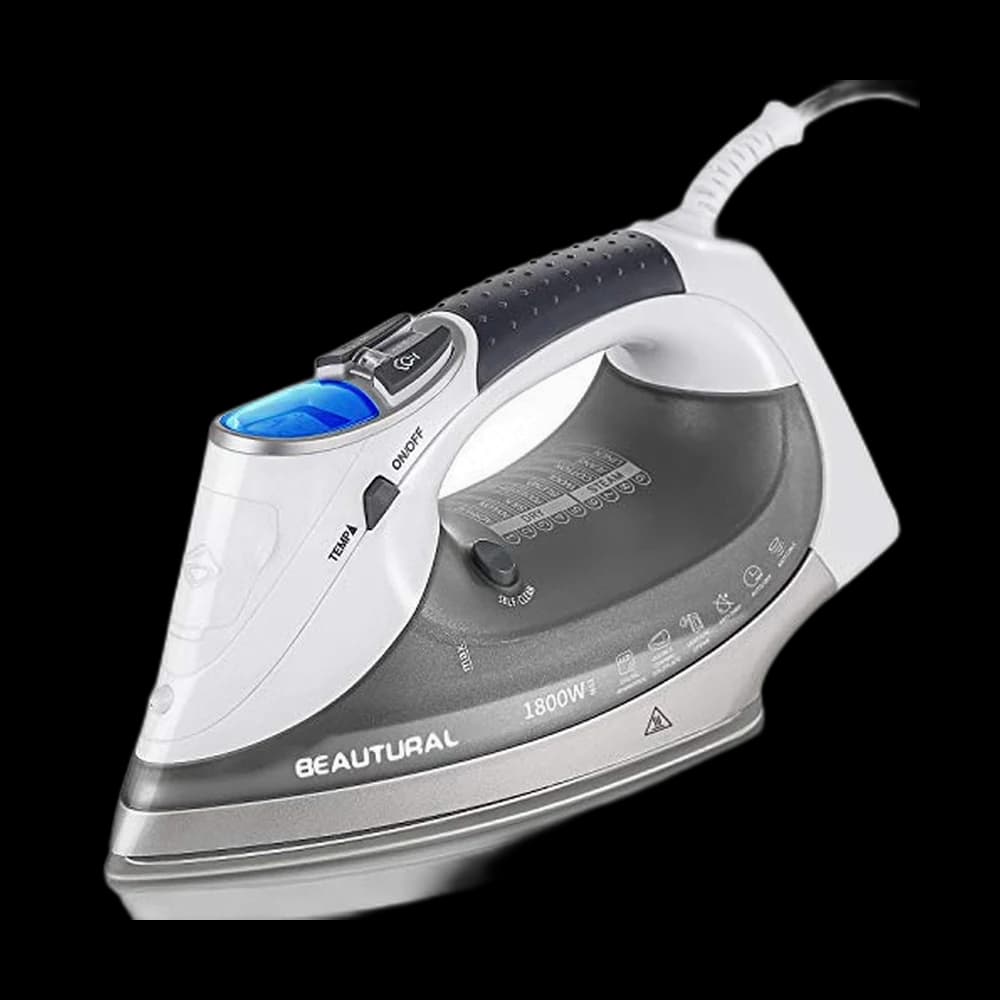
Pressing every seam as you go is most of the difference between homemade and handmade, so an iron is on the must-have list as soon as you sew seams. The one you own is a fine start. If you are buying, a steam iron with clear heat settings helps; our pick is the Beautural 1800-watt steam iron, whose listing specifies fabric presets and a ceramic soleplate.
For a pressing surface, a full ironing board is nice, a folded towel on a heat-safe table works, and a small tabletop board such as the KINGBOARD folds away where space is tight.
Nice-to-haves for the first month
None of these are needed to start. Each one fixes a small annoyance you will meet early.
- A pincushion. Somewhere for pins that is not the arm of the sofa. The classic tomato is in the pins and clips category.
- Sewing clips. For thick layers, vinyl, laminates and anything pins would mark.
- Needle threaders. The SINGER three-pack in our hand needles category works for hand and machine needles, according to its listing.
- Thread in a few more colours, bought for projects you have chosen, not for a shelf.
- Pinking shears. A fast edge finish on firmly woven fabric that barely frays. The guide to finishing seams without a serger explains where they are enough and where they are not.
Later: buy these when a project asks
- Rotary cutter, mat and ruler. A system of three purchases that pays off when you cut many straight strips and squares, which mostly means quilting. The rotary cutter vs scissors guide helps you decide.
- A walking foot. For quilt layers and other thick stacks that shift under a standard foot.
- A presser-foot set. Your machine's box usually covers the first year. Buy a specific foot when a project needs it.
- A serger. A second machine for someone who already has a first. Read serger vs sewing machine before buying one.
- A dress form. Useful when you are fitting garments, which is a long way past your first hem.
- A sewing table, thread stand or storage system. When the shoebox is genuinely full.
Fabric for your first projects
Quilting cotton is the beginner's fabric: it does not stretch or slip, it presses crisply and it is inexpensive. Leave knits, satin and chiffon until a straight seam feels boring. Whether to wash it before cutting is its own question, answered in should you prewash fabric.
A sensible order to buy in
- Now: scissors, thread, hand needles, pins, a seam ripper, a tape measure and a marker. Make something by hand: a button repair or a felt keyring is a good first evening.
- When you choose a machine: the machine, a pack of the needles it takes and, if you do not own one, an iron.
- In the first month: a pincushion, clips or threaders, whichever annoyance you meet first.
- When a project asks: everything in the "later" list, one purchase at a time.
A tidy empty sewing box has never sewn anything. Buy the next tool when the next project needs it, and the projects library will tell you when that is.
Frequently asked
What do I need to start sewing?
Fabric scissors, all-purpose polyester thread, hand-sewing needles, straight pins, a seam ripper, a tape measure and a fabric marker or chalk. With those you can hand-sew, mend and make small projects. Add a sewing machine, machine needles and an iron when you are ready to sew by machine.
Do I need a sewing machine to start sewing?
No. Hand sewing teaches how stitches and fabric behave and lets you finish real repairs and small projects first. A machine makes longer seams faster when you are ready for one.
What sewing supplies can wait?
A rotary cutter, mat and ruler, a walking foot, extra presser feet, a serger, a dress form and storage systems. Each one earns its place when a particular project needs it, not on day one.
What is the difference between this list and a beginner sewing kit?
The beginner kit page picks the five day-one essentials as one shopping list. This page is the full picture in priority order, covering machine sewing, cutting, marking and pressing as well, so you know what comes next and what can wait.
What should I use to mark fabric?
Tailor's chalk, a chalk pencil or a washable fabric marker. Test any marker on a scrap of the same fabric first, and check how it reacts to heat before you press over it.
What fabric should a beginner buy first?
Quilting cotton. It does not stretch or slip, it presses crisply and it is inexpensive. Leave knits, satin and chiffon until straight seams feel easy.
Did you test these supplies?
No. We research listings, published specifications and measured owner feedback. Every named product is a visible, checked listing in our catalog.
Prices and StitchScores reflect our most recent research and refresh on a cycle — confirm the live price before buying. We may earn a commission from affiliate retailers; it never changes what we recommend. See how we score gear.
Read next
Beginner Sewing Kit: The 5 Essentials
The five supplies to buy when you own nothing: thread, fabric scissors, a seam ripper, hand needles and pins, plus how to give the kit as a gift.
How to Sew on a Button (by Hand): Flat and Shank
Sewing a button back on with a needle, thread and scissors — flat and shank buttons, the doubled-thread rule, and the thread shank coats need.