The Curious
You have a needle and a problem. That's a starting point.
Start sewing by hand: Level 0 needs no machine, only a hand needle, thread, pins and a seam ripper, and the first project is sewing a button back on. The simplest stitch to learn first is the running stitch, then the backstitch for seams that have to hold.
The six basic hand stitches →How to sew on a button →
What you need for Level 0 (today's prices): $21 for hand-sewing needles, thread, pins & fabric clips and seam rippers. See the picks
No machine, no pattern, no jargon. Level 0 is a needle, a spool of thread, and one thing fixed in an afternoon — a button, a hem, a small felt something. The whole kit costs under $25 and most of it lives in a drawer forever. If you never go further than this level, you'll still have saved a shirt.
Gear at this level: Under $25, no machine
Start here — Level 0
Fix a Fallen Hem So It Disappears
The slip stitch that rescues trousers you had quietly stopped wearing.
- Time
- 30 minutes
- You need
- A needle, thread matched to the garment, pins and an iron.
The gear that matters here
Researched from listings, specs and owner feedback — never hands-on testing. We may earn a commission on a purchase; it never changes a pick or a rank.
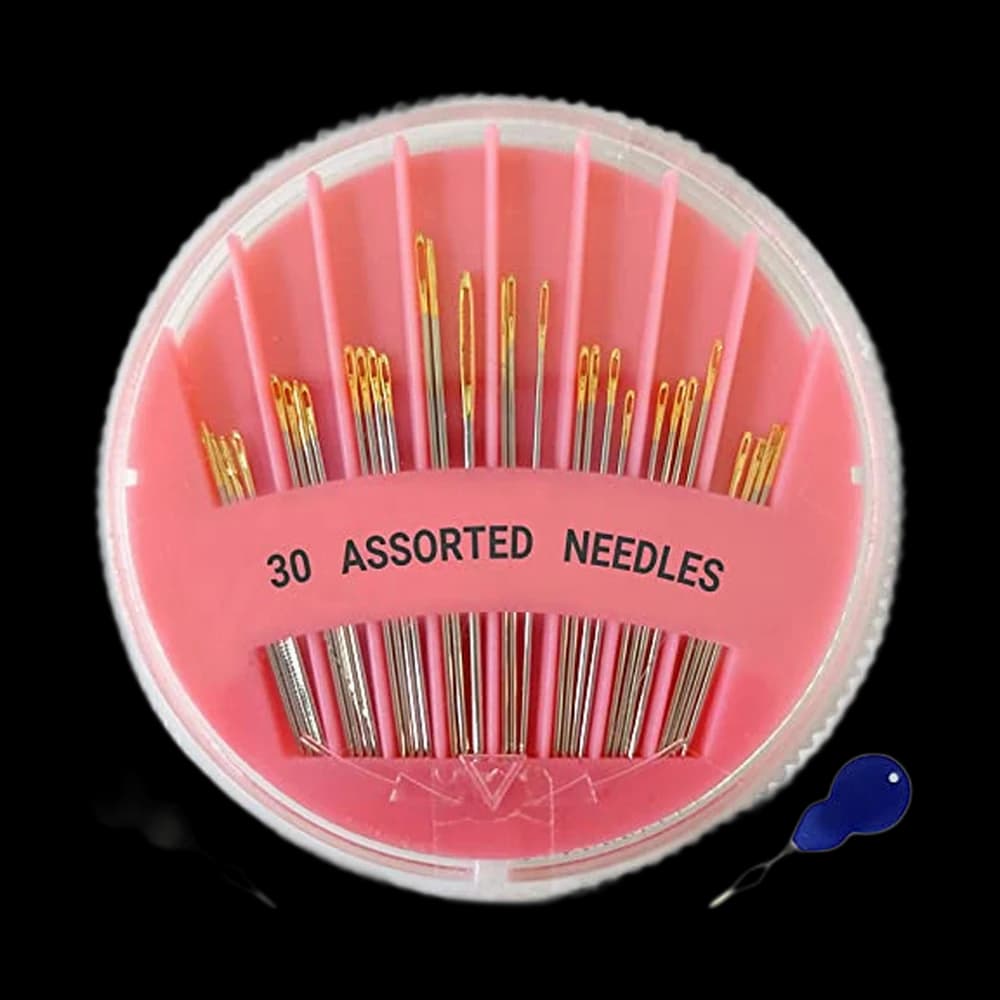
jekiinova 30 Pack Hand Sewing Needles$3.99 4.7 out of 5 stars · 2,011 ratings
The least expensive pick in this category, which makes it the low-risk way to find out…
Spend under $25 and buy it in one trip. A needle assortment, a couple of spools of all-purpose thread, a box of pins, and a seam ripper cover everything on this page. Use the scissors you already own for now — dedicated fabric shears are the first real purchase, and they only matter once you're cutting yardage rather than snipping thread.
- Hand-sewing needle assortment (sharps + embroidery)$4–6
A mixed pack of 20-30. Sharps for general sewing, a couple of larger eyes for anything thicker than thread.
Compare hand sewing needles - All-purpose polyester thread, 2-3 spools$5–8
Black, white, and one mid-grey covers most repairs. Grey hides on more colours than you'd expect.
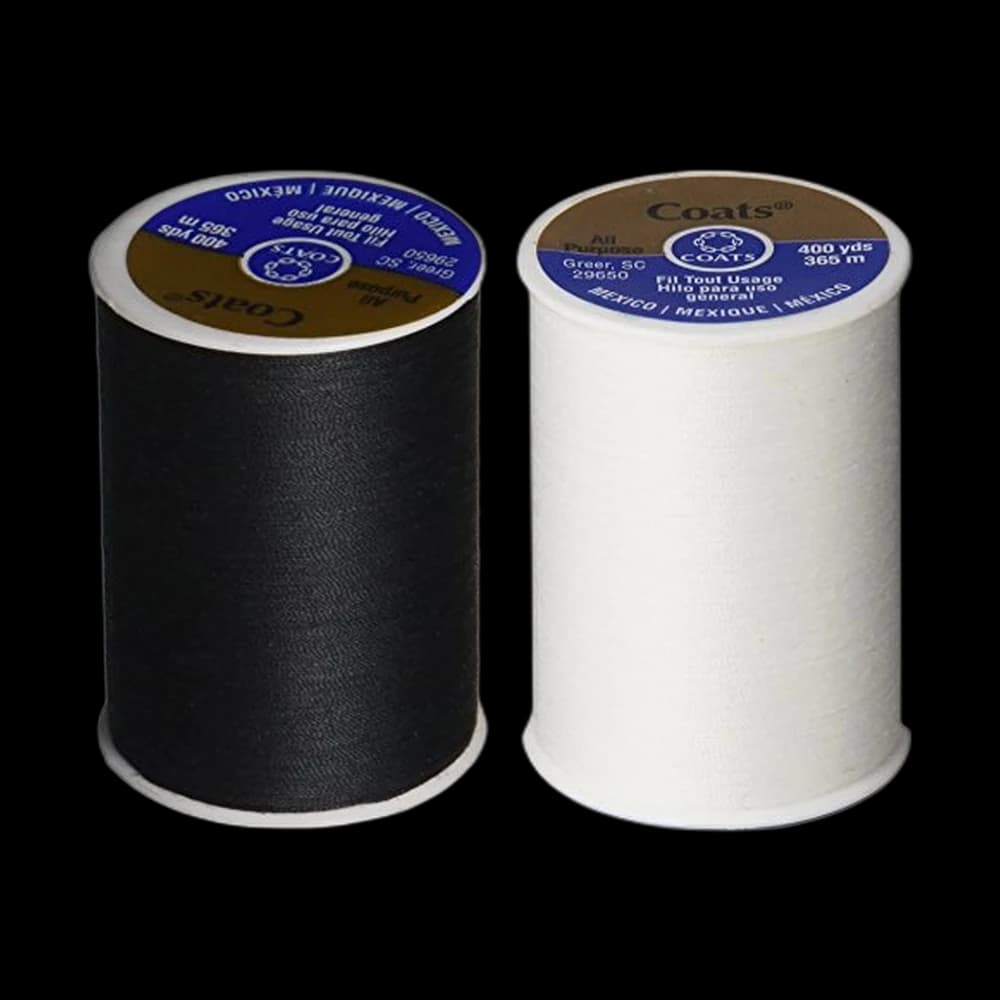 Our pick · Thread
Coats & Clark thread$8.50 4.7 out of 5 stars · 4,705 ratings
- Straight pins + a pincushion$3–6
Glass-head pins so a stray one survives an iron. The tomato pincushion is $3 and there is no reason to upgrade it.
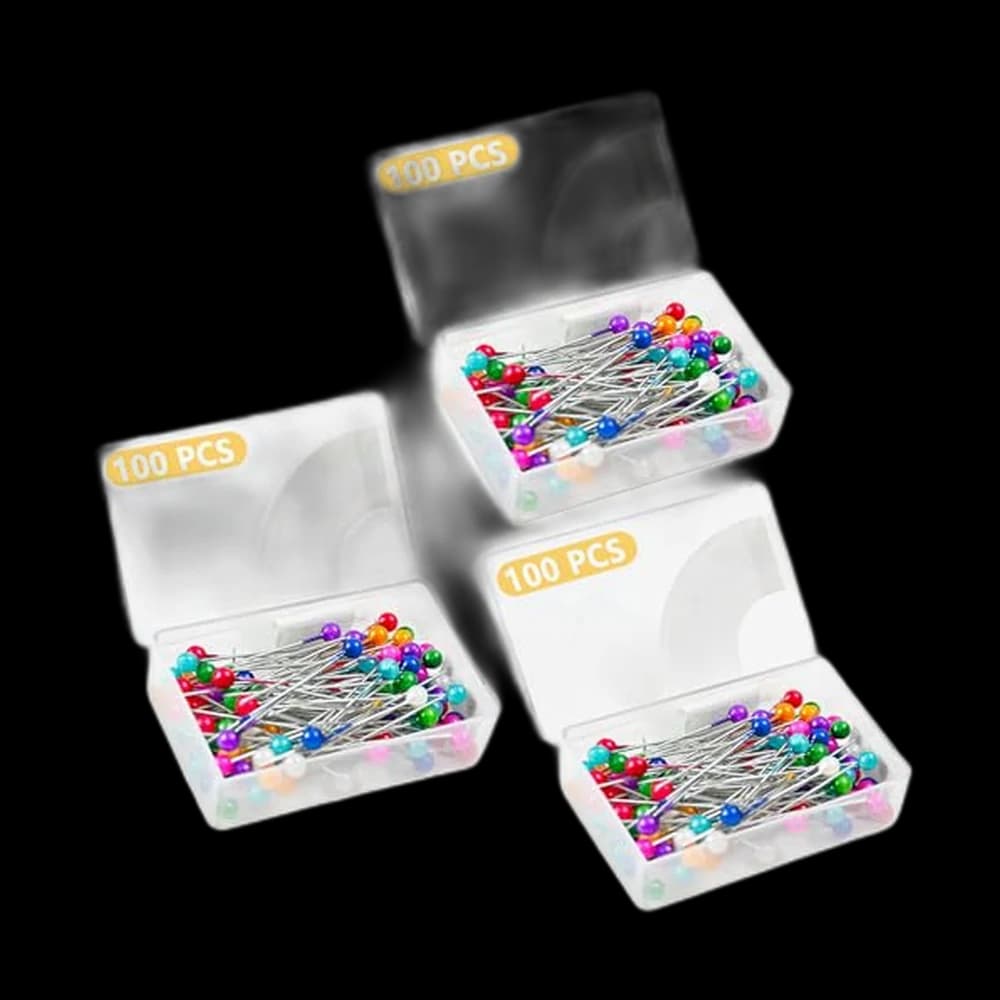 Our pick · Pins & Fabric Clips
DTDNZKN 300PCS Sewing Pins$3.99 4.6 out of 5 stars · 530 ratings
- Seam ripper$3–5
You will use this more than any other tool for the next year. Buy one with a cap so it doesn't stab you in a drawer.
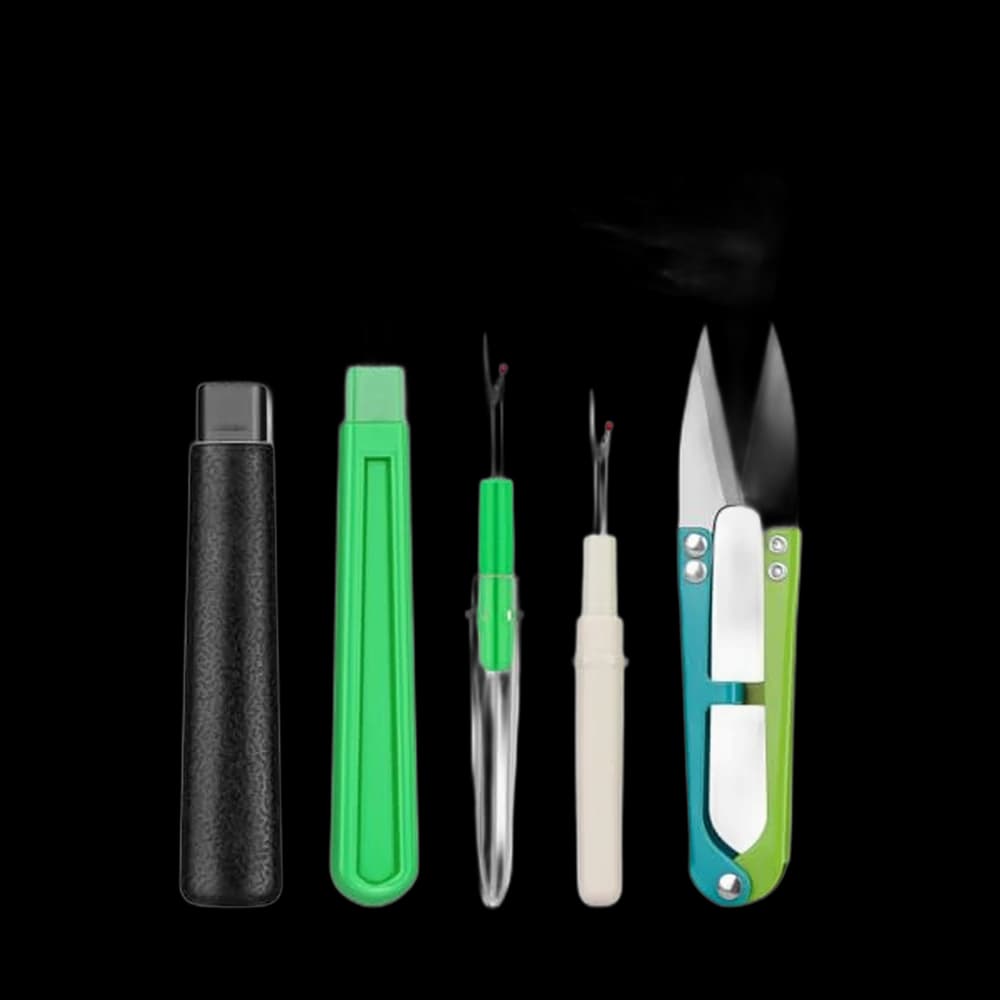 Our pick · Seam Rippers
ZMAAGG Seam Rippers, 2 Big and 2 Small$4.99 4.8 out of 5 stars · 250 ratings
- Small thread snips$6–12
Spring-loaded snips for cutting thread only — this is how you stop using your good scissors on paper.
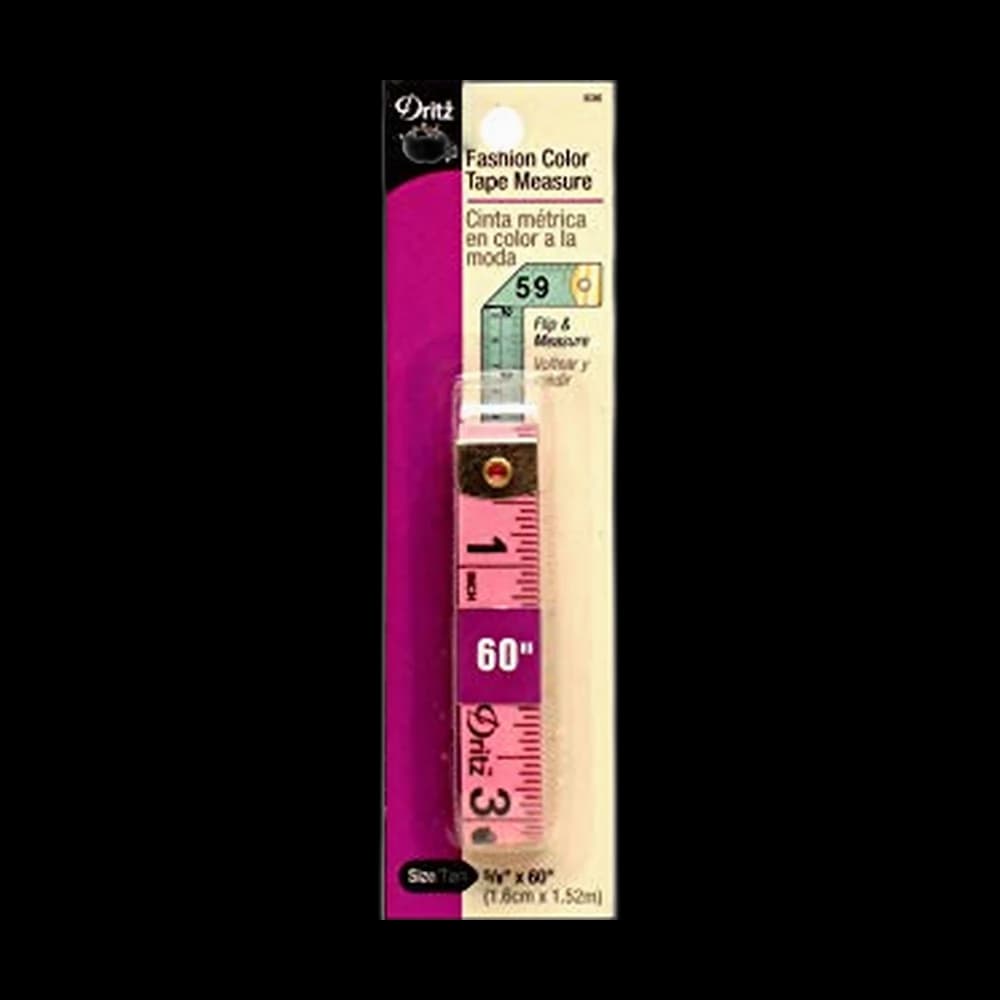
Compare fabric scissors - Flexible tape measure$3–7
Fabric tape, not a tool-shed retractable. You'll need it the moment anything has to fit a body.
 Our pick · Marking & Measuring
Dritz 836$4.69 4.4 out of 5 stars · 30 ratings
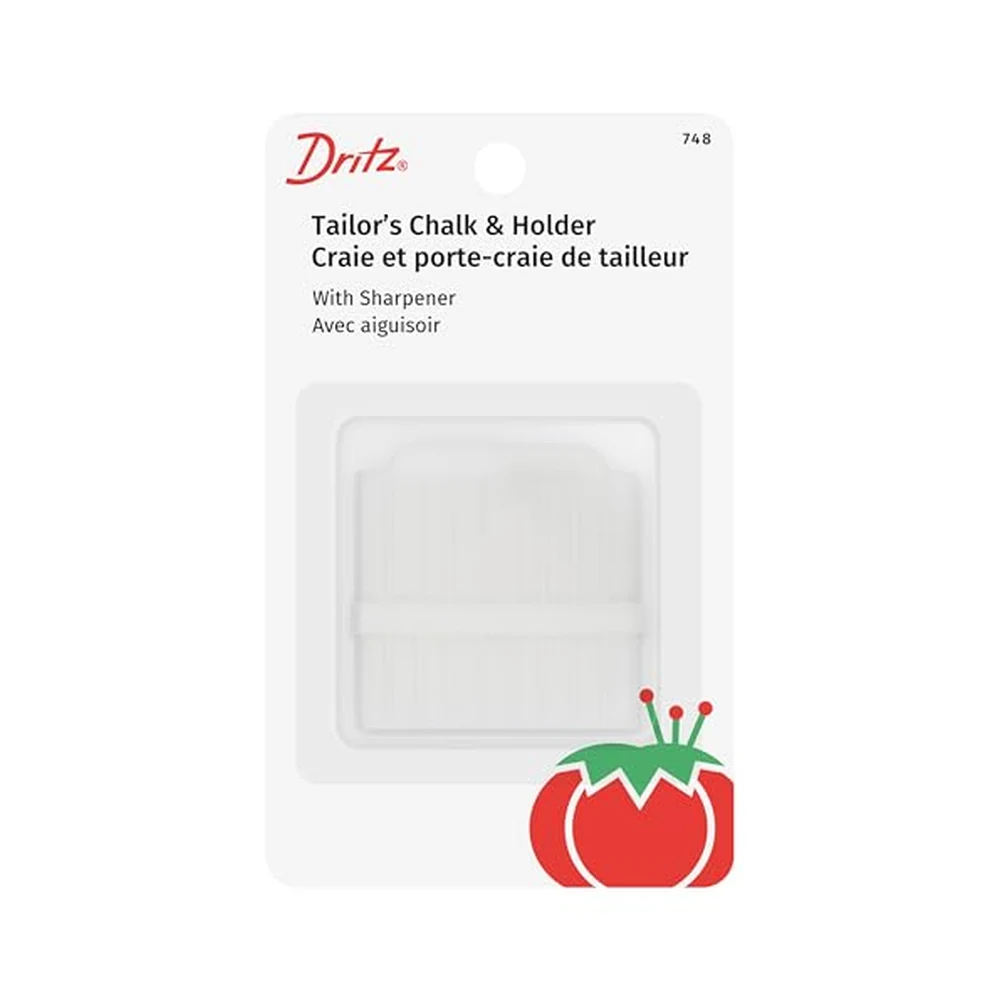
- Fabric marking pencil or chalk$4–8
Marks a hem line and brushes off. A sliver of dry soap from the shower works and costs nothing.
 Our pick · Marking & Measuring
Dritz 748 Tailor's Chalk and Holder$4.69 4.4 out of 5 stars · 325 ratings
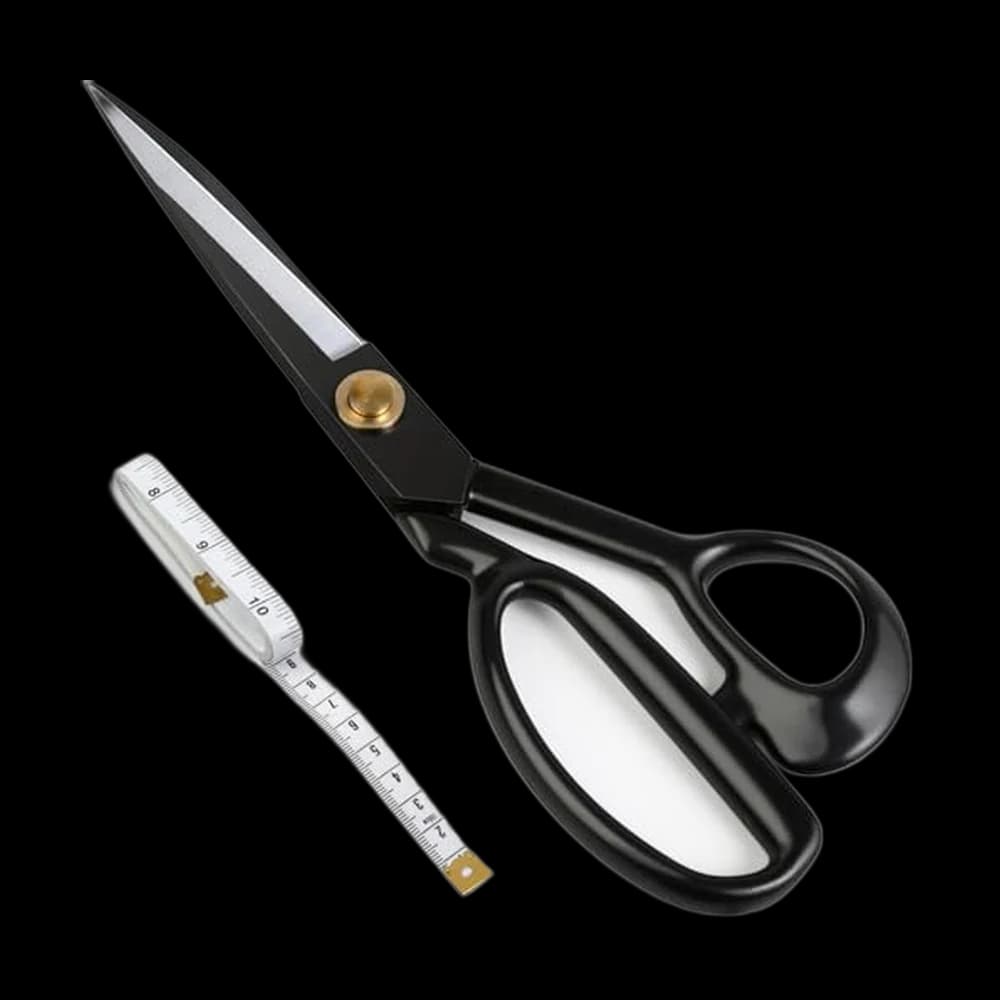
- Dedicated fabric shears (8 inch)$15–30
The first purchase worth protecting. Label them, hide them, and never let them near paper — paper is what dulls shears, not fabric.
 Our pick · Fabric Scissors
Proshear Professional Tailor Scissors$8.99 4.8 out of 5 stars · 4,040 ratings
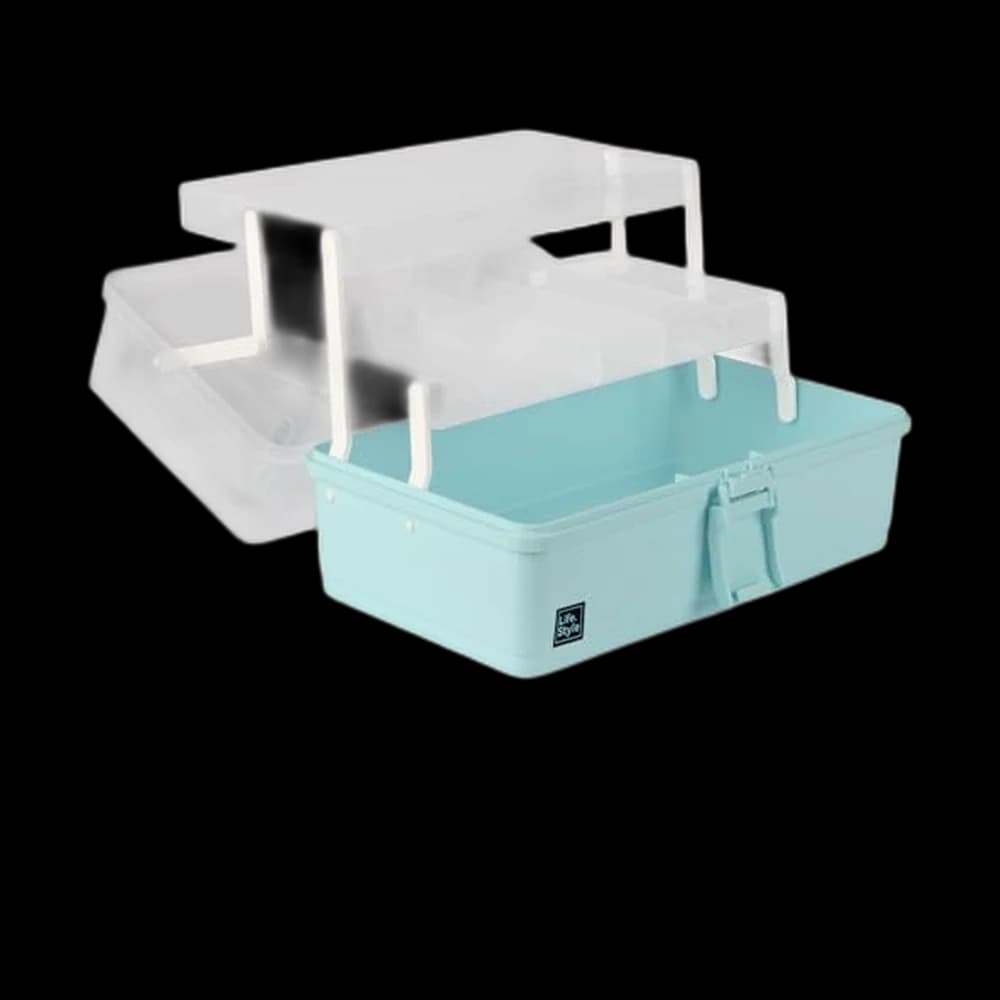
- A notions box or tin$10–25
One lidded container so the kit stays a kit. A biscuit tin is the traditional answer and it works.
 Our pick · Storage & Organizers
WEWLINE 13-Inch Sewing Storage Organizer Box$25.99 4.6 out of 5 stars · 1,151 ratings
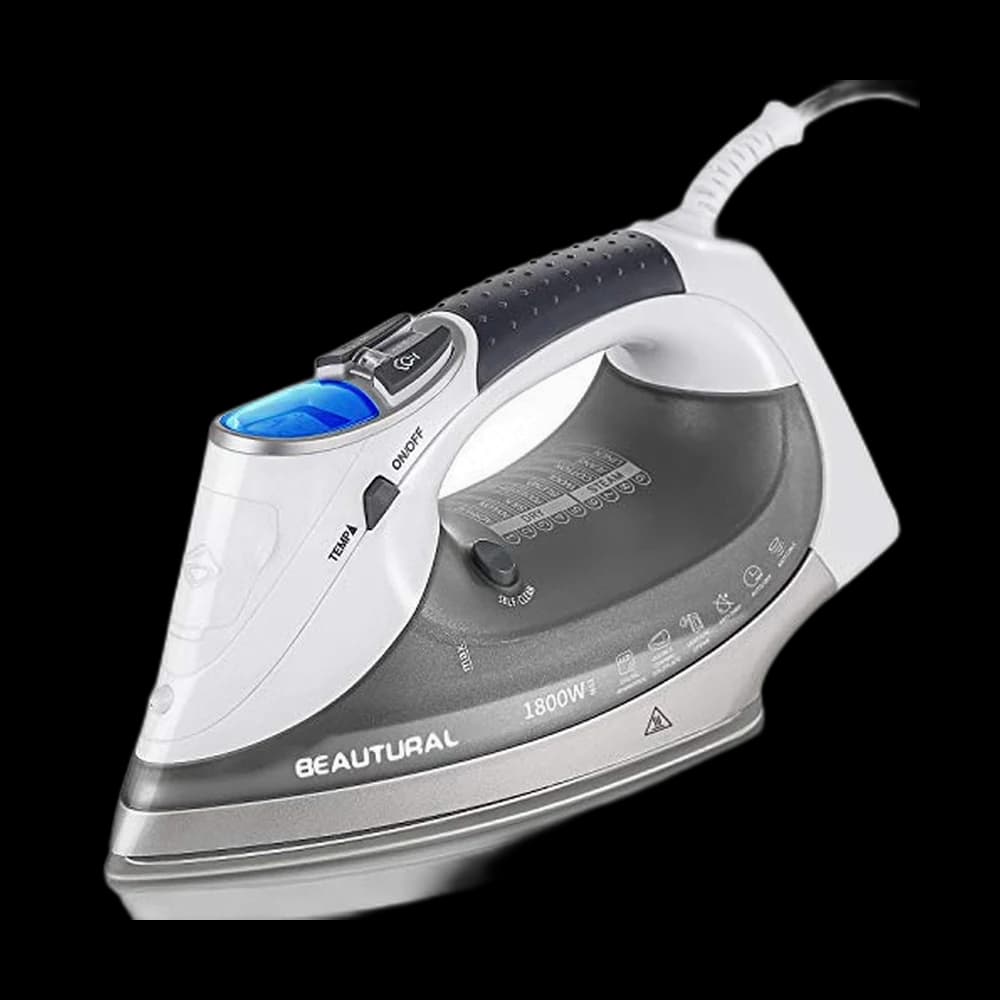
- A small iron, if you don't own one$25–45
Pressing a seam open is half of what makes sewing look finished. Any iron with a steam button will do at this level.
 Our pick · Irons
Beautural steam iron$41.99 4.5 out of 5 stars · 19,802 ratings
The range beside each item is a researched market band, written by hand; the price under “our pick” is that product's live catalog price. Every pick and score lives in the Gear section. Nothing on this site is recommended above $1,500, at any level.
When you get to Level 1
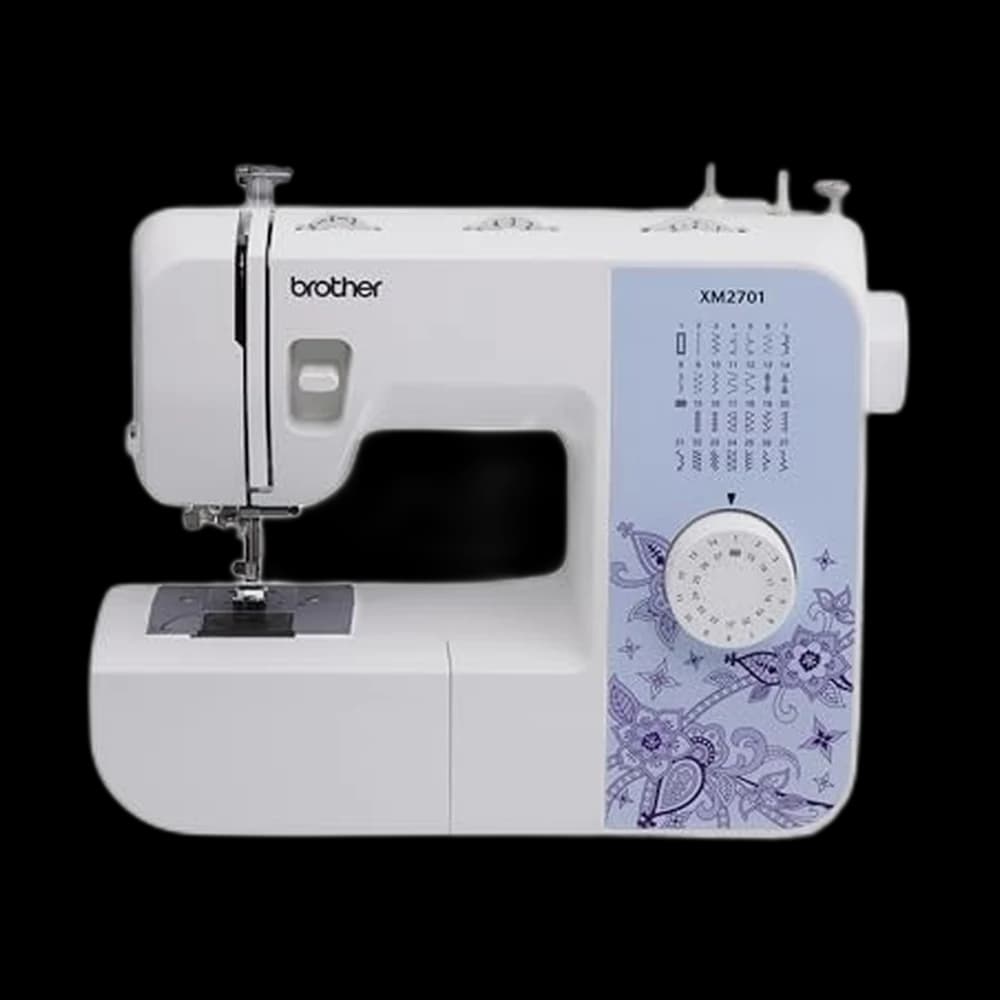
Level 0 needs no machine at all — a needle, thread and something to mend. Level 1 is where one comes in, and this is the one we'd buy: Brother XM2701 Lightweight Sewing Machine, $143.14.
You're at this level if…
- A button came off and the shirt has been in a pile since
- You've never touched a sewing machine and aren't sure you want to
- You sewed once in a school class and remember nothing
- You want to fix things rather than make things — for now
- You'd like to try this without buying anything you'd regret
Recognise two or three of these and you're in the right place. Not sure? Take the two-minute quiz.
Skills to build
What this level actually teaches your hands. Work down the list — each one is a thing you can practise on a scrap in ten minutes.
Thread a needle and knot the end
Cut the thread at an angle, wet the tip, and aim the thread at the eye rather than the eye at the thread. A quilter's knot — wrap the tail around the needle three times and pull it down — beats a lumpy overhand knot every time.
Sew on a four-hole button so it stays
Lay a toothpick across the button while you stitch, pull it out at the end, then wrap the slack thread into a shank underneath. That shank is why a tailor's button survives a coat and yours used to pop off.
Run a hem by hand with a stitch that hides
A slip stitch catches one or two threads of the outer fabric, so nothing shows on the right side. It's slower than a machine and, on a good wool trouser, genuinely better.
Know five stitches and what each is for
Running stitch joins fast. Backstitch is the strong one — it's the hand version of a machine seam. Whipstitch closes an edge. Slip stitch hides. Blanket stitch finishes felt without hemming.
Use a seam ripper without wrecking the fabric
Slide the pointed tip under one stitch, cut, skip three, cut again, then pull the loose thread out. Dragging the ripper along a seam is how a small unpicking job becomes a hole.
Finish something in one sitting
A felt keyring, a lavender sachet, a patch over a knee. Momentum matters more than technique at this level — the people who quit are the ones whose first project was a shirt.
Worth knowing
The background that makes the skills above make sense — and stops you buying the wrong thing.
Woven versus knit, in one sentence
Woven fabric (a cotton shirt, a tote) doesn't stretch and frays at the edge; knit fabric (a t-shirt) stretches and rolls. Almost everything confusing about sewing traces back to which one you're holding.
Right side, wrong side, seam allowance
The right side faces out. The seam allowance is the strip between your stitching and the raw edge — most patterns assume 5/8 inch, most quilting assumes 1/4 inch. Three terms and you can read a pattern's first page.
Polyester thread is the default, and that's fine
All-purpose polyester is strong, cheap, and works on nearly everything a beginner touches. Cotton thread is for quilting and for pressing at high heat. The bargain-bin variety pack that snaps mid-stitch is a false economy.
Mending is sewing
Visible mending — sashiko running stitch over a knee, a contrast patch on a jacket elbow — is a real craft with a following, not a failed repair. Some people stop here on purpose.
Guides for this level
Start with these, in order. The rest are optional branches — take the ones that match what you want to make.
Then explore — optional
Watch this level
Other people's tutorials, picked for exactly this stage and playable here. Seeing a technique once beats reading it three times.
Hand Sewing 101
Eight minutes, a needle and some thread, and you can already fix things — this is the whole Level 0 promise in one video.
▶ Professor Pincushion
How to Sew a Button - for Absolute BEGINNERS
The repair everyone means when they say they can't sew, slowed right down and shown up close.
▶ Treasurie
How to Sew a Blind Hem by Hand - EASY!
A fallen hem is the second thing life throws at you, and this stitch hides your work completely.
▶ Cutesy Crafts
Do these next
Three concrete moves for this level. Pick one — momentum beats planning at every stage of this craft.
- ReadHow to sew on a buttonThe ten-minute repair that teaches the whole grammar of hand sewing — flat, four-hole and shank
- Read6 basic hand stitchesRunning, backstitch, whip, ladder, blanket and basting — repair and make real things, no machine
- WatchWatch a hand stitch up closeBeginner videos we've picked, grouped by level
Frequently asked at Level 0
- Can you learn to sew without a sewing machine?
- Yes. Level 0 of The Pattern is entirely hand-sewn: sewing on a button, closing a seam, fixing a fallen hem and making a small felt object. Hand sewing teaches thread tension, seam allowance and finishing, which are the same ideas a machine automates. Plenty of people stop here and still save every shirt in the house.
- What should my very first sewing project be?
- A button, then a fallen hem. Both take under half an hour, both fix something you already own, and both teach a stitch you will use for the rest of your sewing life. The people who quit are almost always the ones whose first project was a garment; the ones who keep going finished something small in one sitting.
- How much does it cost to start sewing?
- Under about $25 for everything in the Level 0 kit: hand needles, a spool of all-purpose thread, small sharp scissors, pins and a seam ripper. No machine, no pattern and no fabric purchase are needed, because Level 0 works on clothes you already own and scraps you already have.
- Is sewing hard to learn as an adult?
- Hand sewing is not, and it is where SewingPath starts everyone. The genuinely hard step comes later, at Level 1, when a machine has to be threaded correctly for the first time — nothing about threading is intuitive. Sewing rewards finishing small things repeatedly far more than it rewards natural aptitude.