How to Bind a Quilt: Strips, Corners and a Neat Finish
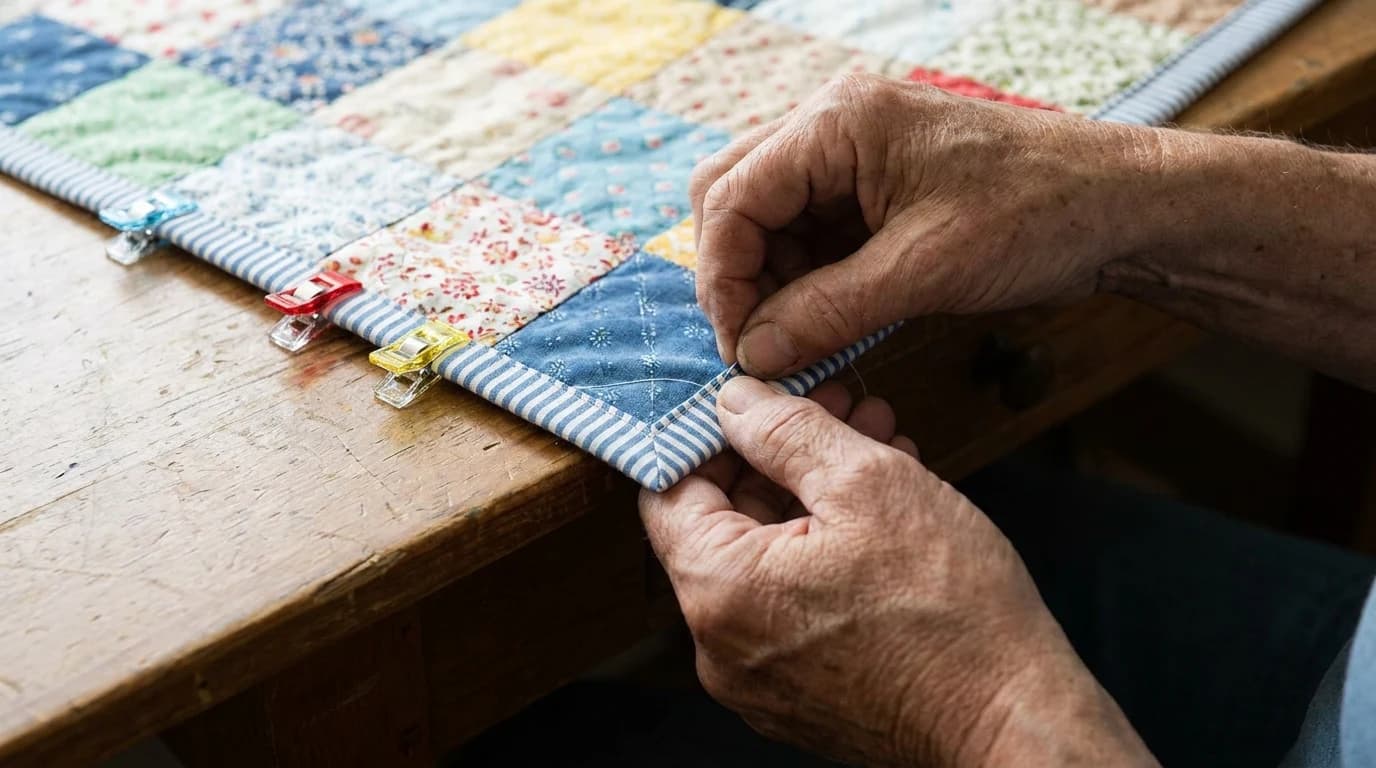
Learn to bind a rectangular quilt: calculate strips with diagonal join loss, sew mitered corners, join the tails, and choose a hand or machine finish.
SewingPath Editorial6 minOctober 11, 2026
How to thread the machine. Why the thread keeps nesting underneath. Which needle for which fabric. What a serger actually does. Short answers first, no assumed vocabulary, and no pretending we tested something we researched.
Looking for something to make instead? The project library is the outcome half of this site — guides teach a skill, projects produce an object.
Showing 21 guides tagged #beginner. Clear filters
Learn to bind a rectangular quilt: calculate strips with diagonal join loss, sew mitered corners, join the tails, and choose a hand or machine finish.
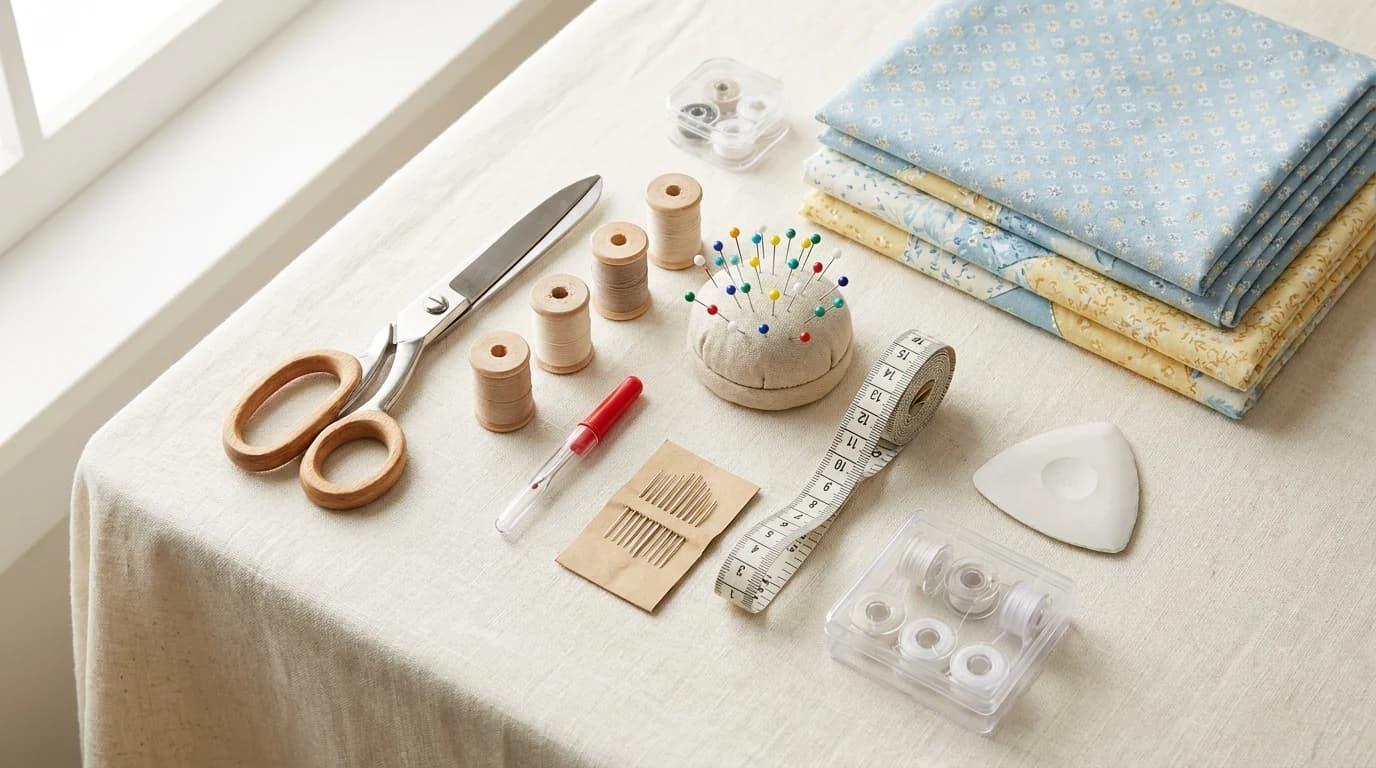
Every sewing supply a beginner needs, sorted into must-have, nice-to-have and later, across hand sewing, machine sewing, cutting, marking and pressing.
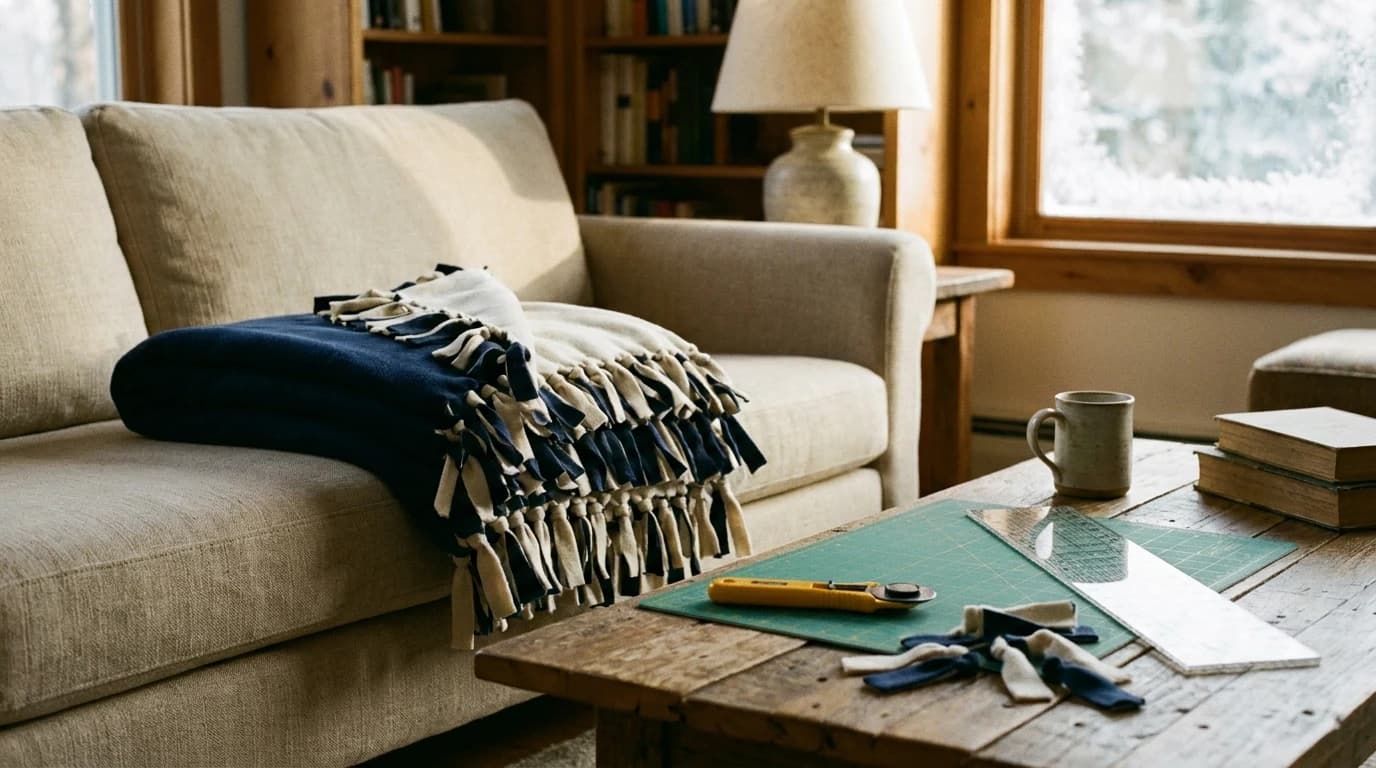
How much fleece to buy for a toddler, child, throw or adult-length tie blanket, the corner-square math behind it, and four ways to finish the fringe.
Draw your own boot-shaped stocking template in any size, then sew a lined stocking with a cuff and a hanging loop. No PDF download, no printer needed.
Fabric makers' own shrinkage figures by fiber, when to prewash and when to skip it, how to handle precuts and dye bleed, and a swatch test for your fabric.
How machine embroidery actually works: hooping, stabilizer, file formats, thread and needles, what a 4-inch hoop really limits, and what to make first.
Pinked, zigzag, turned and stitched, French and flat-felled: what each finish suits, the seam allowance it needs, and the mistake beginners make.
Sewing machine needle sizes explained: what 80/12 and 90/14 mean, a size chart by fabric, why a 9 is finer than a 14, and how to read the colour bands.
How to choose your first sewing pattern: formats, what beginner really means, sizing versus ready-to-wear, ease, PDF or paper, and legit free patterns.
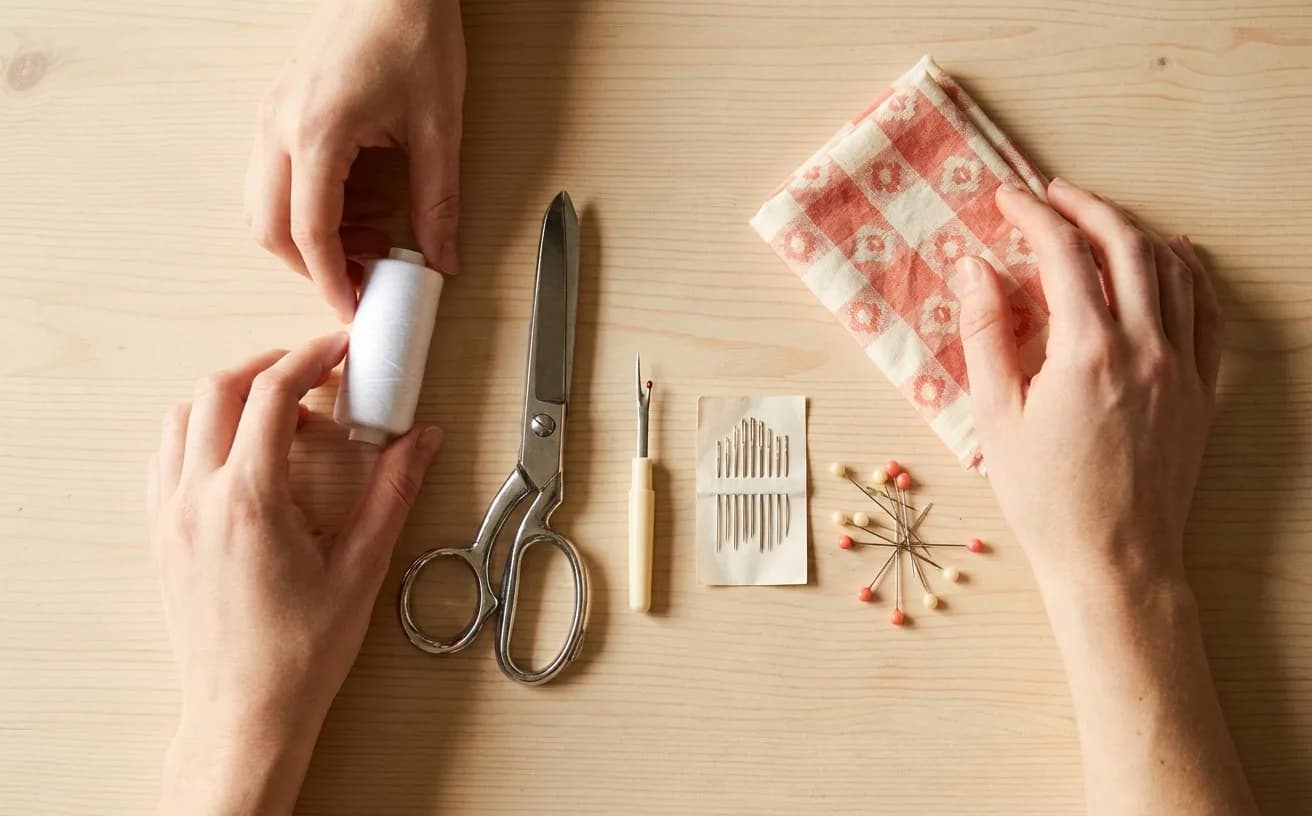
The five supplies to buy when you own nothing: thread, fabric scissors, a seam ripper, hand needles and pins, plus how to give the kit as a gift.
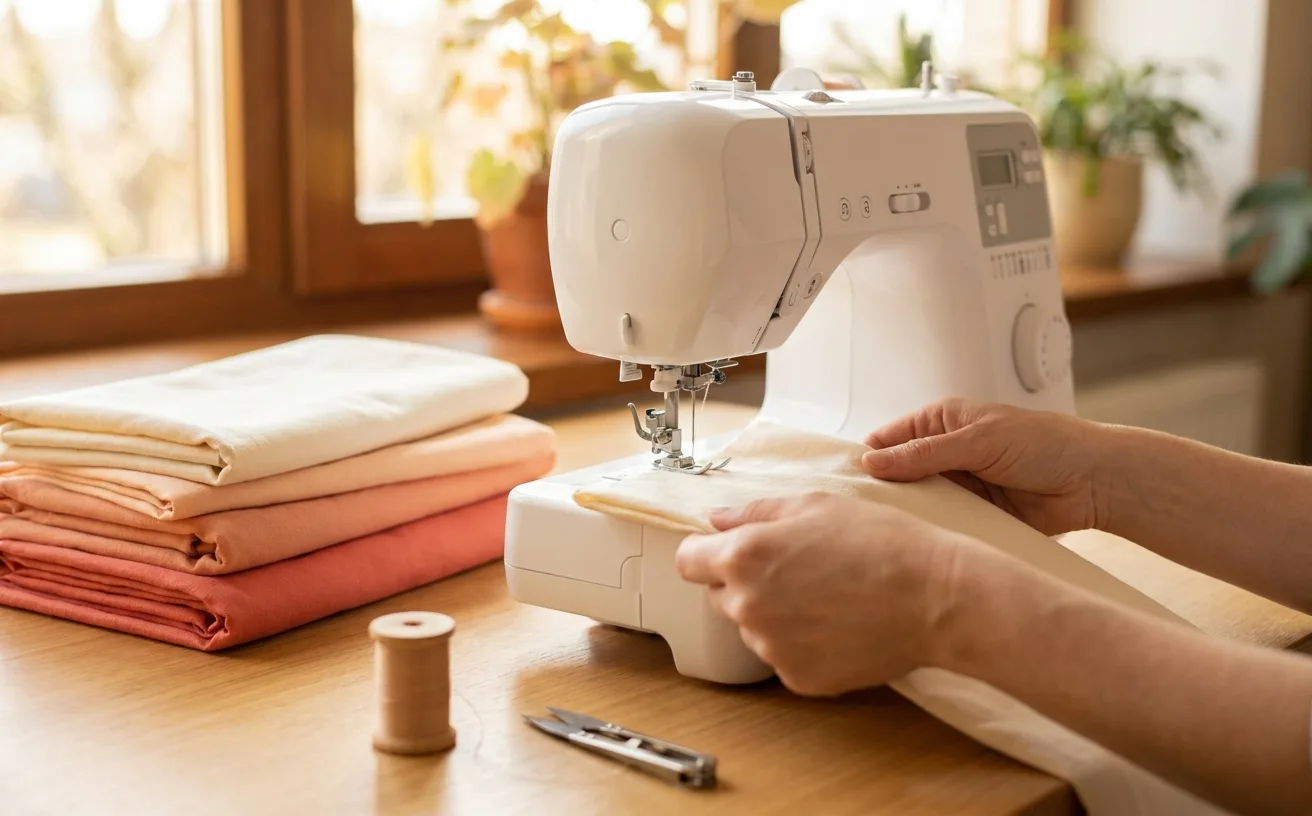
Winding a bobbin evenly, seating it in drop-in and front-load machines, and why a soft bobbin leaves a nest of thread under your fabric.
What sewing machine tension actually is, a symptom table for reading your test seam, and the seven checks to run in order before you ever touch the dial.
A serger trims, sews and overlocks in one pass — but it cannot do zippers, buttonholes or topstitching. Why it is a second machine, not a first.
Four beginner embroidery machines researched from listings, specs and measured owner feedback, plus the honest answer on 4x4 versus 5x7 hoops and why stabilizer comes first.
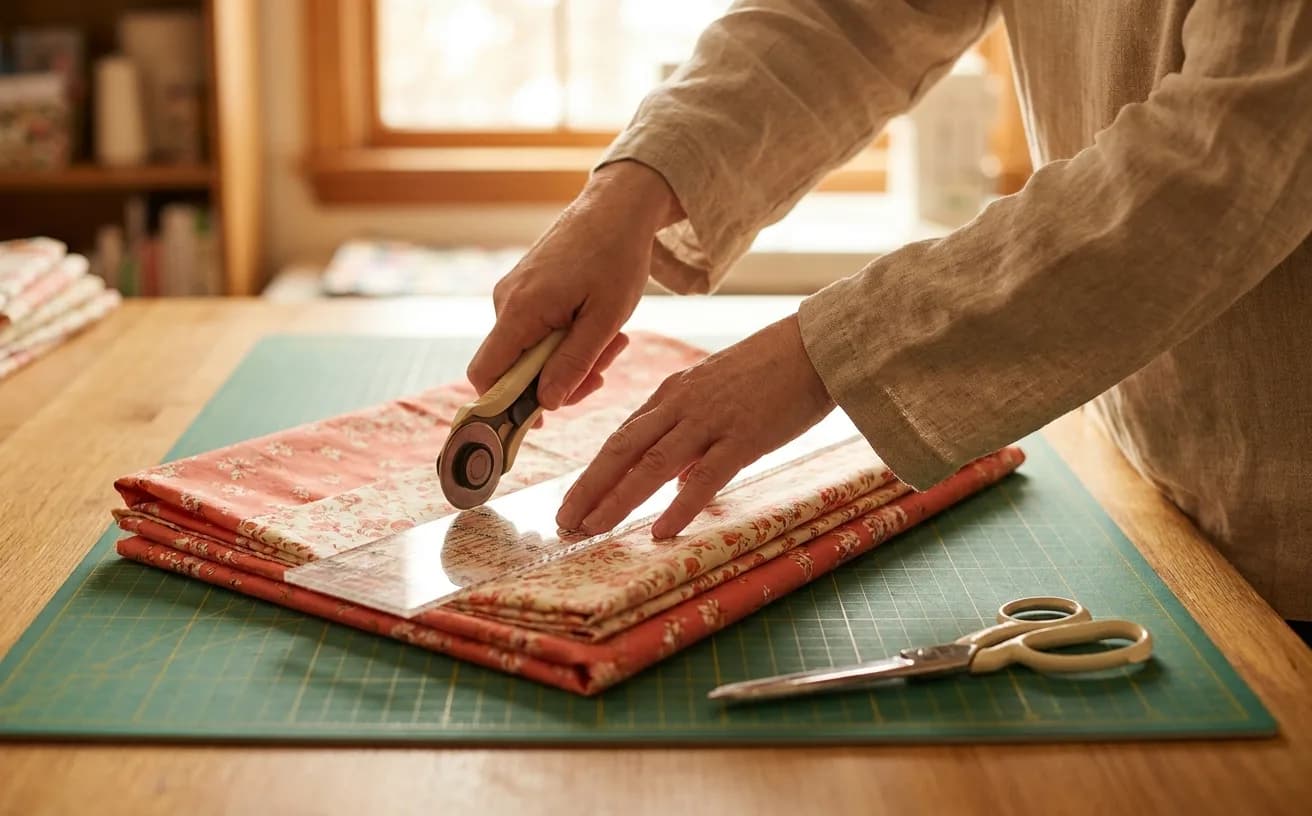
Scissors cut curves and need nothing. A rotary cutter cuts long straight lines and needs a mat and a ruler. Which to buy first, and when to add the trio.
Decode a sewing pattern envelope, instruction sheet and tissue symbols — grainline, notches, darts and seam allowance — right through to your first cut.
The full run of beginner sewing projects in order, from a hand-sewn button to a lined jacket, with what each one teaches and how long it honestly takes.
Five beginner sewing machines under $250, researched from listings, specs and measured owner feedback — and what actually matters on a first machine.
The upper thread path, winding and inserting a bobbin, and the five mistakes behind almost every nest of thread under your fabric.
Sewing a button back on with a needle, thread and scissors — flat and shank buttons, the doubled-thread rule, and the thread shank coats need.
The six hand stitches that cover almost every repair and first project: running, back, whip, slip, blanket and basting — plus the mistake each one hides.