The Maker
The path forks here: clothes that fit, or quilts that lie flat.
Level 3 is where you learn to sew clothes that fit or quilts that lie flat: muslins and fit adjustments on the garment track, a consistent quarter-inch seam and a walking foot on the quilt track. Pick one track or run both.
Learn to sew clothes: the free course →The free quilting course →
What you need for Level 3 (today's prices): $8 for walking feet, plus everything from Levels 1 and 2, quarter-inch piecing foot ($10–25) and muslin or cheap calico by the yard ($4–8/yard). See the picks
Level 3 is where sewing splits into two crafts that share a machine. The garment track is about fit — muslins, adjustments, and the finishes that make a seam look industrial. The quilt track is about precision and scale — a quarter-inch seam held over hundreds of pieces, and three layers moving through the machine as one. Pick a track, or run both. The gear here tops out around $900 and much of it is optional.
Gear at this level: Serger or wide throat
Start here — Level 3
A Wrap Skirt With Real Fit
A garment that fits because you measured, not because you got lucky.
- Time
- A weekend
- You need
- Drapey woven fabric, a measuring tape, marking tool and thread.
The gear that matters here
Researched from listings, specs and owner feedback — never hands-on testing. We may earn a commission on a purchase; it never changes a pick or a rank.
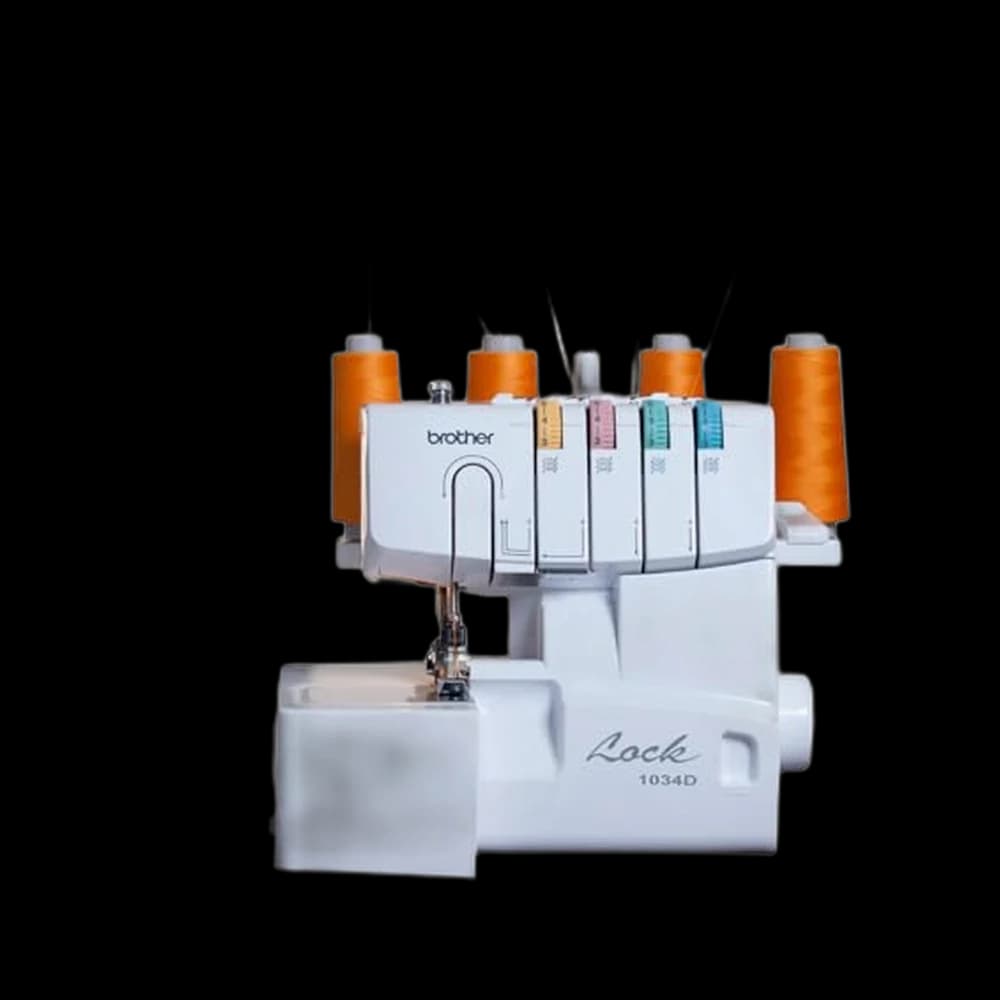
Brother 1034D Serger Overlock Sewing Machine$319.99 4.2 out of 5 stars · 12,166 ratings
A first serger you can actually thread — colour-coded upper guide and lower looper threading,…
Two tracks, one budget. Garment sewers get the most from a serger and something to fit clothes on; quilters get the most from throat space, a walking foot, and a bigger cutting setup. Nobody needs both lists. Everything on this level is an addition to your Level 1 machine, not a replacement — a $200 machine that sews a good straight seam is still sewing a good straight seam at Level 3.
- Everything from Levels 1 and 2—
Your machine, your rotary setup and your iron remain the core kit. Nothing below replaces them.
- Walking foot for your machine$20–45
Feeds top and bottom layers evenly. Essential for quilting, transformative on knits, vinyl and plaids that need matching.
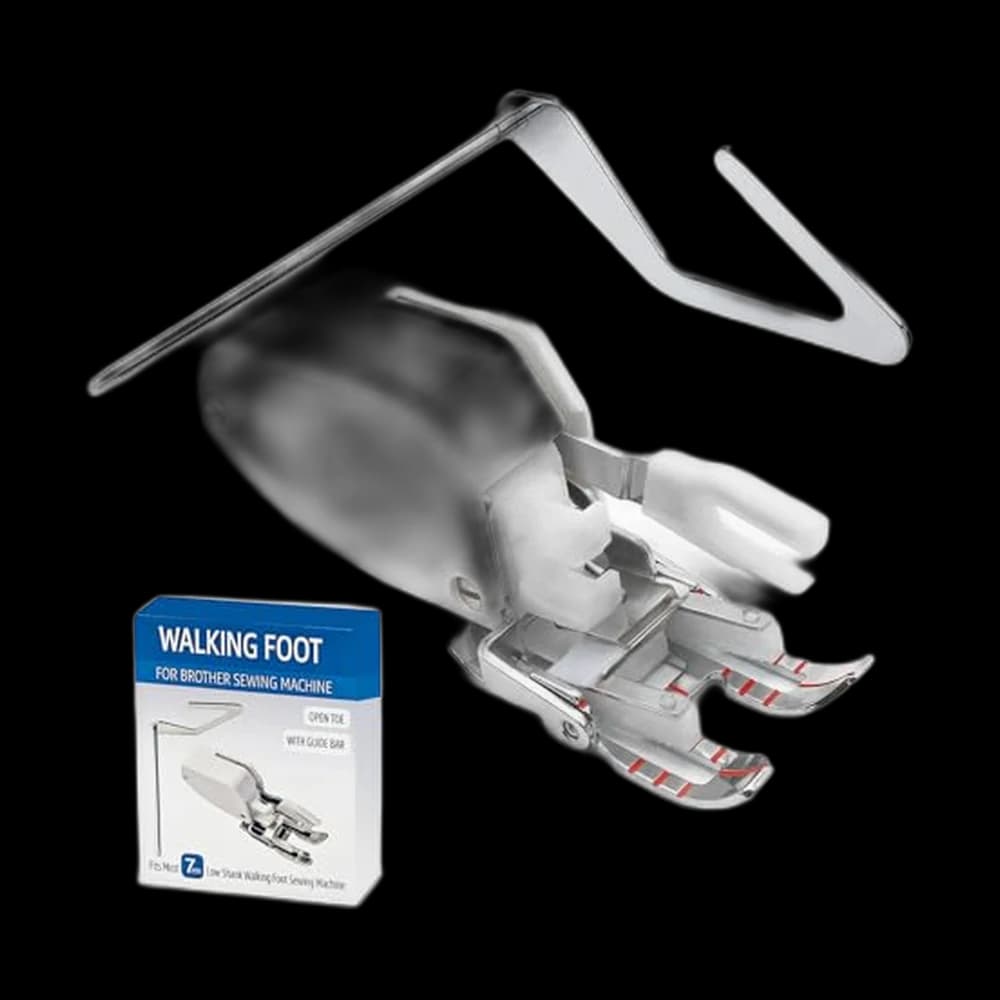 Our pick · Walking Feet
Fyroxx Open Toe Walking Foot$8.49 4.4 out of 5 stars · 96 ratings
- Quarter-inch piecing foot$10–25
Quilt track. The cheapest accuracy upgrade in the craft — buy the one made for your machine's shank.
Compare presser feet - Muslin or cheap calico by the yard$4–8/yard
Garment track. Buy more than feels reasonable. A muslin you didn't make is the reason a garment doesn't fit.
- Garment track — first serger (Brother 1034D class)$250–330
3/4-thread, colour-coded threading, differential feed. The standard first serger for a reason; threading it the first time takes an afternoon and then never again.
Compare sergers - Garment track — adjustable dress form$130–280
Set to your measurements, then pad out where you differ from it. Useful for hemming and draping; not a substitute for a muslin.
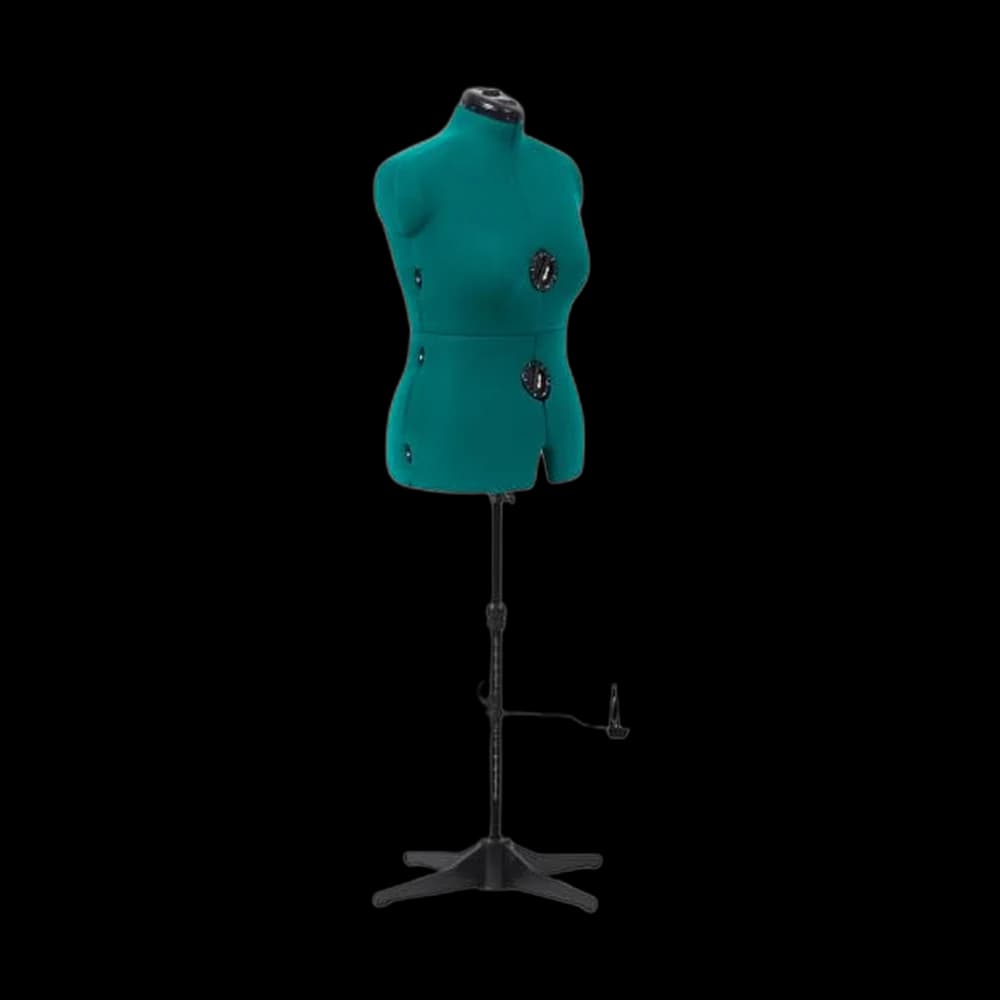 Our pick · Dress Forms
Dritz Sew You Adjustable Dress Form$129.99 4.5 out of 5 stars · 7,922 ratings
- Quilt track — wide-throat sewing machine$350–650
More space to the right of the needle so a rolled quilt fits through. A home machine on a table, not a long-arm on a frame.
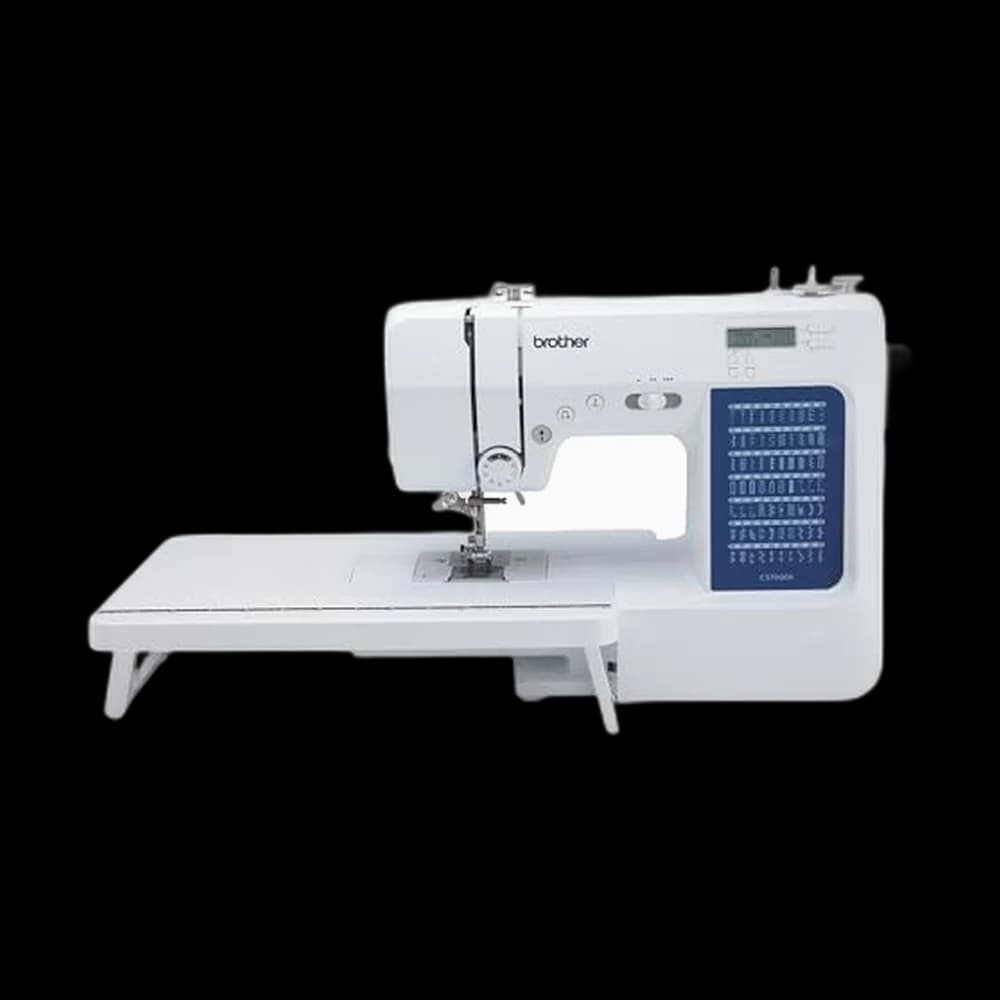 Our pick · Quilting Machines
Brother CS7000X Sewing and Quilting Machine$249.99 4.6 out of 5 stars · 3,626 ratings
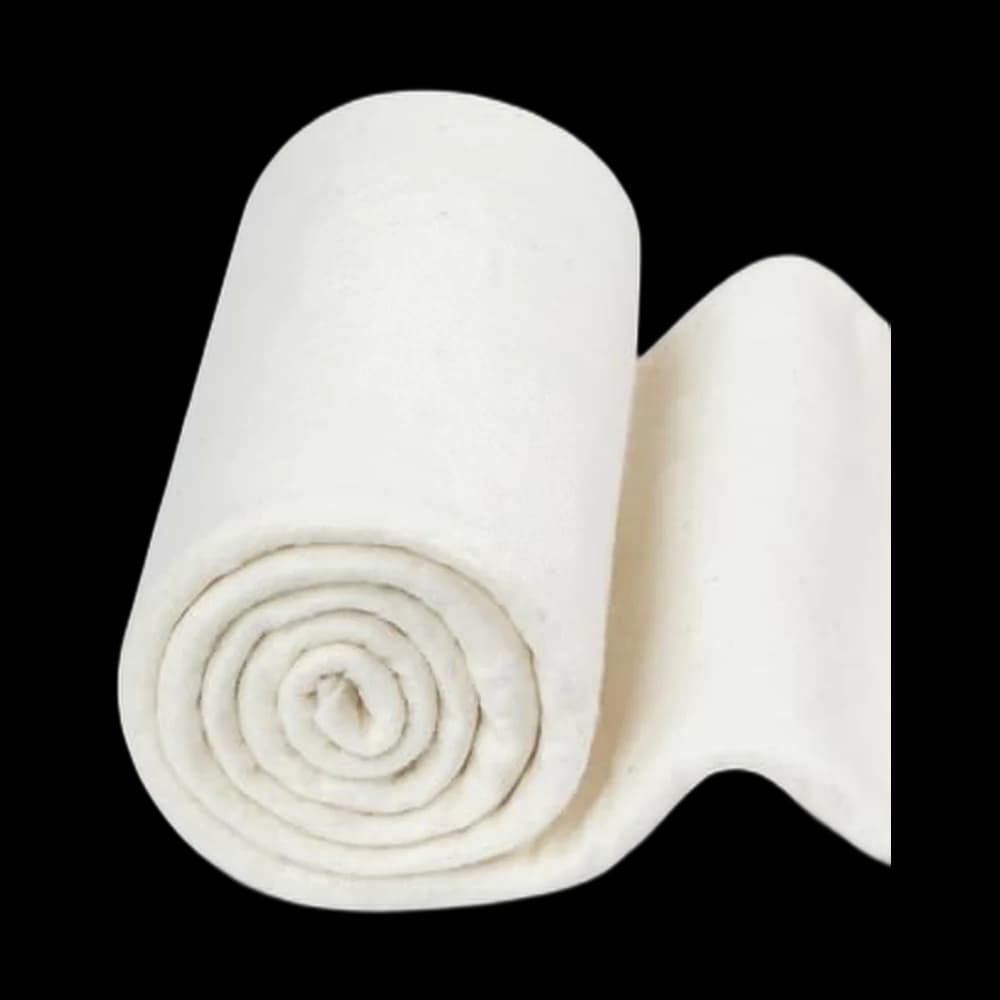
- Quilt track — batting by the roll or packaged$15–45
Match the loft to the look you want and check the maximum quilting distance on the packet before you plan a design.
 Our pick · Quilt Batting
FIVEIZERO 100% Natural Cotton Quilt Batting$9.99 4.7 out of 5 stars · 502 ratings
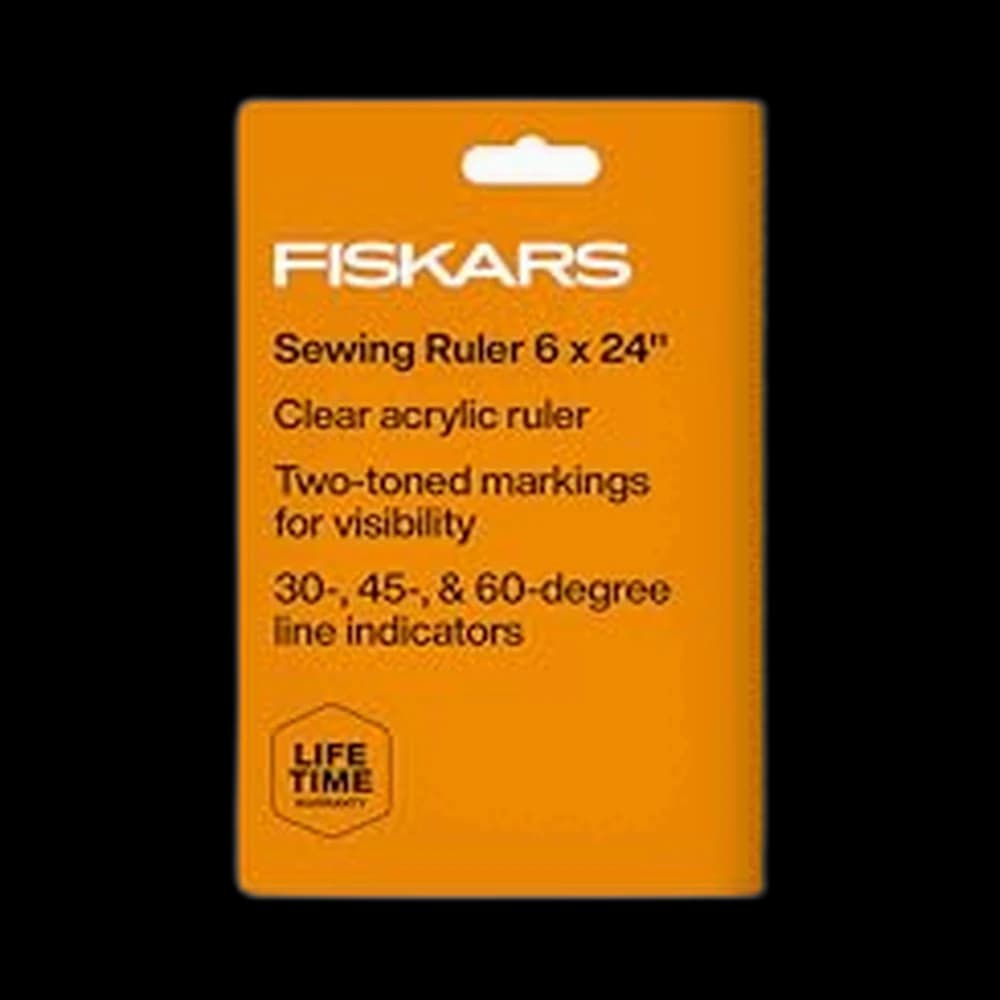
- Quilt track — long rulers and a square$20–45
A 6x24 for cutting strips and a 12.5 inch square for trimming blocks. Squaring up is what makes a quilt top lie flat.
 Our pick · Quilting Rulers
Fiskars 6" x 24" Sewing & Quilting Ruler$21.49 4.8 out of 5 stars · 3,291 ratings
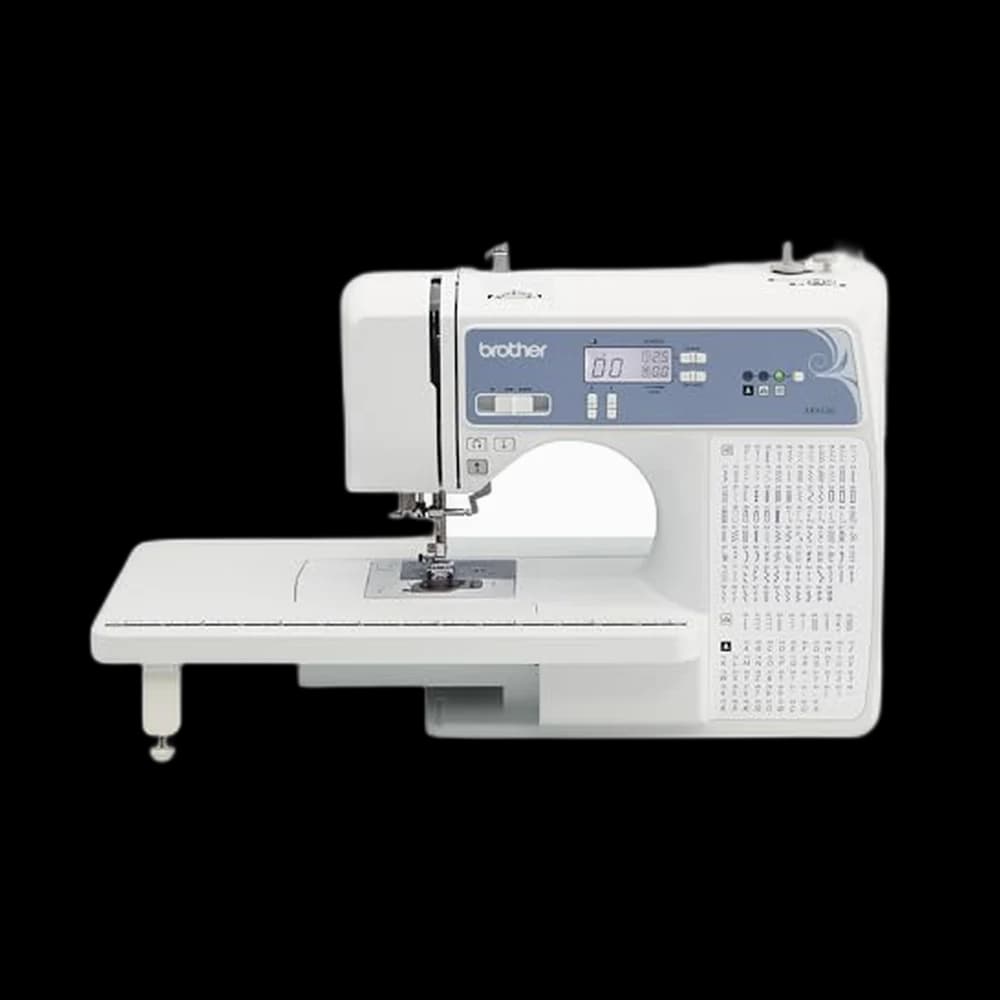
- Machine upgrade, if yours actually limits you$250–500
Only if you're hitting real limits: no needle-down, no free-arm, struggling through denim. Our top sewing-machine pick stays at or under $500 on purpose.
 Our pick · Sewing Machines
Brother XR9550 Sewing and Quilting Machine$269.99 4.6 out of 5 stars · 4,741 ratings
- Heavy-duty machine, if thick fabric is the wall you keep hitting$180–400
The second machine, never the first one: a stronger motor and a metal frame for jeans hems, canvas totes and seams four layers deep. Buy it because a specific fabric keeps stalling the machine you own, not because it sounds sturdier.
 Our pick · Heavy-Duty Sewing Machines
SINGER 4432 Heavy Duty Sewing Machine$239 4.4 out of 5 stars · 11,902 ratings
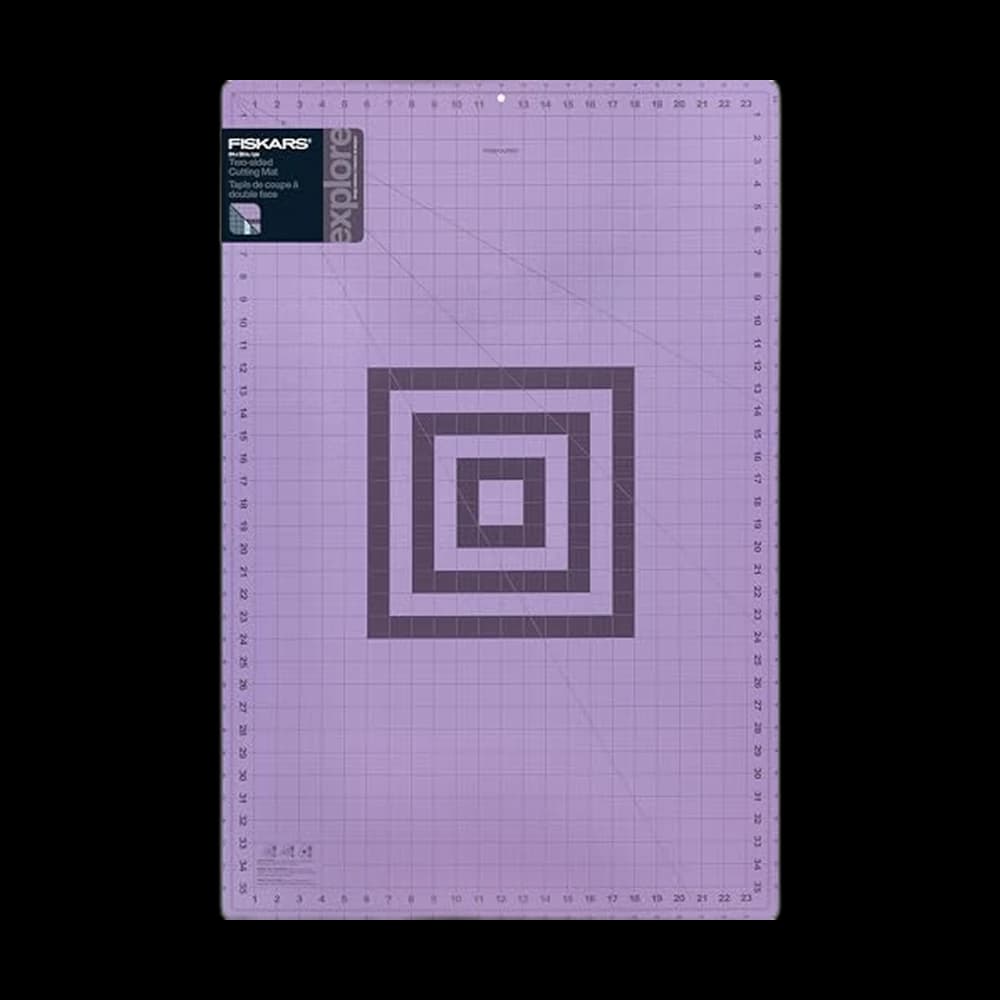
- Large self-healing cutting mat, 24x36 inch$50–110
Quilt track especially. Cutting full-width fabric without repositioning removes a whole class of error.
 Our pick · Cutting Mats
Fiskars 24" x 36" Self Healing Cutting Mat$49.98 4.7 out of 5 stars · 20,378 ratings
- Sewing table with a flush machine insert$120–320
Dropping the machine so the bed sits level with the table surface makes big projects far easier to control. Also fixes wrist strain.
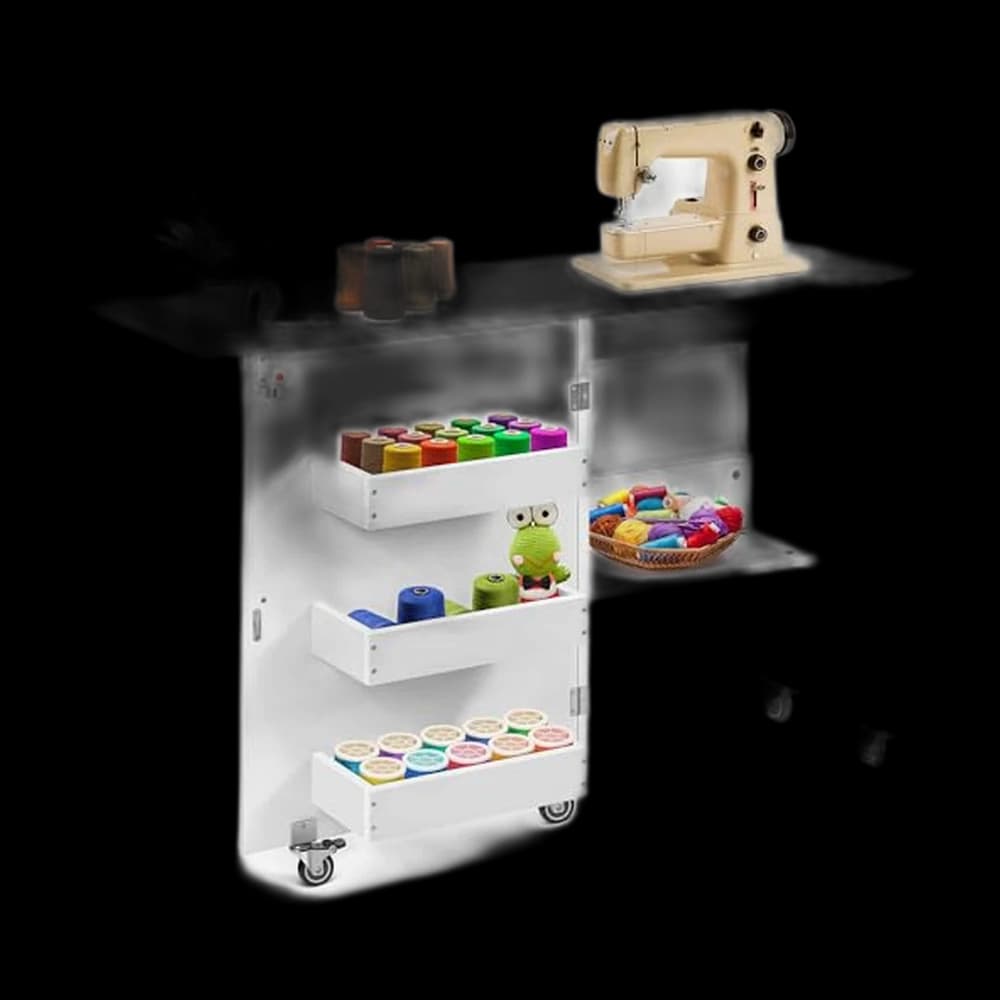 Our pick · Sewing Tables
VIVOHOME Folding Sewing Table$89.99 4.4 out of 5 stars · 479 ratings
- Thread stand for cones$15–35
Serger cones on a regular machine, or a big cone feeding a machine that has no space for one. Cheap and quietly useful.
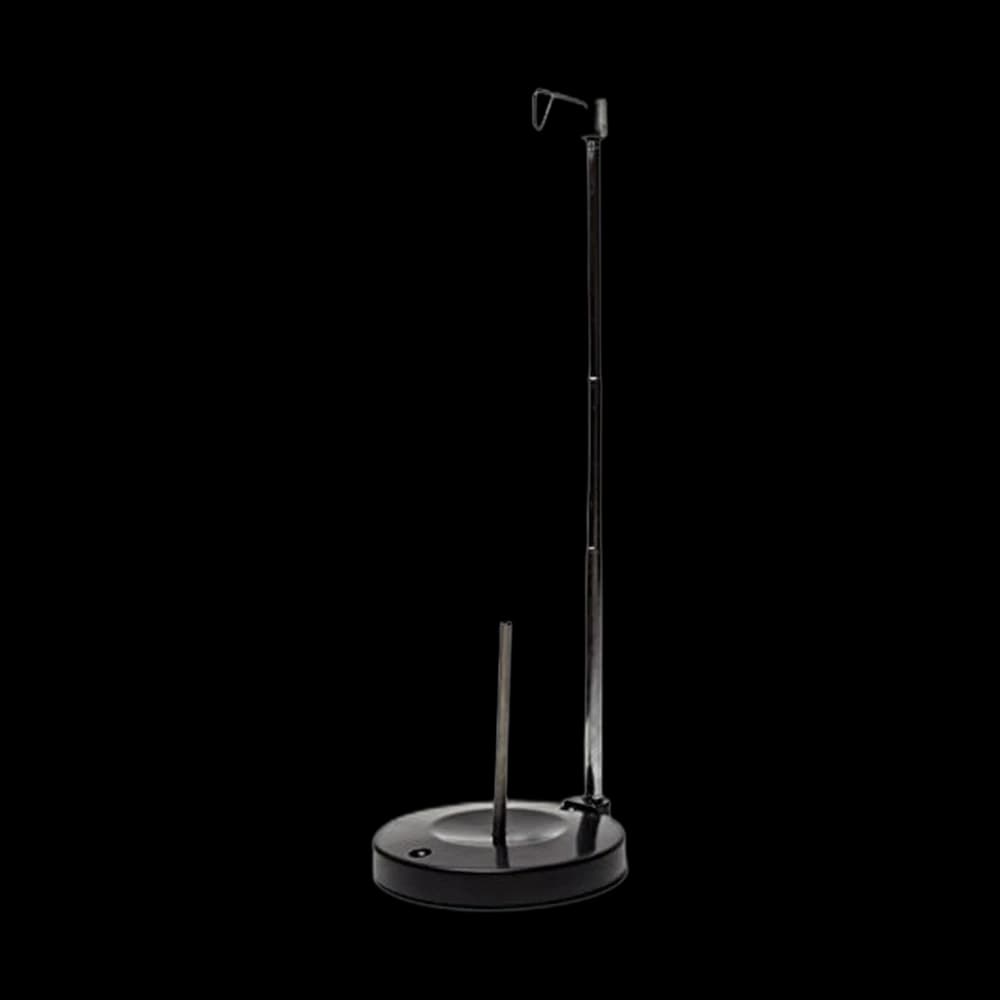 Our pick · Thread Stands
Embroidex Adjustable Single Thread Spool Holder$7.99 4.8 out of 5 stars · 5,207 ratings
- Fabric and project storage$25–70
Clear bins, a hanging rack, or a bookshelf with a curtain. A stash you can see is a stash you'll sew.
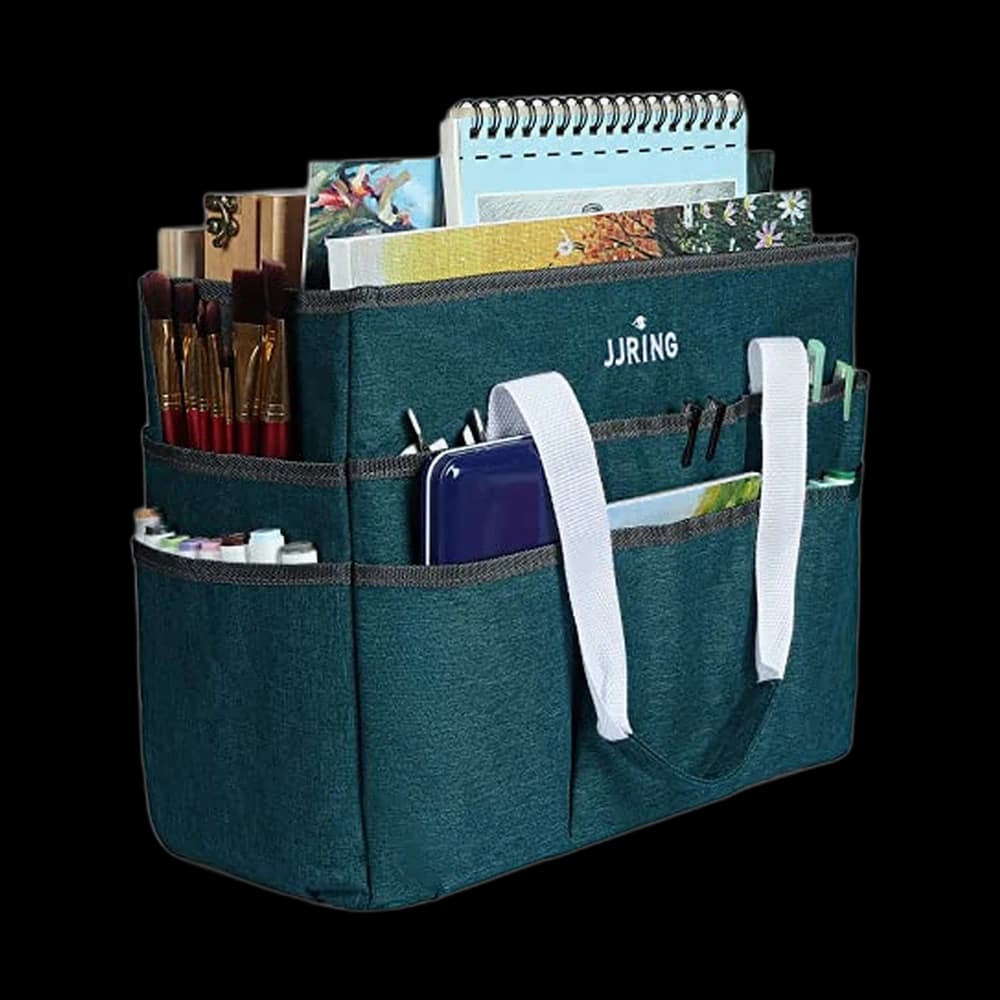 Our pick · Storage & Organizers
JJRING Craft Organizer Tote Bag$29.99 4.9 out of 5 stars · 1,876 ratings
The range beside each item is a researched market band, written by hand; the price under “our pick” is that product's live catalog price. Every pick and score lives in the Gear section. Nothing on this site is recommended above $1,500, at any level.
You're at this level if…
- You've finished garments or a quilt top and the results are good but not consistent
- Fit is your frustration: it's sewn well and still doesn't sit right
- Your quilt blocks don't quite square up and you suspect the seam allowance
- Raw edges inside your garments bother you now in a way they didn't before
- You're choosing fabric for its drape and hand, not just its print
- You've started reading pattern instructions and thinking 'I'd do that differently'
Recognise two or three of these and you're in the right place. Not sure? Take the two-minute quiz.
Skills to build
What this level actually teaches your hands. Work down the list — each one is a thing you can practise on a scrap in ten minutes.
Make a muslin and read what it tells you
Sew the bodice or trouser in cheap fabric first, then look for the horizontal drag lines. Lines point at the problem: they radiate from where the garment is too tight. This is the single highest-return skill on the garment track.
The four adjustments that fix most fit
Full or small bust adjustment, shoulder width, length above the waist, and a back adjustment for posture. Learn them in that order — they solve far more than grading between sizes ever will.
Hold a scant quarter-inch seam
Quilt piecing lives or dies on this. A quarter-inch foot or a needle-position adjustment plus a taped guide, tested by piecing three 1.5 inch strips and measuring the result. Two threads of error, multiplied across a block, is a crooked quilt.
Quilt three layers without puckers
Baste well (pins, spray, or thread), start from the centre out, and use a walking foot so top and bottom feed at the same rate. Free-motion quilting comes after — with the feed dogs down and your hands doing the steering.
Finish seams like a factory
French seams on sheers, flat-felled on shirts and jeans, bias-bound on unlined jackets, overlocked on everything else. A serger does the fourth one fastest; the first three are technique your existing machine already does.
Sew knits reliably
Ballpoint needle, a narrow zigzag or stretch stitch, walking foot for slippery jersey, and a twin needle for hems. A serger makes knits fast — but a regular machine sews them properly and always did.
Press with the right tool for the shape
A tailor's ham for curved seams, a sleeve roll for sleeves, a clapper to set a crease flat. Pressing a three-dimensional seam over a flat board is how set-in sleeves end up creased.
Worth knowing
The background that makes the skills above make sense — and stops you buying the wrong thing.
What a serger does and does not do
It trims, overcasts and seams in one pass, which is why knitwear goes together so fast. It does not replace a sewing machine — no topstitching, no buttonholes, no zips. It's the second machine, never the first.
Wide-throat machines, and what 'quilting machine' really means here
For home quilting, it means more space to the right of the needle so a rolled quilt fits. It is not a long-arm rig on a frame — those cost many thousands and are out of scope on this site by design.
Fabric weight and drape decide the pattern
The same trouser pattern in stiff cotton twill and in drapey tencel produces two different garments. Pattern envelopes list suggested fabrics for a real reason; ignoring them is the commonest cause of a technically perfect disappointment.
Batting choice changes how a quilt behaves
Cotton is flat and crinkles when washed; polyester is loftier and lighter; a blend splits the difference. The maximum quilting distance printed on the packet is the number that actually matters.
Ease: wearing versus design
Wearing ease is the room you need to move; design ease is the shape the designer intended. A pattern with 12 inches of ease is not mis-sized — it's meant to be oversized, and cutting it smaller ruins the design.
Guides for this level
Skimmable how-tos that go deeper on the skills above.
Watch this level
Other people's tutorials, picked for exactly this stage and playable here. Seeing a technique once beats reading it three times.
3 STAGES OF FITTING CLOTHES, IF YOU WANT TO SEW CLOTHES THAT FIT! ✂
What makes a me-made garment read as homemade is usually fit, not stitching — and fit breaks down into three stages you can work through.
▶ Evelyn Wood
Your First Quilt - Beginner Tutorial, Part 1
The gentlest on-ramp to quilting we found: fabric, cutting and piecing with no assumed vocabulary.
▶ Melanie Ham
Fail Proof Way to Quilt Your Quilt
Quilting the finished top on an ordinary home machine is where a lot of first quilts stall — this is the low-stress way through.
▶ SewVeryEasy
Do these next
Three concrete moves for this level. Pick one — momentum beats planning at every stage of this craft.
Frequently asked at Level 3
- Do you need a serger to sew knits?
- No. A narrow zigzag or a stretch stitch on an ordinary sewing machine sews a knit seam that stretches with the fabric. A serger is faster and gives a ready-to-wear finish, which is why it appears at Level 3 rather than Level 1 — it is the second machine, not a better first one.
- How do you read a sewing pattern?
- Find your size from your own body measurements rather than your ready-to-wear size, then read the pattern piece markings: grainline, notches, darts and seam allowance. Cut on the grainline every time. Most first-pattern disasters are a size chosen from a shop label or a piece cut off-grain.
- Do you need a special machine to quilt?
- No. A standard domestic sewing machine quilts a lap-size top perfectly well, and Level 3's quilted lap throw is made on one. A walking foot and a flat surface to carry the quilt's weight change the result far more than a different machine would.
- What is a dress form for?
- A dress form holds a garment in your shape so you can see the fit from every side without contorting in a mirror. It is genuinely useful once you are fitting garments rather than sewing straight seams. A fitting session with a friend, or a taped form over an old shirt, teaches the same thing for nothing.