Pinking Shears
The zigzag scissors that stop woven fabric fraying without a serger. A cheap way to finish a seam properly before you own better tools.
5 picks · $6–$16 · prices checked October 8, 2026 · researched from listings, specs and owner feedback, not hands-on testing
VPQZUPG 9" Zig Zag Pinking Shears — $6.49. The least expensive pick in this category, which makes it the low-risk way to find out…. See why
We may earn a commission from Amazon — it never changes a score.
Filter picks5 of 5
Showing 5 of 5 picks — no filters applied
Showing 5 of 5 picks — no filters applied
Pinking Shears compared
The least expensive pick in this category, which makes it the low-risk way to find out…
Priced in the lower half of this category
Priced in the lower half of this category.
The handles are the ergonomic style, which matters more than it sounds once you are cutting…
The handles are the ergonomic style, which matters more than it sounds once you are cutting…
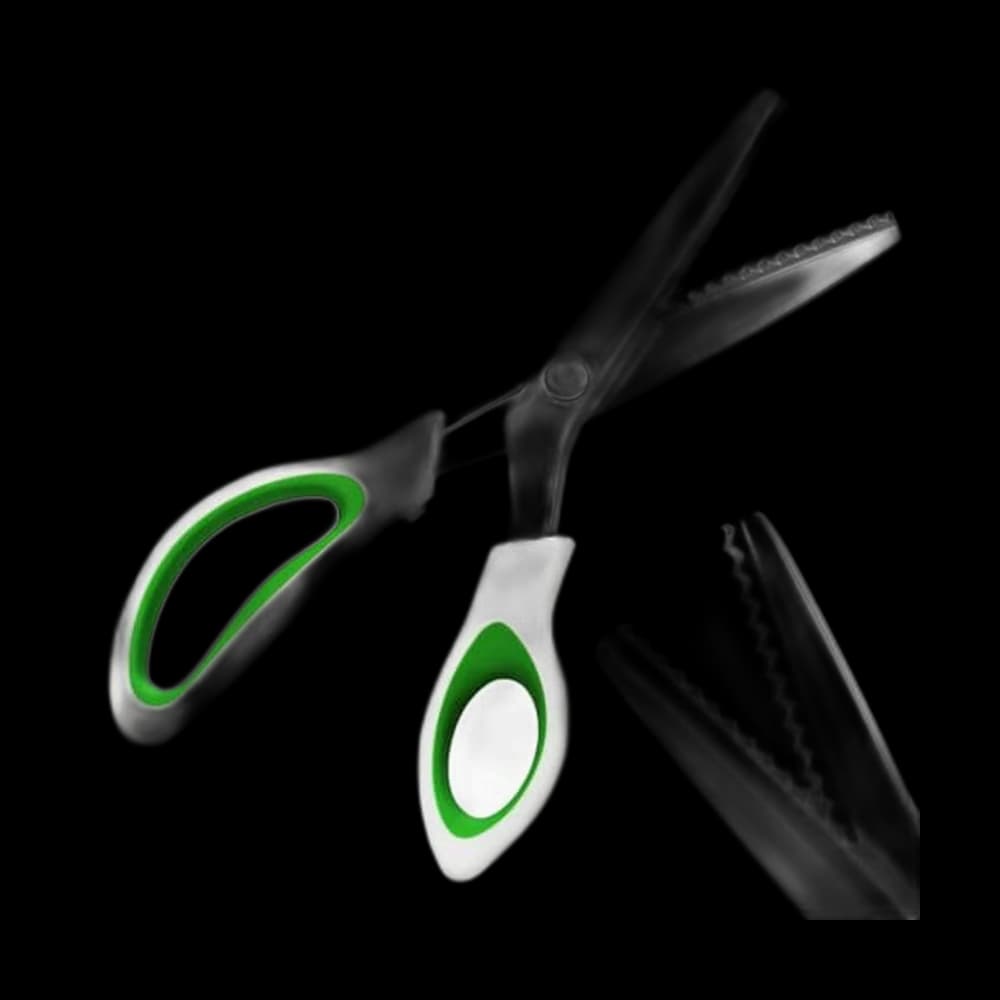
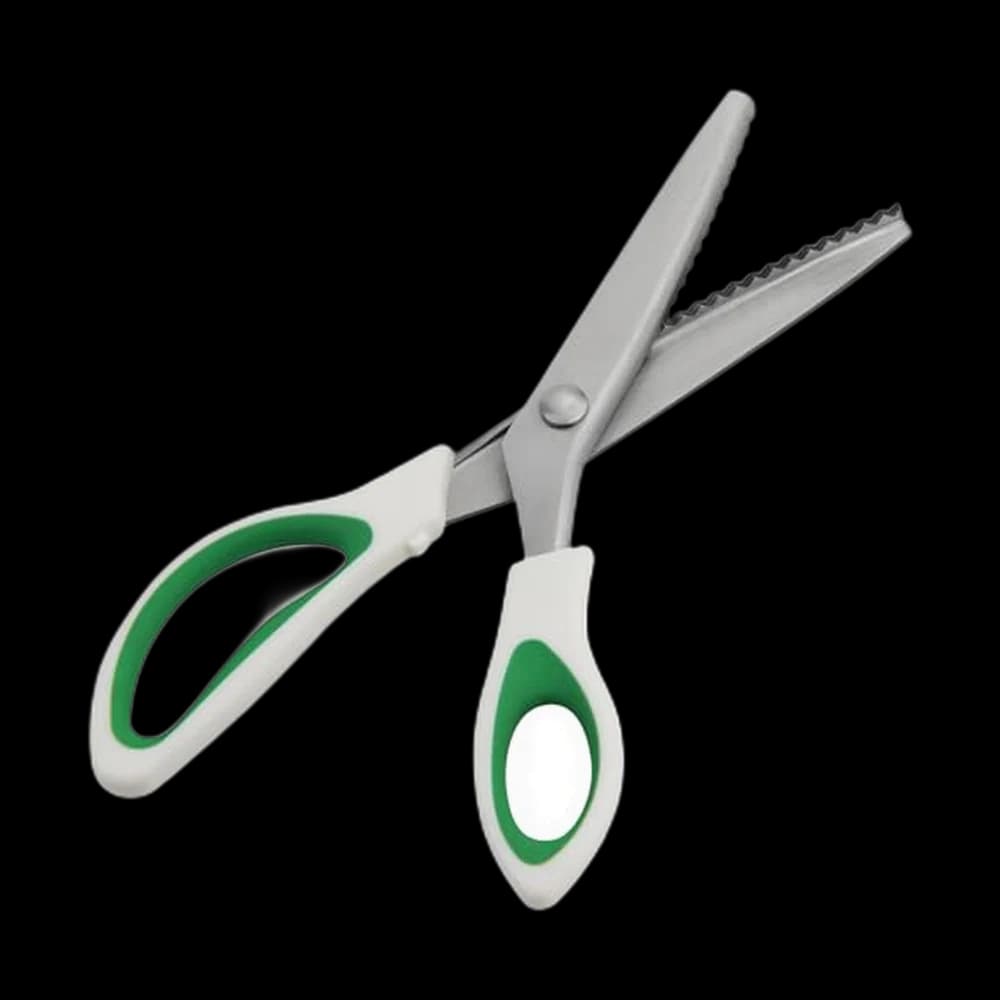
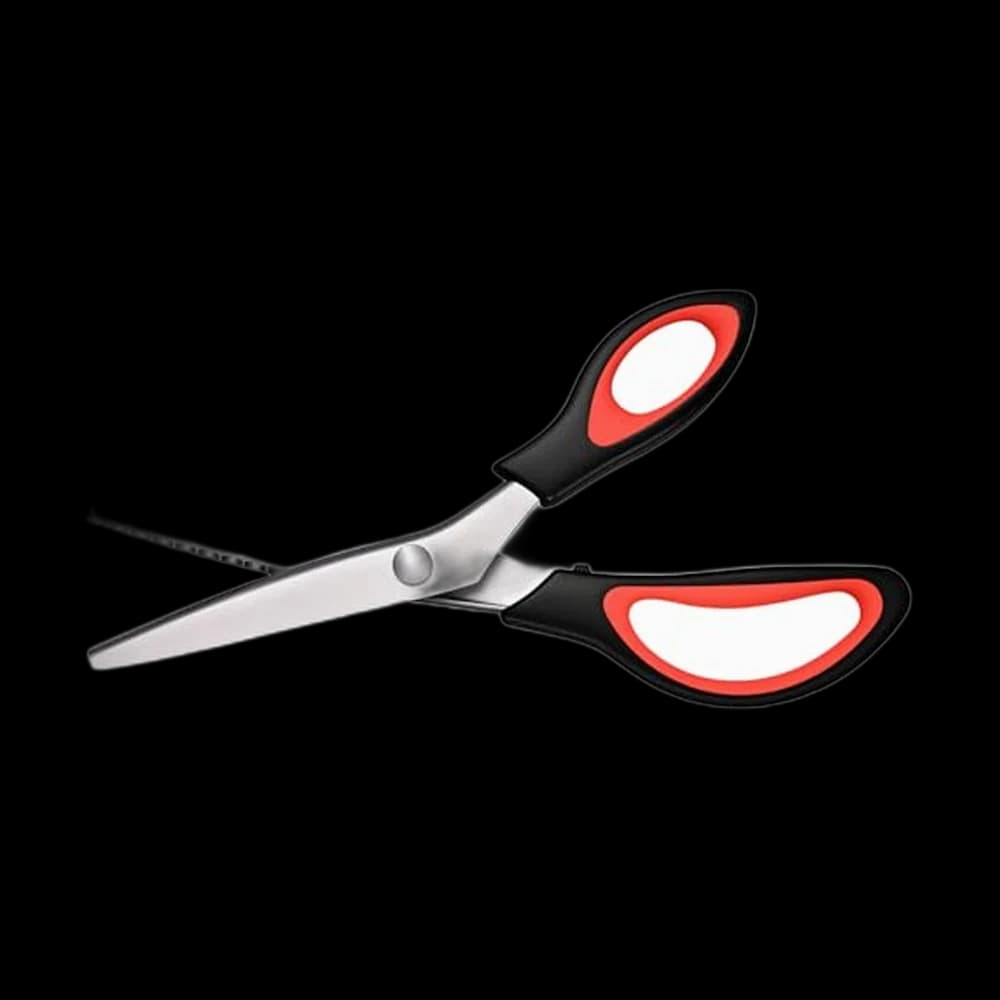
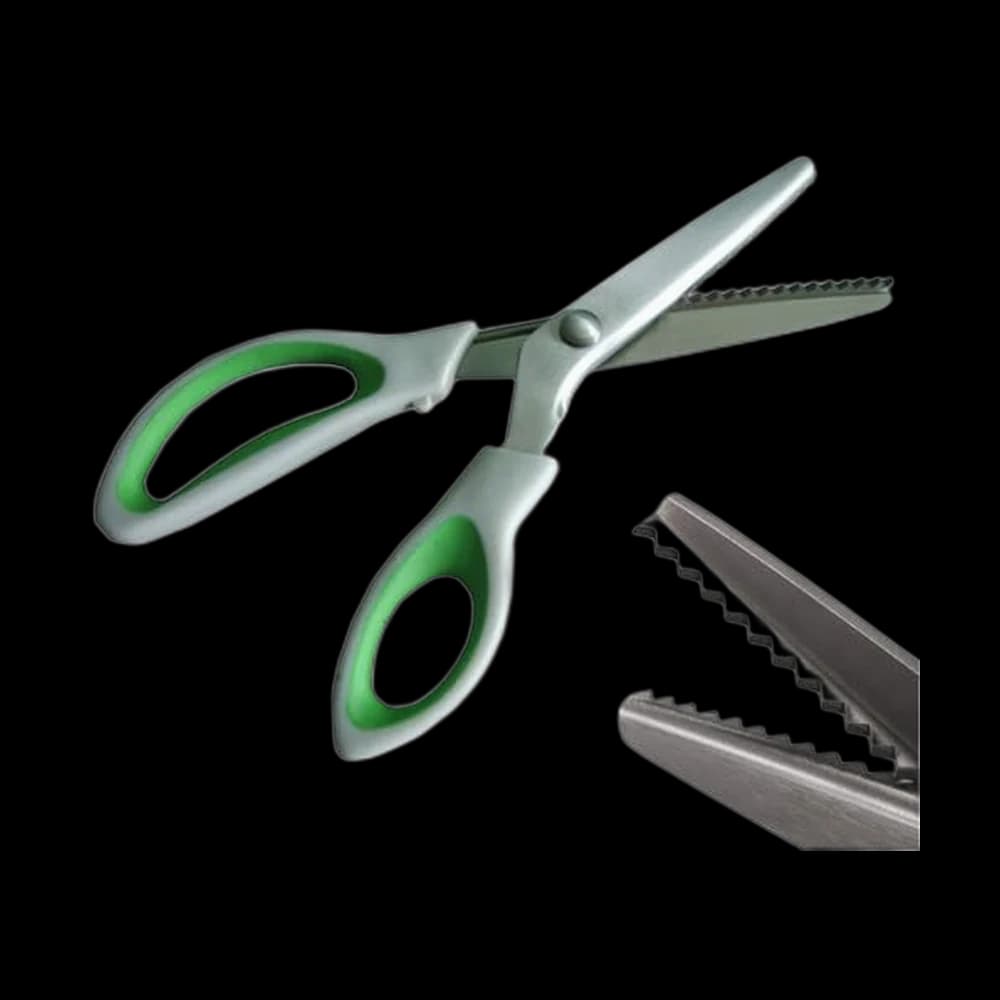
Scroll sideways for scores, prices and buy links
| Rank | Pick | Best for | StitchScore | Price | Buy |
|---|---|---|---|---|---|
| Editorial #1 | TopVPQZUPG 9" Zig Zag Pinking Shears 4.5 out of 5 stars · 277 ratings | The least expensive pick in this category, which makes it the low-risk way to find out… | 89 | $6.49 | Buy on Amazon |
| Editorial #2 | Fri4Free 9" Zig Zag Pinking Shears 4.7 out of 5 stars · 1,440 ratings | Priced in the lower half of this category | 89 | $6.99 | Buy on Amazon |
| Editorial #3 | EXTYQWC Scalloped Pinking Shears 4.6 out of 5 stars · 178 ratings | Priced in the lower half of this category. | 83 | $8.49 | Buy on Amazon |
| Editorial #4 | JISTL Pinking Shears with Comfort Grips 4.7 out of 5 stars · 16,608 ratings | The handles are the ergonomic style, which matters more than it sounds once you are cutting… | 83 | $9.99 | Buy on Amazon |
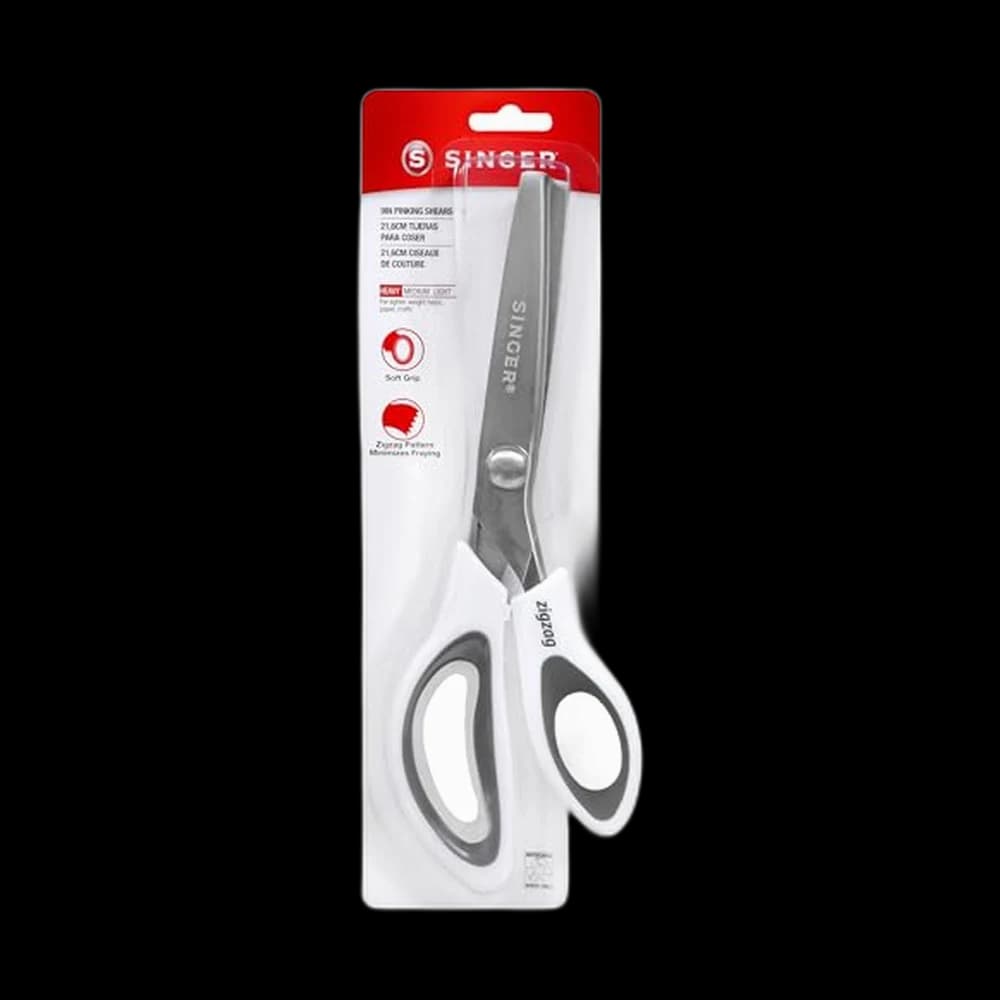
| Editorial #5 | SINGER ProSeries 9" Pinking Shears 4.5 out of 5 stars · 2,646 ratings | The handles are the ergonomic style, which matters more than it sounds once you are cutting… | 76 | $15.86 | Buy on Amazon |
Compare two picks
Tap an unselected chip to compare it with your current right-hand pick — all 5 picks available.
What goes with Pinking Shears
The things this shelf usually needs alongside it — one current pick per category, and nothing here is required to start.
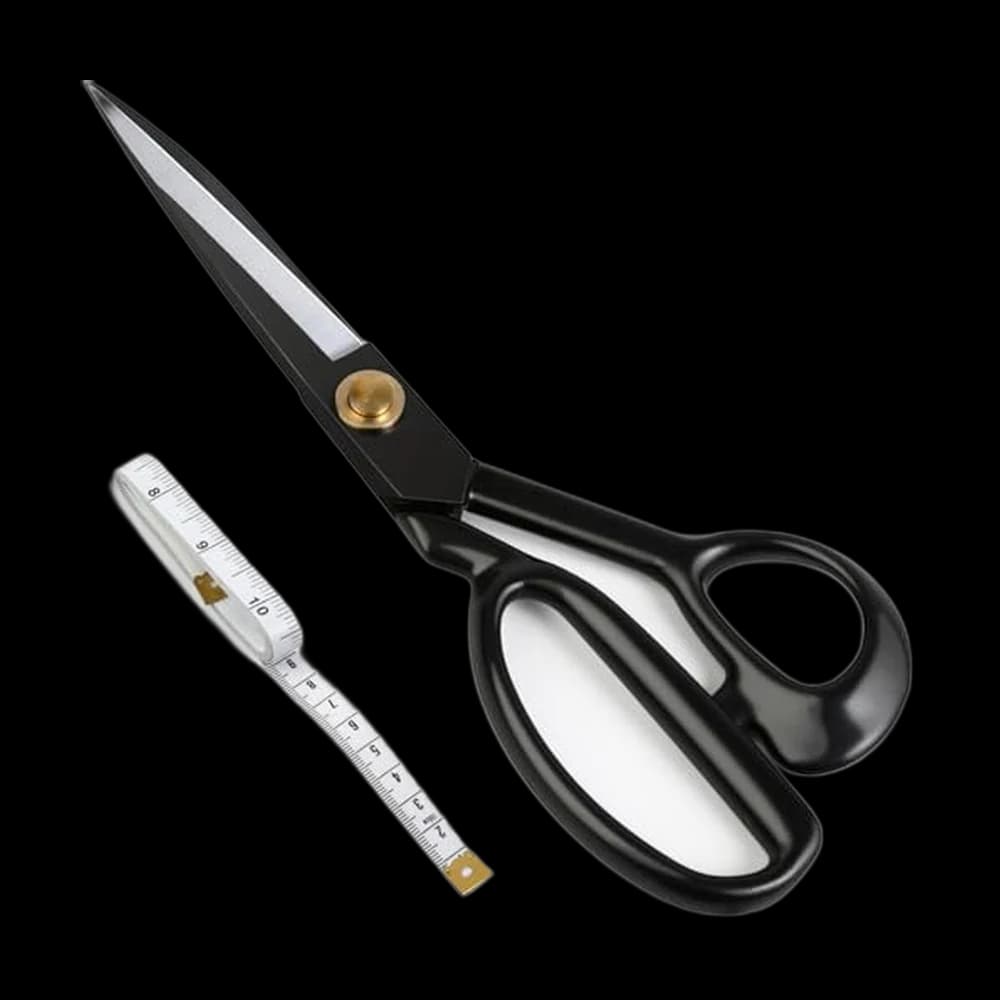 Fabric Scissors
Proshear$8.99 4.8 out of 5 stars · 4,040 ratings
Pinking shears finish an edge; they do not replace a cutting shear.
Researched from listings, specs and owner feedback — never hands-on testing. We may earn a commission; it never changes a pick.
Guides that go with Pinking Shears
How to choose pinking shears
There is not much to a pair of pinking shears, which is exactly why the few things that do differ are worth one read before you buy.
- Tooth size and blade length — A larger tooth cuts a deeper zigzag and travels faster down a long seam allowance; a smaller tooth is neater on lightweight cotton and around curves. A mid-size pair suits a beginner better than the biggest one on the shelf.
- How heavy they are — Pinking shears carry more steel than ordinary scissors, and pinking every allowance in a garment is hard on your hand. Weight and handle shape are what decide whether you finish the job or leave half of it raw.
- Whether they are spring-loaded — Some pairs open themselves between cuts. If your hands tire or ache, that is worth more than any other feature in this category; if they do not, it is a preference rather than a reason to spend more.
- Whether the teeth actually meet — A poorly made pair chews rather than cuts, leaving fabric hanging in the notches instead of parting cleanly. There is no spec that tells you this — large owner-review records are the only signal available before you buy, and they are remarkably consistent per model.
- Fabric only, forever — Paper dulls a sawtooth blade faster than anything else, and unlike a straight blade a pinking blade cannot be brought back with a household sharpener. Label them if anyone else in the house borrows scissors.
Often overlooked: they are not a pattern-cutting tool. It is tempting to cut the pattern pieces out with them and finish the edge in one go. The zigzag makes the cut line ambiguous — an allowance measured from a peak is a different width from one measured from a notch — so cut the piece with fabric shears and pink the allowance after the seam is sewn.
What are pinking shears, and how do they differ from scissors?
Pinking shears are scissors with sawtooth blades. Instead of a straight cut they leave a zigzag edge, and on a woven fabric that zigzag is what slows fraying: the cut crosses the weave at an angle, so no single thread runs the whole length of the raw edge and works itself loose. They are a finishing tool rather than a cutting tool.
Against ordinary fabric scissors, the difference is what the cut is for. Fabric shears cut your pattern pieces out — a long clean edge you sew a seam to. Pinking shears tidy the raw edge of a seam allowance after the seam is sewn, on wovens like cotton and linen. They do nothing useful on a knit, which curls rather than frays, they blunt quickly on paper, and they are not a serger: on something that will be washed hard every week, an overlocked or enclosed seam lasts longer. Most people own one good pair of fabric shears and reach for pinking shears occasionally.
Do they work as well as a serger? Honestly, no — and for a lot of seams that does not matter. A pinked edge slows fraying; an overlocked edge wraps the raw edge in thread and encloses it. On a cotton seam allowance that gets pressed open and washed occasionally, pinking holds up perfectly well, and it is what dressmaking used before overlockers were cheap. On something washed every week, on a loose weave, or anywhere the seam takes real strain, an overlocked, zigzagged, bound or French-seamed edge lasts longer. Our guide to finishing seams without a serger ranks all five ways of doing it.
Frequently asked
- Do pinking shears stop fraying completely?
- No, they slow it. The zigzag crosses the weave at an angle, so no single thread runs the whole length of the raw edge and works itself loose. On a woven seam allowance that is pressed open, that is usually enough — but nothing about a pinked edge encloses the threads the way an overlocked or bound edge does.
- Can you use pinking shears on knits?
- There is little point. A knit does not fray — cut jersey curls at the edge instead — so the zigzag is solving a problem the fabric does not have. Sew knits with a narrow zigzag or a stretch stitch and leave the edge as it was cut.
- Pinking shears or a zigzag stitch — which finish lasts?
- A zigzag stitch, in most cases: it wraps thread around the raw edge rather than only changing its shape. Pinking is quicker, needs no machine setup, and is kinder to a fine fabric that a zigzag would ripple.
- Why do mine feel blunt after cutting paper?
- Because they are, now. Paper is abrasive and dulls a sawtooth blade far faster than fabric does, and a pinking blade is not something a household sharpener can rescue. Keep one pair for fabric and let the paper scissors take the punishment.
Prices and availability are the most recent values we pulled from Amazon and refresh on a cycle; confirm the live price before buying. We may earn a commission on a purchase, and it never changes a score. See how we score gear.