Serger machines for beginners
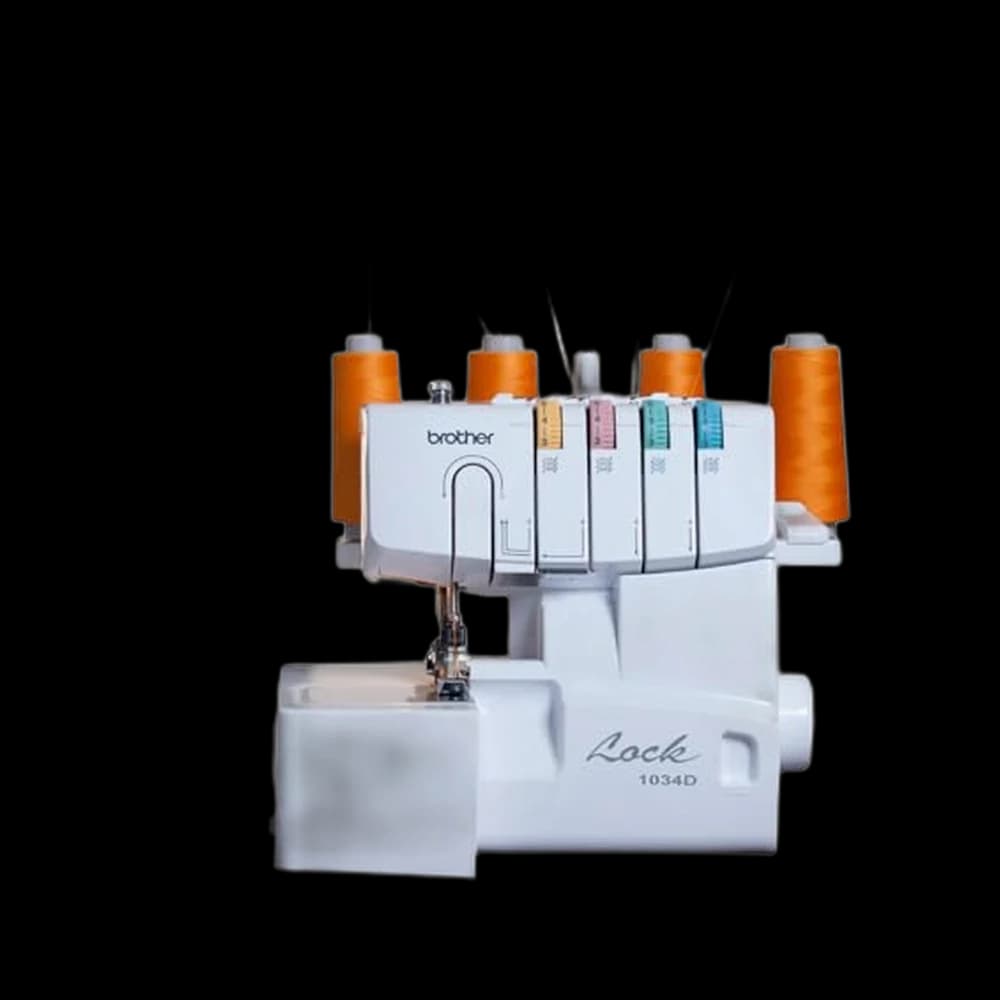
A serger, or overlocker, is a second machine that trims a seam and wraps its raw edge in thread in one pass, which is how knit and ready-to-wear seams get their finish. For a first one, a four-thread machine with colour-coded threading is the safe buy, and the Brother 1034D has by far the deepest owner-review record on this shelf. Not sure you need one yet? Read serger vs sewing machine first.
4 picks · $240–$320 · prices checked October 8, 2026 · researched from listings, specs and owner feedback, not hands-on testing
Brother 1034D Serger Overlock Sewing Machine — $319.99. A first serger you can actually thread — colour-coded upper guide and lower looper threading,…. See why
Promoted to the top pick over a near-tying option with only 22 ratings behind it. This one has 12,166. When two products score within 5 points of each other, the one thousands of owners have rated is the safer default for a first purchase — a near-tie on a couple of dozen reviews is not a tie. SINGER HD0500S Heavy Duty Serger Overlock Machine, 2-3-4 Thread, Black shows a higher number, but that score is a provisional prior — Amazon returns no review data for that listing yet, so it is not a measurement and cannot hold the top spot.
We may earn a commission from Amazon — it never changes a score.
Filter picks4 of 4
Showing 4 of 4 picks — no filters applied
Showing 4 of 4 picks — no filters applied
Not sure which one is yours? The Machine Finder asks what you want to make and what you can spend, and narrows it to three.
Sergers & Overlockers compared
- Top pickOur pick
Brother 1034D Serger Overlock Sewing Machine
$319.99StitchScore 67 4.2 out of 5 stars · 12,166 ratings
A first serger you can actually thread — colour-coded upper guide and lower looper threading,…
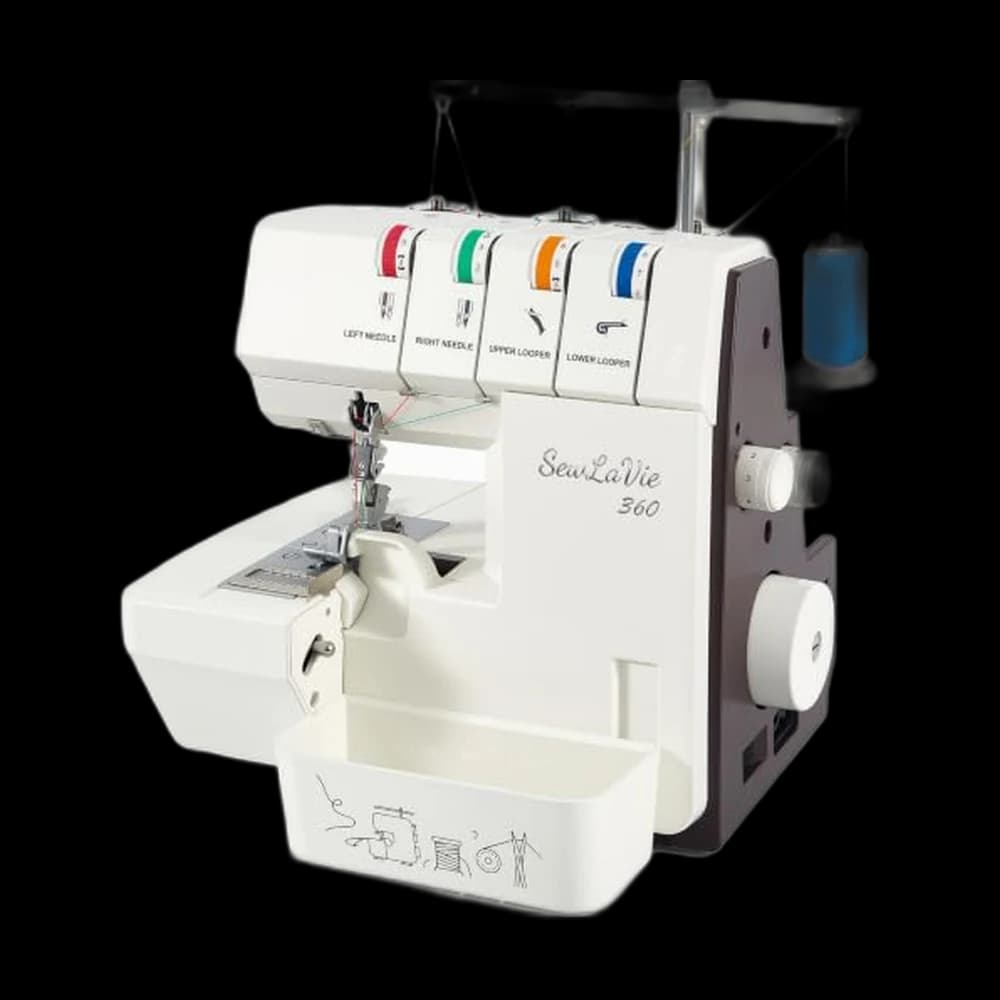
The threading problem specifically — the open threading area puts the loopers within reach,…
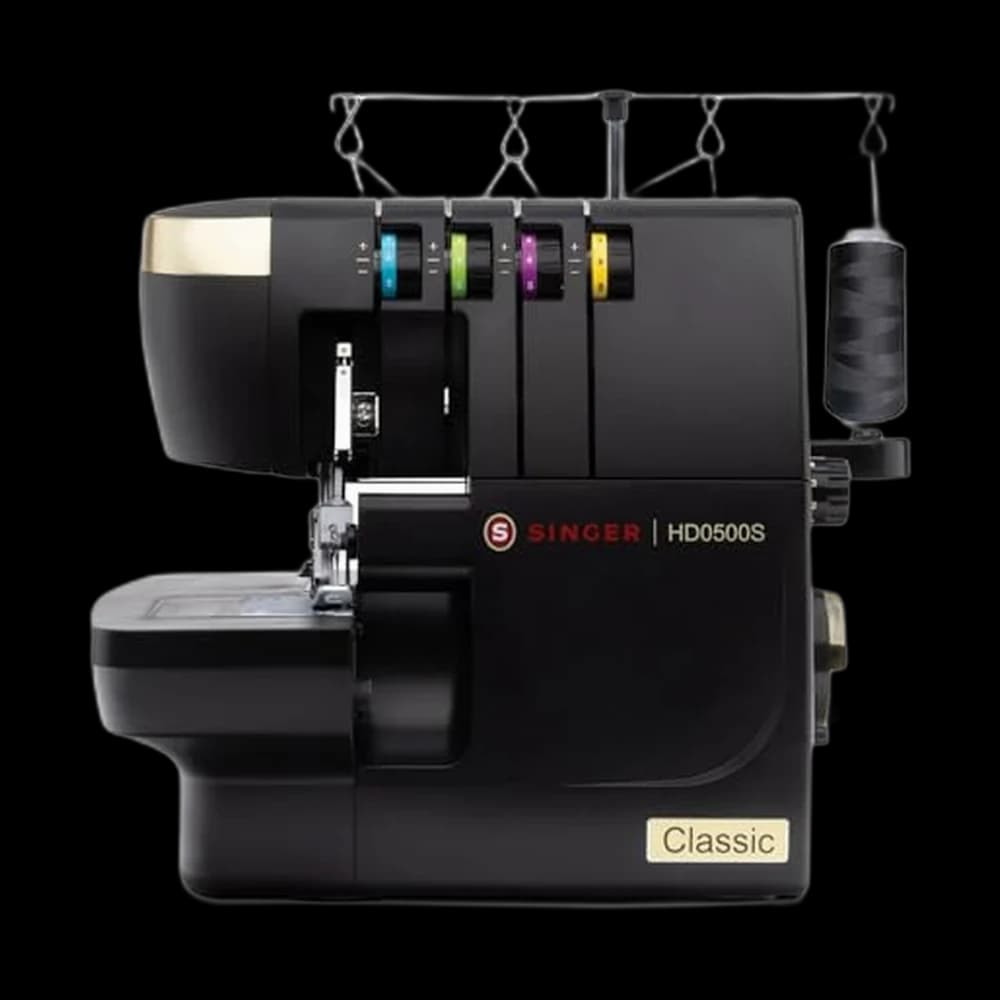
Heavier fabric — SINGER states a 20% higher-wattage motor, a metal frame and a removable free…
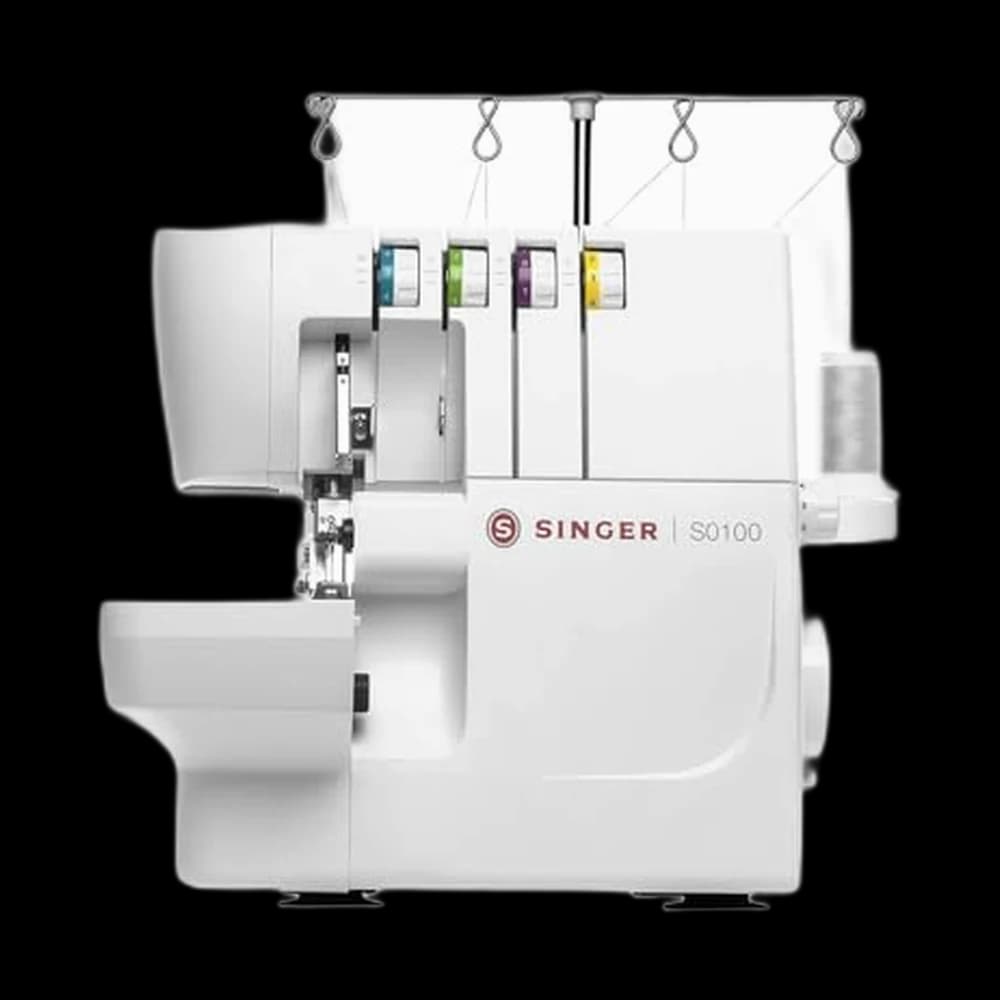
The least expensive way in — it arrives pre-threaded, runs 2, 3 or 4 threads, and has the…
Scroll sideways for scores, prices and buy links
| Rank | Pick | Best for | StitchScore | Price | Buy |
|---|---|---|---|---|---|
| Editorial #1 | TopOur pickBrother 1034D Serger Overlock Sewing Machine 4.2 out of 5 stars · 12,166 ratings | A first serger you can actually thread — colour-coded upper guide and lower looper threading,… | 67 | $319.99 | Buy on Amazon |
| Editorial #2 | SewLaVie 360 Serger with Wide-Open Threading 4.3 out of 5 stars · 22 ratings | The threading problem specifically — the open threading area puts the loopers within reach,… | 70 | $239.99 | Buy on Amazon |
| Editorial #3 | SINGER HD0500S Heavy Duty Serger | Heavier fabric — SINGER states a 20% higher-wattage motor, a metal frame and a removable free… | 73(early) | $309.99 | Buy on Amazon |
| Editorial #4 | BudgetSINGER S0100 High Speed Serger 4.3 out of 5 stars · 877 ratings | The least expensive way in — it arrives pre-threaded, runs 2, 3 or 4 threads, and has the… | 69 | $262.99 | Buy on Amazon |
Scores marked (early)are still settling: the listings don't yet expose a star rating we can read, so owner satisfaction sits at a neutral starting value. How the StitchScore works.
Compare two picks
Tap an unselected chip to compare it with your current right-hand pick — all 4 picks available.
What goes with Sergers & Overlockers
The things this shelf usually needs alongside it — one current pick per category, and nothing here is required to start.
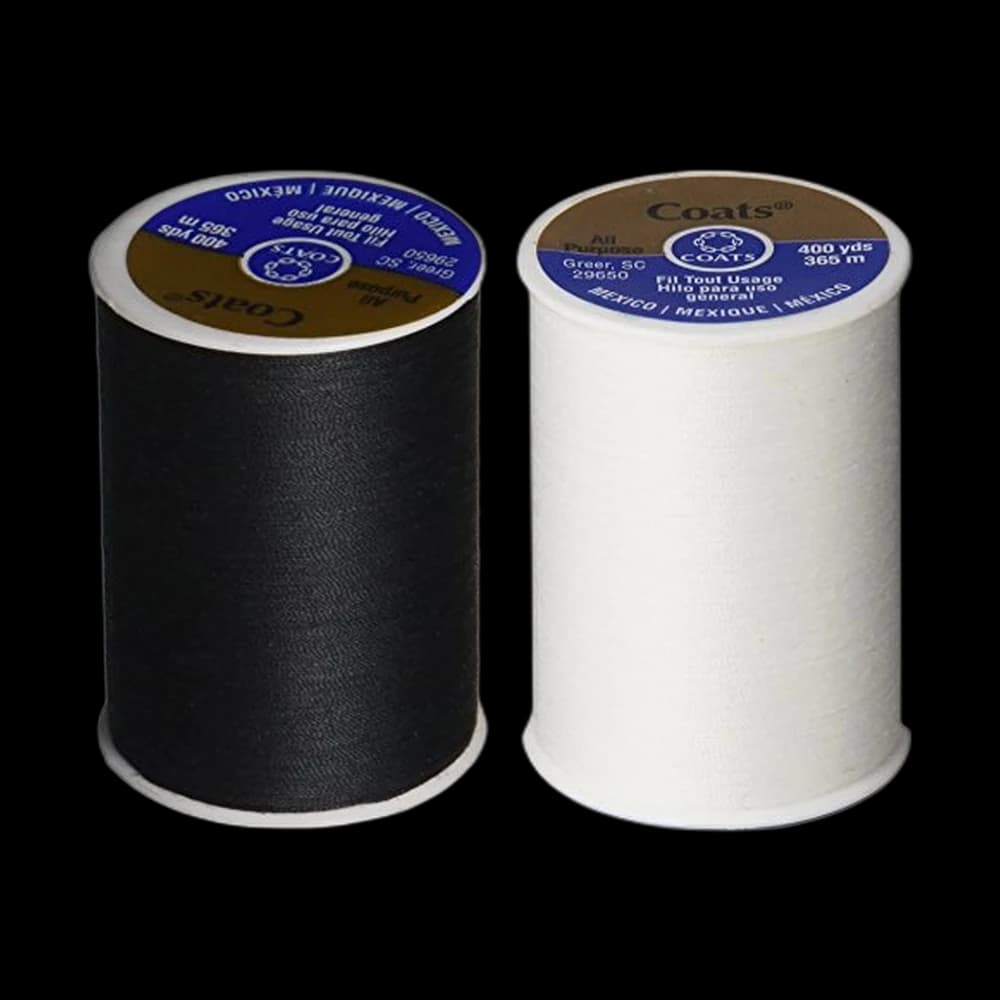 Thread
Coats & Clark thread$8.50 4.7 out of 5 stars · 4,705 ratings
A serger threads four spools at once and empties them fast.
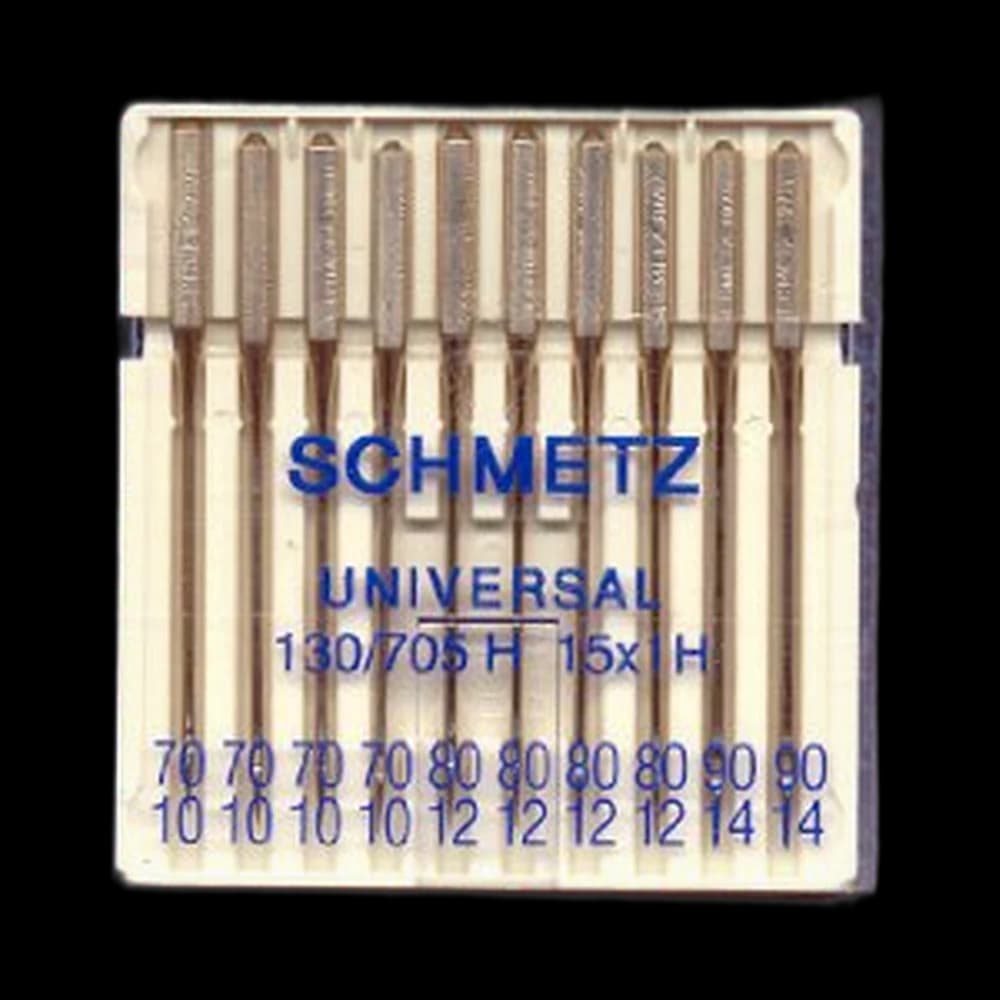 Machine Needles
SCHMETZ Universal 130/705$7.45 4.8 out of 5 stars · 709 ratings
Most home sergers take the same needle system as a sewing machine.
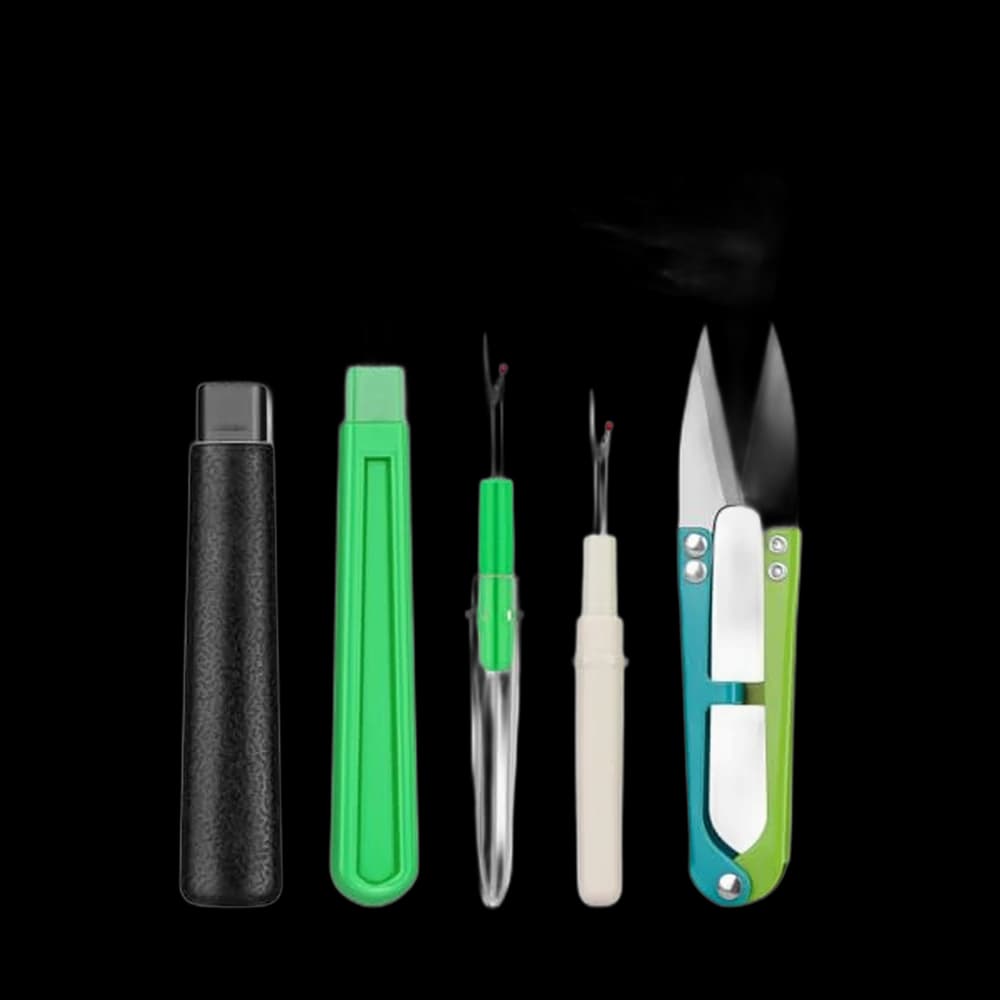 Seam Rippers
ZMAAGG$4.99 4.8 out of 5 stars · 250 ratings
Unpicking an overlocked seam is its own small skill.
Researched from listings, specs and owner feedback — never hands-on testing. We may earn a commission; it never changes a pick.
Guides that go with Sergers & Overlockers
How to choose a serger
The criteria that matter most when choosing a first serger, including the one that decides whether you want one at all.
- How many threads it runs — Home sergers generally run three or four threads. A four-thread overlock sews the seam and finishes its raw edge in one pass, which is what most people buy a serger to do; three-thread finishes an edge that a sewing machine has already seamed. If you are buying one machine, four is the useful number.
- How threading works — Threading is where first sergers get abandoned, not sewing on them. Colour-coded thread paths, a lower looper you can lay thread into rather than poke it through, and a diagram printed inside the door are worth more to a beginner than any stitch count.
- Differential feed — A dial that lets the front feed dogs move faster or slower than the back ones. It is what stops jersey stretching into a wave along the seam and what gathers a ruffle deliberately. If knits are the reason you want a serger, this is the feature to check for.
- The knife — A serger trims the seam allowance away as it sews, so a mistake removes fabric rather than just stitches. Being able to disengage the knife matters if you want to overlock an edge without cutting it, and it is worth knowing whether a given machine allows that before you buy.
- Whether you need one at all — A serger does not replace a sewing machine and cannot sew a buttonhole, topstitch or insert a standard zipper. French seams, a zigzag stitch and pinking shears all finish a woven seam without one, and a narrow zigzag sews knits on any machine. Most people should reach Level 3 first.
Often overlooked: the cost of running four cones of thread. A serger pulls from three or four cones at once, so changing colour means re-threading three or four paths and owning a full set of cones in that colour. Almost everyone who uses one regularly keeps it threaded in white, grey or black permanently and matches the visible stitching with their sewing machine instead. Budget for one set of cones you keep on the machine, not a rainbow.
Which serger brand, and which model in it
Serger shopping is brand-shaped in a way sewing-machine shopping is not: three names cover almost the whole beginner shelf, and the real question is usually which model within a brand rather than which brand. What follows is what the listings state and what large owner-review records consistently say — we research these machines, we do not test them.
Brother is the default recommendation nearly everywhere, and the reason is threading. Colour-coded thread paths and a lower looper you can lay thread into rather than poke it through are what stop a first serger being abandoned in a cupboard. It also carries by a wide margin the deepest owner-review record of anything on this shelf, which is worth more on a machine this fiddly than another line on a spec sheet.
SINGER's sergers split into a cheap way in and a heavier-fabric line. The entry model arrives pre-threaded, which is a genuine kindness the first time, and the heavy-duty one is sold on a higher-wattage motor and a metal frame rather than on stitch options. Amazon has served us no owner rating for that heavy-duty model, so its score here rests on a neutral prior rather than on anything owners have said.
SewLaVie is the newest name here and it competes on exactly the problem beginners have: an open threading area that puts the loopers within reach, plus a rolled-hem setting and a lamp over the needle. Its owner record is a couple of dozen ratings rather than a couple of thousand, which is not a criticism — it is a reason to weigh it differently.
Frequently asked
- What is a serger?
- A serger, called an overlocker outside North America, is a second machine that trims a seam allowance and wraps the raw edge in looped thread in one pass. It uses three or four cones of thread at once and produces a seam that stretches, which is why ready-to-wear clothing is full of them. It does not replace a sewing machine.
- Do I need a serger?
- No, and very few beginners should buy one first. A woven seam can be finished with a zigzag stitch, pinking shears or a French seam, and knits can be sewn with a narrow zigzag on any sewing machine. A serger is a speed-and-finish upgrade that starts to earn its place around Level 3, once you are making garments regularly.
- What is the difference between a serger and a sewing machine?
- A sewing machine makes a locked stitch from one needle thread and one bobbin thread, and can sew, topstitch, buttonhole and zigzag anywhere on a piece of fabric. A serger has no bobbin: it uses loopers and three or four cones, cuts the edge with a knife as it sews, and can only work along an edge.
- How many threads should a beginner serger have?
- Four. A four-thread overlock sews the seam and finishes the raw edge in the same pass, which is the stitch most people bought the machine for. Three-thread models are cheaper and fine when you only want to finish edges that a sewing machine has already seamed.
- How do you finish a seam without a serger?
- Three ways, all done on a normal sewing machine or with scissors. Zigzag along the raw edge; cut the edge with pinking shears so the fabric frays only to the notch; or sew a French seam, which encloses the raw edge inside the seam itself. On a woven fabric all three last as long as an overlocked edge.
- Why is your top pick not the highest-scoring serger on this page?
- Because the highest number on this shelf is a provisional score. StitchScore blends owner satisfaction with value, and when Amazon serves us no rating for a listing we score it from a neutral prior instead — those are the ones labelled early or provisional. The next one down rests on a couple of dozen ratings. Our top pick has the deepest owner-review record in the category by a wide margin, and when scores sit within a few points of each other it is the depth of the evidence behind them that decides. The note under the top pick says the same thing.
Prices and availability are the most recent values we pulled from Amazon and refresh on a cycle; confirm the live price before buying. We may earn a commission on a purchase, and it never changes a score. See how we score gear.