Best Sewing Machines for Making Clothes
Our top pick: Janome JW8100 · $369.00
Buy on Amazon
Our picks, at a glance
- Top pick
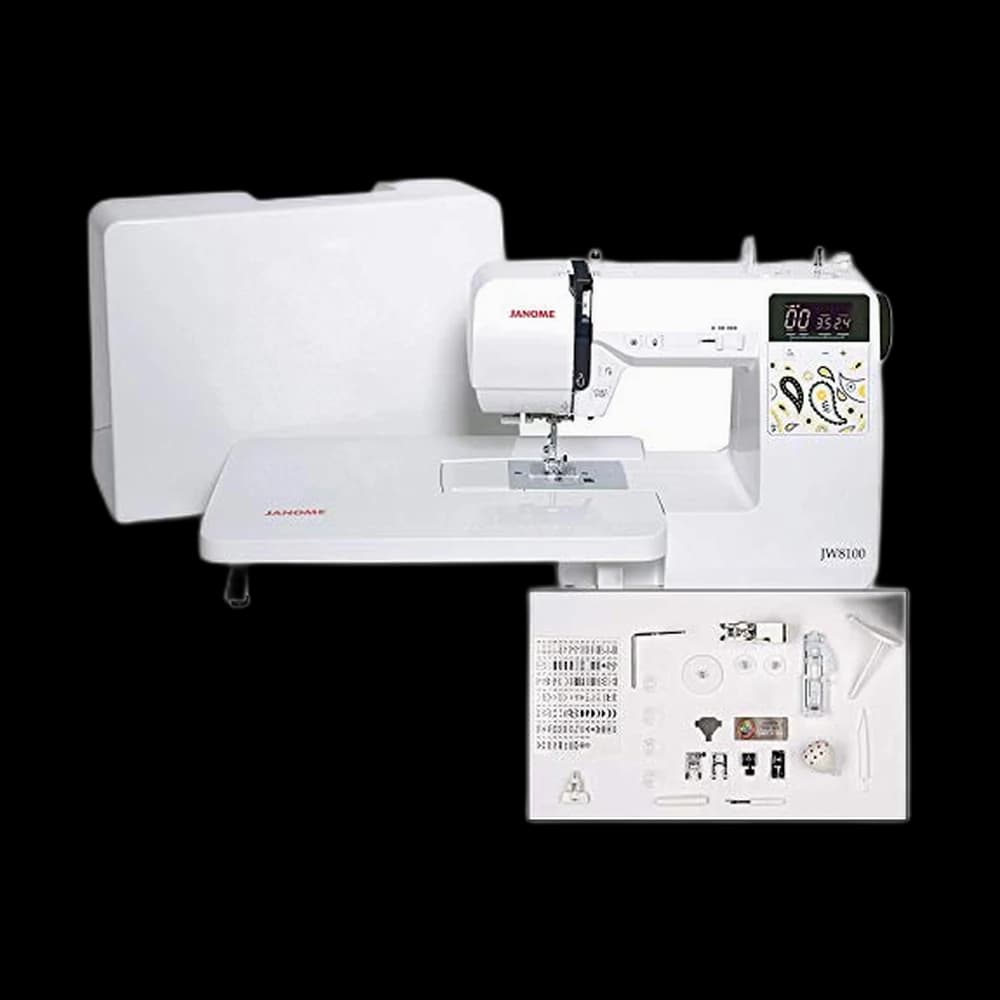
Janome JW8100 Computerized Sewing Machine
$369.00StitchScore 80 4.5 out of 5 stars · 959 ratings
- #3
Brother CS7000X Sewing and Quilting Machine
$249.99StitchScore 82 4.6 out of 5 stars · 3,626 ratings
- #4
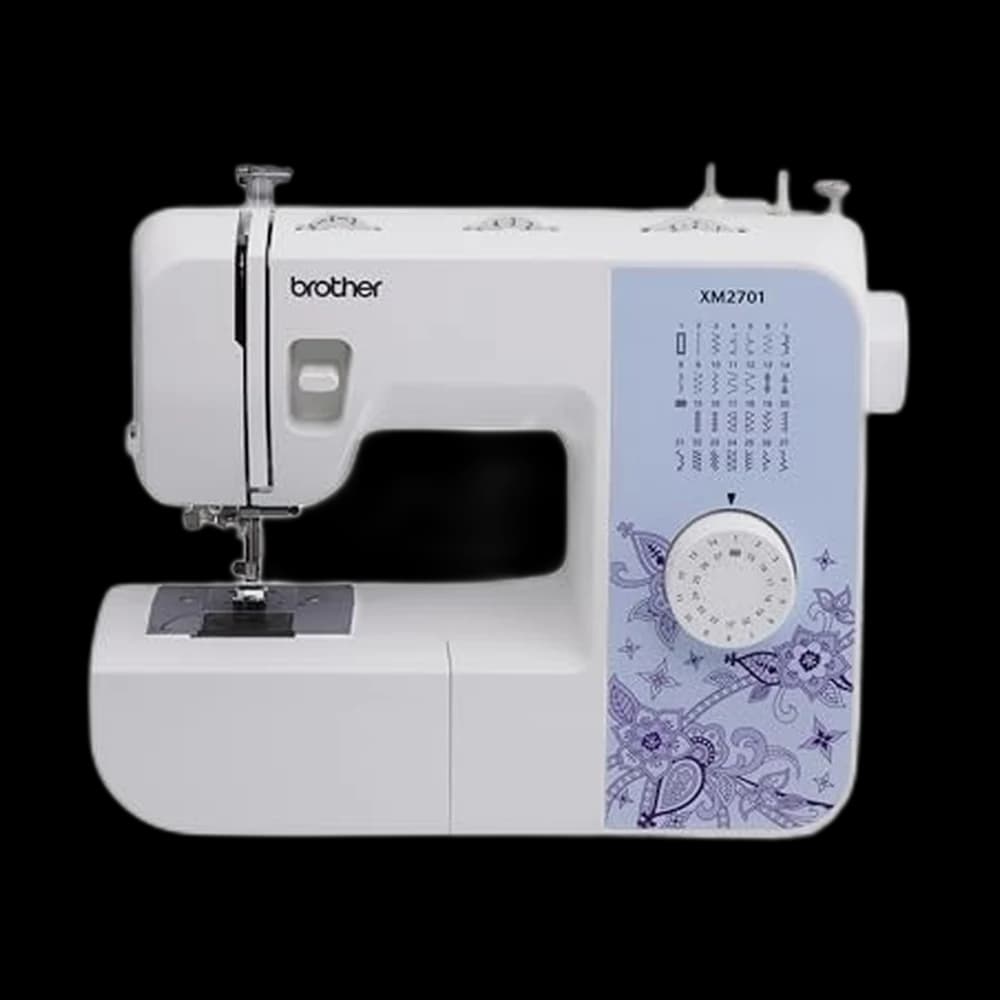
Brother XM2701 Lightweight Sewing Machine
$143.14StitchScore 85 4.6 out of 5 stars · 19,162 ratings
The short version
- A garment machine needs a one-step buttonhole, a free arm and slow, steady control. Stitch count barely matters.
- Janome JW8100 is our top pick for clothes because it lists needle up/down, a speed control slider, a start/stop button, a free arm and seven one-step buttonholes.
- Brother CS5055 is the value pick: a free arm, seven one-step buttonholes and a blindstitch foot for far less.
- Brother CS7000X adds speed control and a walking foot, so it suits someone who will make clothes and quilts.
- Brother XM2701 is the simplest dial machine that still sews pull-on shorts, skirts and aprons well.
- For jeans and canvas, the SINGER 4432 Heavy Duty lists adjustable presser foot pressure and a metal frame.
Clothes ask different things of a sewing machine than pillowcases and tote bags do. A skirt needs a buttonhole that comes out the same size five times running, a trouser hem needs to slide around something narrower than the machine bed, and a neckline needs you to go slowly round a curve without stalling. None of that needs an expensive machine. It needs the right handful of features, and every one of them turns up on ordinary household machines.
Everything below comes from manufacturer spec pages, listings and the pattern of what owners report over time. We do not sew on these machines ourselves, and we would rather say so than pretend otherwise. How we research explains the method.
What actually matters for garments
These are the features that change what a first skirt or pair of shorts feels like to sew, in the order they come up.
- A one-step, auto-size buttonhole. You drop the button into the foot, sew, and the machine sizes the hole to it. Every machine on this list has one, which is why none of them fails the most important garment test. If buttonholes are new to you, how to sew a buttonhole walks through the whole thing.
- A free arm. Slide off the accessory tray and the bed narrows to an arm that a cuff, a sleeve or a trouser leg can wrap around. Without it you are sewing a tube flat and fighting it the whole way round.
- Slow, steady control. Necklines, armholes and crotch curves are sewn slowly. A speed slider caps the top speed however hard you press the pedal, and a start/stop button lets you sew with no pedal at all.
- Needle up/down. Stopping with the needle down lets you lift the foot and pivot at a collar point or a pocket corner without the fabric shifting.
- A blind hem foot. It guides the nearly invisible machine hem on skirts and trousers. Several machines here include one in the box; the rest can take one later from the presser feet shelf.
- Something for knits. A narrow zigzag handles most knit seams on any machine. A listed stretch stitch is a nice extra, not a requirement.
What sounds important and mostly isn't: stitch count, alphabet stitches and quilting extras. You will use straight, zigzag, a buttonhole and perhaps a blind hem. A 100-stitch machine sews those no better than a 27-stitch one.
What we'd buy for this
One pick per category, chosen from the research pages linked in this piece. Borrow before you buy — nothing here is required to start.
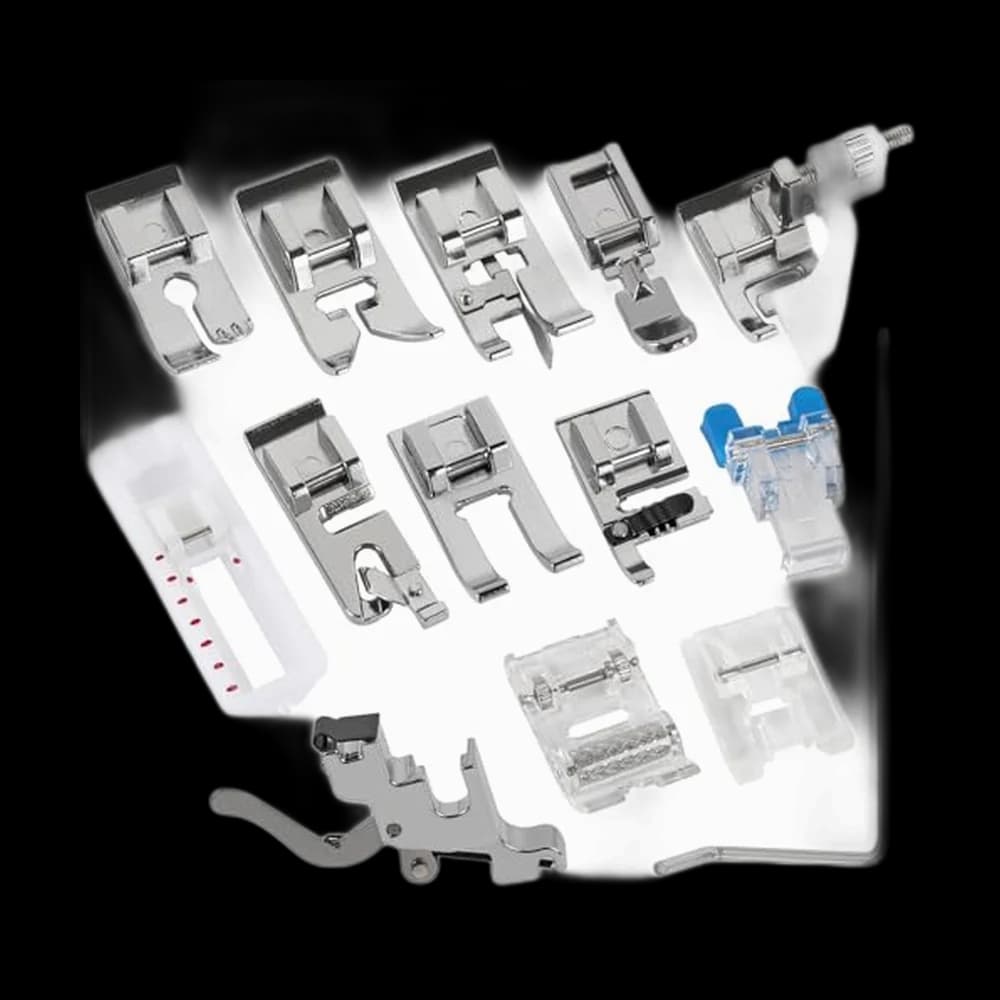 Presser Feet
Shutao$8.99 4.5 out of 5 stars · 61 ratings
The least expensive pick in this category, which makes it the low-risk way to find out whether you'll keep at it; snap-on feet, which change without a screwdriver.
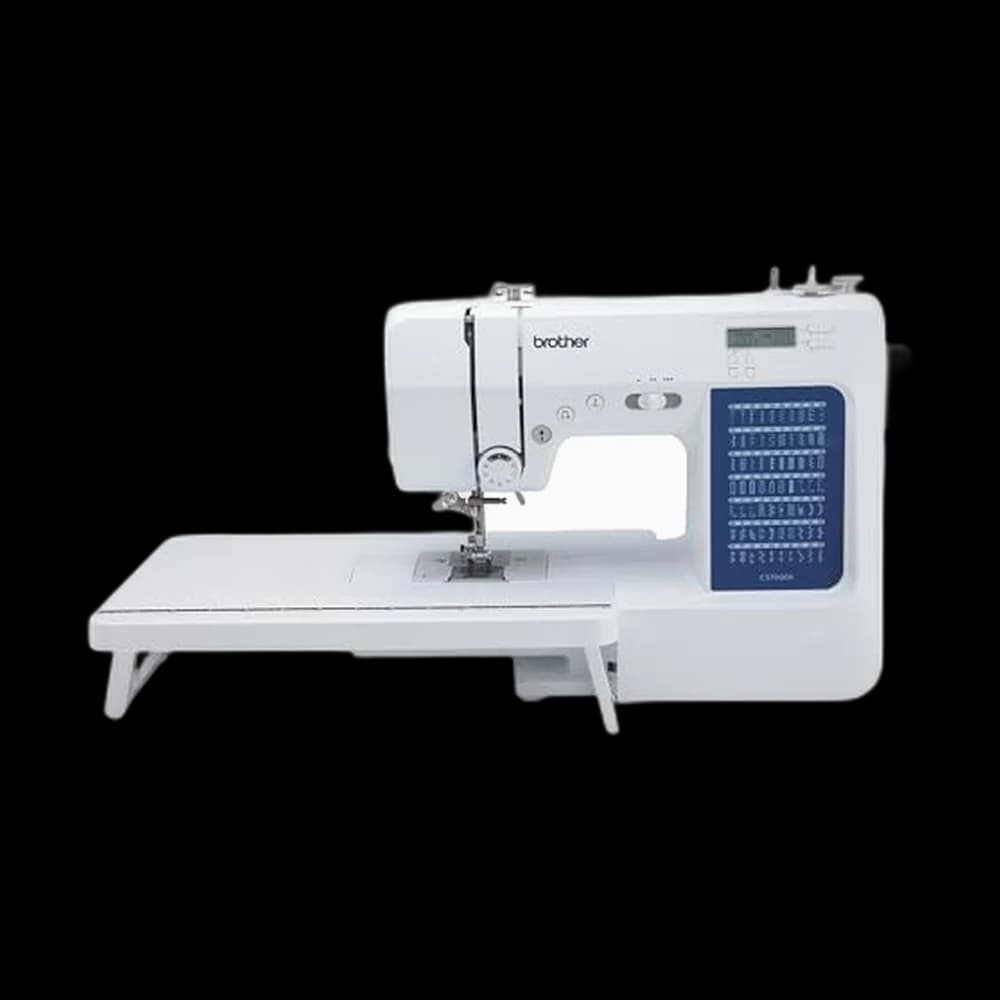 Quilting Machines
Brother CS7000X$249.99 4.6 out of 5 stars · 3,626 ratings
Your first quilt on a machine that still does everything else — the listing includes the wide table, ten feet and a quilt guide, and its 70 stitches cover quilting and everyday sewing on one machine.
 Heavy-Duty Sewing Machines
SINGER 4432$239 4.4 out of 5 stars · 11,902 ratings
A first heavy duty machine — SINGER lists 32 stitches, a one-step buttonhole, a built-in needle threader and a metal interior frame, all picked from a dial rather than a screen.
Researched from listings, specs and owner feedback — never hands-on testing. We may earn a commission; it never changes a pick.
The five picks
Janome JW8100 — our top pick for clothes
The JW8100 has the most garment-useful controls on this list. Janome's spec page lists needle up/down, a start/stop button, a locking stitch button, a 7 mm maximum stitch width, a free arm and seven automatic buttonholes. The listing adds a speed control slider and a 7-piece feed dog, which Janome says feeds cotton, knits and layers evenly.
That combination is exactly what a garment needs. You can set a slow top speed for a neckline, stop with the needle down at a collar point, pivot, and carry on. It also ships with an extension table, a hard cover, an even feed foot and a quarter-inch foot, so it will quilt a lap throw if that is where you end up.
In the owner record our catalog tracks, buyers praise its build quality, sewing performance and value, with reliability and durability mixed rather than a recurring complaint. The trade-off is price: it is the most expensive machine here. Its standard foot list in the listing names a zipper foot, a satin stitch foot and a buttonhole foot, but no blind hem foot, so budget for one if you want machine blind hems.
Brother CS5055 — the best garment value
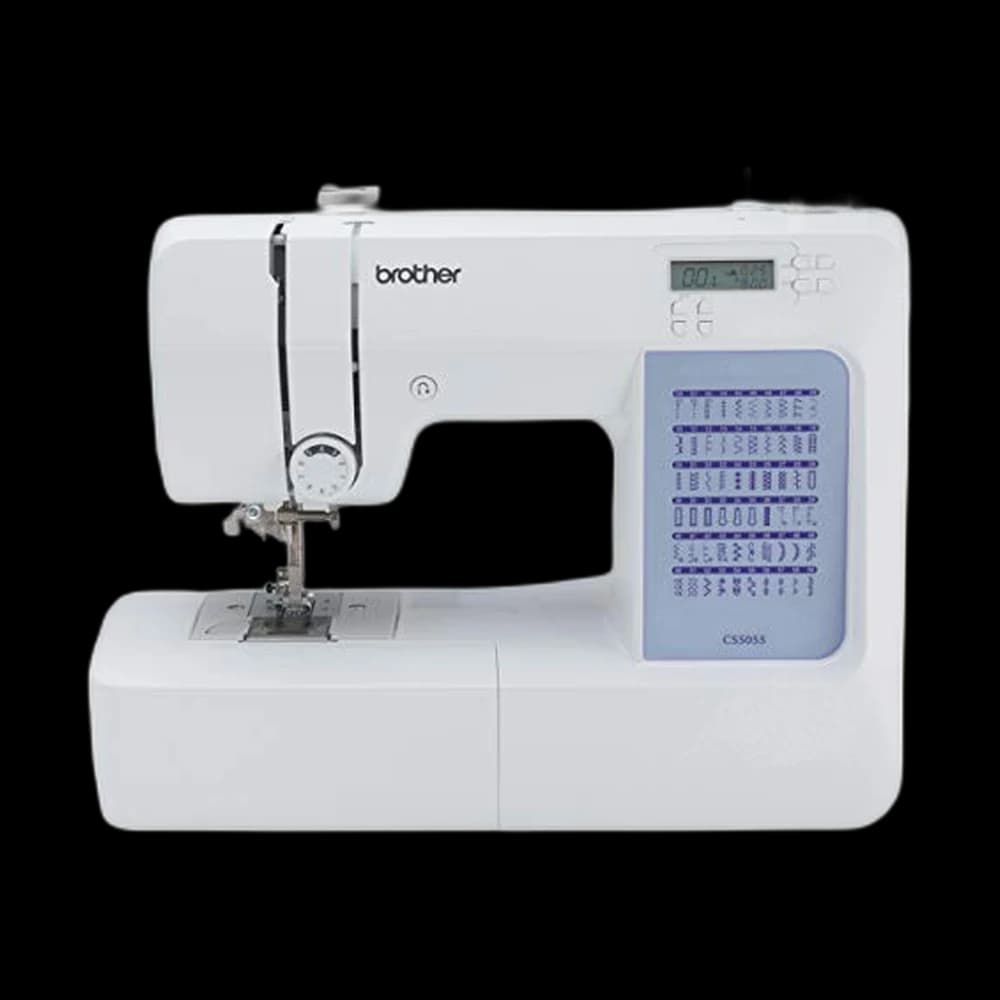
If the JW8100 is more than you want to spend, this is the one to look at. Brother's CS5055 page lists a free arm for cuffs and sleeves, seven styles of one-step auto-size buttonholes, a 7 mm stitch width, and seven feet including a blindstitch foot and an overcasting foot. That covers almost every garment feature above for much less money.
What it does not list is a speed control, and its top speed is 750 stitches per minute, so slow sewing is down to your foot on the pedal. Owners praise its quality, ease of use and value; durability is the recurring complaint. It carries a 25-year limited warranty per its listing.
Brother CS7000X — if you might quilt as well
The CS7000X is the CS5055 with the extras a quilter wants, and two of those extras help garments too. Brother's CS7000X page lists adjustable speed control, a free arm it describes as suited to cuffs, sleeves and skinny jeans, seven one-step buttonholes and a 7 mm stitch width. Its ten feet include a blindstitch foot, an overcasting foot and a walking foot, which helps stripes and plaids stay matched at a side seam.
Owners praise its capacity, value and stitch options; durability is the recurring complaint, as it is across Brother's computerized line. Choose it over the CS5055 if you want speed control or already know a quilt is coming. It lives on our quilting machine shelf.
Brother XM2701 — the simplest machine that still sews clothes
A dial machine with 27 stitches, and the one with by far the largest owner-review base here. Brother's XM2701 page lists a blind hem stitch, a one-step buttonhole and six feet, including a blind stitch foot and a narrow hemmer, and the listing adds a free arm. For pull-on shorts, an elastic-waist skirt or an apron, that is everything.
Its limits show on more ambitious garments. The maximum stitch width is 5 mm rather than 7 mm, which matters little for seams and hems. The listing leans on how light it is, and a light machine has less mass holding it steady through a thick waistband. It is also the top pick in our beginner sewing machines under $250 guide, which covers it in more depth.
SINGER 4432 Heavy Duty — if your clothes are denim
Clothes are not all lawn and cotton. If you want to make jeans, a canvas work jacket or a denim skirt, you need a machine with more push. SINGER's 4432 page lists a heavy-duty metal frame, a one-step buttonhole, a built-in needle threader and up to 1,100 stitches per minute. It also lists adjustable presser foot pressure, which lets you lighten the foot for a thin knit and firm it up for denim. The listing describes its 32 built-in stitches as covering basic, stretch, decorative and repair sewing, and adds a free arm.
It is a dial machine with no speed control, and "heavy duty" is SINGER's name for a stronger motor and frame, not a rating for any particular fabric. For everyday cotton garments, the Brother and Janome picks above are the better fit. For denim, it is the rank-one machine on our heavy-duty sewing machine shelf.
Side by side: the garment features
| Free arm | One-step buttonholes | Speed control | Needle up/down | Blind hem foot included | |
|---|---|---|---|---|---|
| Janome JW8100 | Yes | 7 | Yes | Yes | Not listed |
| Brother CS5055 | Yes | 7 | Not listed | Not listed | Yes |
| Brother CS7000X | Yes | 7 | Yes | Not listed | Yes |
| Brother XM2701 | Yes | 1 | Not listed | Not listed | Yes |
| SINGER 4432 | Yes | 1 | Not listed | Not listed | Not listed |
"Not listed" means the manufacturer page and listing we read do not state it. It does not always mean the machine lacks it, so check the manual before you buy if one of those features decides it for you.
Which one for which reader
- You want one machine for years of garments: Janome JW8100.
- You want the garment features for the least money: Brother CS5055.
- You will make clothes and quilts: Brother CS7000X.
- You want dials, not a screen, and simple projects first: Brother XM2701.
- You want to sew jeans and canvas: SINGER 4432 Heavy Duty.
Still torn between control styles? Our Machine Finder asks three questions and narrows the whole catalog to three machines.
What else a garment needs
Budget for these alongside the machine, because clothes use them from the first project:
- Fresh machine needles. A universal needle covers wovens, and a dull one causes more skipped stitches than any setting.
- A steam iron. Pressing each seam as you go is most of the difference between homemade and handmade.
- Sharp fabric scissors kept for fabric only.
Then pick a first garment. The PJ shorts sew-along and the wrap skirt are both built for a first go at clothes, and Level 2 of The Pattern is where buttonholes, zips and hems get practised. The comparison table uses the site's current catalog prices. Amazon prices and availability move constantly, so confirm the live listing before you buy.
Machine chosen? Here is what a first garment needs beside it.
Frequently asked
What kind of sewing machine do I need to make clothes?
One with a one-step buttonhole, a free arm for cuffs, sleeves and trouser hems, and a way to sew slowly round curves. A speed control and needle up/down make that easier. A stretch stitch is a bonus, since a narrow zigzag sews most knit seams.
Can a beginner sewing machine sew clothes?
Yes. Every machine on this list is sold as a household machine a beginner can learn on, and every one has a one-step buttonhole. The difference between them is comfort on curves and corners, not whether a garment is possible.
Do I need a serger to make clothes?
No. A zigzag or overcasting stitch finishes raw seam edges on a regular machine, and several picks here include an overcasting foot. A serger is faster and neater on knits, but it is a second machine, not a first one.
Is a heavy duty machine better for clothes?
Only for heavy fabrics. Heavy duty is SINGER's name for a stronger motor and a metal frame, which helps with denim and canvas. For everyday cotton, linen and knit garments, a standard machine with a free arm and good buttonholes is the better fit.
How many stitches does a machine for clothes need?
Very few: straight, zigzag, a buttonhole and ideally a blind hem stitch. A machine with 100 stitches does not sew those four better than one with 27.
Did you test these machines?
No. We research manufacturer spec pages, listings, manuals and the pattern of what owners report over time, and we say so rather than claiming hands-on testing we have not done.
Prices and StitchScores reflect our most recent research and refresh on a cycle — confirm the live price before buying. We may earn a commission from affiliate retailers; it never changes what we recommend. See how we score gear.
Read next
Learn to Sew Clothes: Free Online Course for Beginners
A free, no-signup course for learning to sew clothes: nine lessons from threading a machine to PJ shorts, a wrap skirt that fits and a shirt dress.
Sewing Patterns for Beginners: How to Pick Your First One
How to choose your first sewing pattern: formats, what beginner really means, sizing versus ready-to-wear, ease, PDF or paper, and legit free patterns.