Beginner Quilting Guide: A First Quilt, Start to Finish
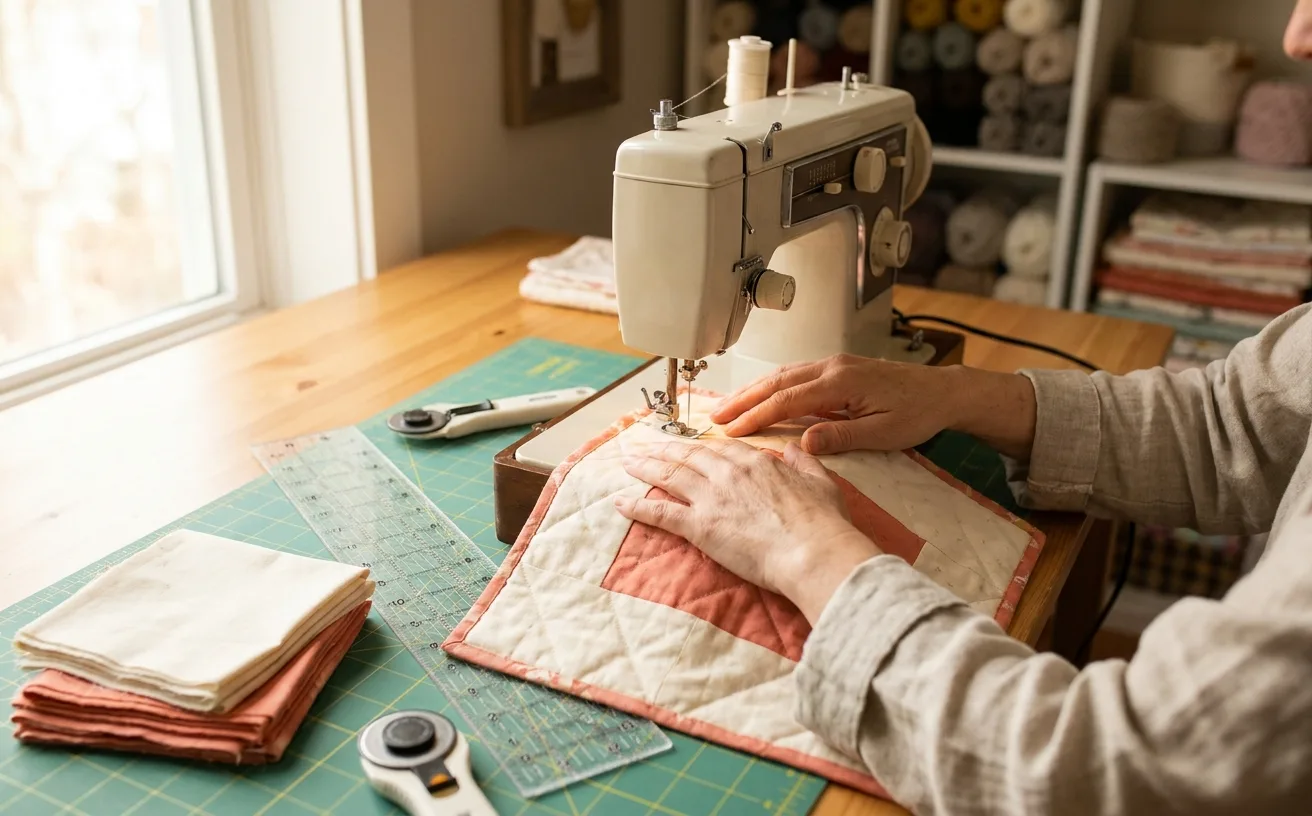
What a quilt sandwich is, why your regular machine is enough, the rotary cutting trio, and how to piece, baste, quilt and bind a first baby quilt.
SewingPath Editorial10 minAugust 3, 2026
How to thread the machine. Why the thread keeps nesting underneath. Which needle for which fabric. What a serger actually does. Short answers first, no assumed vocabulary, and no pretending we tested something we researched.
Looking for something to make instead? The project library is the outcome half of this site — guides teach a skill, projects produce an object.
Showing 25–36 of 36 guides
What a quilt sandwich is, why your regular machine is enough, the rotary cutting trio, and how to piece, baste, quilt and bind a first baby quilt.
What hoop size lets you sell, which entry machines are worth starting on, and the recurring costs — stabilizer, thread, digitizing — nobody budgets for.
Four beginner embroidery machines researched from listings, specs and measured owner feedback, plus the honest answer on 4x4 versus 5x7 hoops and why stabilizer comes first.
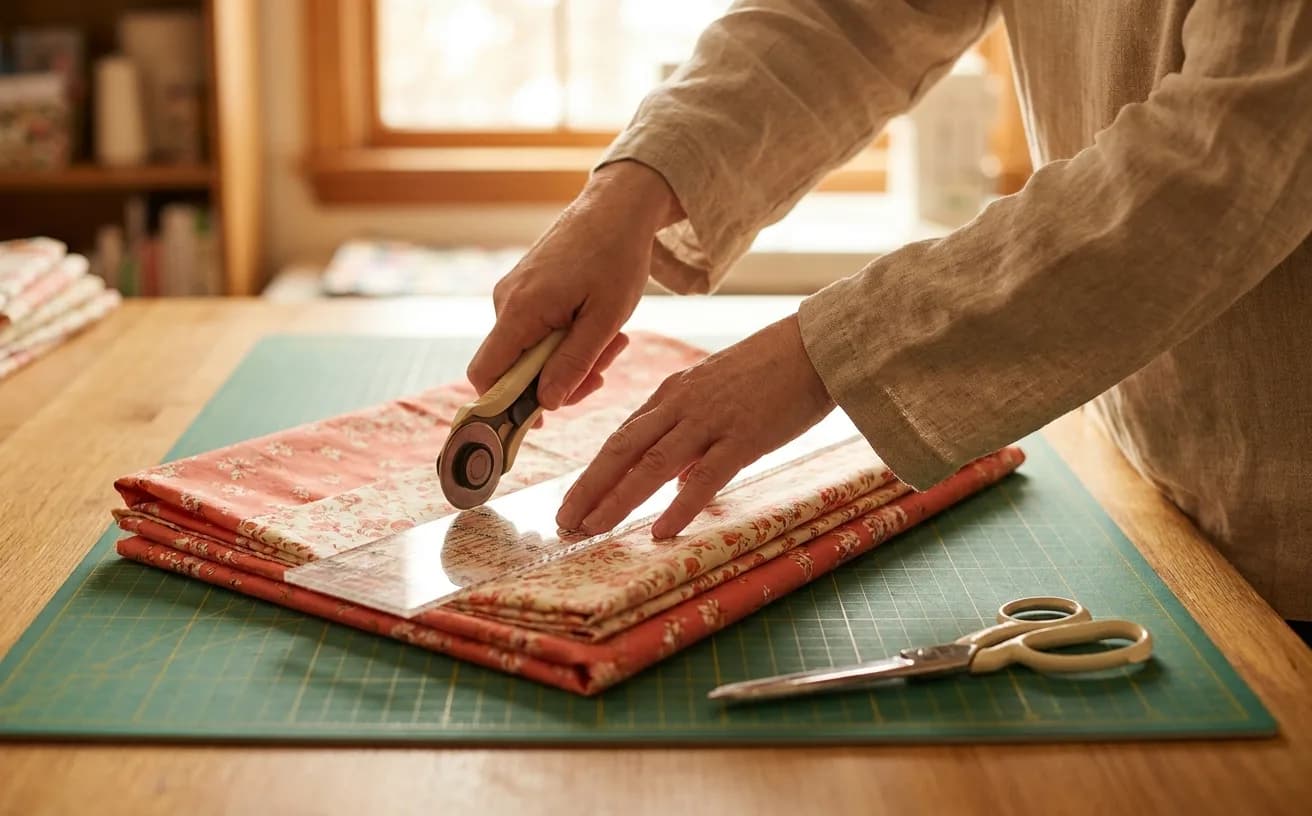
Scissors cut curves and need nothing. A rotary cutter cuts long straight lines and needs a mat and a ruler. Which to buy first, and when to add the trio.
Decode a sewing pattern envelope, instruction sheet and tissue symbols — grainline, notches, darts and seam allowance — right through to your first cut.
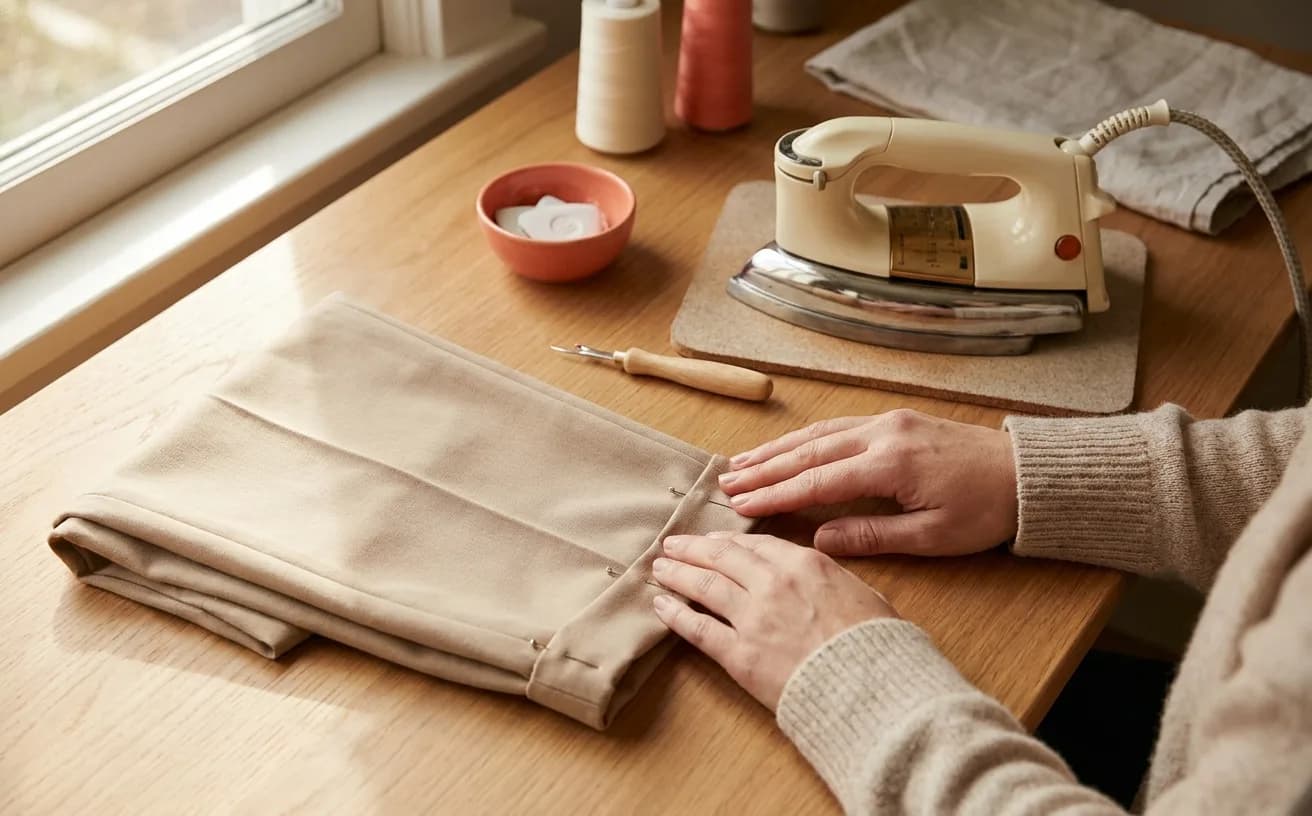
Four ways to hem pants — machine straight stitch, hand blind hem, the keep-the-original-hem jeans trick, and when hem tape is honestly the right call.
The full run of beginner sewing projects in order, from a hand-sewn button to a lined jacket, with what each one teaches and how long it honestly takes.
Five beginner sewing machines under $250, researched from listings, specs and measured owner feedback — and what actually matters on a first machine.
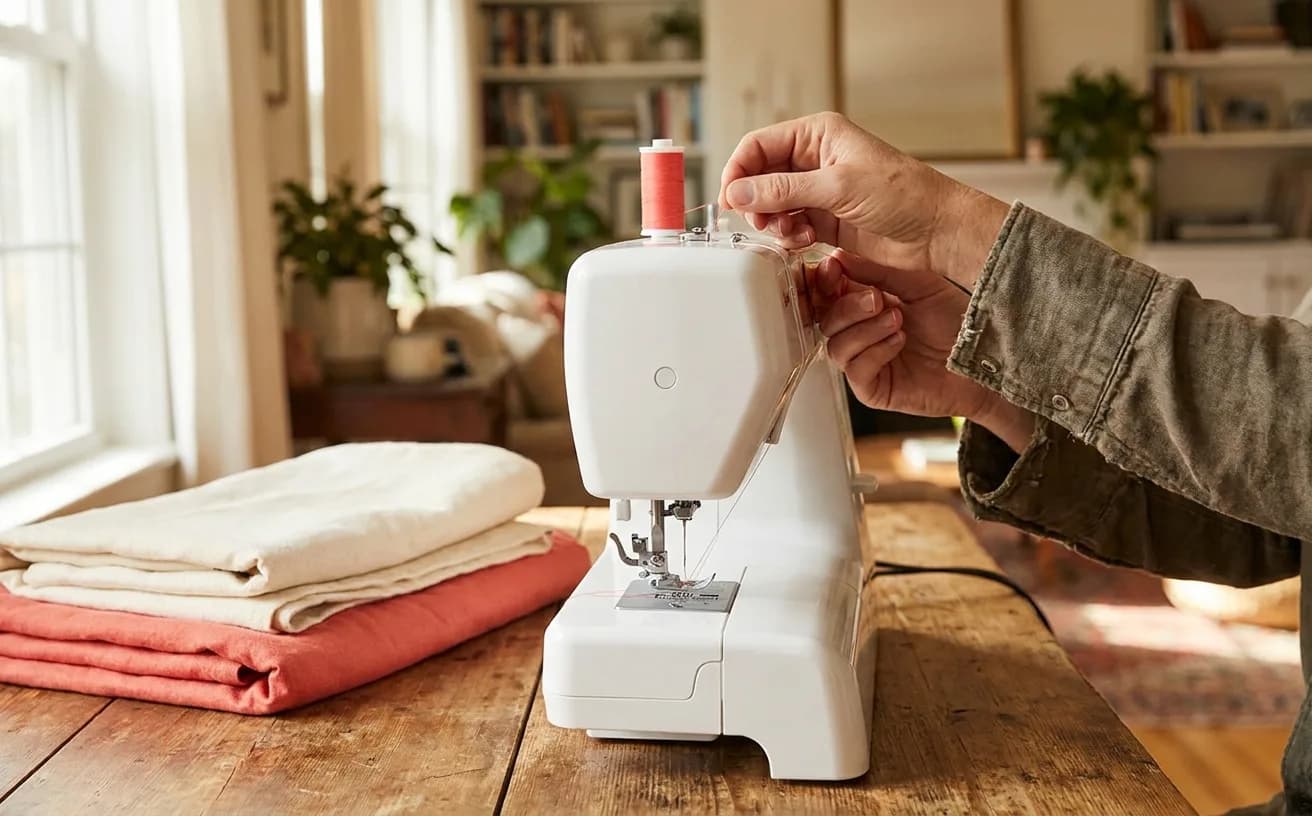
The upper thread path, winding and inserting a bobbin, and the five mistakes behind almost every nest of thread under your fabric.
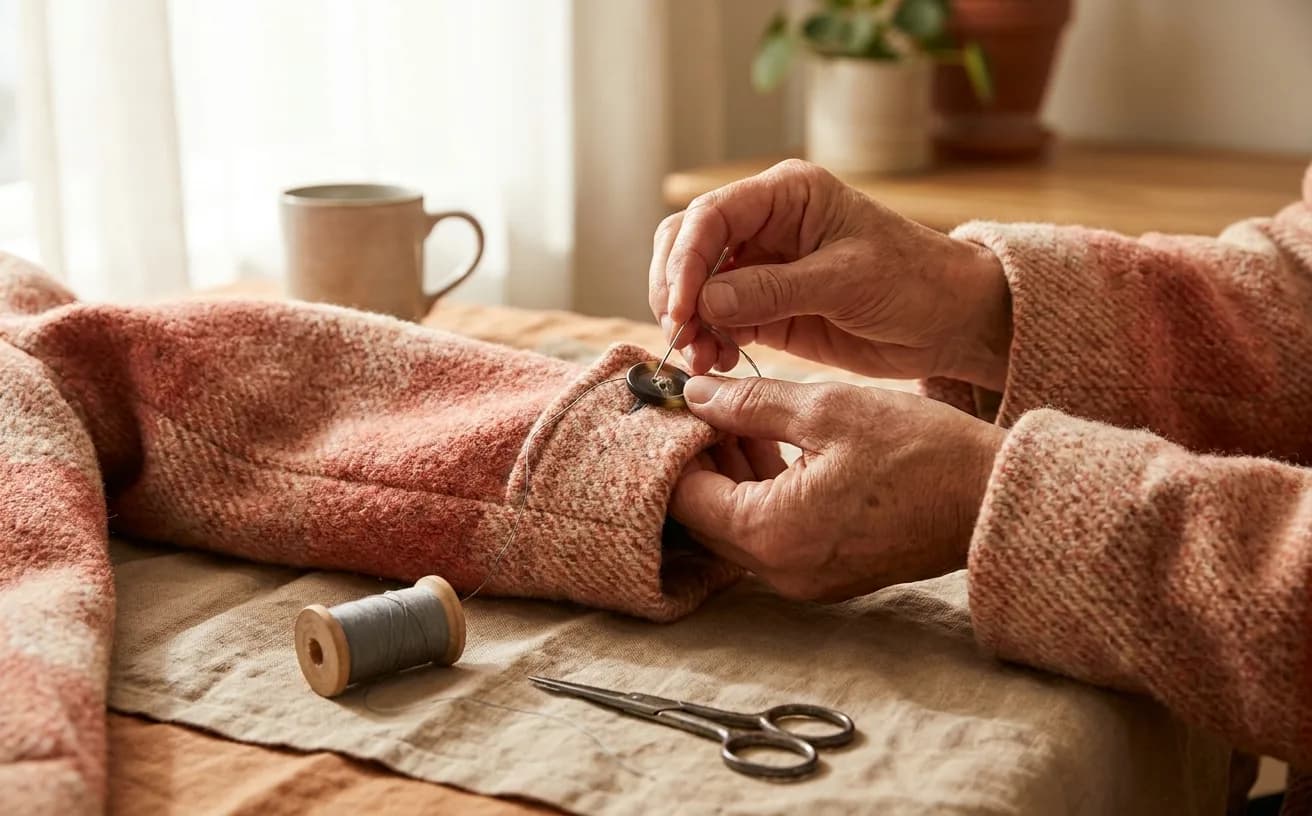
Sewing a button back on with a needle, thread and scissors — flat and shank buttons, the doubled-thread rule, and the thread shank coats need.
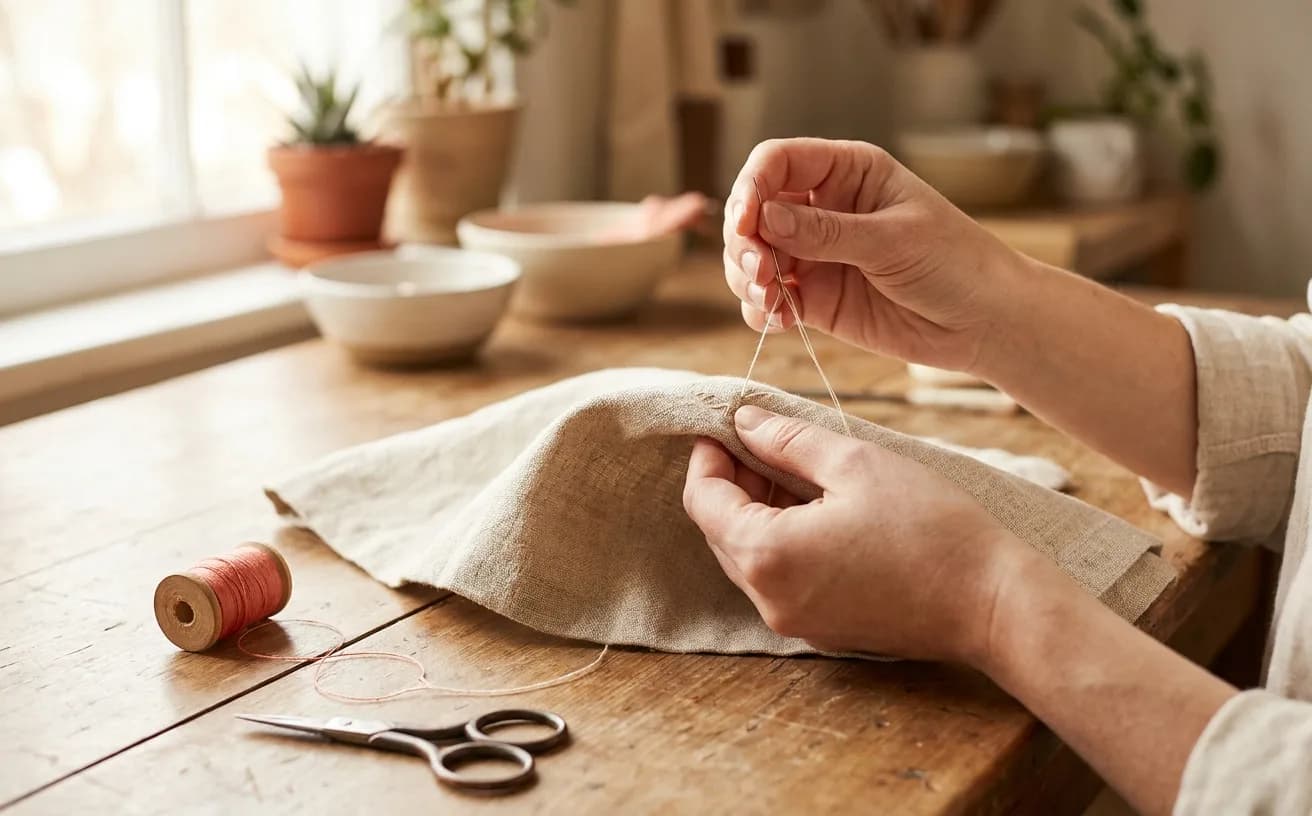
The six hand stitches that cover almost every repair and first project: running, back, whip, slip, blanket and basting — plus the mistake each one hides.
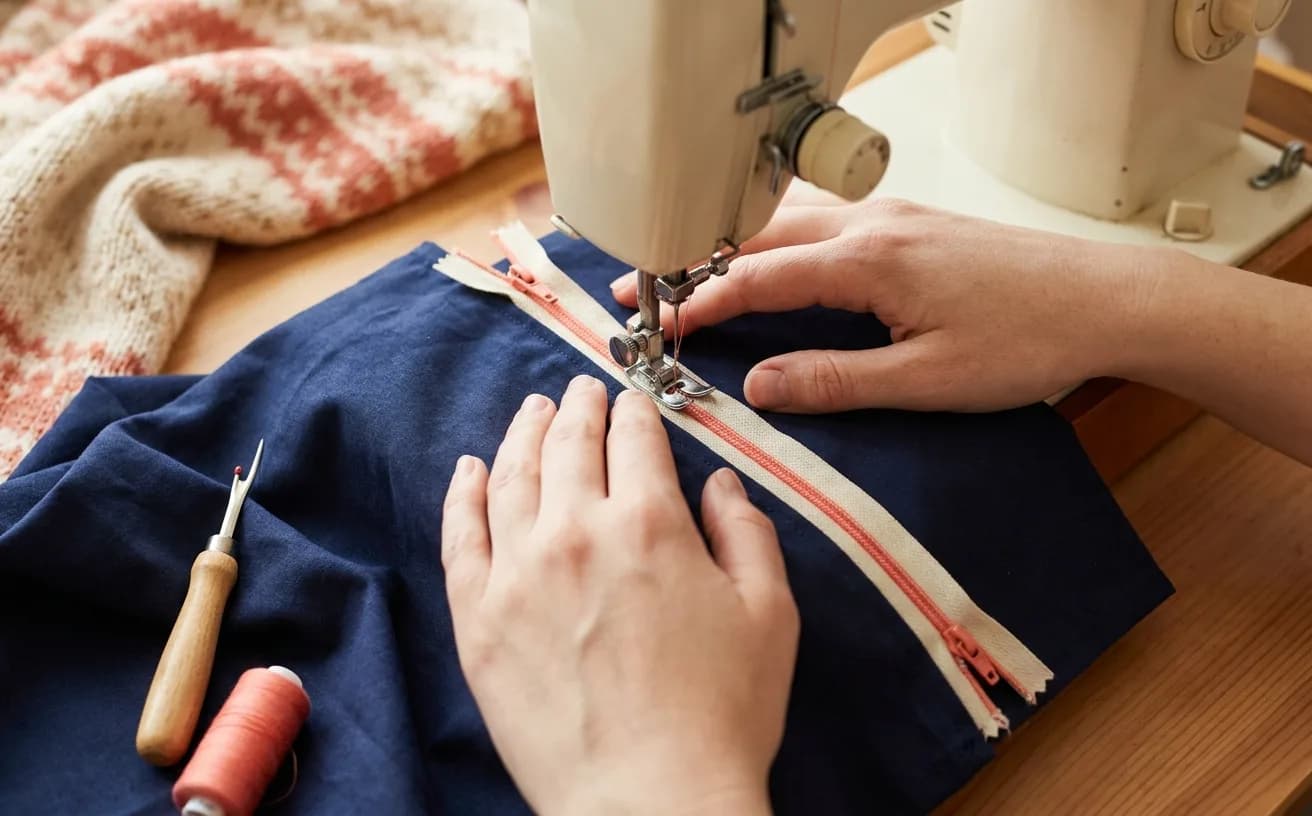
Sewing a centered zipper with a zipper foot, then lapped and invisible zippers — including the basting trick that makes the whole thing calm.