Sewing Machines
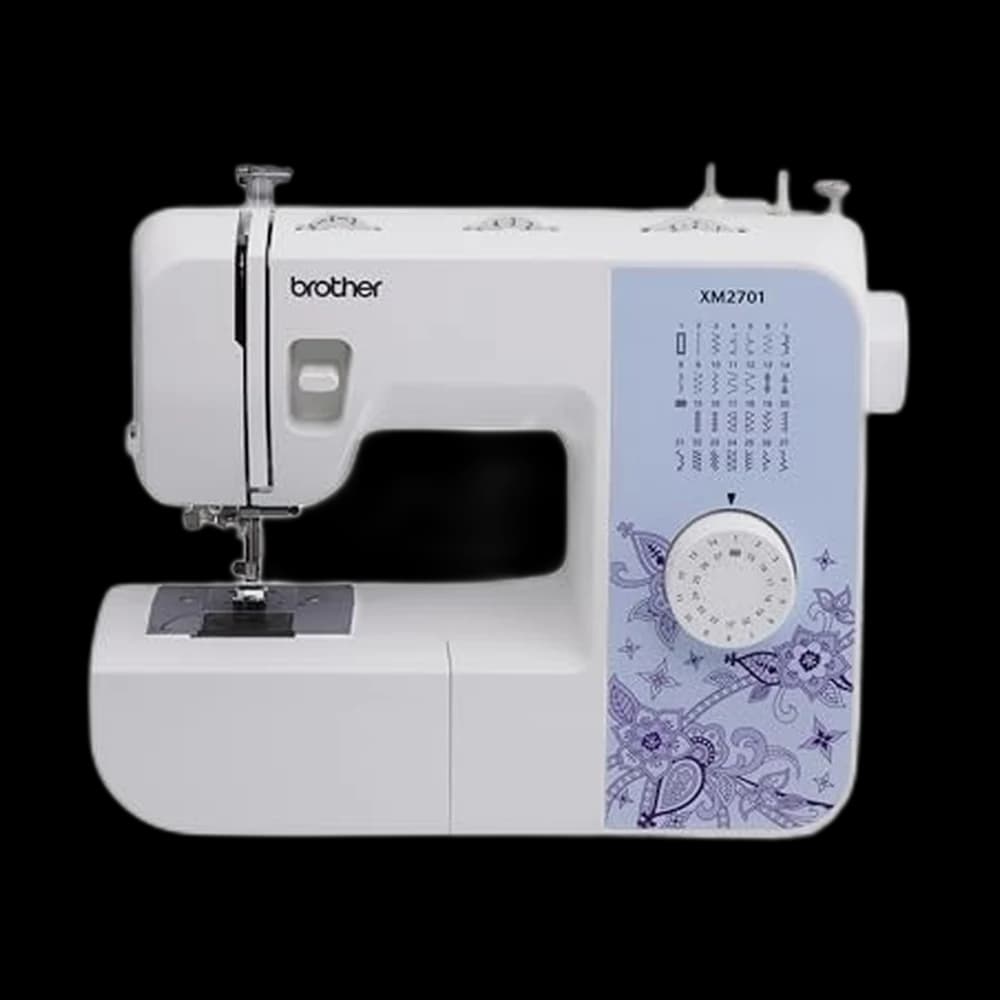
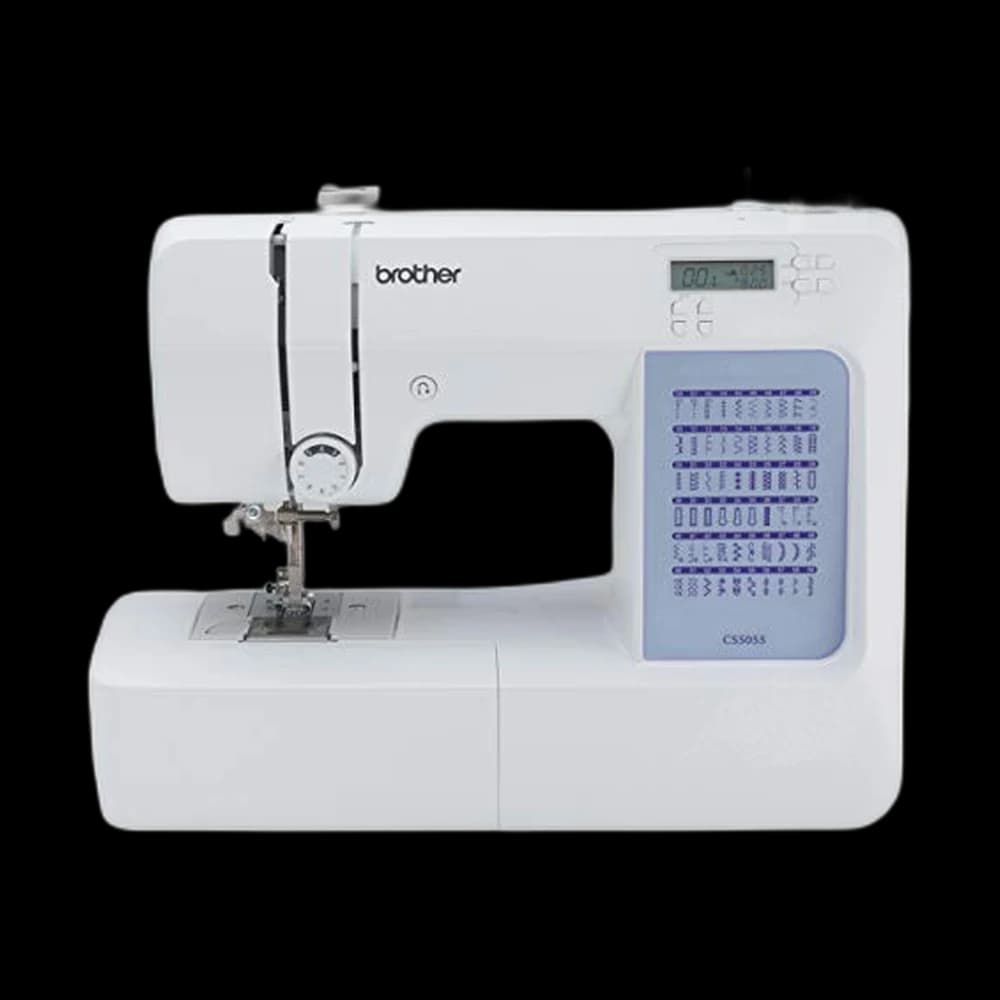
Everything here is a full-size household machine in the $100-$500 range, and the Brother XM2701 is the one we would start most beginners on: a dial machine with 27 stitches, an automatic needle threader and a drop-in bobbin. The Brother CS5055 sits close on price and adds an LCD and 60 stitches, but the XM2701 asks fewer decisions of a first-time sewist and carries a much larger owner-review record.
5 picks · $134–$270 · prices checked October 8, 2026 · researched from listings, specs and owner feedback, not hands-on testing
Brother XM2701 Lightweight Sewing Machine — $143.14. A first machine — 27 built-in stitches is enough to sew clothes without a menu to decode, and…. See why
We may earn a commission from Amazon — it never changes a score.
Filter picks5 of 5
Showing 5 of 5 picks — no filters applied
Showing 5 of 5 picks — no filters applied
Not sure which one is yours? The Machine Finder asks what you want to make and what you can spend, and narrows it to three.
Sewing Machines compared
- Top pickOur pick
Brother XM2701 Lightweight Sewing Machine
$143.14StitchScore 85 4.6 out of 5 stars · 19,162 ratings
A first machine — 27 built-in stitches is enough to sew clothes without a menu to decode, and…
- #2Budget
Brother CS5055 Computerized Sewing Machine
$134StitchScore 82 4.6 out of 5 stars · 3,580 ratings
The cheapest way here into a computerized machine — 60 stitches and seven one-step…
- #3Step up
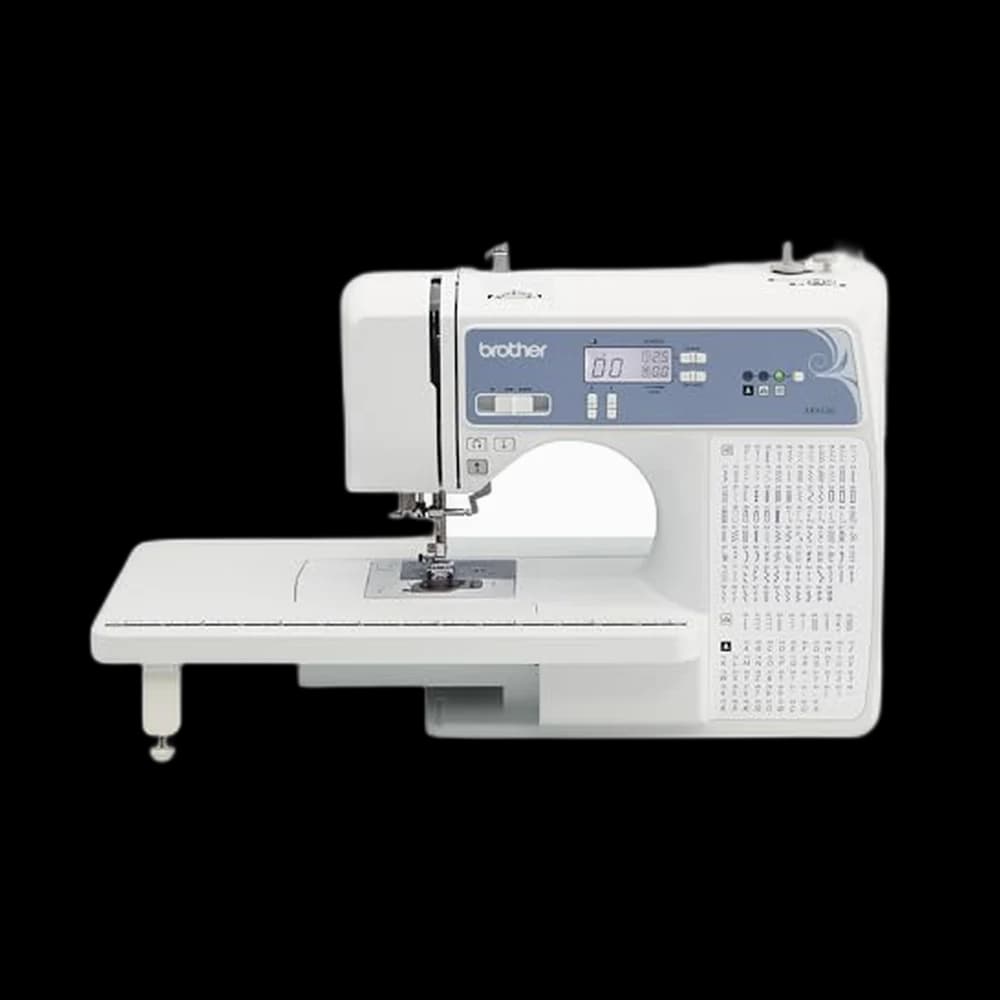
Brother XR9550 Sewing and Quilting Machine
$269.99StitchScore 75 4.6 out of 5 stars · 4,741 ratings
Knowing already that you want to quilt — 165 stitches, an LCD, and the wide table plus eight…
- #4
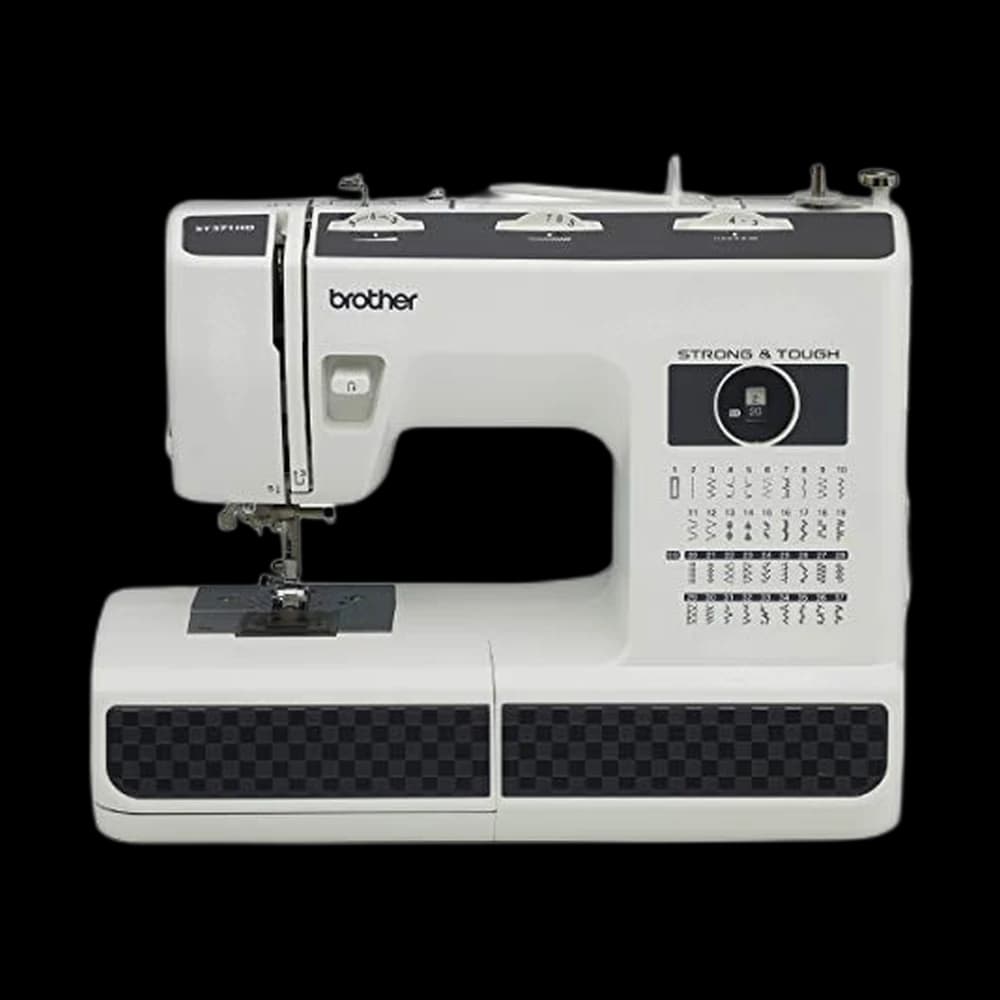
Brother ST371HD Strong & Tough Sewing Machine
$239.99StitchScore 74 4.6 out of 5 stars · 2,877 ratings
Thicker fabric and mending — Brother sells this one on being strong and tough rather than on…
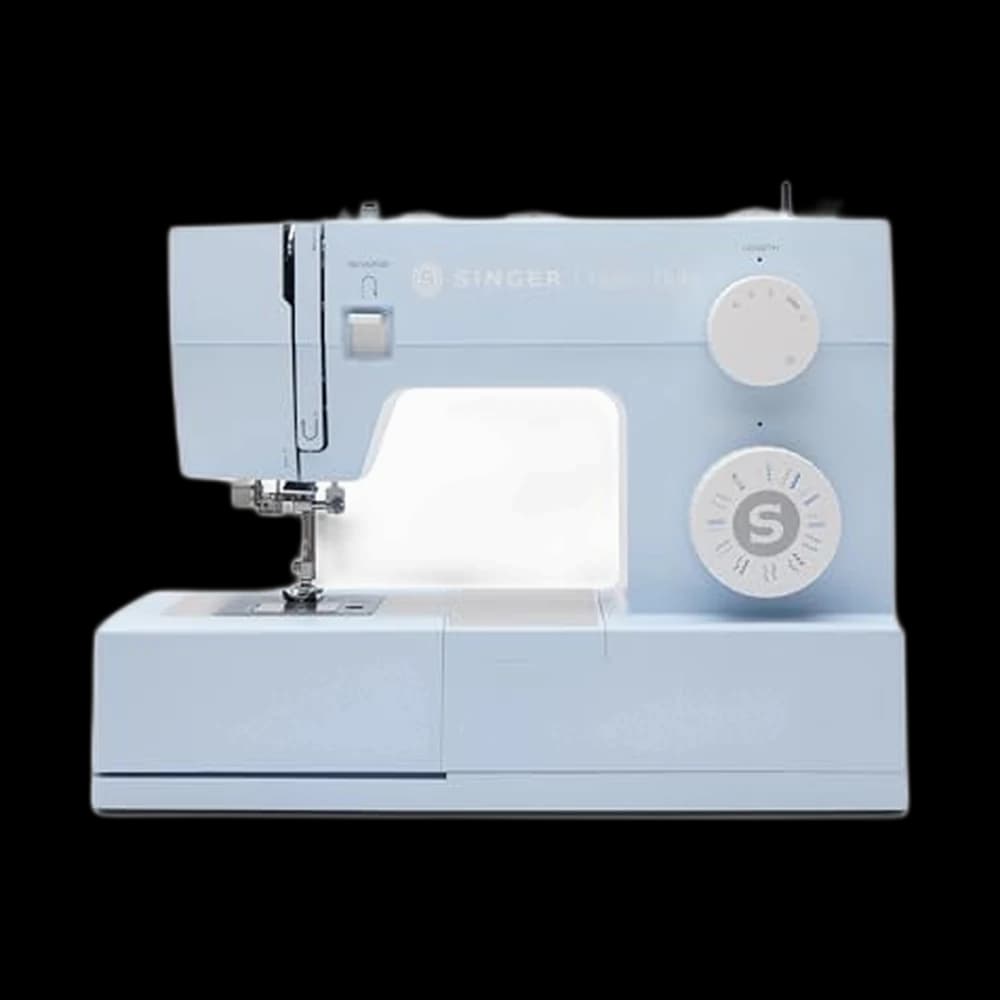
Sewing fast on a dial-driven machine — SINGER states 1,100 stitches per minute, a 60%…
Scroll sideways for scores, prices and buy links
| Rank | Pick | Best for | StitchScore | Price | Buy |
|---|---|---|---|---|---|
| Editorial #1 | TopOur pickBrother XM2701 Lightweight Sewing Machine 4.6 out of 5 stars · 19,162 ratings | A first machine — 27 built-in stitches is enough to sew clothes without a menu to decode, and… | 85 | $143.14 | Buy on Amazon |
| Editorial #2 | BudgetBrother CS5055 Computerized Sewing Machine 4.6 out of 5 stars · 3,580 ratings | The cheapest way here into a computerized machine — 60 stitches and seven one-step… | 82 | $134 | Buy on Amazon |
| Editorial #3 | Step upBrother XR9550 Sewing and Quilting Machine 4.6 out of 5 stars · 4,741 ratings | Knowing already that you want to quilt — 165 stitches, an LCD, and the wide table plus eight… | 75 | $269.99 | Buy on Amazon |
| Editorial #4 | Brother ST371HD Strong & Tough Sewing Machine 4.6 out of 5 stars · 2,877 ratings | Thicker fabric and mending — Brother sells this one on being strong and tough rather than on… | 74 | $239.99 | Buy on Amazon |
| Editorial #5 | SINGER 4423 Heavy Duty Sewing Machine 4.5 out of 5 stars · 21,228 ratings | Sewing fast on a dial-driven machine — SINGER states 1,100 stitches per minute, a 60%… | 69 | $239.99 | Buy on Amazon |
Compare two picks
Tap an unselected chip to compare it with your current right-hand pick — all 5 picks available.
What goes with Sewing Machines
The things this shelf usually needs alongside it — one current pick per category, and nothing here is required to start.
 Machine Needles
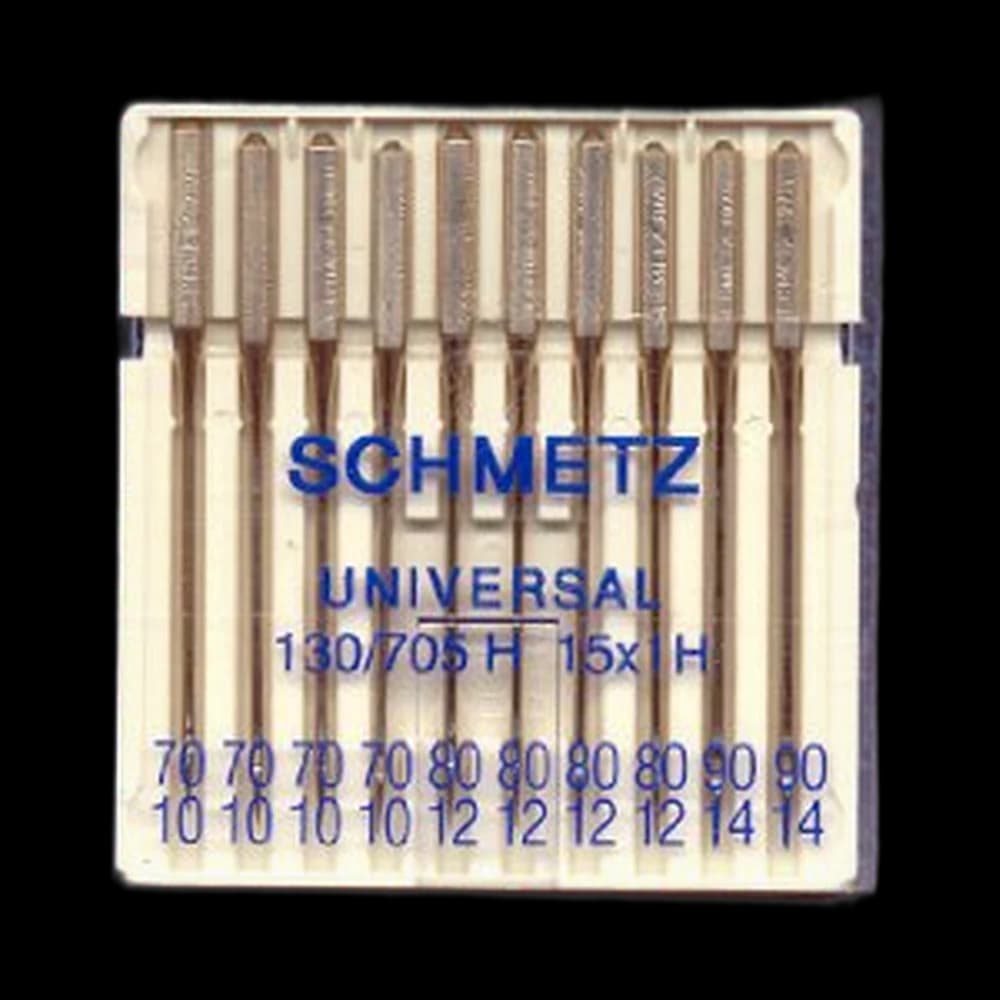
SCHMETZ Universal 130/705$7.45 4.8 out of 5 stars · 709 ratings
A machine ships with one needle. Fabric decides the rest.
 Thread
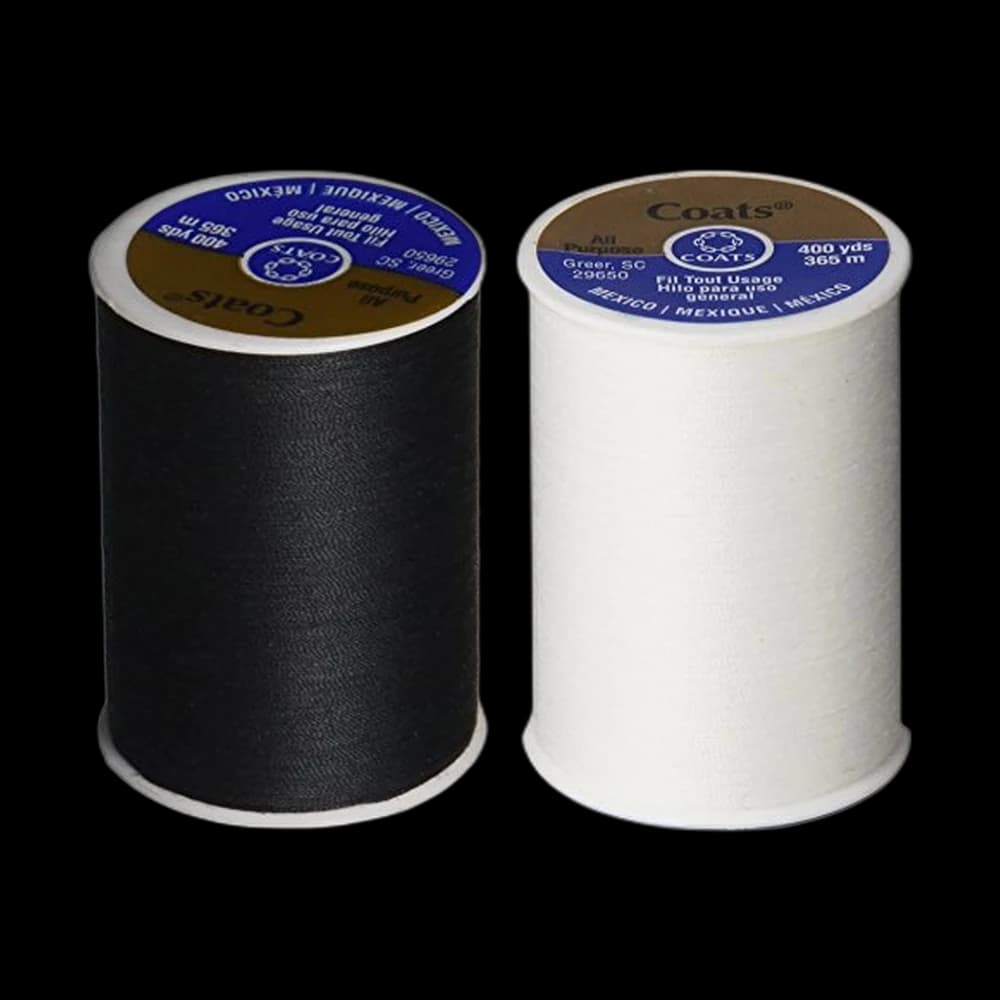
Coats & Clark thread$8.50 4.7 out of 5 stars · 4,705 ratings
All-purpose polyester is what almost every first project wants.
Researched from listings, specs and owner feedback — never hands-on testing. We may earn a commission; it never changes a pick.
Guides that go with Sewing Machines
How to choose a beginner sewing machine
The criteria that matter most when choosing a first sewing machine, in the order they actually change the decision.
- The three stitches you will actually use — A first machine only has to sew a straight stitch, a zigzag and a buttonhole well. Those three cover every project in Levels 0 to 2 of The Pattern, and a 170-stitch machine sews them no better than a 20-stitch one. Count the stitches you will use, not the ones printed on the box.
- How the buttonhole is made — A one-step buttonhole sews the whole hole in a single pass once you drop the buttonhole foot; a four-step asks you to turn a dial at each side and stop in the right place. Both produce a working buttonhole, and a four-step is not a reason to reject a machine. It is, though, the feature that most changes how a beginner feels about their first shirt.
- How the bobbin loads — A drop-in bobbin sits under a clear plate where you can see the thread running out; a front-loading bobbin lives in a removable case behind a door. Drop-in is easier to learn, easier to unjam and is what most machines under $250 use. Neither sews better than the other.
- Weight, and where the machine will live — A machine that has to be lifted out of a cupboard gets used when it is light enough to lift without planning the evening around it. Heavier machines with more metal in them feed thick fabric better and move less at speed, which starts to matter once you sew denim or coats rather than cotton.
- What is actually in the box — Most machines ship with a zigzag foot, a zipper foot and a buttonhole foot; a walking foot, a blind-hem foot and an extension table are usually extra. Read the included-accessories list rather than assuming, because the feet you have decide which projects are comfortable in the first month.
- Whether it can be serviced and read about — A machine from a brand a local repair shop recognises, with a manual published online, can be adjusted, repaired and resold. An unbranded listing with no downloadable manual usually cannot be, which turns a cheap machine into a disposable one.
Often overlooked: the consumables the machine ties you to. Bobbins, needles and presser feet are the things you buy again and again. A machine that takes a common bobbin class and standard low-shank feet can be fed from any sewing shop for the rest of its life; one with a proprietary bobbin or an unusual shank means ordering from a single seller forever. Nobody checks this before buying, and it costs more over five years than the price difference between two machines.
Frequently asked
- How much should a beginner spend on a first sewing machine?
- Most beginners are well served between $100 and $250. That range buys a machine that sews a straight stitch, a zigzag and a buttonhole reliably, which is every stitch the first ten projects need. SewingPath keeps its top sewing-machine pick at or under $500 and recommends nothing above $1,500, because spending four figures before you know whether you enjoy sewing is how a machine ends up unused in a closet.
- Should a beginner buy a mechanical or a computerized sewing machine?
- Either. A mechanical machine sets stitch type and length with dials and has fewer electronics to fail; a computerized one adds a screen, stitch presets and usually a needle up-down button. Both sew the same seams on the same fabric, and threading the machine correctly matters far more to the result than which of the two you chose.
- Do I need a sewing machine to start sewing?
- No. Level 0 of The Pattern is entirely hand-sewn: a button, a fallen hem, a felt keyring and scrunchies, using a needle, thread and small scissors for under about $25. Borrowing a machine from a relative, or using one at a library makerspace, is a completely valid way to do the Level 1 machine projects too.
- How many built-in stitches does a beginner sewing machine need?
- Three: straight, zigzag and a buttonhole. Beginner machines advertise anywhere between about 20 and 170 built-in stitches, and the count is close to irrelevant to a new sewer, because the decorative stitches are the ones almost nobody uses twice. Judge a machine on how it handles those three rather than on the number on the box.
- What else do I need to buy with a sewing machine?
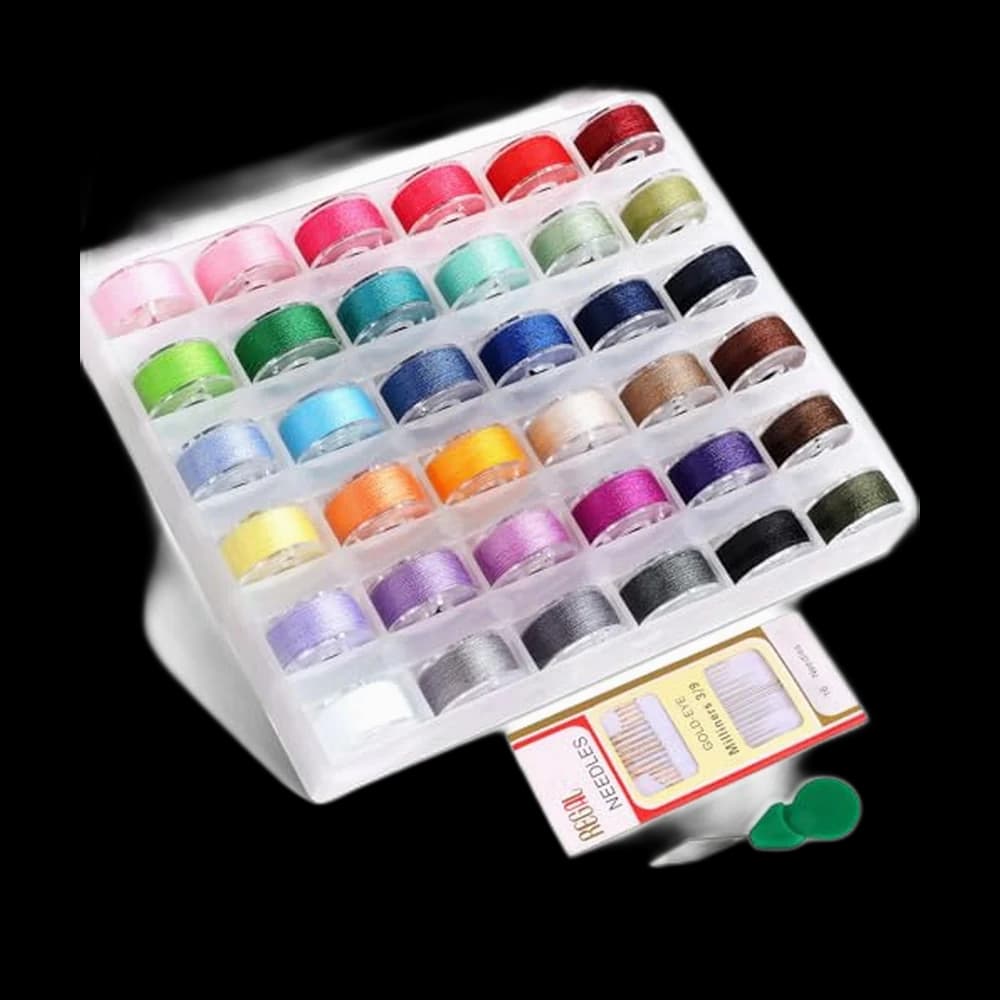
- Thread, machine needles, bobbins and something to press seams with. A machine arrives with a starter set of feet and a few bobbins; needles and thread are the parts that run out. An iron matters more than most beginners expect, because pressing each seam as you sew is most of the difference between a homemade finish and a made one.
- Is Brother or Singer better for beginners?
- Neither brand is better across the board, so compare models rather than logos. Most of our current picks are Brother because the ranking follows owner ratings and value model by model, and every Brother pick here lists a drop-in top bobbin and an automatic needle threader. The SINGER on this shelf lists a threader too, and adds a metal interior frame and a stated top speed of 1,100 stitches per minute. Both brands publish their manuals online.
Prices and availability are the most recent values we pulled from Amazon and refresh on a cycle; confirm the live price before buying. We may earn a commission on a purchase, and it never changes a score. See how we score gear.