Where to Take Sewing Classes Now That Joann Is Closed
Our picks, at a glance
- Top pick
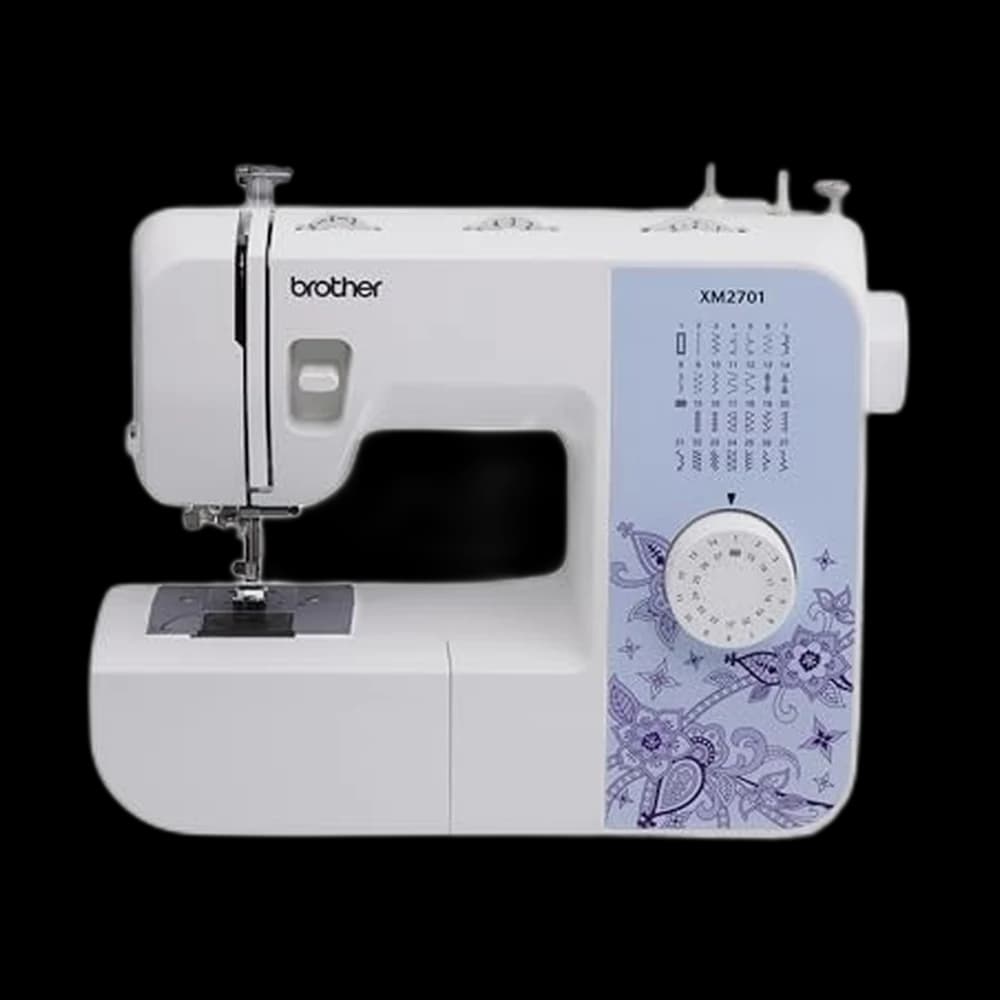
Brother XM2701 Lightweight Sewing Machine
$143.14StitchScore 85 4.6 out of 5 stars · 19,162 ratings
- #2
Proshear Professional Tailor Scissors, 9 Inch Heavy Duty Fabric Shears
$8.99StitchScore 93 4.8 out of 5 stars · 4,040 ratings
- #3
Coats & Clark Dual Duty Thread, Black & White
$8.50StitchScore 82 4.7 out of 5 stars · 4,705 ratings
- #4
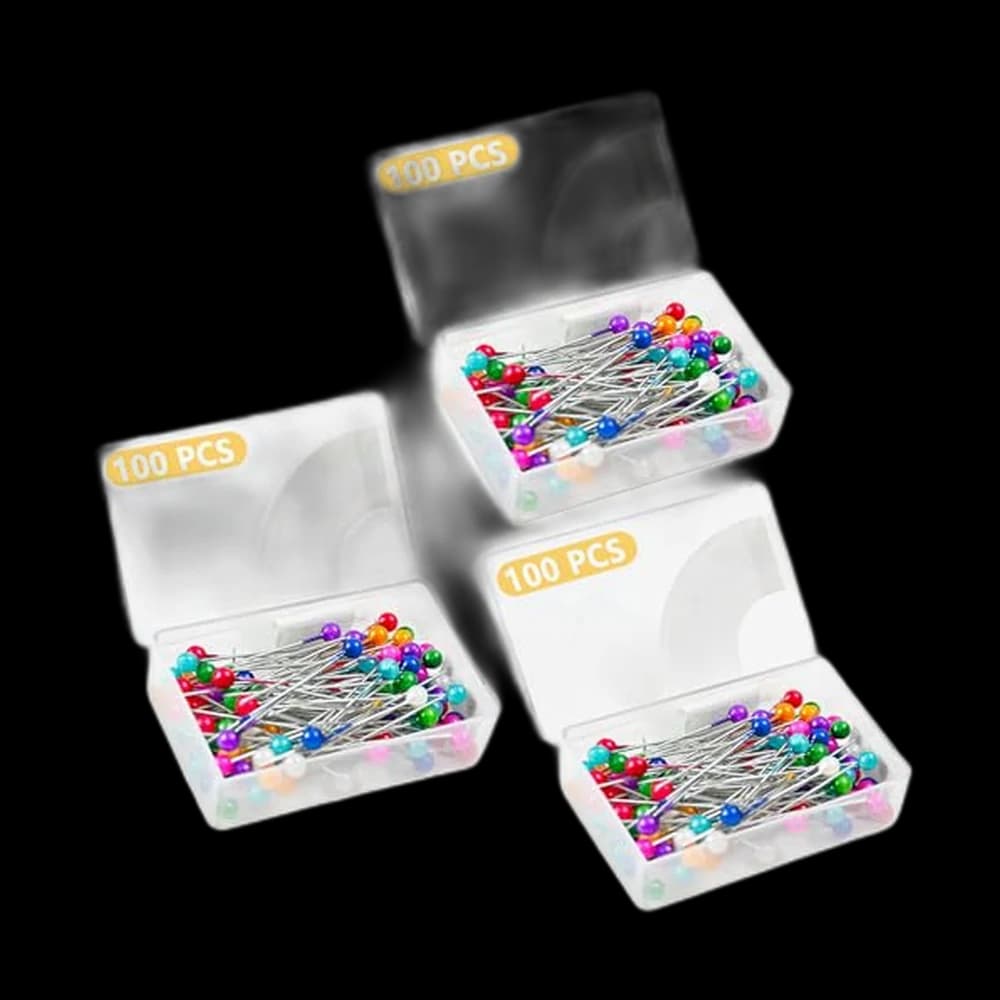
DTDNZKN 300PCS Sewing Pins with Glass Ball Heads
$3.99StitchScore 83 4.6 out of 5 stars · 530 ratings
The short version
- Joann closed its last stores on May 30, 2025. Michaels bought the brand names and private labels, but none of the stores.
- Independent fabric and quilt shops now run most hands-on beginner classes, and quilt shops often teach general learn-to-sew too.
- Sewing machine dealers, community colleges, adult education, library makerspaces and guilds are the other places classes live.
- Search maps for shops, not classes, then open each shop's own class calendar.
- Before you pay, ask whether a machine is provided, what you will finish, and the total cost including materials.
- If nothing is near you, learn Levels 0 and 1 free online, then book one in-person class when you need another pair of eyes.
If you searched for sewing classes near you and kept finding a closed Joann, you are not imagining the gap. Joann filed for Chapter 11 bankruptcy for the second time in January 2025, NPR reported that it was closing all of its roughly 800 stores across 49 states, and the last stores closed on May 30, 2025. Michaels bought Joann's brand names and private labels, but none of its stores. For a lot of people, the big fabric store at the edge of town was the obvious first place to look for a beginner class, and that default is gone.
The classes themselves did not vanish with it. Beginner sewing is still taught all over the country; it just lives in smaller, less obvious places now. This page is not a directory. We do not list local businesses, because we cannot visit them and a list we could not check would go stale the week we published it. What we can do is tell you where classes are now, how to find the ones near you in about ten minutes, what to ask before you pay, and what to do if there is nothing nearby at all.
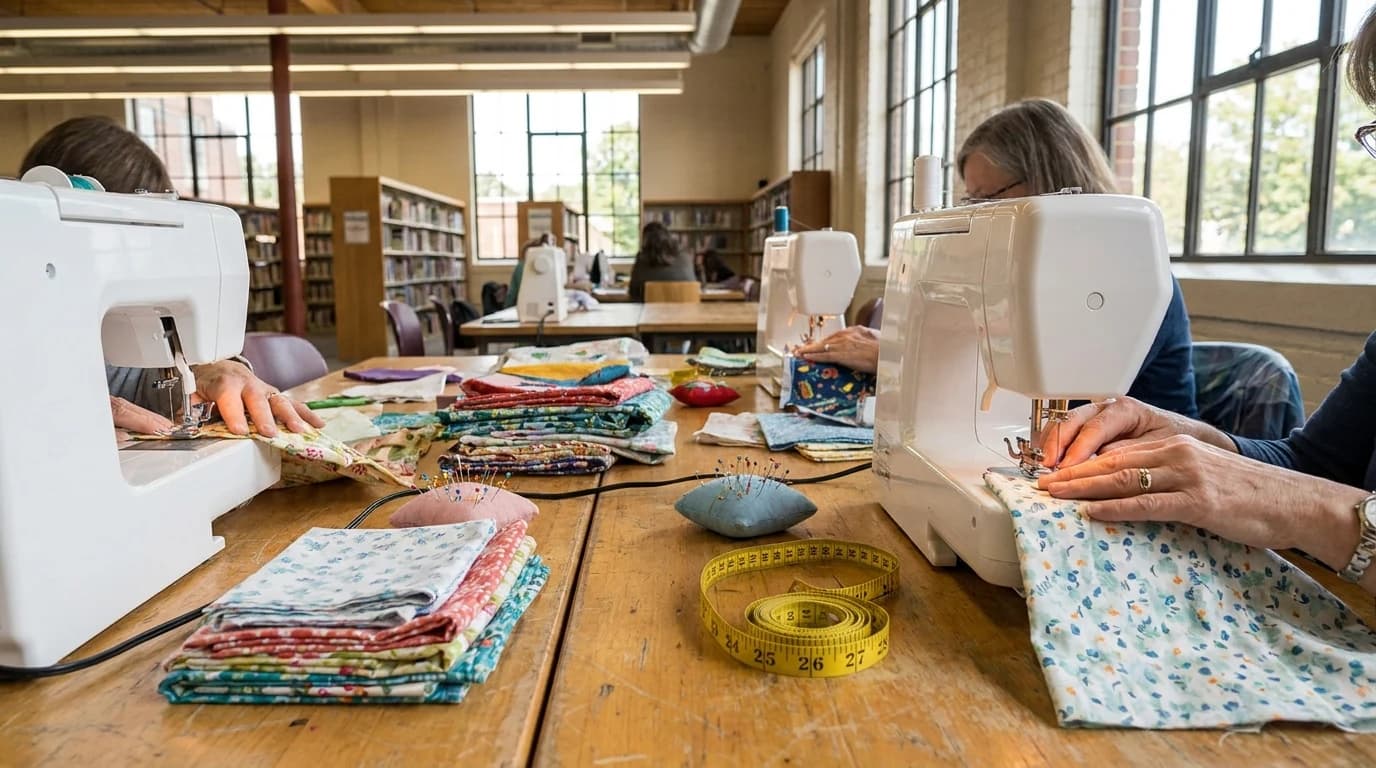
Where beginner sewing classes are now
| Where | What they usually teach | Machine provided? | How to find one |
|---|---|---|---|
| Independent fabric and quilt shops | Learn-to-sew basics, a first quilt, bags, often a beginner garment | Varies; many ask you to bring yours | Search "quilt shop" or "fabric store" plus your town, then open the shop's class calendar |
| Sewing machine dealers | Getting to know your machine, plus general classes | Usually yours, or theirs on loan in class | Each machine brand's dealer locator, or "sewing machine dealer" plus your town |
| Community colleges and adult education | Multi-week beginner sewing, garment construction, sometimes pattern making | Often provided in a sewing lab | Your community college's continuing-education catalog, or your school district's adult-ed listings |
| Public library makerspaces | Short intro sessions, open lab time on shared machines | Yes, where they exist | Your library's events calendar; search the library site for "sewing machine" |
| Sewing studios and lounges | Drop-in workshops, open studio time, birthday and kids' classes | Usually provided | "Sewing studio" or "sewing lounge" plus your town |
| Guilds | Meetings, workshops, sew-ins, mentoring from experienced members | Bring your own | The American Sewing Guild's chapter locator; "quilt guild" plus your county |
| Kids' programs | Hand sewing, first machine projects, county-fair projects | Varies | Your county Extension office's 4-H program; local studios' summer camps |
| Online, free | A full beginner course, at your own pace | You use your own | SewingPath's free course, no sign-up |
A few of these deserve a sentence more.
Fabric and quilt shops are the closest thing to what Joann used to be for a beginner, and the independent ones are where most hands-on classes now live. Quilt shops in particular tend to run a steady calendar of beginner workshops, because a first quilt is how they meet new customers. Do not let the word "quilt" put you off if you want to sew clothes; plenty of quilt shops run general learn-to-sew sessions, and the threading, bobbin and straight-seam skills are identical.
Sewing machine dealers are easy to overlook. A dealer that sells a machine often teaches people to use it, and some include lessons with a machine bought in the store. If you are going to buy a machine anyway, ask what comes with it before you buy online. That is a genuine reason to pay a dealer's price.
Community colleges and adult education are the place to look if you want a multi-week course with a teacher who sees your work every week, rather than a one-evening workshop. Fashion and apparel programs sometimes open their beginner construction classes to non-degree students, and district adult-ed catalogs often carry a beginning sewing class that never shows up in a web search.
Guilds are not classes in the paid sense, but they are where experienced sewists are. The American Sewing Guild has chapters across the country and smaller neighborhood groups, and its site says its classes are open to non-members as well as members. Local quilt guilds work the same way: meetings, workshops, and people who will happily look at your tension problem.
How to find a class near you in ten minutes
Search engines and maps are bad at the word "class." They are good at the word "shop." So search for the places, then look for their calendars.
- Map search "quilt shop" and "fabric store" within a drive you would actually make. Open each website and look for a page called Classes, Workshops or Events. Shops update these pages more reliably than any listings site.
- Search "sewing machine dealer" plus your town, and check the dealer locator on the site of any brand you are considering. Phone the nearest one and ask whether they teach beginners who did not buy from them.
- Open your community college's continuing-education catalog and search it for "sewing." Then do the same for your school district or city's adult education and parks-and-recreation programs.
- Search your library's website for "sewing machine." If a branch has a makerspace with machines, it will usually say so, along with any intro sessions you have to attend before using one alone.
- Use the ASG chapter locator and search "quilt guild" plus your county. Email the contact and ask whether they run beginner workshops or know who does.
If the first pass turns up nothing, widen the radius once, then stop and go to the online section below. A class an hour away that you attend once is worth less than a course at home you actually finish.
What to ask before you book
Class descriptions are short and every shop writes them differently. These questions sort out most of the surprises.
- Is a machine provided, or do I bring my own? If you own a machine, bring it. Learning to thread and troubleshoot your own machine in front of a teacher is the most valuable hour a beginner class can give you.
- What will I leave with? A good first class ends with a finished object: a pillowcase, a tote, a zip pouch. A class that is all theory is harder to remember.
- Is there a supply list, and is fabric included? Ask for the total cost with materials, not just the class fee.
- How many students per teacher? Small groups mean someone actually watches your hands.
- What does "beginner" mean here? Some beginner classes assume you can already thread a machine. If you cannot, say so before you pay.
- What happens if I miss a session? Multi-week courses vary a lot on make-ups.
What to bring to your first class
Most beginner classes send a supply list, and almost every one of them asks for the same handful of basics. If you own nothing yet, these are the pieces worth buying once, because you will use them in every class and every project afterwards. The full reasoning, item by item, is in our beginner sewing kit under $25.
| What | Why | Where to compare |
|---|---|---|
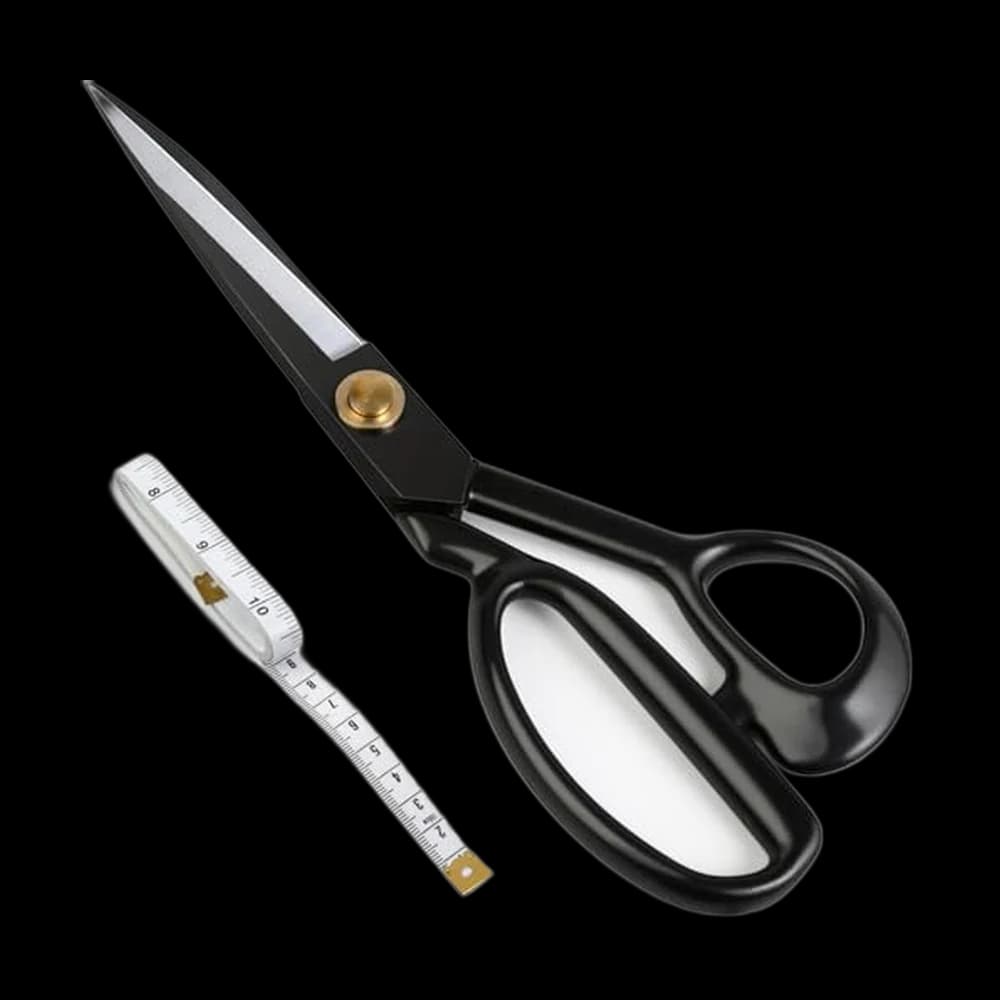
| Fabric scissors that never cut paper | Paper dulls the blade; a teacher will notice | Fabric scissors |
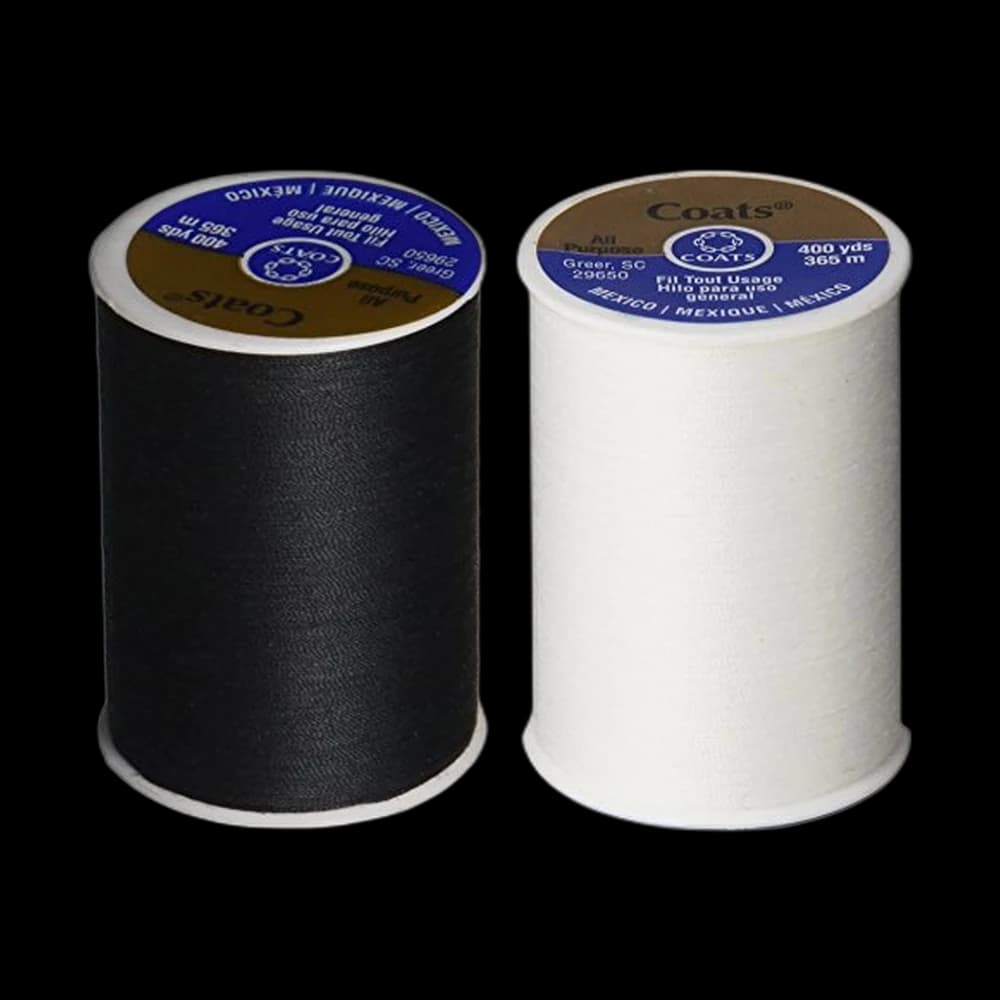
| All-purpose polyester thread, black and white | Covers almost every beginner class project | Thread |
| Pins with glass heads | They survive the iron | Pins and clips |
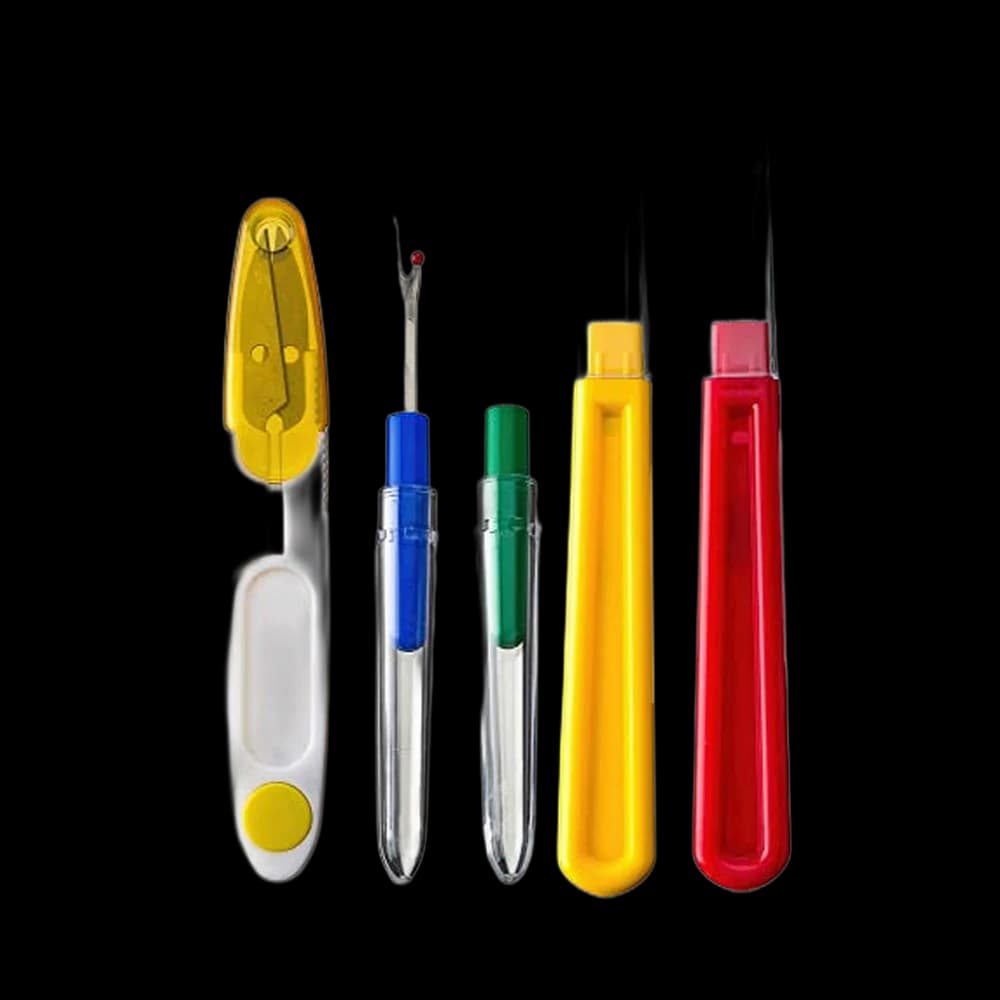
| A seam ripper | You will unpick something in your first hour | Seam rippers |
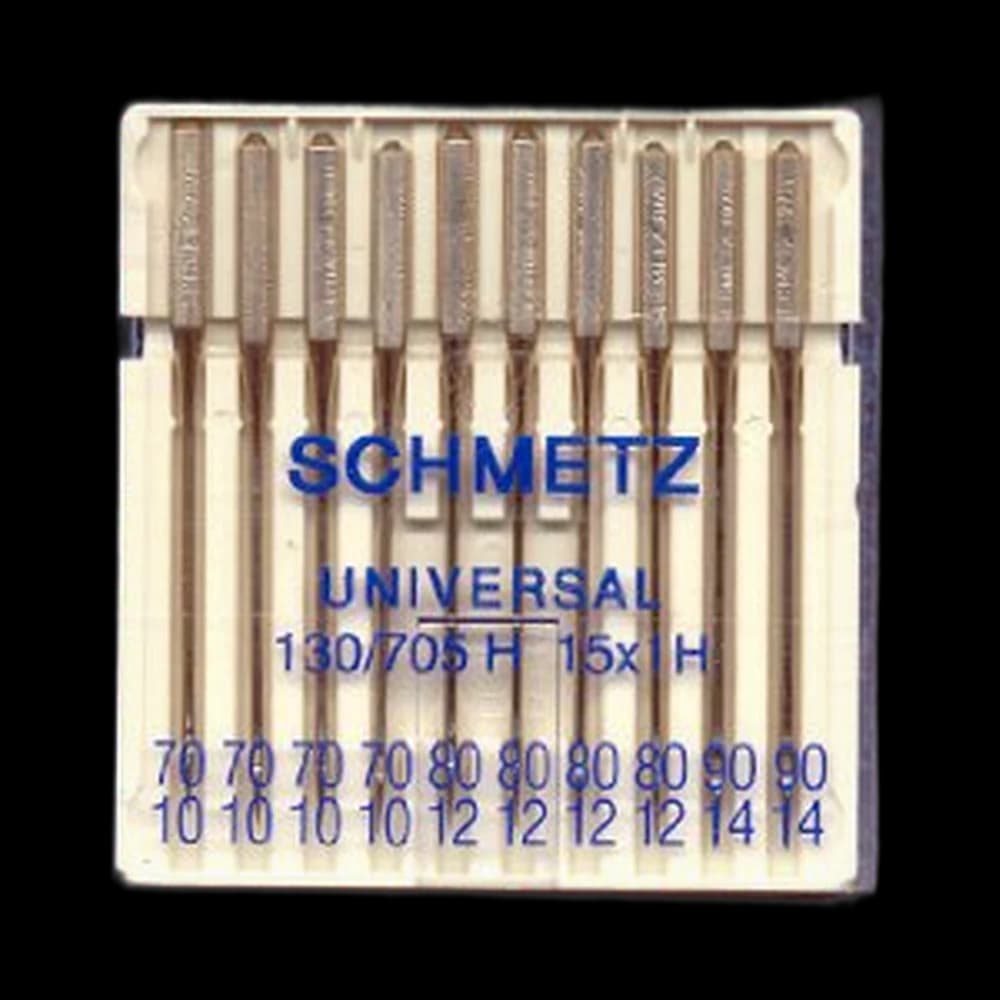
| Spare machine needles, size 80/12 | A bent or blunt needle ruins a class evening | Machine needles |
If the class says bring your own machine: Brother XM2701
If you need a machine of your own, our researched first-machine pick is the Brother XM2701, a simple dial machine with an automatic needle threader and a drop-in bobbin, which are the two steps beginners most often get stuck on. The alternatives, and why we picked it, are in the best beginner sewing machines under $250; you can also compare the whole sewing machines shelf. Do not buy a machine just for a class that provides one. Take the class first, and buy once you know you are carrying on.
What we'd buy for this
One pick per category, chosen from the research pages linked in this piece. Borrow before you buy — nothing here is required to start.
 Fabric Scissors
Proshear$8.99 4.8 out of 5 stars · 4,040 ratings
The least expensive pick in this category, which makes it the low-risk way to find out whether you'll keep at it; the handles are the ergonomic style, which matters more than it sounds once you are cutting out a whole garment.
 Thread
Coats & Clark thread$8.50 4.7 out of 5 stars · 4,705 ratings
 Pins & Fabric Clips
MumCraft 100$5.69 4.8 out of 5 stars · 45,086 ratings
Priced in the lower half of this category.
Researched from listings, specs and owner feedback — never hands-on testing. We may earn a commission; it never changes a pick.
If there is no class near you
Plenty of people live nowhere near a quilt shop, work evenings, or cannot spend a class fee on something they are not sure they will enjoy. That is the gap a free online course fills, and it is the reason this site exists.
SewingPath's free online sewing course is five levels, from sewing on a button by hand to garments, quilts and embroidery. There is no sign-up, no email and no locked lesson. Here is how it lines up against a typical beginner class:
| A beginner class usually covers | The free course equivalent |
|---|---|
| Hand stitches and sewing on a button | Level 0, The Curious, no machine needed |
| Threading, bobbins and a straight seam | Level 1, The Threader and how to thread a sewing machine |
| A first project to take home | A pillowcase or a tote bag |
| Zips, buttonholes and a first pattern | Level 2, The Stitcher |
| Watching someone do it | Hand-picked beginner videos, grouped by level |
Not sure where you fit? The two-minute level quiz places you.
Online or in person: an honest comparison
Neither is better at everything. In-person teaching wins on fitting a garment to a body, on diagnosing a machine that is misbehaving right now, and on the plain motivation of a booked evening. Online wins on cost, schedule and pace: you can repeat the threading lesson six times without anyone watching. The combination works well. Learn Levels 0 and 1 at home, then book one in-person class when you hit something you need another pair of eyes on, usually tension or fit.
Classes for kids
Children have their own set of options. County Extension offices run 4-H clothing and textiles projects; SDSU Extension's 4-H clothing and textiles page, for example, describes beginners learning to read patterns, cut fabric, sew by hand and sew on buttons. Local studios often run summer camps. If you would rather teach a child yourself, our free sewing lessons for kids are written for parents.
Other free courses on this site
Each of these follows the same idea, a sequence of lessons pointing at pages that already exist here:
- Free online quilting course for beginners, a first lap quilt from the first quarter-inch seam
- Learn to sew clothes, from threading the machine to a wrap skirt
- Free hand embroidery course, eight stitches and a finished hoop, no machine
Frequently asked
Does Joann still offer sewing classes?
No. Joann filed for bankruptcy a second time in January 2025 and closed its last stores on May 30, 2025. Michaels acquired Joann's brand names and private labels but none of its stores, so there are no Joann store classes to book.
Where can I take beginner sewing classes near me?
Look at independent fabric and quilt shops first, then sewing machine dealers, community college and adult-education catalogs, your public library's makerspace, sewing studios, and local guilds such as American Sewing Guild chapters. Search for the shops on a map, then open each one's class calendar.
Do I need my own sewing machine for a sewing class?
It depends on the class, so ask before you book. Library makerspaces, college sewing labs and studios usually provide machines, while many shop classes ask you to bring one. If you already own a machine, bringing it is worth it, because learning your own machine in front of a teacher is the most useful part of a first class.
Can I learn to sew online for free instead?
Yes. SewingPath's free online sewing course runs from hand sewing a button to garments, quilts and embroidery across five levels, with no sign-up and no email. Many people learn the first two levels at home and book an in-person class later for fitting or a machine that misbehaves.
What should a first beginner sewing class teach?
Threading the machine, winding and loading a bobbin, sewing a straight seam, turning a corner and finishing a small project such as a pillowcase or a tote bag. A good first class ends with something you made, not just notes.
Are there sewing classes for kids?
Yes. County Extension offices run 4-H clothing and textiles projects for young people, and many local sewing studios run summer camps. Parents can also teach at home with SewingPath's free sewing lessons for kids.
Sources & further reading
Where our guidance rests on a fact, here is where that fact comes from.
- JoAnn Fabrics — Wikipedia — the second Chapter 11 filing in January 2025, the last stores closing on May 30, 2025, and Michaels acquiring the brand and private labels but no stores
- With Joann stores closing, customers mourn retailer's loss — NPR — the closure of all of Joann's roughly 800 stores across 49 states
- American Sewing Guild — chapter locations — the chapter locator; ASG's site says its classes are open to members and non-members
- 4-H Clothing & Textiles Project — SDSU Extension — an example of a county Extension 4-H sewing project and what beginners learn in it
Prices and StitchScores reflect our most recent research and refresh on a cycle — confirm the live price before buying. We may earn a commission from affiliate retailers; it never changes what we recommend. See how we score gear.
Read next
Free Hand Embroidery Course for Beginners
A free, no-signup hand embroidery course: set up a hoop, learn eight stitches on a sampler, then transfer a design and finish it in the hoop. No machine.
Sewing Lessons for Kids: A Free At-Home Course for Parents
Free sewing lessons for kids that parents can teach at home: hand sewing on felt first, then a real machine with an adult beside them, with safety basics.