Sewing machines for quilting
Many household machines can piece and quilt small projects. A quilting label may describe the accessory bundle rather than a larger throat. Compare the actual needle-to-body space and test your planned layers; an extension table supports weight but does not enlarge that opening.
5 picks · $240–$547 · prices checked October 8, 2026 · researched from listings, specs and owner feedback, not hands-on testing
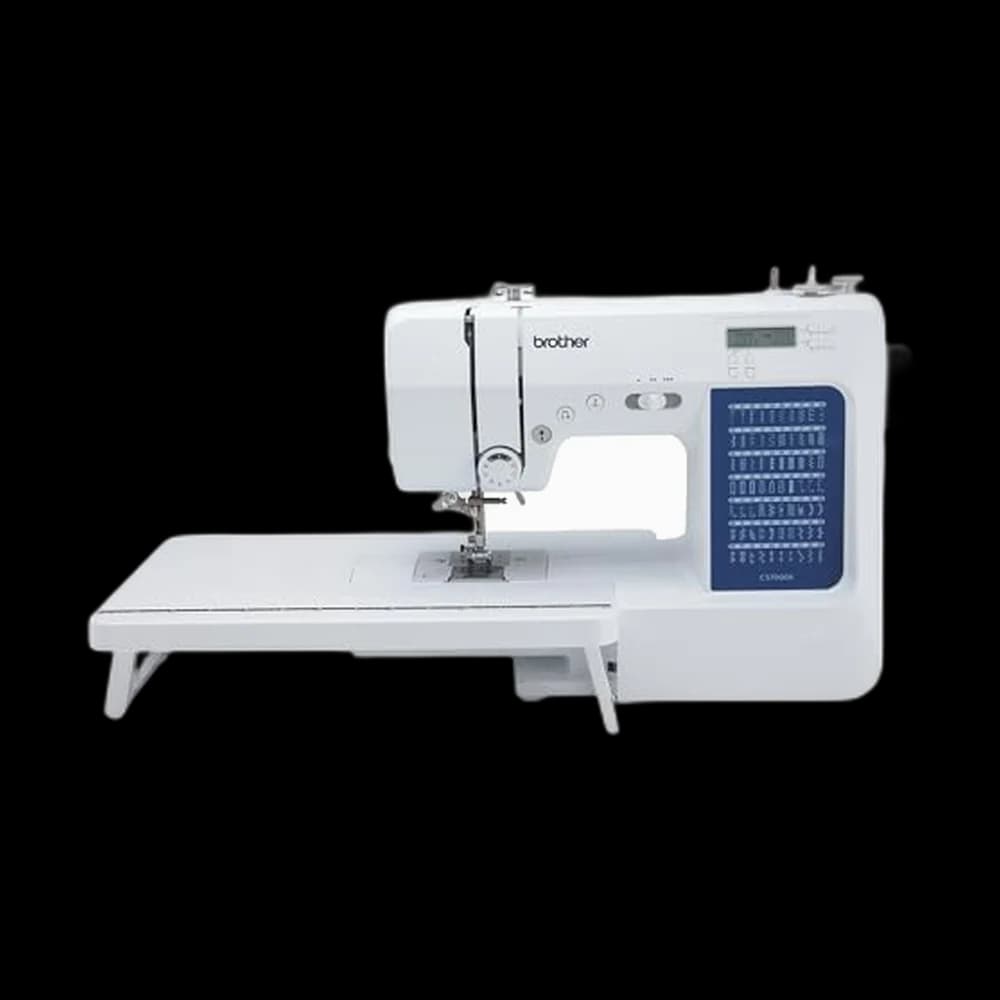
Brother CS7000X Sewing and Quilting Machine — $249.99. Your first quilt on a machine that still does everything else — the listing includes the wide…. See why
Promoted to the top pick over a near-tying option with only 37 ratings behind it. This one has 3,626. When two products score within 5 points of each other, the one thousands of owners have rated is the safer default for a first purchase — a near-tie on a couple of dozen reviews is not a tie.
We may earn a commission from Amazon — it never changes a score.
Filter picks5 of 5
Showing 5 of 5 picks — no filters applied
Showing 5 of 5 picks — no filters applied
Not sure which one is yours? The Machine Finder asks what you want to make and what you can spend, and narrows it to three.
Quilting Machines compared
- Top pickOur pick
Brother CS7000X Sewing and Quilting Machine
$249.99StitchScore 82 4.6 out of 5 stars · 3,626 ratings
Your first quilt on a machine that still does everything else — the listing includes the wide…
- #2Budget
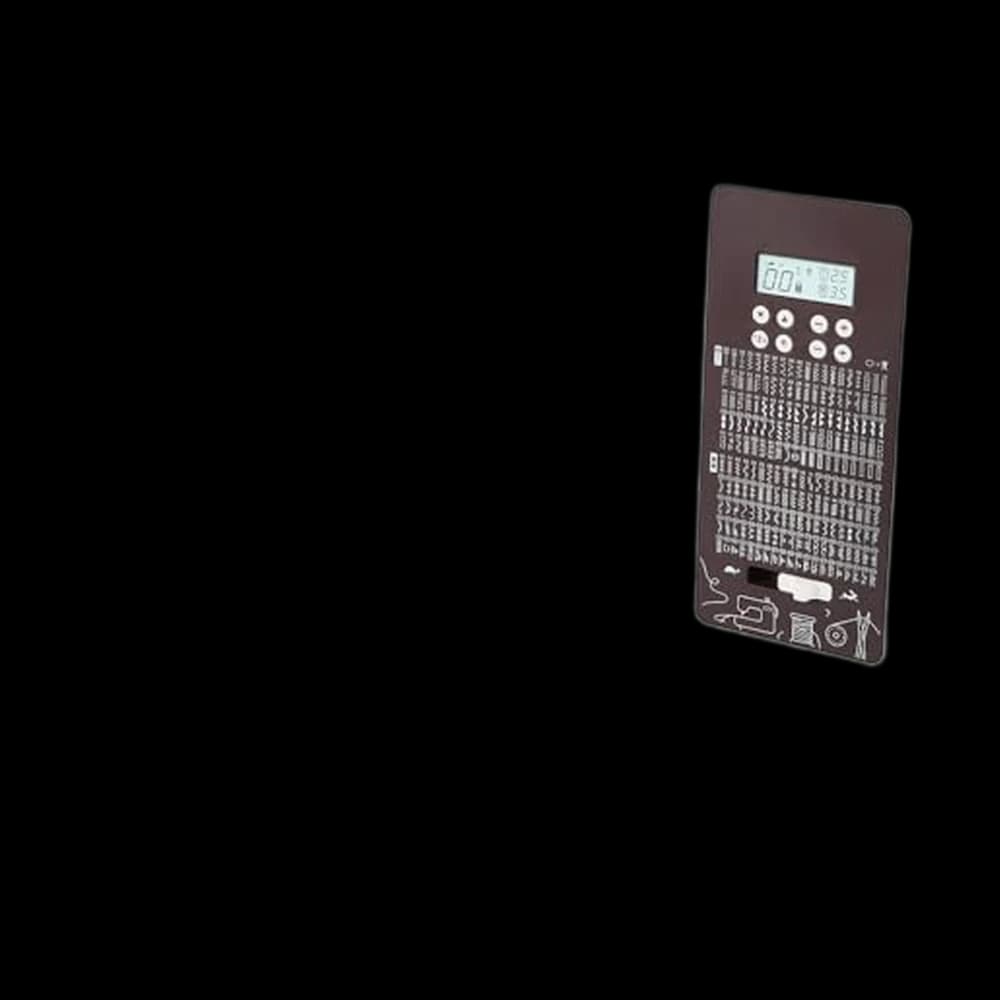
SewLaVie 1130 Sewing and Quilting Machine
$239.99StitchScore 87 5 out of 5 stars · 37 ratings
The most stitch options for the least money on this shelf — 300 patterns, an LCD, start/stop…
- #3
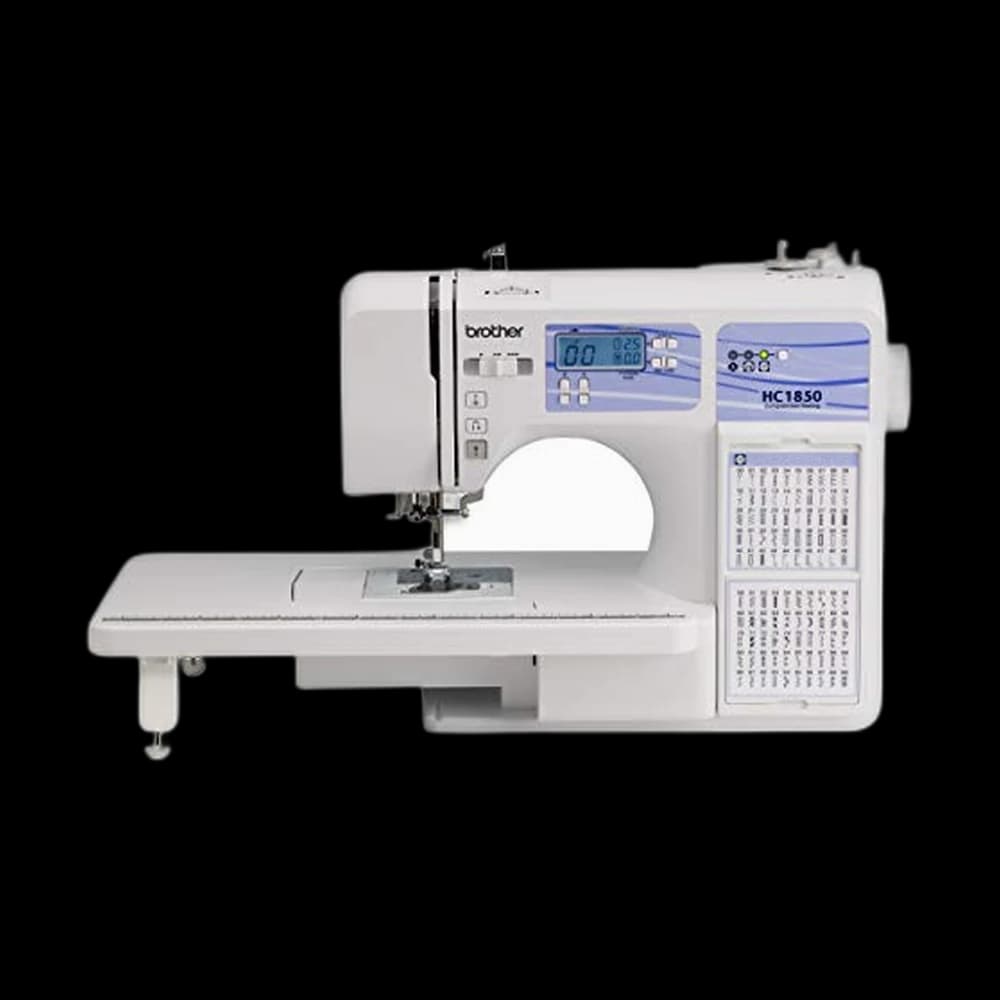
Brother HC1850 Sewing and Quilting Machine
$249.99StitchScore 82 4.6 out of 5 stars · 5,145 ratings
Lettering and decorative work — 185 stitches including 55 alphanumeric ones, plus the wide…
- #4Step up
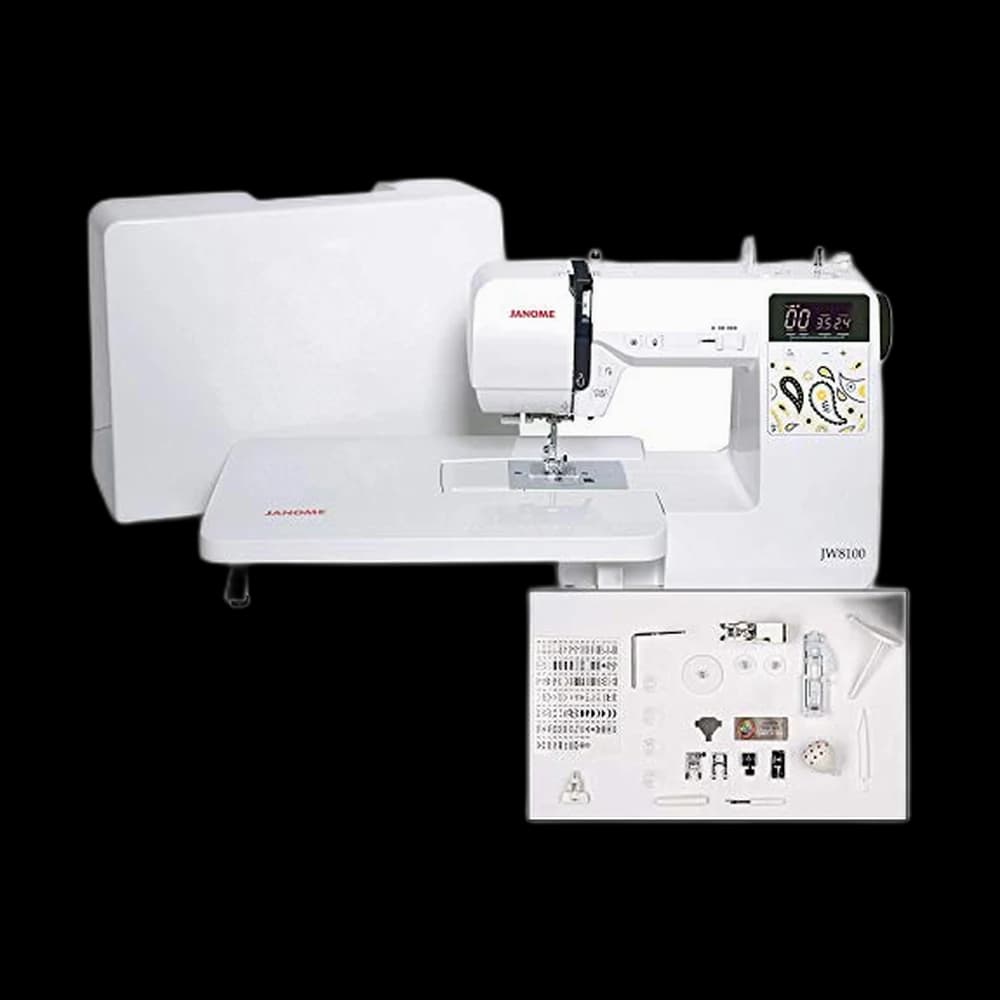
Janome JW8100 Computerized Sewing Machine
$369.00StitchScore 80 4.5 out of 5 stars · 959 ratings
Stepping up into real quilting — it ships with the extension table, an even-feed foot and a…
- #5
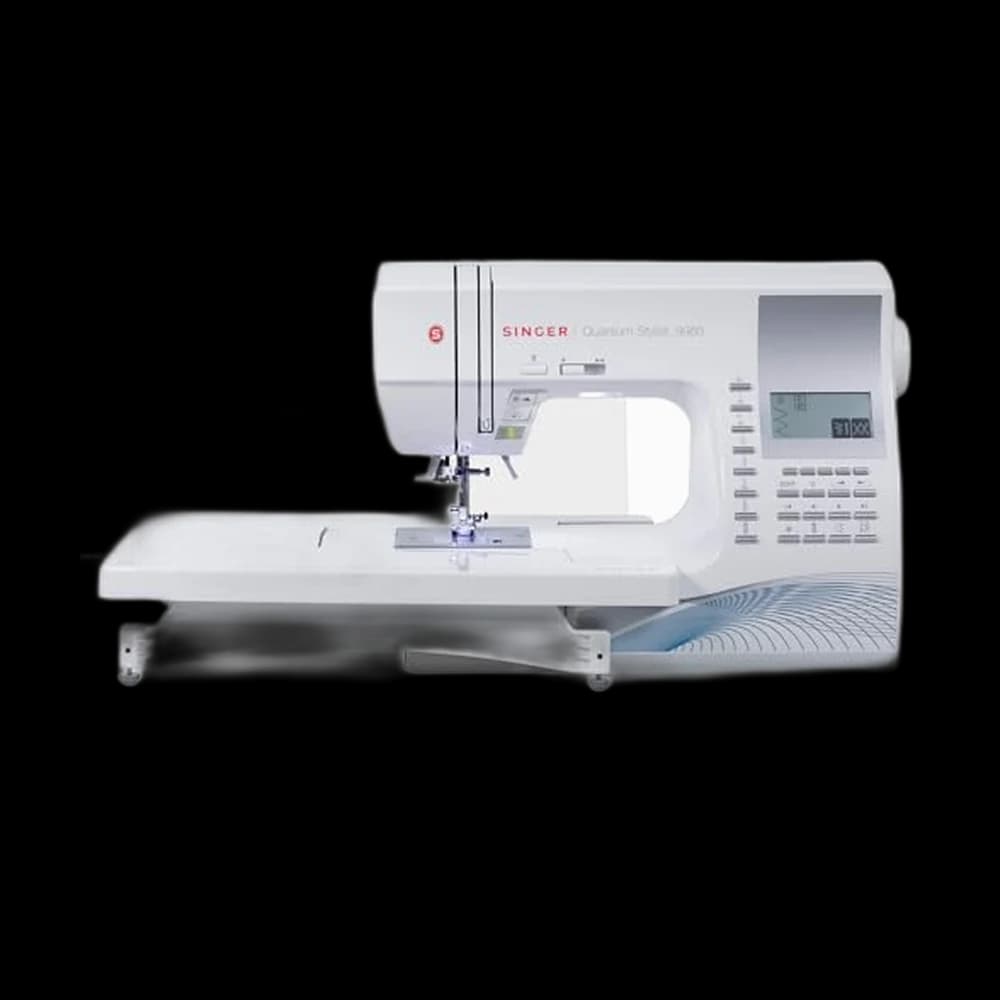
SINGER Quantum Stylist 9960 Sewing Machine
$546.99StitchScore 72 4.6 out of 5 stars · 8,989 ratings
Someone who already knows which options they want — 600 stitches, 13 presser feet and 13…
Scroll sideways for scores, prices and buy links
| Rank | Pick | Best for | StitchScore | Price | Buy |
|---|---|---|---|---|---|
| Editorial #1 | TopOur pickBrother CS7000X Sewing and Quilting Machine 4.6 out of 5 stars · 3,626 ratings | Your first quilt on a machine that still does everything else — the listing includes the wide… | 82 | $249.99 | Buy on Amazon |
| Editorial #2 | BudgetSewLaVie 1130 Sewing and Quilting Machine 5 out of 5 stars · 37 ratings | The most stitch options for the least money on this shelf — 300 patterns, an LCD, start/stop… | 87 | $239.99 | Buy on Amazon |
| Editorial #3 | Brother HC1850 Sewing and Quilting Machine 4.6 out of 5 stars · 5,145 ratings | Lettering and decorative work — 185 stitches including 55 alphanumeric ones, plus the wide… | 82 | $249.99 | Buy on Amazon |
| Editorial #4 | Step upJanome JW8100 Computerized Sewing Machine 4.5 out of 5 stars · 959 ratings | Stepping up into real quilting — it ships with the extension table, an even-feed foot and a… | 80 | $369.00 | Buy on Amazon |
| Editorial #5 | SINGER Quantum Stylist 9960 Sewing Machine 4.6 out of 5 stars · 8,989 ratings | Someone who already knows which options they want — 600 stitches, 13 presser feet and 13… | 72 | $546.99 | Buy on Amazon |
Compare two picks
Tap an unselected chip to compare it with your current right-hand pick — all 5 picks available.
What goes with Quilting Machines
The things this shelf usually needs alongside it — one current pick per category, and nothing here is required to start.
 Walking Feet
Fyroxx$8.49 4.4 out of 5 stars · 96 ratings
Feeds three layers evenly instead of shoving the top one forward.
 Quilting Rulers
LINXIAO$9.99 4.8 out of 5 stars · 1,141 ratings
Straight cuts across a metre of fabric need a long, gridded edge.
 Cutting Mats
anezus 12inch$8.99 4.6 out of 5 stars · 21,006 ratings
The least expensive pick in this category, which makes it the low-risk way to find out whether you'll keep at it; the surface is self-healing, so rotary cuts close up instead of scarring into a groove that steers your next cut.
Researched from listings, specs and owner feedback — never hands-on testing. We may earn a commission; it never changes a pick.
Guides that go with Quilting Machines
How to choose a machine for quilting
The criteria that matter most when choosing a machine to quilt on, starting with the one that decides whether you need a different machine at all.
- Whether your current machine already does it — Test the planned quilt sandwich with the correct needle, thread and compatible foot. Many household machines can handle a small quilt; check capacity and support before deciding you need a different machine.
- Throat space — Compare measured width and height of the needle-to-body opening. A quilting label or wide table does not establish those dimensions. More space can make larger quilts easier to handle.
- A walking foot — A compatible walking foot can reduce layer shifting during straight-line quilting. Good basting and weight support still matter. Check the machine manual for attachment, stitch and speed limits.
- A flat surface around the needle — The weight of a quilt hanging off the edge of a small machine bed drags the stitching crooked, and no setting on the machine fixes that. An extension table, or a machine dropped into a sewing table so the bed sits flush, changes the result more than most upgrades do.
- Needle-down and speed control — Stopping with the needle down lets you pivot at a corner without losing the line, and a speed slider lets you sew slowly without balancing on the pedal. Neither is essential and both make long quilting seams noticeably less tiring.
- Droppable feed dogs, if you want free-motion — Free-motion quilting means moving the fabric yourself, which needs the feed dogs lowered or covered. Straight-line quilting with a walking foot needs none of it, and plenty of finished quilts never use free-motion at all.
Often overlooked: the size of the quilt you actually intend to make. Nearly every buying answer online is written for a queen-size top, and most first quilts are a lap throw, a table runner or a set of placemats. A machine bought for a quilt you never start is more expensive than the extension table that would have made the quilt you did start behave.
How much throat space do you actually need?
Throat space is the opening between the needle and the upright machine body. Its width and height affect how much quilt fits while stitching. Quilting bundles sometimes add only a table and feet, so check actual dimensions rather than assuming the label means a larger machine.
Start with the quilt size, batting loft and quilting method. A thin lap quilt is easier to manage than a bulky bed quilt, but no size label guarantees that a particular machine will handle your layers comfortably. Try a sample and plan how you will support and move the quilt.
Two things buy you more than inches do. A flat surface around the needle — an extension table, or a machine dropped into a sewing table so the bed sits flush — stops the weight of the quilt dragging your stitching crooked, and that drag ruins more lines than a narrow throat does. And a walking foot keeps the three layers travelling together. Both cost a fraction of a wider machine, and both are worth trying before you decide the machine you own cannot do it.
Frequently asked
- What's the difference between a regular sewing machine and a quilting machine?
- A quilting bundle may add feet and an extension table without changing throat space. Other models have more room or feeding features. Compare the actual specifications; the label alone is not a capacity rating.
- Do I need a special machine to quilt?
- Often not for a small quilt. Test your planned layers on your machine, use compatible accessories and support the quilt weight. Larger or loftier quilts may exceed the space you can manage comfortably.
- What is throat space, and how much do I need?
- It is the opening between the needle and the upright body. The useful size depends on quilt dimensions, loft and technique. Compare actual dimensions and try a sample rather than relying on the quilting label.
- What does a walking foot do?
- A compatible walking foot or manufacturer dual-feed setup can help layers advance together during straight-line quilting. Follow the manual for compatible feet and settings; basting, tension and weight support still matter.
- How much should a first quilting setup cost?
- SewingPath caps every machine it recommends at $1,500, and most of the machines here sit between $100 and $500. A long-arm on a frame is a hobby-business purchase rather than a beginner one, and it is not something a first quilt needs.
- Do I need a walking foot, or is a built-in even feed enough?
- A compatible walking foot or manufacturer dual-feed setup can help layers advance together during straight-line quilting. Follow the manual for compatible feet and settings; basting, tension and weight support still matter.
Prices and availability are the most recent values we pulled from Amazon and refresh on a cycle; confirm the live price before buying. We may earn a commission on a purchase, and it never changes a score. See how we score gear.