Heavy-Duty Sewing Machines
The second machine, or the one for denim, canvas and layers. A heavy-duty machine is not a better first machine — it is a stronger motor and a metal frame for fabric a beginner machine stalls on.
4 picks · $180–$400 · prices checked August 31, 2026 · researched from listings, specs and owner feedback, not hands-on testing
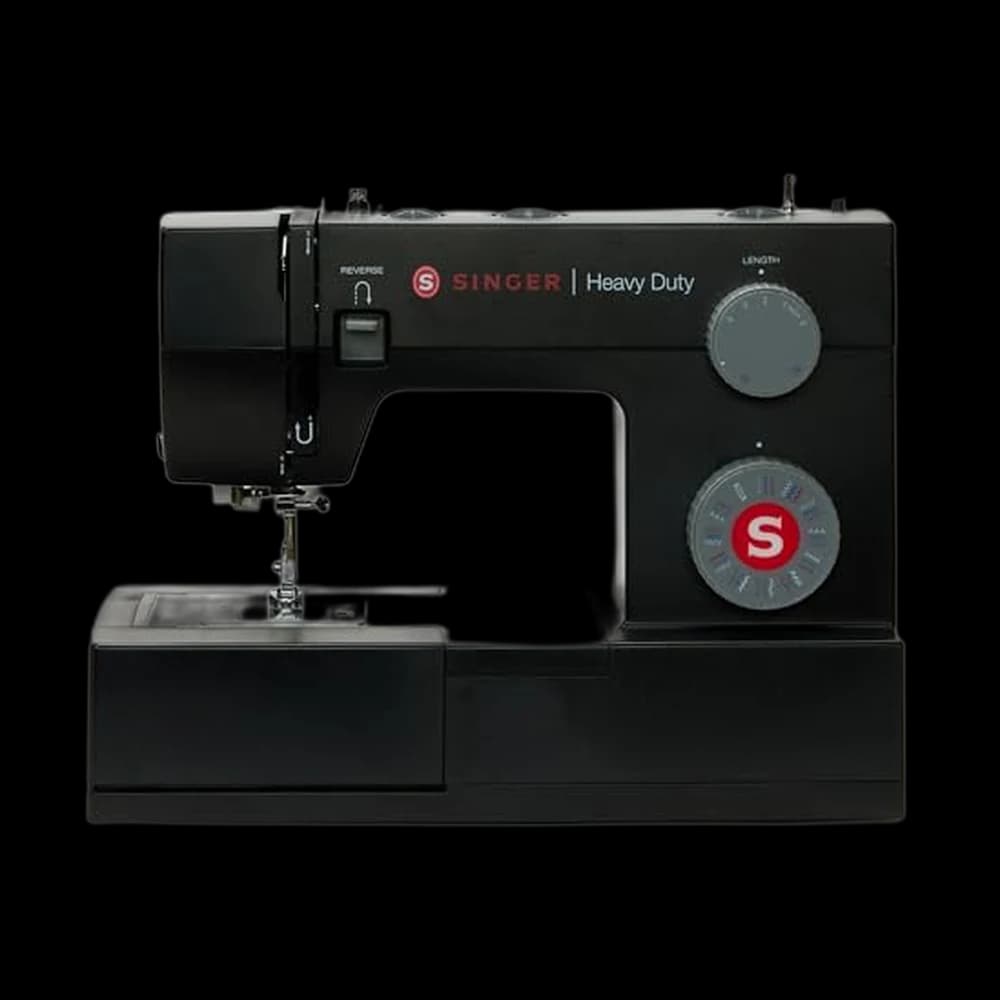
SINGER 4432 (Black) High Speed Heavy Duty Sewing Machine +… — $239.99. Priced in the lower half of this category.. See why
Promoted to the top pick over a higher-scoring option whose owner-satisfaction data we could not measure. A provisional score is a neutral prior, not a verdict — the top pick in a category always goes to a product with real owner data behind it.
We may earn a commission from Amazon — it never changes a score.
Not sure which one is yours? The Machine Finder asks what you want to make and what you can spend, and narrows it to three.
Heavy-Duty Sewing Machines compared
- Top pickOur pick
SINGER 4432 (Black) High Speed Heavy Duty Sewing Machine +…
$239.99StitchScore 74 4.4 out of 5 stars · 11,902 ratings
Priced in the lower half of this category.
The least expensive pick in this category, which makes it the low-risk way to find out…
- #3Step up
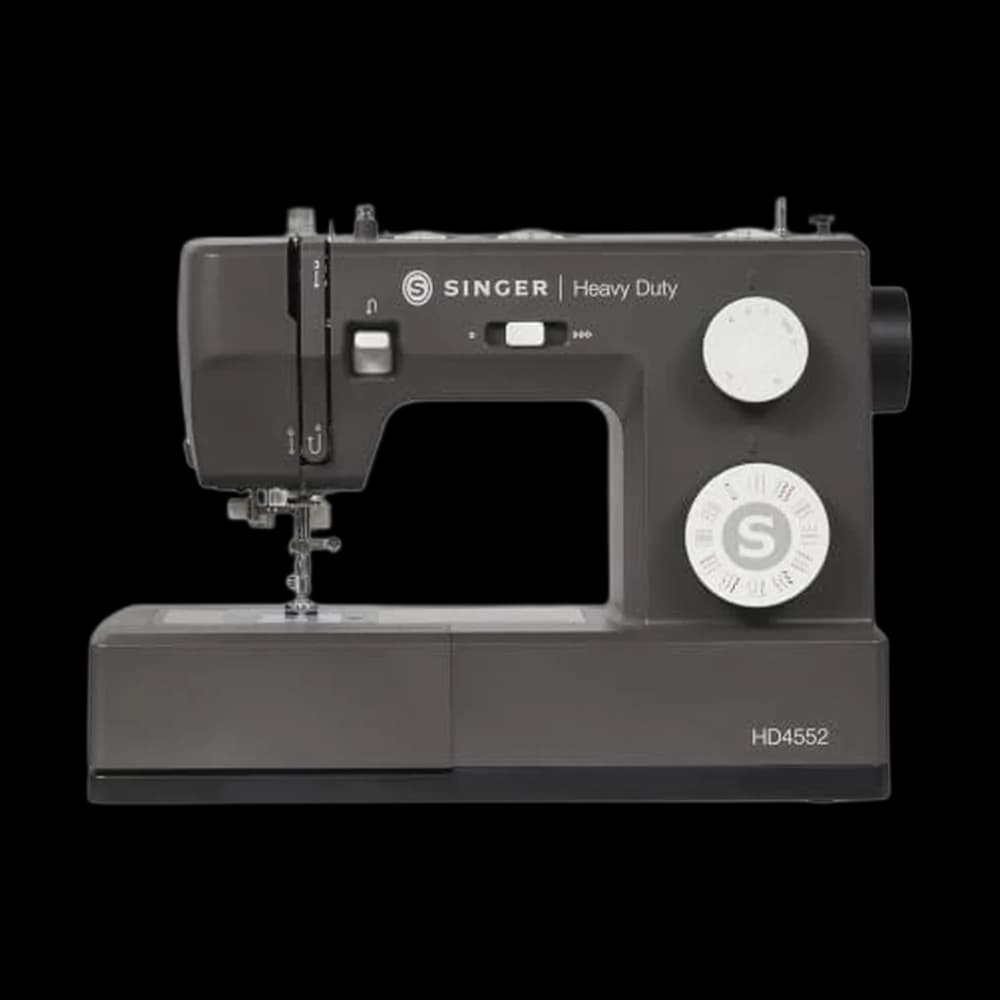
SINGER Heavy Duty 4552 Next Evolution Sewing Machine
$259.99StitchScore 74 4.5 out of 5 stars · 663 ratings
Priced in the lower half of this category.
- #4
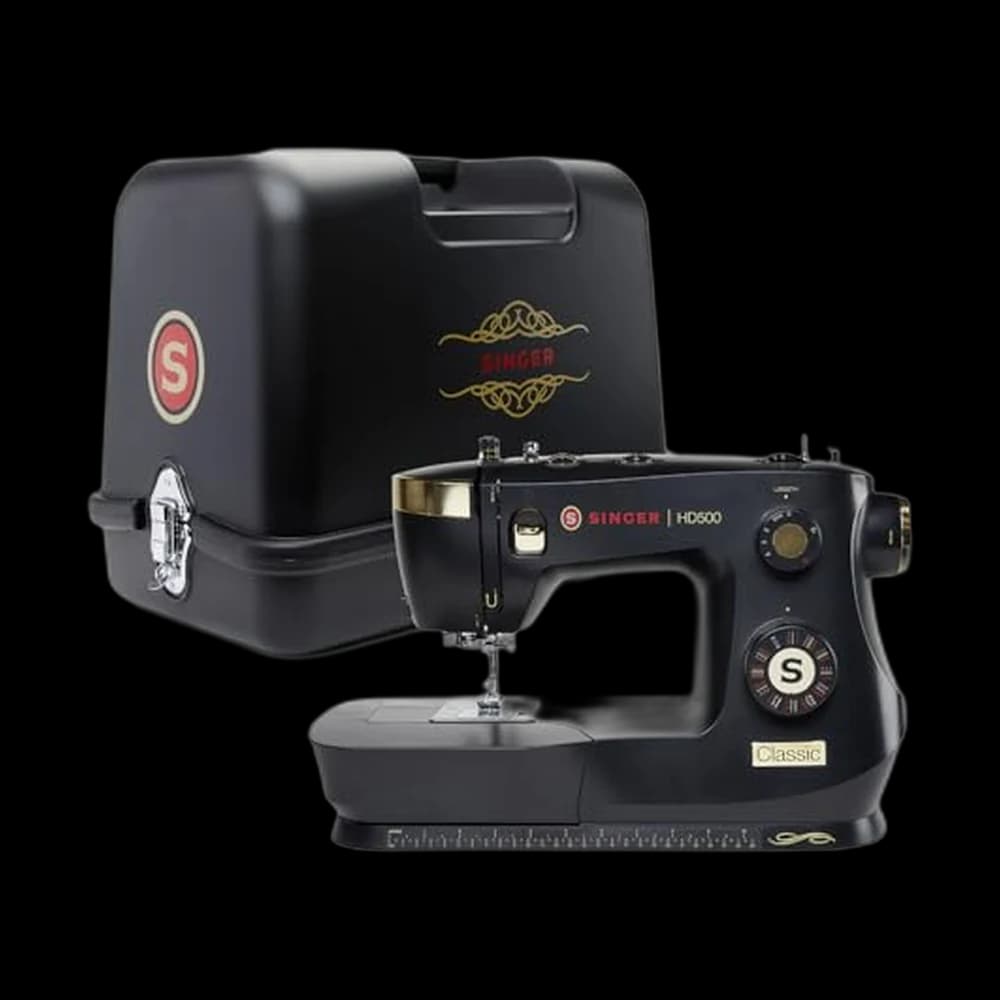
SINGER Super Bundle, Heavy Duty 500 Sewing Machine
$399.99StitchScore 63 4.4 out of 5 stars · 122 ratings
The most expensive pick in this category — worth it only if you already know which of its…
Scroll sideways for scores, prices and buy links
| Rank | Pick | Best for | StitchScore | Price | Buy |
|---|---|---|---|---|---|
| 1 | TopOur pickSINGER 4432 (Black) High Speed Heavy Duty Sewing Machine +… 4.4 out of 5 stars · 11,902 ratings | Priced in the lower half of this category. | 74 | $239.99 | Buy on Amazon |
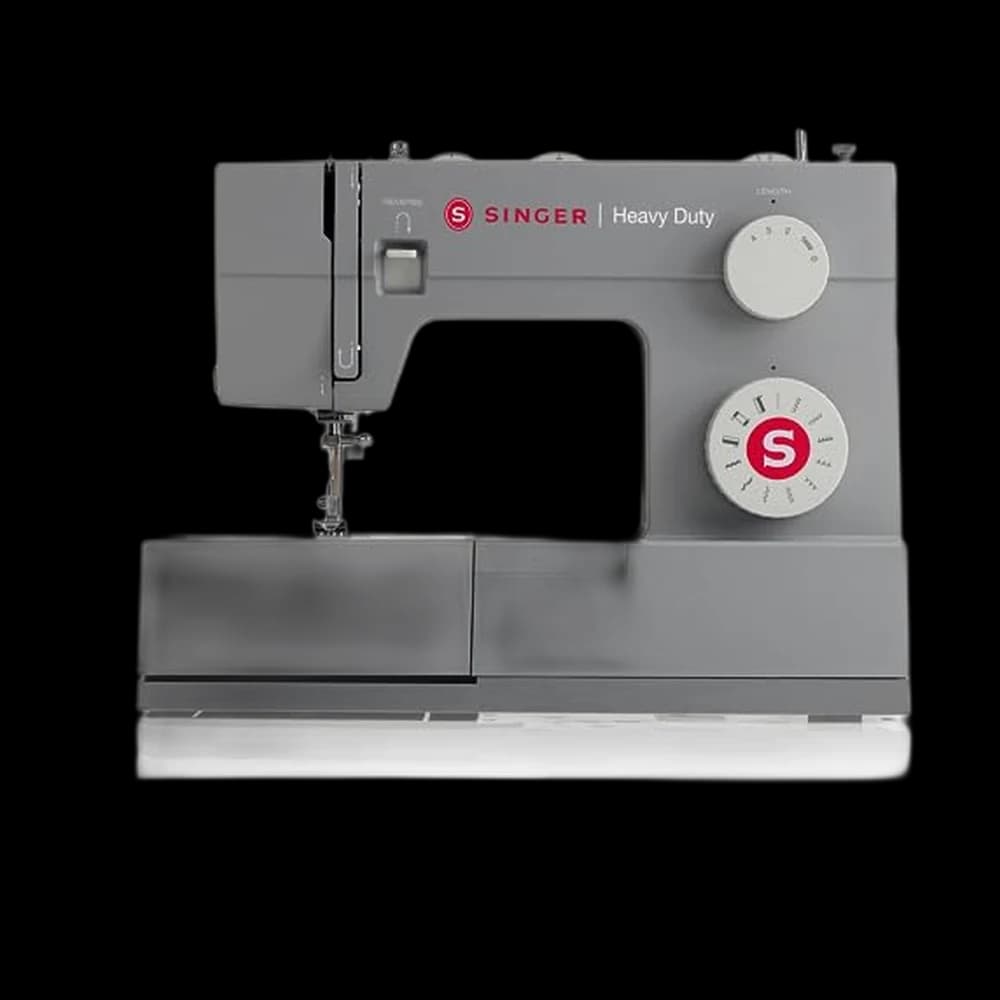
| 2 | BudgetSINGER 4411 (Grey) High Speed Heavy Duty Sewing Machine with… | The least expensive pick in this category, which makes it the low-risk way to find out… | 84(early) | $179.99 | Buy on Amazon |
| 3 | Step upSINGER Heavy Duty 4552 Next Evolution Sewing Machine 4.5 out of 5 stars · 663 ratings | Priced in the lower half of this category. | 74 | $259.99 | Buy on Amazon |
| 4 | SINGER Super Bundle, Heavy Duty 500 Sewing Machine 4.4 out of 5 stars · 122 ratings | The most expensive pick in this category — worth it only if you already know which of its… | 63 | $399.99 | Buy on Amazon |
Scores marked (early)are still settling: the listings don't yet expose a star rating we can read, so owner satisfaction sits at a neutral starting value. How the StitchScore works.
Compare two picks
Tap a chip to swap either column — all 4 picks available.
What goes with Heavy-Duty Sewing Machines
The things this shelf usually needs alongside it — one current pick per category, and nothing here is required to start.
 Machine Needles
SCHMETZ Universal 130/705$7.45 4.8 out of 5 stars · 709 ratings
Denim and canvas need a heavier needle than the one in the box.
 Thread
Coats & Clark thread$8.55 4.7 out of 5 stars · 4,705 ratings
The least expensive pick in this category, which makes it the low-risk way to find out whether you'll keep at it; all-purpose polyester, which covers nearly everything a beginner sews.
 Sewing Machines
Brother XM2701$129 4.6 out of 5 stars · 19,162 ratings
If this is your first machine, start here instead.
Researched from listings, specs and owner feedback — never hands-on testing. We may earn a commission; it never changes a pick.
Guides that go with Heavy-Duty Sewing Machines
How to choose a heavy-duty machine
The specs that matter here are not the ones that matter on a first machine — stitch count is close to irrelevant, and everything mechanical is not.
- The frame, not the shell — Nearly every machine in this range has a plastic outer body; what differs is whether the chassis inside it is metal. A metal frame is what keeps the needle bar aligned while the motor pushes through a thick seam, and it is the thing brands mean first when they write heavy duty.
- Motor strength and speed — These machines are sold on stitches per minute and on motor power, both stated by the manufacturer rather than measured by us. The practical version: more power means the machine keeps its rhythm through a thick seam instead of slowing to a crawl, and slowing to a crawl is where skipped stitches come from.
- Presser-foot clearance — How far the foot lifts decides what fits underneath, and many machines have a second, higher lift position for exactly this. If you already know you are sewing bag straps or climbing jeans hems, check it before anything else.
- Needles and thread are half the job — A heavy-duty machine with a universal 80/12 needle in it will still skip on denim. Denim or topstitch needles in the heavier sizes, a longer stitch length and thread meant for the weight do as much as the machine does, and they cost a few dollars.
- A dial or a screen — Most heavy-duty machines are mechanical: a dial for the stitch, a lever for the length. That is fewer things to learn and fewer things to break, but it also means no menu of one-step buttonholes and no speed slider. If you want those, a computerised machine on the main shelf is the trade you are making.
Often overlooked: the noise, and the table it sits on. A strong motor driving a metal frame at speed shakes. A machine that walks across a folding table and rattles the room is a machine you use less often, and the cheapest fix is a solid surface and a mat underneath rather than a different machine.
Is a heavy-duty machine the right first machine?
Almost always, no. Heavy duty on a household sewing machine means a stronger motor, a metal internal frame and usually more clearance under the presser foot. It does not mean easier, and it does not mean better at what a beginner is actually doing. These machines are dial-driven rather than computerised and generally offer fewer stitches, and none of that helps anyone learning to sew a straight seam in quilting cotton. If this would be your first machine, start on the sewing machines shelf instead, or answer three questions in the Machine Finder and let it narrow the list for you.
What a heavy-duty machine is genuinely for: denim, canvas, upholstery weight, webbing, several layers of towelling, lined curtains, dog beds, tote bags stiff with interfacing — the work where a light machine slows, skips stitches or stalls at a seam it cannot climb. For most people it is the second machine. It is the right first machine only for someone who came to sewing to fix and build heavy things rather than to make clothes.
It is worth being plain about what it is not. A heavy-duty domestic machine is not an industrial machine — an industrial head is a single-stitch machine bolted to its own table with a separate motor, and it costs and weighs several times what anything here does. And no household machine sews through anything at all just because the box says heavy duty: the honest test is whether the layers fit under the foot without forcing them, with the right needle and a longer stitch.
Frequently asked
- Is a heavy-duty sewing machine good for beginners?
- It is not the usual recommendation. Heavy-duty machines are mechanical, dial-driven and built for thick fabric, which does nothing for someone learning on cotton — and the features that genuinely help a beginner, like a one-step buttonhole and a needle threader, are not what these machines are sold on. Start on a standard beginner machine unless the thing you want to sew is heavy.
- What does heavy duty actually mean on a home sewing machine?
- It is a marketing term, but it has a consistent meaning in practice: a metal internal frame, a stronger motor, usually a higher presser-foot lift, and a stated stitches-per-minute figure. It is not an industrial machine, and it is not a promise that the machine will sew any material you put under it.
- Can a heavy-duty machine sew leather?
- Thin garment leather and faux leather, with a leather needle, a longer stitch and a walking or roller foot — often yes. Thick hide, several layers of it, or anything a hand press is normally used for — no, and no domestic machine claims otherwise honestly. Check what the manufacturer states for the specific model rather than trusting the category name.
- Do I need a heavy-duty machine to hem jeans?
- Usually not. Most machines will hem jeans with a denim needle, a longer stitch and some patience at the thick side seam, and our guide to hemming jeans works through the trick for getting over that lump. A heavy-duty machine makes it less of a fight if you hem a lot of them.
Prices and availability are the most recent values we pulled from Amazon and refresh on a cycle; confirm the live price before buying. We may earn a commission on a purchase, and it never changes a score. See how we score gear.