Best iron for quilting, sewing and pressing seams
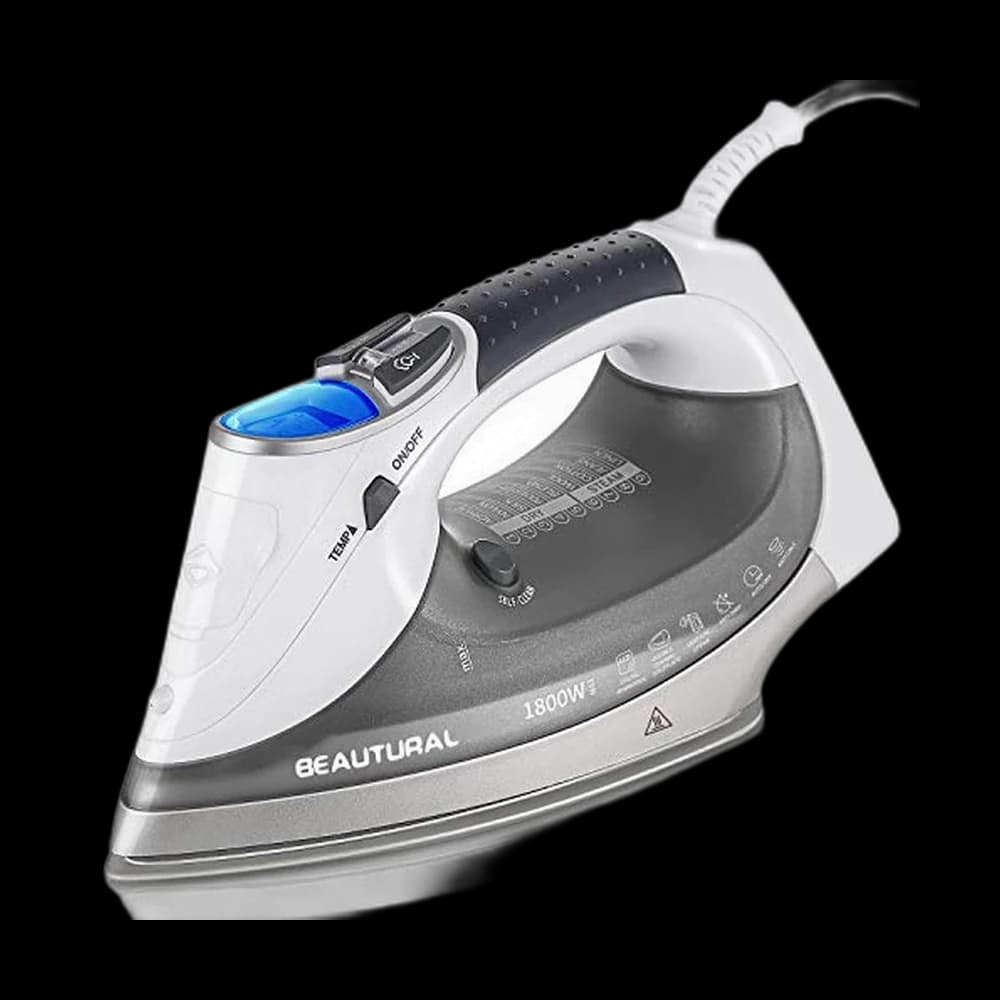
The best iron for sewing and quilting is an ordinary, dependable steam iron, and our top pick for most beginners is the BEAUTURAL 1800-watt steam iron, whose listing states a double ceramic soleplate, nine fabric presets and a motion-sensing shut-off; if a cold iron every time you turn from the machine drives you mad, Oliso's FAQ says the Oliso TG1600 ProPlus waits 30 minutes before its heat switches off.
5 picks · $34–$200 · prices checked October 22, 2026 · researched from listings, specs and owner feedback, not hands-on testing
Beautural steam iron — $42.97. Priced in the lower half of this category. See why
We may earn a commission from Amazon — it never changes a score.
Filter picks5 of 5
Showing 5 of 5 picks — no filters applied
Showing 5 of 5 picks — no filters applied
Irons compared
Priced in the lower half of this category
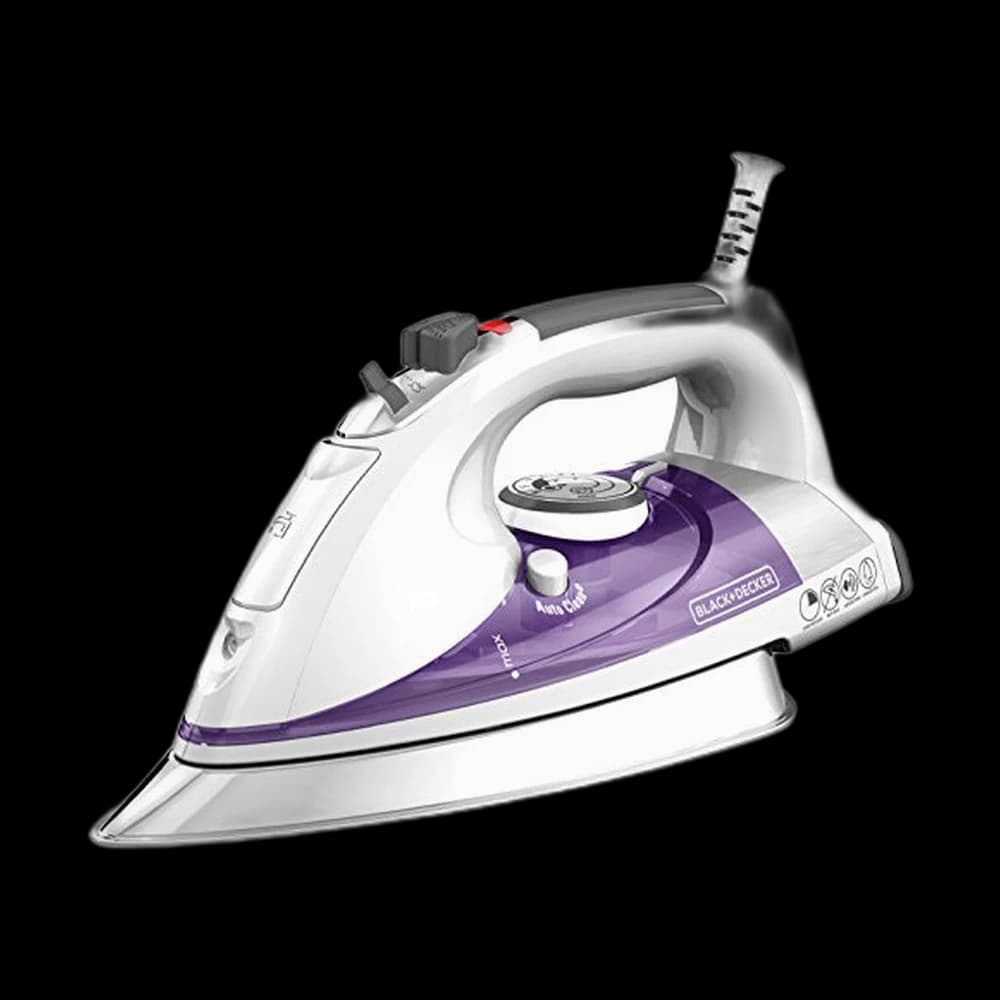
The least you can spend and still have a steam iron with an auto-clean flush, an anti-drip…
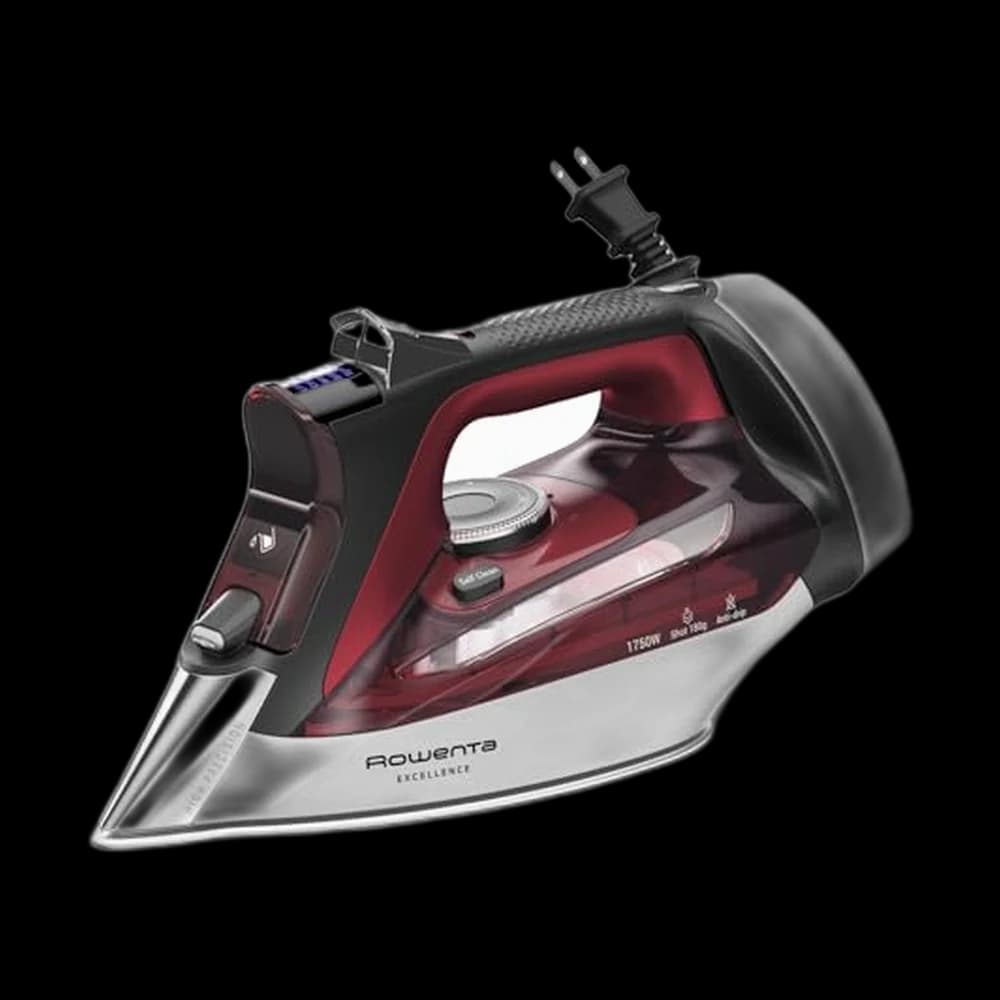
The listing states a stainless-steel soleplate
- #4
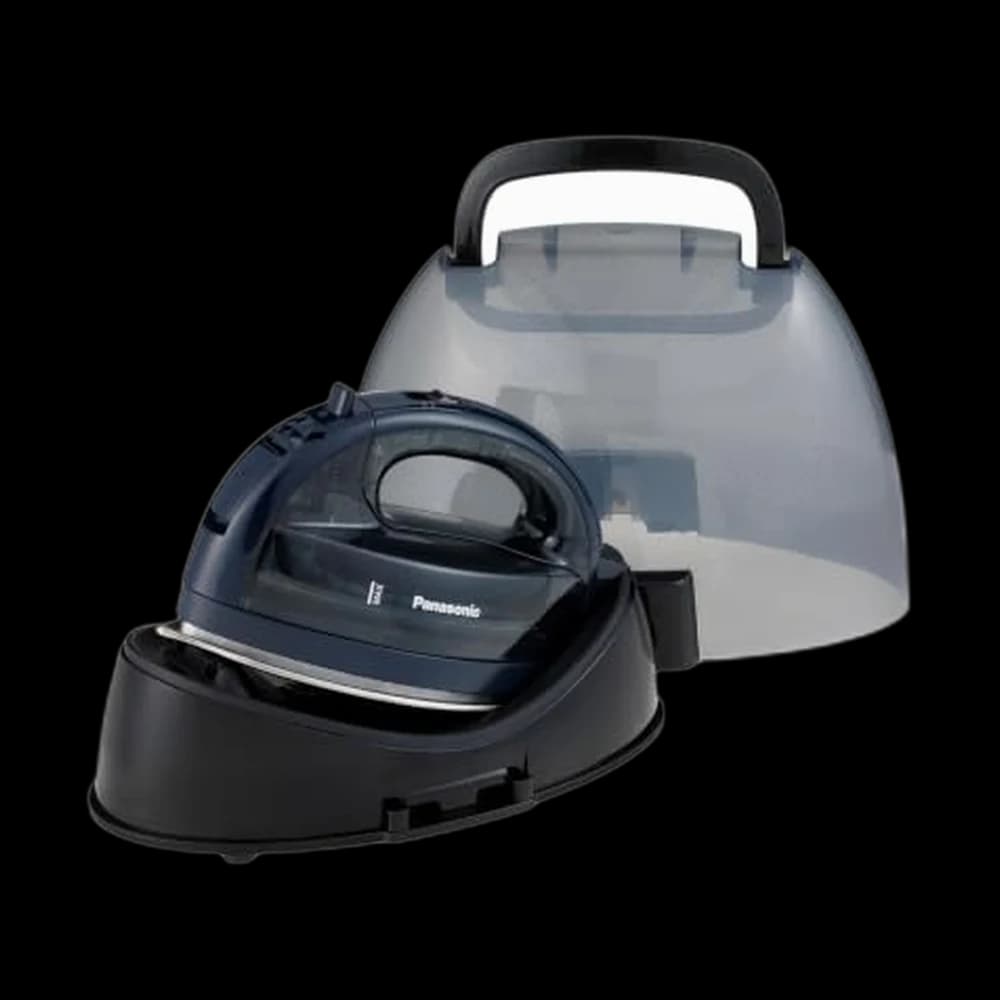
Panasonic NI-WL700A Cordless Steam/Dry Iron
$99.95StitchScore 74 4.3 out of 5 stars · 6,195 ratings
Priced in the lower half of this category
- #5Step up
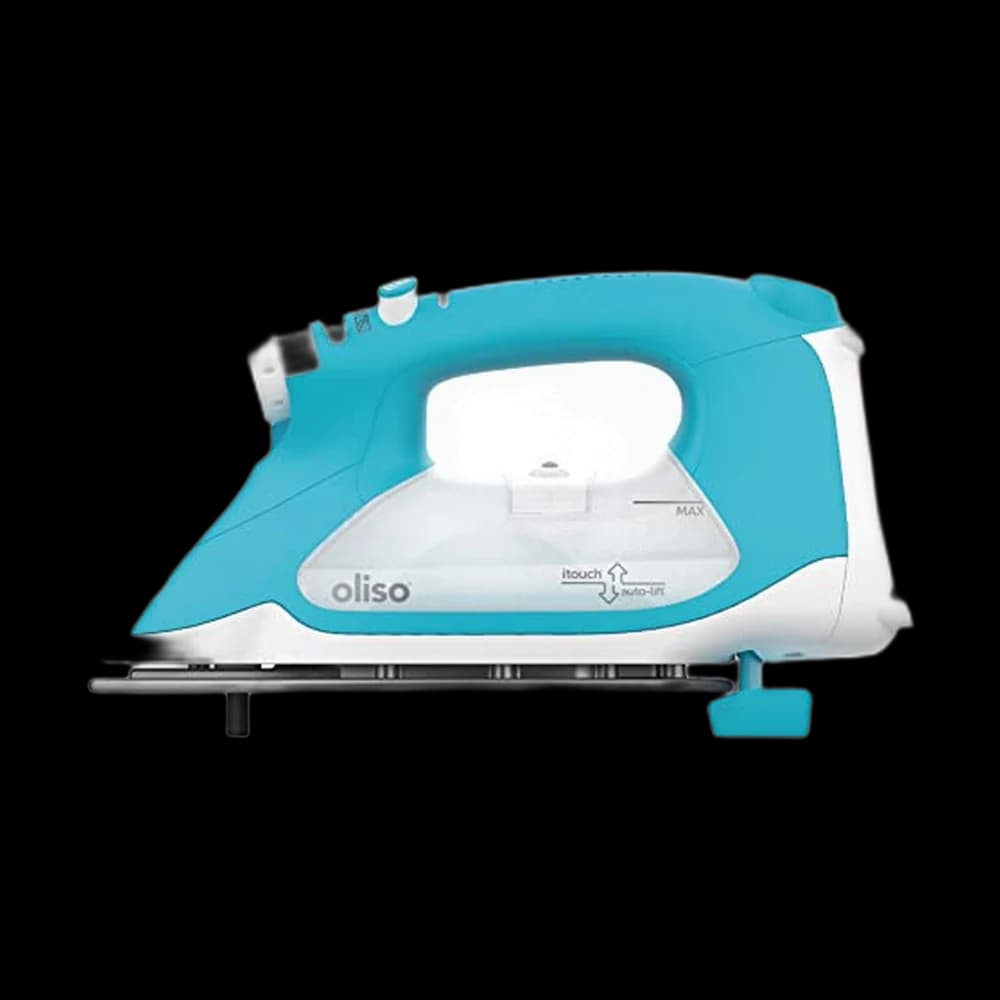
Oliso TG1600 ProPlus Auto-Lift Steam Iron
$199.99StitchScore 62 4.3 out of 5 stars · 2,967 ratings
Long pressing sessions at the machine — Oliso's auto-lift raises the iron off the fabric when…
Scroll sideways for scores, prices and buy links
| Rank | Pick | Best for | StitchScore | Price | Buy |
|---|---|---|---|---|---|
| Editorial #1 | TopOur pickBeautural steam iron 4.5 out of 5 stars · 19,930 ratings | Priced in the lower half of this category | 82 | $42.97 | Buy on Amazon |
| Editorial #2 | BudgetBLACK+DECKER Professional Steam Iron 4.4 out of 5 stars · 6,165 ratings | The least you can spend and still have a steam iron with an auto-clean flush, an anti-drip… | 76 | $33.88 | Buy on Amazon |
| Editorial #3 | Rowenta Focus Excellence Steam Iron DW5433 4.4 out of 5 stars · 788 ratings | The listing states a stainless-steel soleplate | 75 | $109.99 | Buy on Amazon |
| Editorial #4 | Panasonic NI-WL700A Cordless Steam/Dry Iron 4.3 out of 5 stars · 6,195 ratings | Priced in the lower half of this category | 74 | $99.95 | Buy on Amazon |
| Editorial #5 | Step upOliso TG1600 ProPlus Auto-Lift Steam Iron 4.3 out of 5 stars · 2,967 ratings | Long pressing sessions at the machine — Oliso's auto-lift raises the iron off the fabric when… | 62 | $199.99 | Buy on Amazon |
Compare two picks
Tap an unselected chip to compare it with your current right-hand pick — all 5 picks available.
What goes with Irons
The things this shelf usually needs alongside it — one current pick per category, and nothing here is required to start.
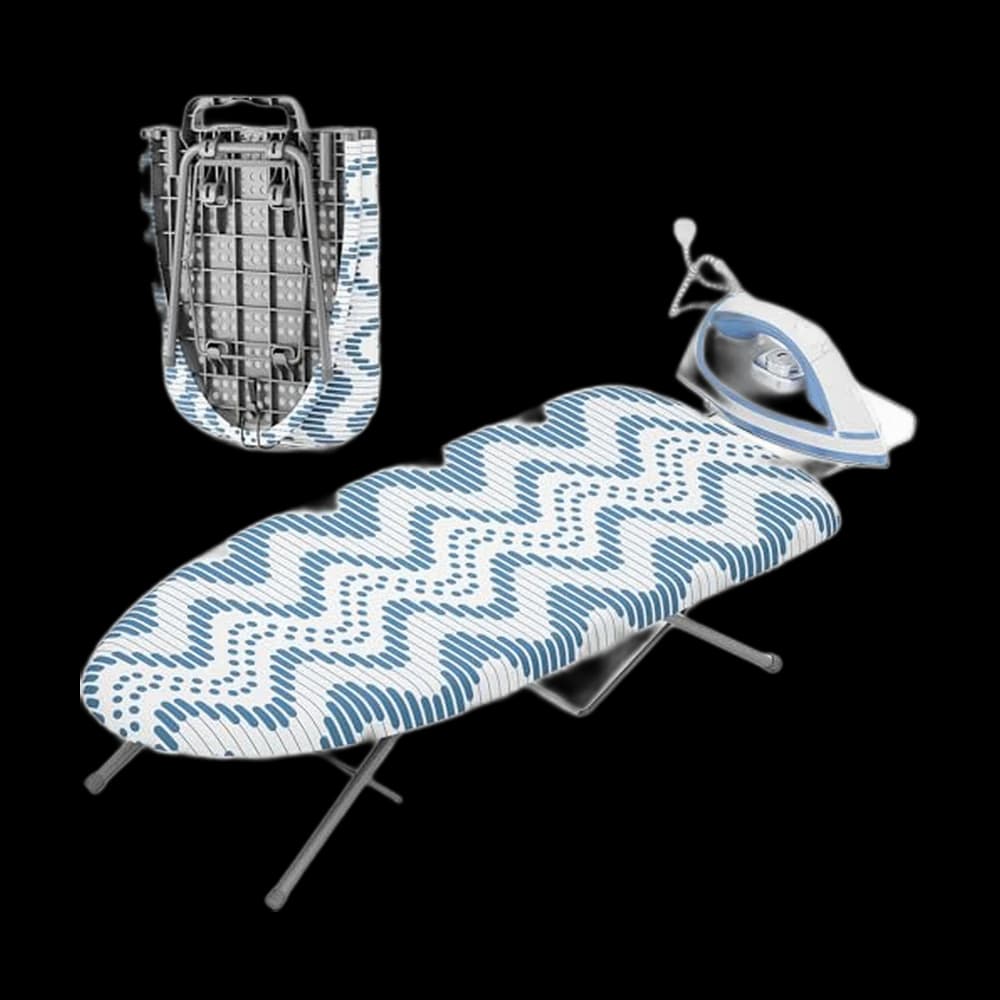 Ironing Boards
KINGBOARD$32.99 4.5 out of 5 stars · 775 ratings
Pressing as you sew needs a surface at the machine, not across the room.
Researched from listings, specs and owner feedback — never hands-on testing. We may earn a commission; it never changes a pick.
Guides that go with Irons
How to choose an iron for sewing and quilting
Almost any household steam iron presses a seam well, so the choice comes down to the few things that decide whether you enjoy pressing or start skipping it.
- A shut-off timer you can live with — Check how long the iron stays hot standing on its heel. Our top pick and the BLACK+DECKER both list eight minutes upright and 30 seconds lying flat, which is the usual pattern. If you sew long seams or chain-piece between presses, a longer timer saves a lot of waiting for the iron to reheat.
- Steam you can switch off — Separate steam and temperature controls let you steam cotton and linen and press dry on bias edges, interfacing and fabrics that water-spot. Every pick on this page can do both.
- An anti-drip system — It stops water leaking from the soleplate at low heat, which is where most spots on a quilt top come from. The BLACK+DECKER, Rowenta and Oliso listings all state one.
- A narrow tip — Pressing a seam open means working the tip between two seam allowances. A pointed tip makes that easier than a blunt rounded nose; the Oliso listing describes a separate detailer tip for seams and pleats.
- A weight you can lift all afternoon — Pressing is lifting the iron and setting it down, hundreds of times on a quilt. The listings here run from about three pounds to a little over four. If your wrists complain, a lighter iron, or one that lifts itself off the fabric, is worth more than extra wattage.
Often overlooked: the surface under the iron. A lumpy pad leaves its marks in your seams whatever iron sits on it. Kentucky Extension's pressing guide warns that many fabrics pick up marks or develop a shine when pressed over any unevenness, so a firm, flat board or a wool pressing mat on a heat-safe surface does as much for a crisp seam as the iron does. Oliso adds that a felt mat is not a hot rest: wool scorches under an iron left in one place.
What makes an iron good for sewing and quilting?
Sewing asks an iron to press, not to iron. Ironing slides back and forth across a whole shirt; pressing lifts the iron and sets it down on one seam at a time, which flattens the stitching without stretching the fabric around it. The University of Kentucky's extension guide to pressing puts it plainly: true pressing is an up-and-down motion, and you never push or drag the iron over the fabric. That changes what matters. A huge steam tank and a slippery glide matter less; a tip narrow enough to open a seam, a clean soleplate, and an iron that is hot every time you turn from the machine matter more.
Steam or dry? You want both, from one iron. Steam helps a cotton or linen seam lie flat and stay there. Pressing dry is the safer default on anything cut on the bias, on fabrics that water-spot, and on fusible interfacing whose instructions say so. Quilters argue both ways about steam on pieced blocks, because damp, warm cotton stretches if you push the iron; pressing straight down settles most of that argument. The same extension guide's advice works for both: test-press a scrap first, set the heat for the most delicate fibre in a blend, and test how much moisture, if any, the fabric needs.
Auto shut-off is the feature quilters complain about most. It is a good safety feature, but an iron that switches itself off after eight minutes on its heel is cold most times you come back from a long seam or a stack of chain-pieced blocks, and then you wait for it to heat up again. Our top pick and the BLACK+DECKER both list that pattern: off after 30 seconds lying flat or on its side, and after eight minutes upright. Oliso's FAQ says its TG1600 models wait 30 minutes before the heat goes off, which is the main reason quilters pay more for one. Oliso also says to turn the iron off yourself anyway.
Weight is a trade-off rather than a virtue. A heavier iron does more of the flattening under its own weight; a lighter one is easier to lift and set down all afternoon, which is what pressing is. Soleplate material matters less than its condition. Ceramic, stainless and non-stick plates all press well, and the extension guide's advice is to keep the plate clean and free of scratches, because fabric picks up marks from any roughness under the iron.
The spitting problem has a dull cause. An iron spits or drips when steam is on at a heat too low to turn the water into steam, so it comes out as water, sometimes carrying mineral scale, which is how white or brown spots end up on a quilt top. Anti-drip systems stop that at low heat; Rowenta describes its own as keeping cold water from spitting onto fabric at low temperatures. Beyond that, let the iron reach a cotton setting before you steam, turn steam off for low-heat fabrics, empty the tank after each session as Oliso advises, and use the water your manual names. That last one varies by brand: Oliso says plain tap water and never 100% distilled, while Rowenta suggests a half-and-half mix of tap and distilled water in very hard-water areas and says to check your model's manual first.
A mini iron is a second iron, not a replacement. These are small craft irons with a fingertip-sized plate on a stand, for pressing seam allowances inside small blocks, turning appliqué edges and pressing bias strips. Clover describes its Mini Iron II as ideal for pressing small and delicate pieces and for appliqué. If you do a lot of appliqué or tiny piecing, one earns its place beside the full-size iron; for garments and ordinary quilt blocks, the full-size iron does the job, and we do not list a mini iron on this shelf.
Frequently asked
- What is the best iron for quilting and pressing seams?
- One that presses straight down without pushing the seam out of shape, stays hot between trips from the machine, and does not drip. Our top pick, the BEAUTURAL, is a well-reviewed ordinary steam iron whose listing states a ceramic soleplate and fabric presets. If you chain-piece and keep finding the iron cold, the Oliso TG1600 ProPlus stays on for 30 minutes by Oliso's FAQ and lifts itself off the fabric when you let go of the handle.
- Do I need a special iron for sewing?
- No. An ordinary household steam iron with a clean soleplate and a steam setting you can switch off does the job, and that is what this page recommends. Irons marketed to quilters add things like auto-lift or a pointed tip for seams, which are pleasant rather than necessary.
- What's the difference between pressing and ironing?
- Ironing slides the iron back and forth to smooth a whole garment. Pressing lifts the iron and sets it down on one spot, which flattens a seam without stretching the fabric around it. Sewing patterns say press rather than iron for that reason, and it matters most on curves and on anything cut on the bias.
- Should I use steam when pressing seams?
- Usually, on cotton and linen, because steam helps a seam lie flat and stay there. Turn it off, or use a pressing cloth, on synthetics, on anything that marks, and on fusible interfacing whose instructions say otherwise. Test on a scrap of the same fabric first; the fabric and interfacing labels are the authority, not the iron.
- Why do quilters dislike auto shut-off?
- Because most irons switch off after about eight minutes standing on their heel, and quilting means sewing for a while, then pressing, then sewing again. The iron is often cold when you reach for it, and you wait for it to reheat. It is still a sensible safety feature; the fix is a longer timer, such as the 30 minutes Oliso states for its TG1600 models, rather than leaving an iron on unattended.
- Why does my iron spit water on my fabric?
- Usually because steam is switched on while the iron is too cool to make steam, so water comes out instead, sometimes with mineral scale in it. Let the iron reach a cotton setting before using steam, turn steam off for low-heat fabrics, empty the tank after each session, and look for an anti-drip system when you buy. If spots keep appearing, the iron probably needs descaling the way its manual describes.
- Should I use distilled water in a steam iron?
- Follow your iron's manual, because brands disagree. Oliso says plain tap water and never 100% distilled, which it says can make an iron leak early. Rowenta says many of its irons are made for tap water and suggests a half-and-half mix of tap and distilled water in very hard-water areas. Rowenta also warns against water from a salt-based softener.
- Is a mini iron worth it for quilting?
- For appliqué, very small blocks and pressing narrow strips, yes, as a second iron. Clover sells its Mini Iron II for exactly those jobs. For garment sewing and ordinary piecing, a full-size steam iron does everything a beginner needs, so buy that first.
- Which soleplate is best for sewing?
- Stainless steel, ceramic and non-stick soleplates all press seams well, and each pick's listing states which one it has. What matters more is that the plate is clean and glides, and that the tip is narrow enough to press between seam allowances.
Sources
Prices and availability are the most recent values we pulled from Amazon and refresh on a cycle; confirm the live price before buying. We may earn a commission on a purchase, and it never changes a score. See how we score gear.