Best Beginner Sewing Machines Under $250
Our top pick: Brother XM2701 · $143.14
Buy on Amazon
Our picks, at a glance
- Top pick
Brother XM2701 Lightweight Sewing Machine
$143.14StitchScore 85 4.6 out of 5 stars · 19,162 ratings
- #4
Brother ST371HD Strong & Tough Sewing Machine
$239.99StitchScore 74 4.6 out of 5 stars · 2,877 ratings
The short version
- A first machine only has to sew straight, zigzag and a buttonhole well. Every pick here does.
- Brother XM2701 is our top pick because it combines beginner-useful controls with the broadest owner-feedback base among these general-purpose machines.
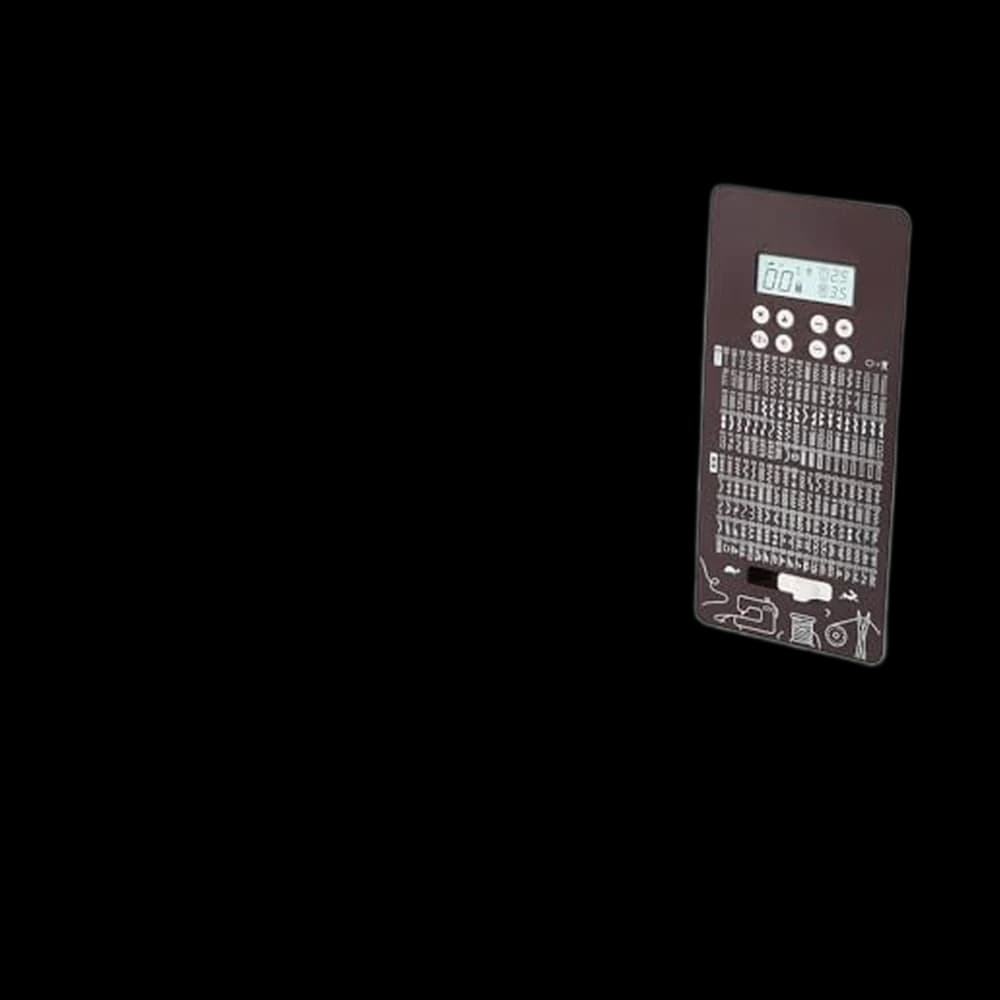
- Brother CS5055 is the alternative if you want an LCD screen and push-button stitch selection rather than dials.
- Choose a heavy-duty machine such as the SINGER 4423 only if your first projects are denim, canvas or curtains.
- Stitch count is the most oversold number in the category. You will use only a small set at first.
- Budget separately for needles, thread, compatible spare bobbins and a seam ripper so you can sew when the machine arrives.
A first sewing machine is not a lifetime purchase, and treating it like one is the main reason people never buy one at all. Under $250 there are machines from Brother, SINGER and a handful of newer brands that will sew a straight seam, a zigzag and a buttonhole for years — which is every stitch your first ten projects need. Spending four figures before you know whether you like sewing is how a machine ends up in a closet under a bag of fabric.
Everything below comes from manufacturer listings, published specs and the pattern of what owners report over time. We do not sew on these machines ourselves, and we say so rather than pretending otherwise — see how we research.
What $250 actually buys
At this price you are buying a mechanical or lightly computerized machine with a plastic outer shell, a drop-in or front-loading bobbin, and somewhere between 20 and 170 built-in stitches. That is not a compromised machine. It is the machine most people learn on, and the limits it has are ones you will not touch for a year.
What you are not buying: a knee lift, a walking foot built in, an extension table big enough for a queen quilt, or the mass of an all-metal body. Those matter at Level 3, when you are quilting a full top or sewing coats. They do not matter for a pillowcase.
Rule of thumb: a first machine only has to do three stitches well — straight, zigzag and a buttonhole. Every machine on this list does all three.
How we picked
Every machine here is scored with StitchScore, our 0–100 blend of owner satisfaction (72%) and maker value (28%) — the full formula is on the methodology page. We then applied the site's price law: nothing above $250 on this page, and the top pick has to be something we would hand to someone who has never threaded a machine.
What actually matters on a first machine:
- An automatic needle threader, when the listing states one. It is the fiddliest thirty seconds of every session.
- A free arm, so cuffs and hems slide around the bed instead of fighting it.
- A drop-in bobbin you can see through a clear cover, so you know when thread runs out.
- A clearly-marked stitch selector, whether that is a dial or a screen.
What sounds important and mostly isn't:
- Stitch count. You will use four of them. A machine with 165 stitches is not four times better than one with 27.
- "Heavy duty" in the product name. It describes a motor and a frame, not a guarantee about denim.
- Included accessory bundles. Extra feet are cheap to add later, and you will buy the ones you actually need.
- Speed ratings. Beginners sew slowly on purpose.
The five picks
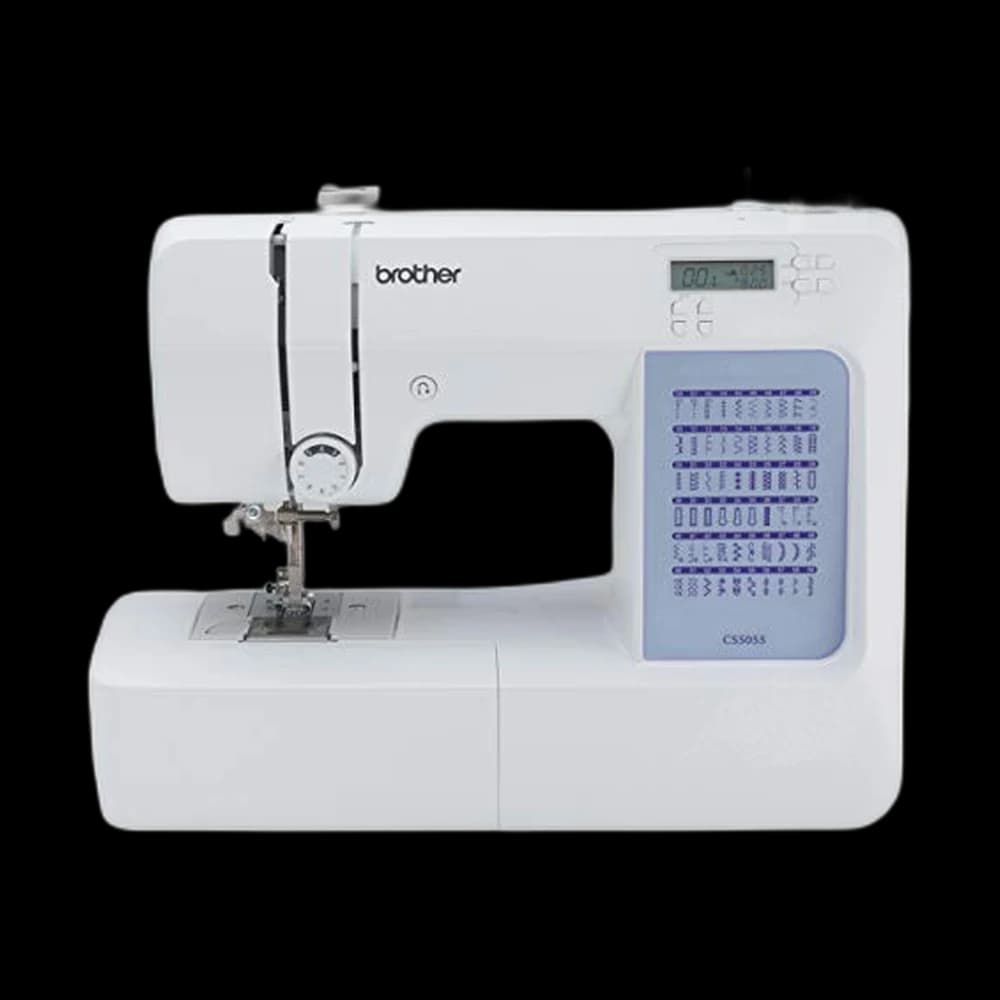
Brother CS5055 — best if you want a screen
The computerized alternative in our sewing machine category. Its LCD screen makes stitch selection a button press rather than a dial setting, and the listing specifies an automatic needle threader. Choose this one when a screen and push-button controls matter more to you than the XM2701's larger owner-feedback base.
The honest framing: this is the low-risk way to find out whether sewing sticks. If it does, you have spent less than a pair of shoes finding out. If it doesn't, you have lost very little.
Brother XM2701 — our top pick
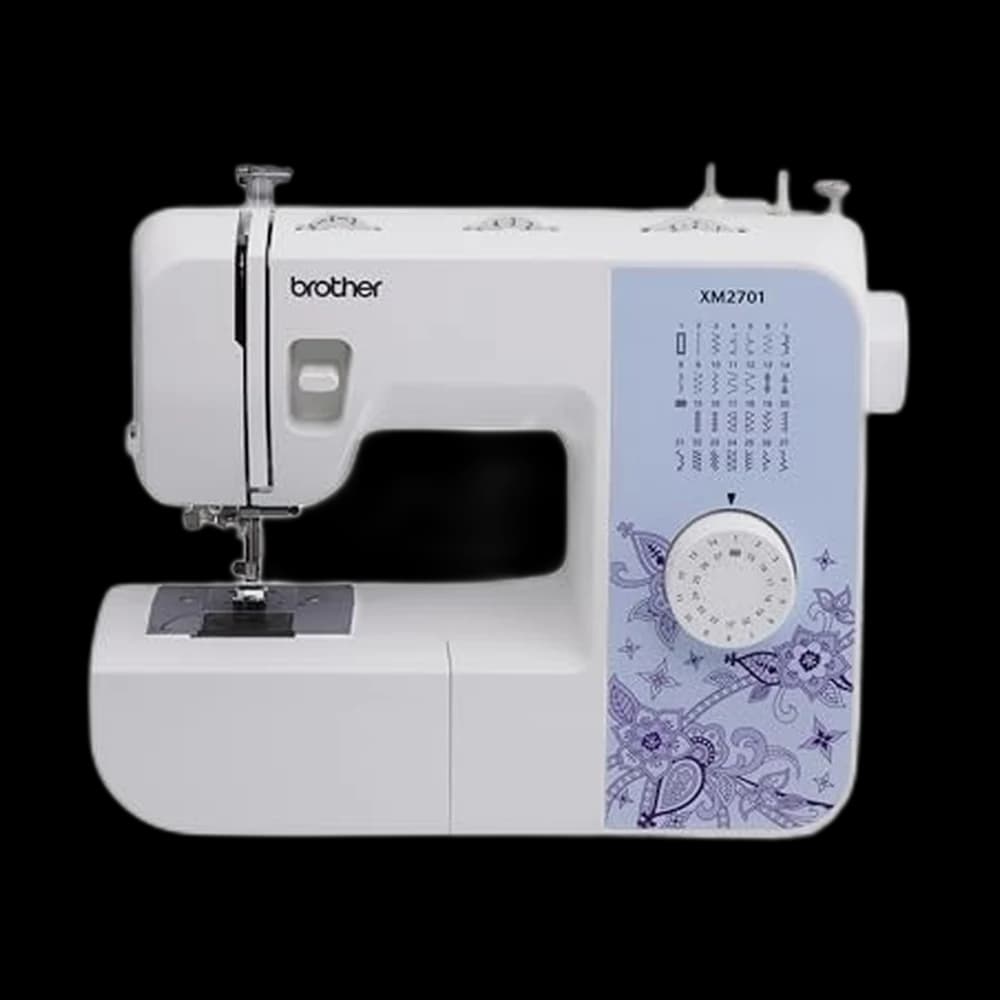
The mechanical pick: 27 built-in stitches, a free arm and an automatic needle threader according to the listing. Its controls are dials rather than a screen, which keeps stitch selection visible without a menu.
It earns the editorial win because its strong owner rating rests on a much larger feedback base than the CS5055's, while keeping the beginner-useful free arm and needle threader. The live comparison table above carries the current rating, count and price.
Its one real trade: the listing leans hard on how light it is, and lightness usually means less mass holding the machine steady when you push thick seams through. If you already know you want to sew denim and canvas, look at the SINGER below instead.
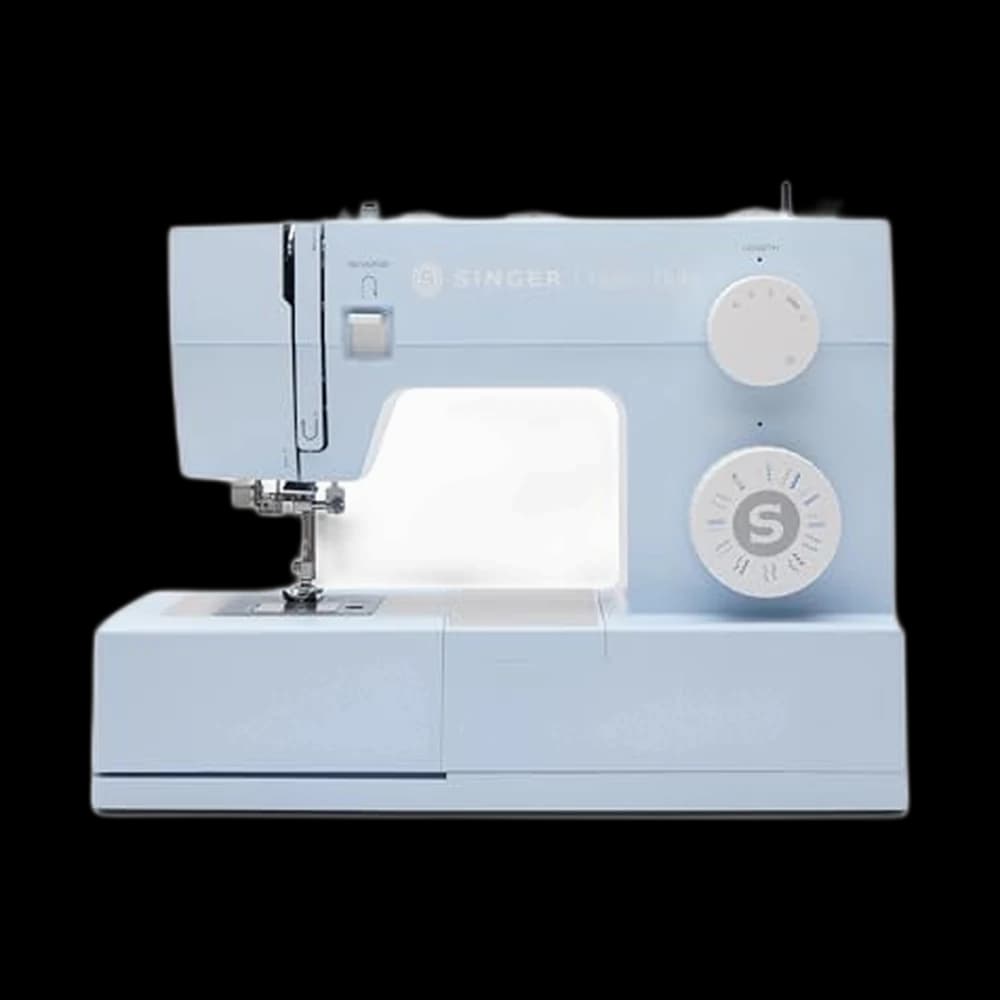
SINGER 4423 Heavy Duty — for heavier first projects
A metal internal frame, which is what stops a machine walking across the table on heavier fabric, plus an automatic needle threader. This is the pick for someone whose first projects are repairs, curtains, tote bags and anything canvas.
"Heavy duty" is a product name, not a rating. It means a stronger motor and frame than the plastic-framed machines above — it does not mean the machine will do things the manufacturer never claimed it will do.
What owners say about the Singer Heavy Duty line
SINGER's Heavy Duty machines are some of the most recommended and most argued-about beginner machines in the sewing forums, and both halves are worth knowing before you buy.
- What SINGER claims. Its own 4423 product page states a motor 60% stronger than a standard sewing machine motor, a metal interior frame, and up to 1,100 stitches per minute.
- What owners praise. In the Amazon review record our catalog tracks for the 4423, more than 21,000 ratings, the most-praised aspects are value for money, versatility and speed. Owners in r/SewingForBeginners and r/sewhelp recommend it for the same reasons: a lot of machine for the money, with power for thicker projects.
- What owners complain about. The same review record is mixed on reliability, and some reviews flag durability. The forum complaint is more specific: a recurring minority of owners report the timing slipping, meaning the needle and the hook fall out of step, usually after a jam or after forcing very thick layers. The result is skipped stitches or no stitches until a technician resets it. SCHMETZ's own FAQ notes that a technician can reset machine timing; it is not a home adjustment. Plenty of other owners report years without trouble.
- What that means for you. The listing gives 25 years of limited parts coverage but 90 days of full coverage, so sew real projects on it inside that window. Hand-wheel over thick seams rather than forcing them, and stop the moment it stalls.
None of that changes our top pick: for general first sewing, the Brother XM2701 is still where we would start.
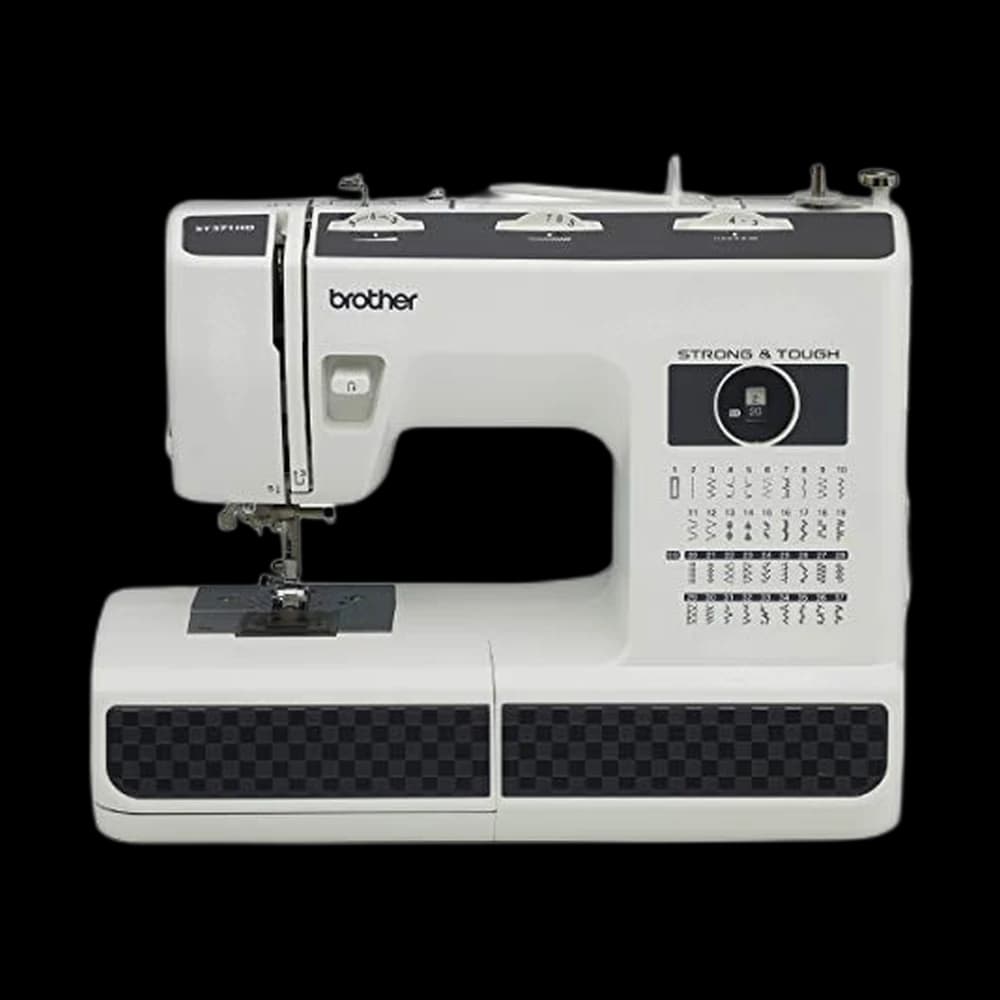
Brother ST371HD — Brother's heavy-duty alternative
Brother's answer to the same brief: a metal frame, 37 built-in stitches, a free arm and an automatic needle threader. Choose between this and the SINGER based on the controls you prefer and the live price when you buy — they are aimed at the same person.
SewLaVie 1130 — the quilting-oriented option
The one on this list built as a sewing and quilting machine, which in practice means a computerized stitch selector and a wider working area than a basic mechanical. It sits in our quilting machine category rather than the general one. Its owner rating rests on a small feedback base beside the XM2701's, so treat it as a quilting-specific option rather than evidence of a better all-purpose first machine.
Choose it only if you already know quilting is where you are heading. Otherwise, pick the control style you prefer between the XM2701 and CS5055.
What we'd buy for this
One pick per category, chosen from the research pages linked in this piece. Borrow before you buy — nothing here is required to start.
 Sewing Machines
Brother XM2701$143.14 4.6 out of 5 stars · 19,162 ratings
A first machine — 27 built-in stitches is enough to sew clothes without a menu to decode, and the listing specifies the automatic needle threader and the jam-resistant drop-in top bobbin, which are the two steps beginners most often give up on.
 Quilting Machines
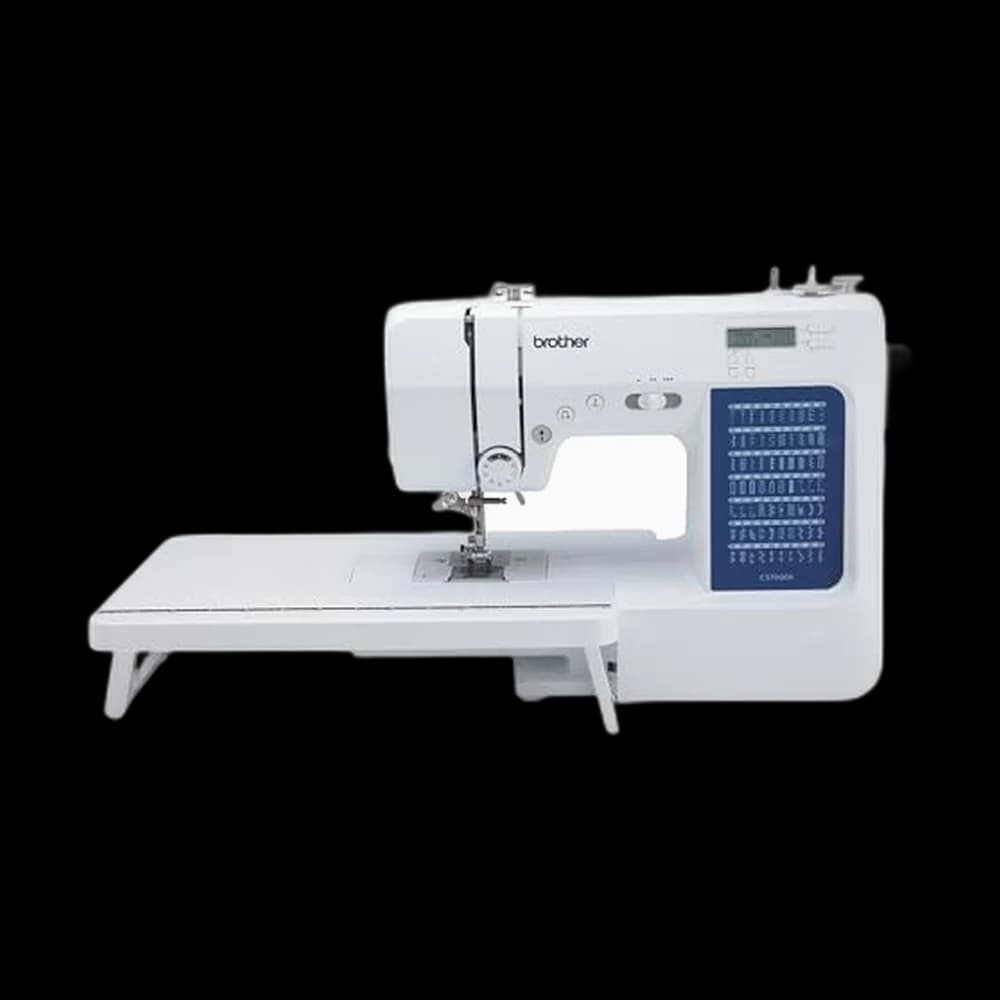
Brother CS7000X$249.99 4.6 out of 5 stars · 3,626 ratings
Your first quilt on a machine that still does everything else — the listing includes the wide table, ten feet and a quilt guide, and its 70 stitches cover quilting and everyday sewing on one machine.
 Machine Needles
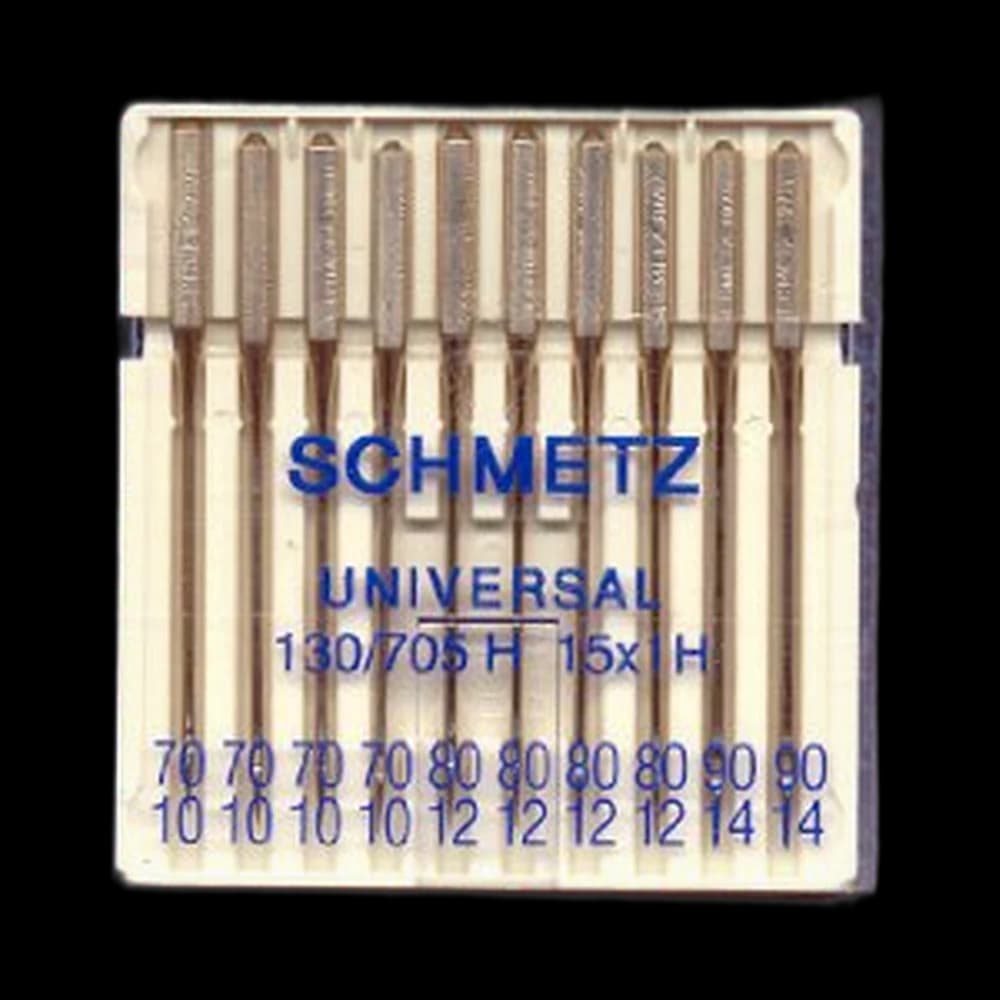
SCHMETZ Universal 130/705$7.45 4.8 out of 5 stars · 709 ratings
Priced in the lower half of this category; universal points, the default for ordinary woven fabric.
Researched from listings, specs and owner feedback — never hands-on testing. We may earn a commission; it never changes a pick.
Mechanical or computerized?
| Mechanical | Computerized | |
|---|---|---|
| Choosing a stitch | Turn a dial | Press a button, read a screen |
| On this list | XM2701, SINGER 4423, ST371HD | CS5055, SewLaVie 1130 |
| Fails how | Rarely, and visibly | Rarely, but a board fault is not a home repair |
| Best for | People who like knowing what every part does | People who want fewer decisions |
There is no correct answer. The people who insist mechanical machines are more reliable and the people who insist screens are easier are both describing their own first machine.
What else you need on day one
Price these separately so the machine is usable when it arrives:
- A pack of universal machine needles in assorted sizes. Change them; a dull needle causes more problems than any setting.
- All-purpose polyester thread in the colours you will actually use.
- Extra bobbins that match your machine's class. They are not universal.
- A seam ripper, which is not an admission of failure. Wonky seams are the whole point; unpicking them is part of sewing.
Rule of thumb: if you are choosing between a better machine and having thread, needles and bobbins on the day it arrives, buy the cheaper machine.
And if denim, canvas and curtains really are the point rather than the occasional job, the rest of that shelf lives in heavy-duty sewing machines — a second machine for most people, and never the one we would hand a beginner first.
Still not sure which one?
Answer three questions — your budget, what you want to make, and whether you want a screen or a dial — and our Machine Finder will narrow this to three. Then go and read how to thread a sewing machine before your machine arrives, so the first hour is sewing rather than panicking.
If you want the whole path rather than just the purchase, Level 1 of The Pattern — Threader — takes you from an unopened box to a finished pillowcase.
The comparison table uses the site's current catalog prices. Amazon prices and availability move constantly, so confirm the live listing before you buy.
Picked a machine? Here is what it needs on day one.
Frequently asked
Is a cheap sewing machine a false economy?
Not at this level. Under $250 you are buying a machine that sews straight, zigzag and buttonhole stitches reliably, which covers your first ten projects. The false economy is spending four figures before you know whether you enjoy sewing.
What is the best starter sewing machine for less than $200?
The Brother XM2701, our top pick, which was $129 when our catalog last checked on September 19, 2026. Two other machines on this list were also below $200 on that check: the computerized Brother CS5055 at $134, and the SINGER 4423 Heavy Duty at about $191 if your first projects are denim or canvas. Prices move, so confirm the live listing before you buy.
Mechanical or computerized for a complete beginner?
Either. A dial means nothing to navigate; a screen means fewer decisions and clearer stitch selection. People who insist one is correct are usually describing whichever one they learned on.
Do I need a heavy duty machine?
Only if your first projects are denim, canvas, curtains or bag-making. Heavy duty is a product name describing a stronger motor and a metal internal frame — it is not a manufacturer guarantee about any particular fabric.
Is the Singer Heavy Duty a good first machine?
For heavier first projects, it can be. Owners praise its value, versatility and speed, and SINGER states a stronger motor and a metal interior frame. The same owner record is mixed on reliability, and a recurring forum complaint is the timing slipping after a jam or very thick layers, which needs a technician to reset. For general sewing we would start with the Brother XM2701; for denim and canvas, sew slowly over thick seams and learn the machine inside its 90-day full-coverage window.
How many built-in stitches do I actually need?
Four: straight, zigzag, a stretch stitch and a buttonhole. A machine with 165 stitches is not better than one with 27 for anything you will make in your first year.
What do I need to buy alongside the machine?
Universal machine needles in assorted sizes, all-purpose polyester thread, spare bobbins in the class specified by your machine manual, and a seam ripper. Price those separately so you can sew when the machine arrives.
Did you test these machines?
No. We research listings, published specifications, manuals and the pattern of what owners report over time, and we say so rather than claiming hands-on testing we have not done.
Prices and StitchScores reflect our most recent research and refresh on a cycle — confirm the live price before buying. We may earn a commission from affiliate retailers; it never changes what we recommend. See how we score gear.
Read next
Sewing Machine Tension Problems: Causes and How to Fix Them
What sewing machine tension actually is, a symptom table for reading your test seam, and the seven checks to run in order before you ever touch the dial.
How to Thread a Sewing Machine (Any Brand, Step by Step)
The upper thread path, winding and inserting a bobbin, and the five mistakes behind almost every nest of thread under your fabric.