Rotary Cutter vs Scissors: Which to Cut Fabric With
Our picks, at a glance
- Top pick
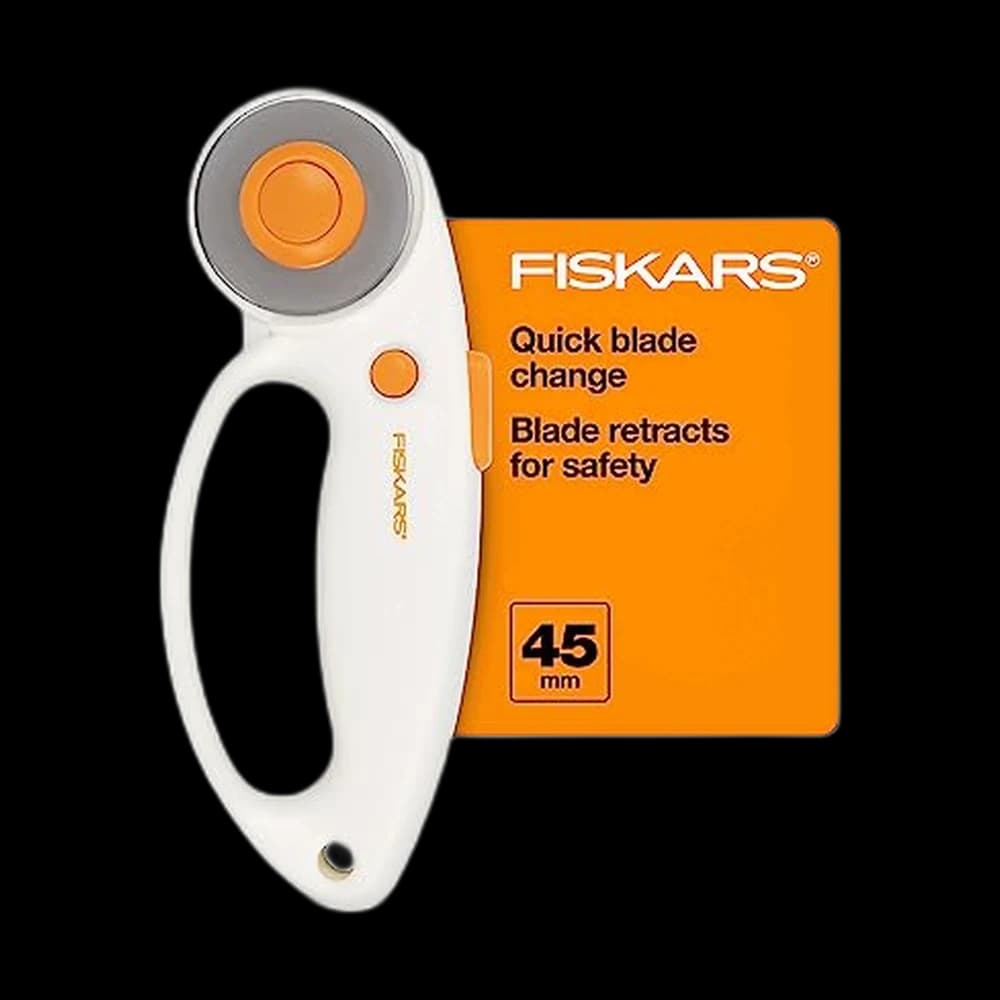
Fiskars 45mm Rotary Cutter for Fabric
$10.98StitchScore 75 4.6 out of 5 stars · 2,112 ratings
- #2
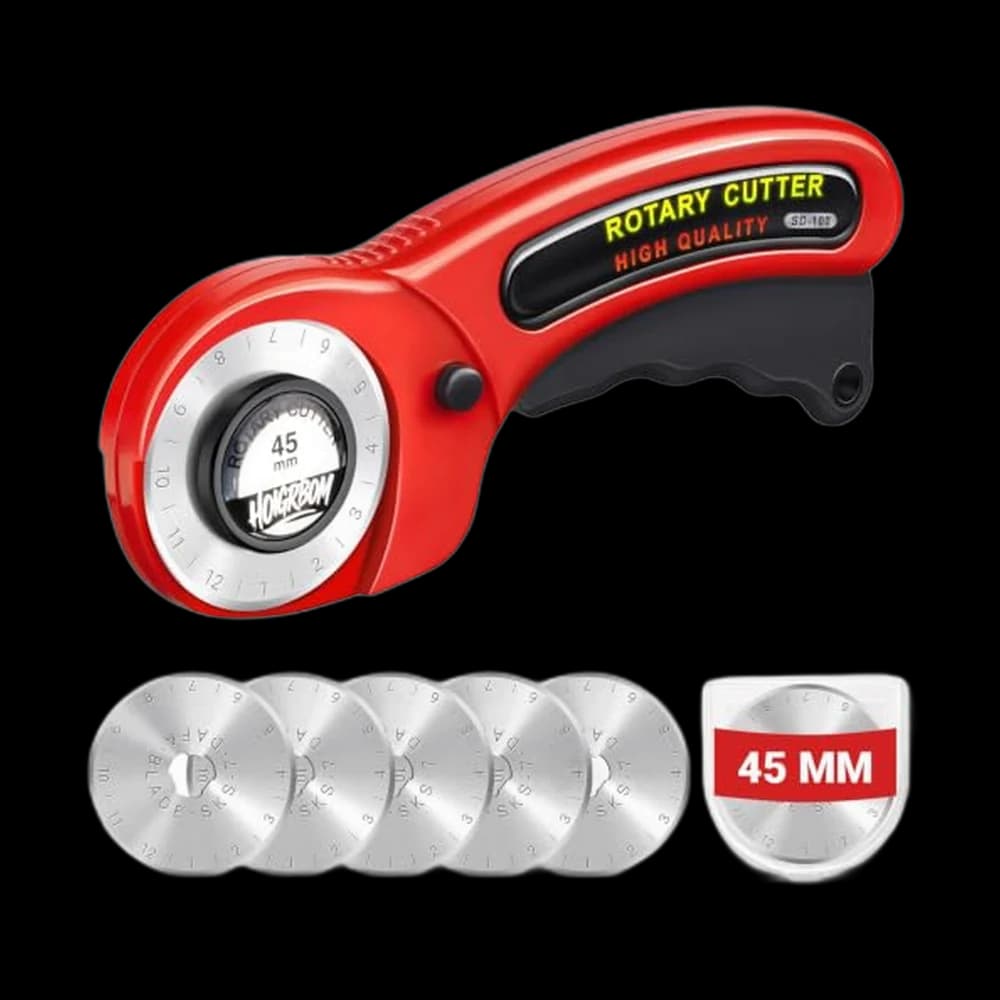
HOIGRBOM 45mm Rotary Cutter with 5 Extra Blades
$6.59StitchScore 62 4.1 out of 5 stars · 37 ratings
- #6
Proshear Professional Tailor Scissors, 9 Inch Heavy Duty Fabric Shears
$8.99StitchScore 93 4.8 out of 5 stars · 4,040 ratings
The short version
- Scissors handle curves, notches and small pieces and need no other equipment, which is why they come first.
- A rotary cutter wins on long straight lines, repeated strips and stacked layers, especially in quilting.
- A rotary cutter is a three-part purchase: cutter, self-healing mat and acrylic ruler. The mat is not an upgrade.
- Entry costs are roughly $7 to $20 for the cutter, $9 to $37 for the mat, and $9 to $22 for the ruler.
- Safety is one habit: retract or lock the blade every time you set it down, and never cut without a ruler.
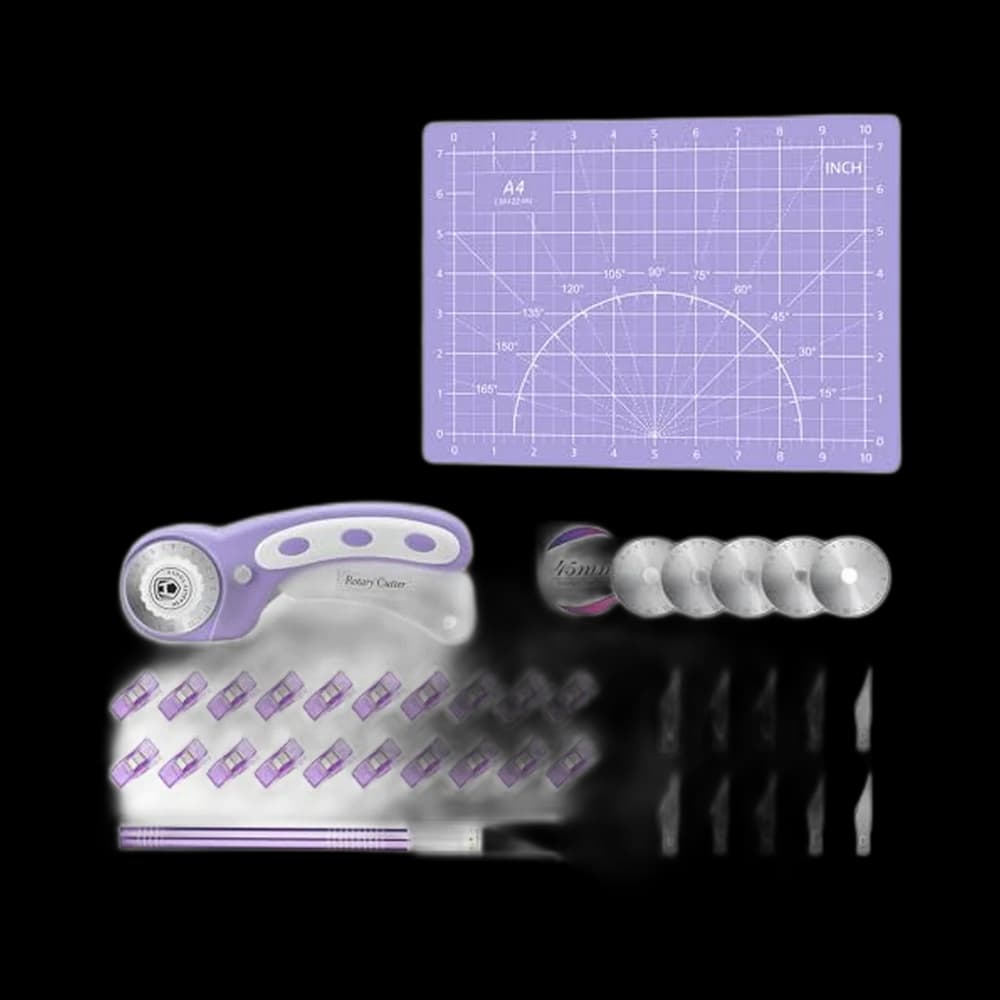
- The Fiskars 45mm stick cutter at about $11 is the sensible first one; the Headley Tools 39-piece set at about $20 puts the whole trio in one box.
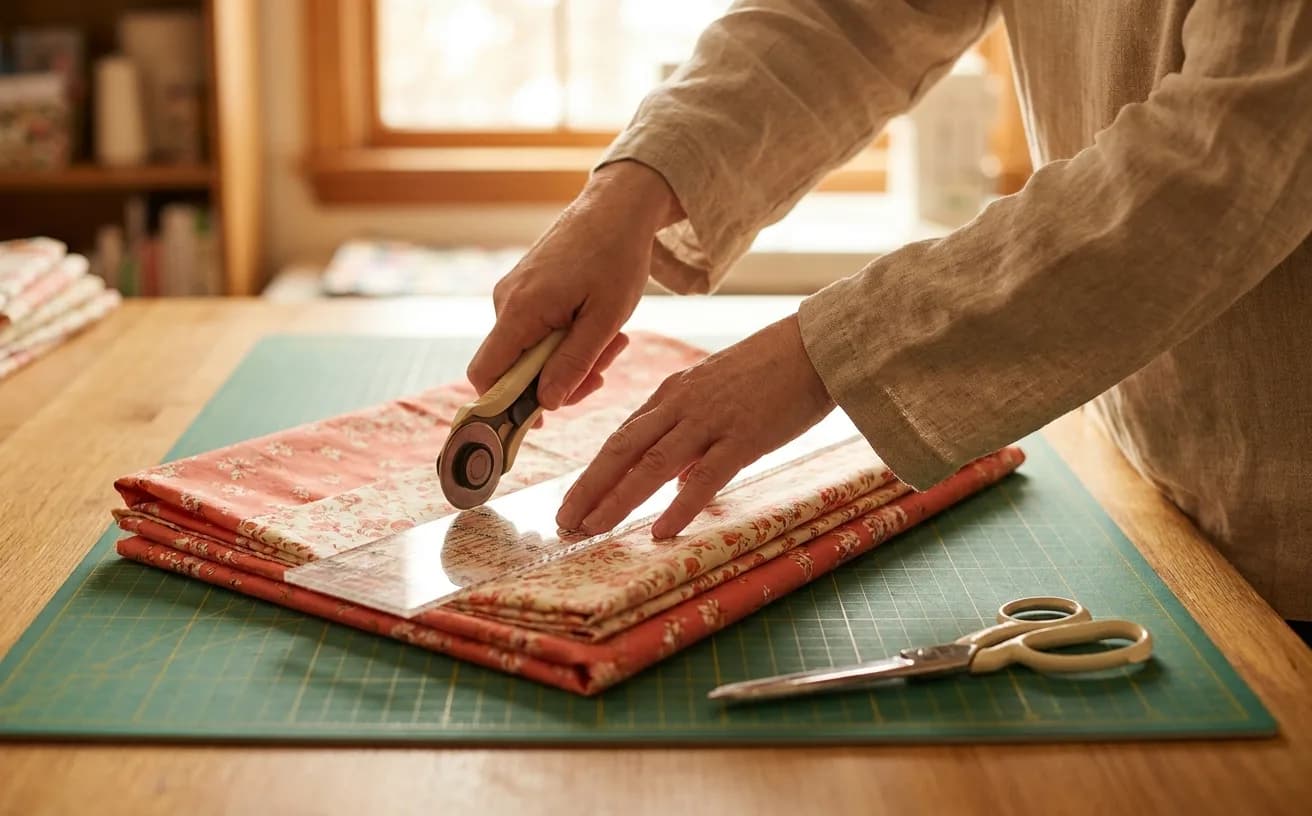
Every sewing list on the internet puts a rotary cutter near the top, and every beginner who buys one first discovers the same thing: on its own it does almost nothing. A rotary cutter is a pizza wheel with a razor edge. Without a mat under the fabric and a ruler on top of it, it will score your table and wander off your line. Scissors need nothing but your hand.
So the short version, before anything else:
- Scissors first. Every sewist needs a good pair, forever, whatever else they own.
- The rotary trio second — cutter, mat and ruler together — the moment you start cutting long straight lines, strips, or quilt pieces.
- Never the cutter alone. A rotary cutter with no mat is a returned purchase.
What each tool is actually good at
They are not competitors so much as different shapes of the same job. Scissors follow a curve your eye is drawing. A rotary cutter follows an edge your ruler is holding.
| Fabric scissors | Rotary cutter | |
|---|---|---|
| Best at | Curves, notches, small pieces, snipping threads | Long straight lines, strips, squares, stacked layers |
| Needs to work | Nothing | A self-healing mat and a ruler |
| Accuracy comes from | Your hand and eye | The ruler edge it rides against |
| Several layers at once | Two or three before it drifts | Four to six comfortably |
| Paper pattern pieces | Cut around the tissue easily | Awkward on curves and inner corners |
| Learning curve | You already know how | An afternoon to trust it |
| Risk | Sore hand | A genuinely sharp exposed blade |
The line between them is curves versus straights. A sleeve head, an armhole, a rounded patch pocket — scissors, every time. A 40-inch strip of quilting cotton cut dead straight at exactly 2.5 inches wide — a rotary cutter, and it is not close.
Why scissors come first
A pair of dressmaking shears is the one cutting tool with no prerequisites. You unbox it and you are working. Nothing else in a sewing kit is that immediately useful, which is why fabric scissors belong in your first purchase alongside thread and needles, well before any machine accessory.
They also do the jobs a rotary cutter never will:
- Cutting around a paper pattern piece, where the blade would have to leave the ruler.
- Notching seam allowances and clipping curves so they lie flat.
- Trimming corners before you turn a bag or a cushion right side out.
- Any cut you make while the work is in your lap rather than flat on a table.
The one rule about fabric scissors: they cut fabric and nothing else. Paper dulls a blade faster than anything, and a dull pair chews rather than cuts. Label them, hide them, guard them like a dragon.
What we'd buy for this
One pick per category, chosen from the research pages linked in this piece. Borrow before you buy — nothing here is required to start.
 Fabric Scissors
Proshear$8.99 4.8 out of 5 stars · 4,040 ratings
The least expensive pick in this category, which makes it the low-risk way to find out whether you'll keep at it; the handles are the ergonomic style, which matters more than it sounds once you are cutting out a whole garment.
 Rotary Cutters
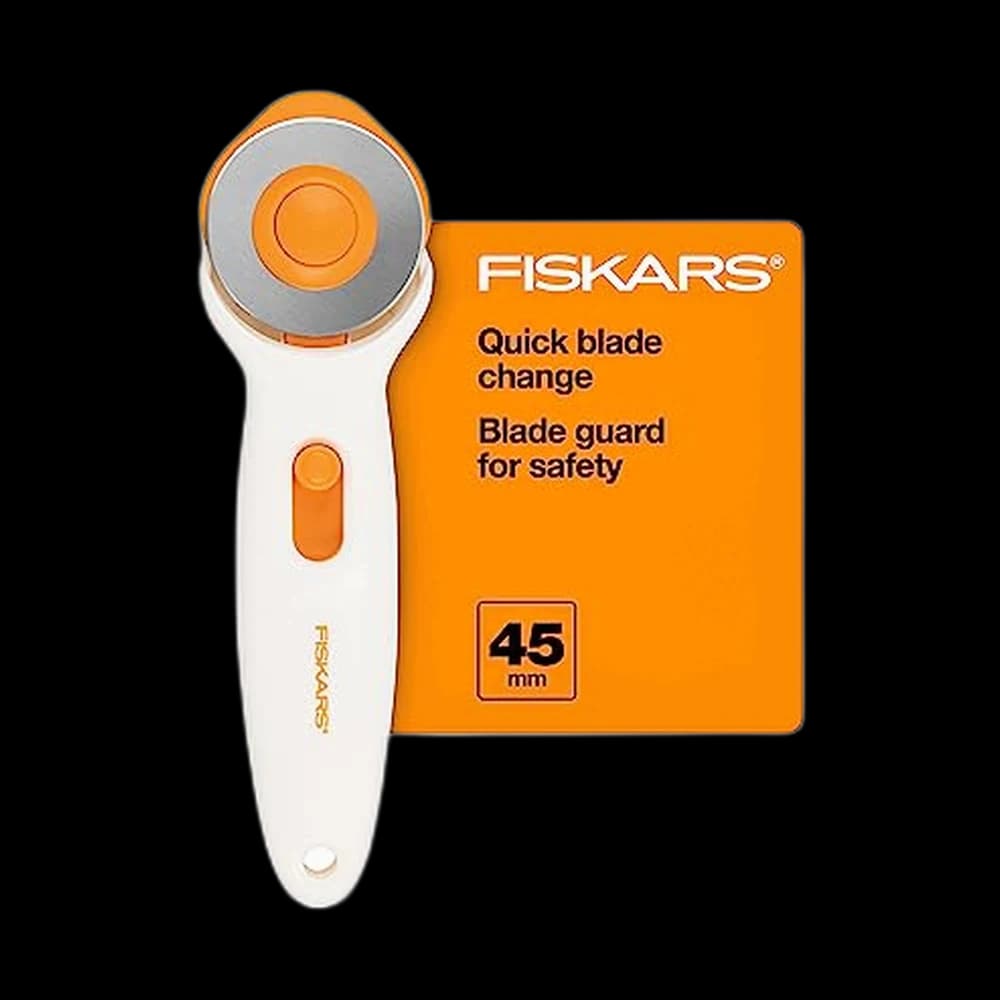
Fiskars 45mm$10.98 4.6 out of 5 stars · 2,112 ratings
Priced in the lower half of this category.
 Cutting Mats
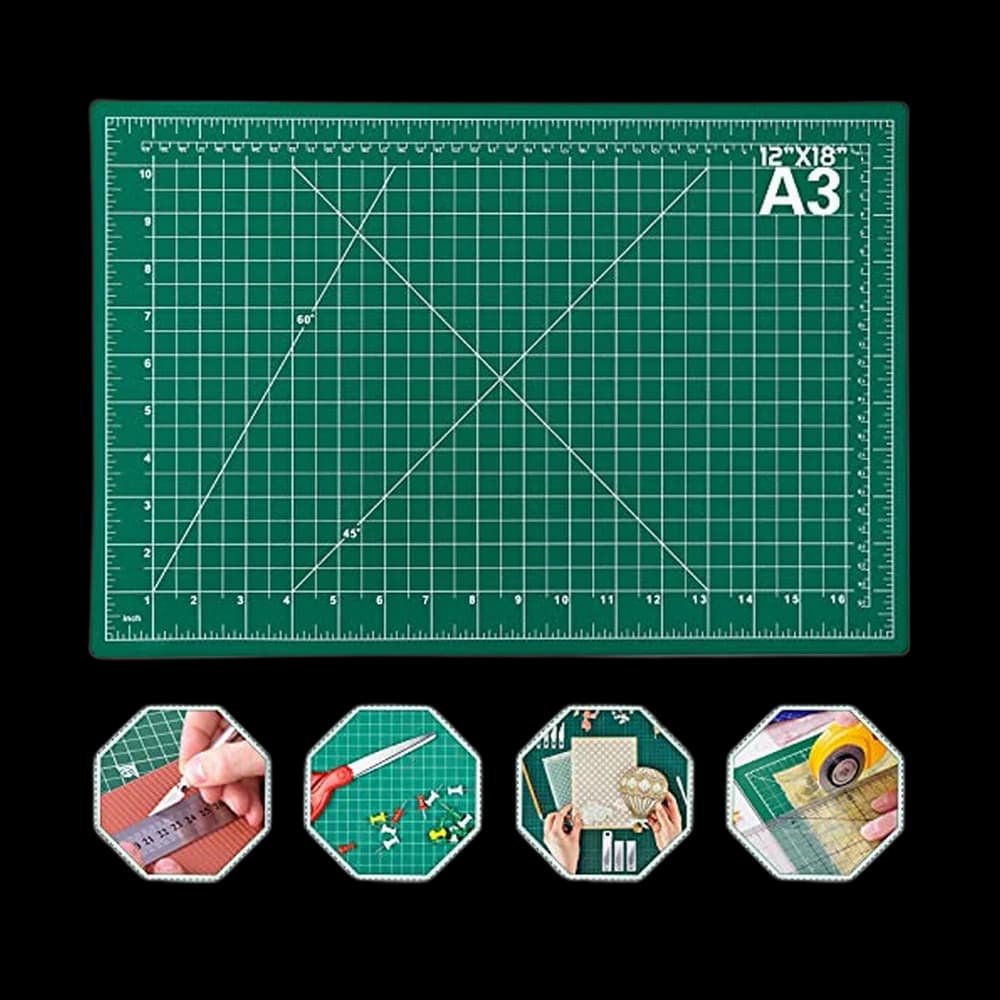
anezus 12inch$8.99 4.6 out of 5 stars · 21,006 ratings
Researched from listings, specs and owner feedback — never hands-on testing. We may earn a commission; it never changes a pick.
When the rotary cutter starts to make sense
There is a specific moment. It arrives when your project stops being one shaped piece and becomes lots of identical straight ones — binding strips, sashing, waistband pieces, and above all quilt patchwork. Cutting sixty 5-inch squares with scissors is possible, and it is also how people quit quilting. That is the point where the tools in our rotary cutters category start earning their space.
Signals that you have reached it:
- You are starting a quilt. Our beginner quilting guide covers what the first one should be.
- You are cutting more than a couple of long strips at a time.
- You want the same measurement repeated exactly, not approximately.
- You are working with slippery fabric that scissors lift and distort as they cut.
That maps to roughly Level 2: Stitcher in The Pattern — you have a machine, you have finished a few things, and the bottleneck has moved from sewing to cutting.
The trio, and why the mat is not optional
A rotary cutter is one third of a purchase. The other two thirds are not upgrades.
The mat protects your table and, more importantly, protects the blade. A self-healing cutting mat reseals after each cut instead of scarring into a groove that steers your next pass. Cut on bare wood or laminate and you will ruin the surface and blunt a fresh blade in a session. Small mats start around $9 for a 12-by-18-inch, and the 24-by-36-inch mats most quilters end up with sit around $37.
The ruler is what makes the cut straight. You do not freehand a rotary cutter — the blade rides along a thick acrylic edge that takes the pressure. A quilting ruler starts under $10 for a 3-by-18-inch, with the 6-by-24-inch size most people want for strip cutting at around $20.
| Piece | Rough entry cost | Can you skip it? |
|---|---|---|
| Rotary cutter | $7 to $20 | No — it is the tool |
| Self-healing mat | $9 small, $37 large | No, not even once |
| Acrylic ruler | $9 to $22 | No — it is your straight edge |
| Spare blades | Often included | Not for long |
Budget the set, not the cutter. A cutter bought alone gets used once on a kitchen table and then lives in a drawer.
Safety, said plainly
A rotary blade is closer to a scalpel than to scissors, and it sits exposed on a tool you push away from yourself along a ruler.
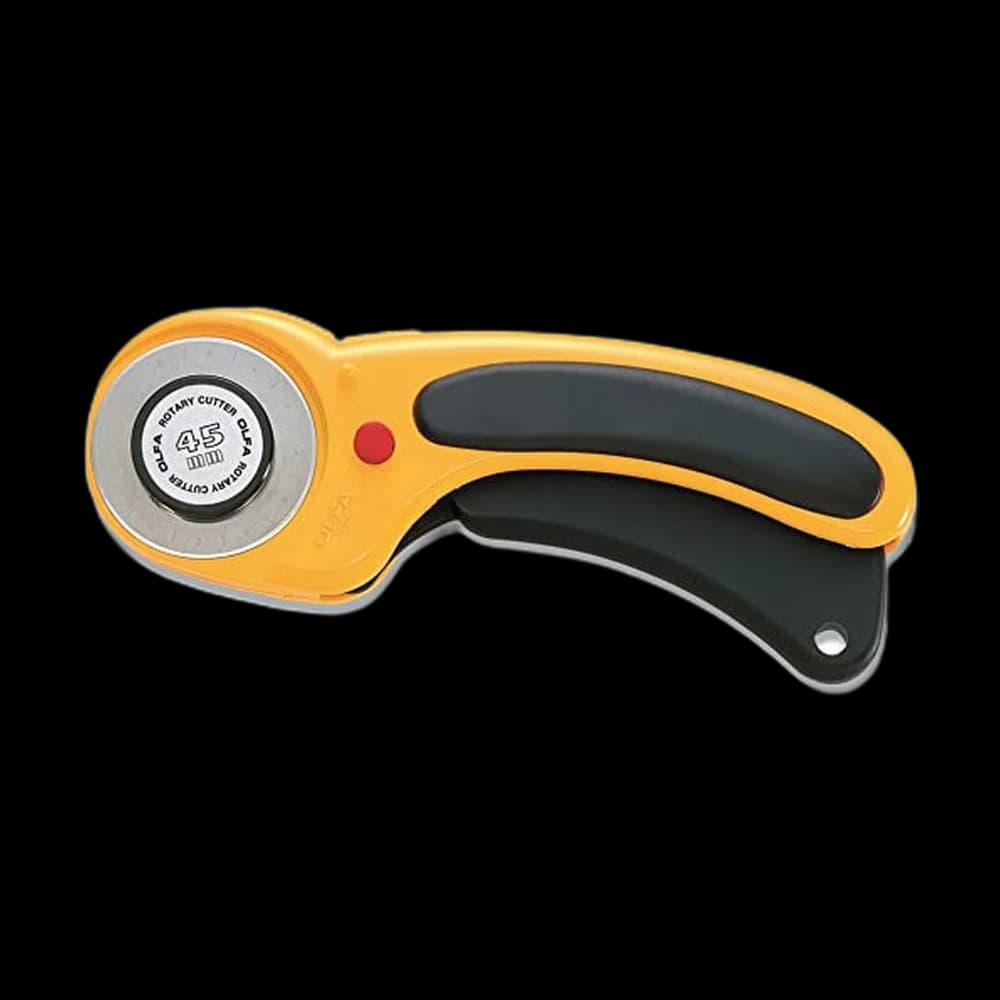
- Close it every single time you set it down. Not most times. Every time. Both Fiskars cutters below use a sliding button that extends and locks the blade and retracts it for storage; the OLFA squeeze handle self-retracts the moment you let go.
- Never cut toward yourself, and never cut without the ruler. Freehanding is how the blade skips off the fabric and keeps going.
- Keep fingers back from the ruler edge, at least a knuckle's width. The blade can climb the acrylic if you tilt it.
- Change blades when cutting gets hard, not when it gets impossible. Pressing harder on a dull blade is where slips happen.
The picks, and who each is for
Prices below are the listed prices for these specific products.
Fiskars 45mm Rotary Cutter
The default first cutter. A precision-ground 45mm steel blade on a symmetrical stick handle that works right or left handed, with a sliding button that extends, locks and retracts the blade. It is the least expensive way into a name you will keep seeing, and the safety mechanism is the one you want while the habit is still forming.
HOIGRBOM 45mm Rotary Cutter with 5 extra blades
The lowest-risk way to find out whether you will keep at it. It is the cheapest cutter in the category and it ships with five replacement blades, so the consumable that usually surprises people is already handled. The handle is the ergonomic style with an integrated safety lock, and blade tension adjusts with a control knob.
Headley Tools 39-piece Rotary Cutter Set
The whole trio in one box, which for a lot of beginners is the honest answer to this article. It includes the 45mm cutter with five spare SKS-7 steel blades, a double-sided self-healing A4 mat, a 6.5-inch square acrylic ruler, a craft knife with ten blades, and 20 sewing clips. The mat is small — fine for blocks and patchwork, not for cutting yardage — but nothing is missing on day one.
Fiskars 45mm Loop Rotary Cutter
Same blade, different grip. The loop handle gives more control for people who find the stick style tiring, and blades snap in and out for quick replacement. Worth the few extra dollars if you already know your hands get sore.
OLFA 45mm Ergonomic Squeeze-Handle (RTY-2/DX)
The one to graduate to. The squeeze trigger exposes the blade and self-retracts when you release it, which turns the safety habit into something you cannot forget. It ships with an Endurance blade, has a dual-action safety lock that works open or closed, and accepts pinking, scallop and wave blades. OLFA lists it as guaranteed forever.
The scissors side of the table
The three shears below come from the same research pass, and they answer a different question: which pair you keep for fabric and nothing else. All three sit in fabric scissors.
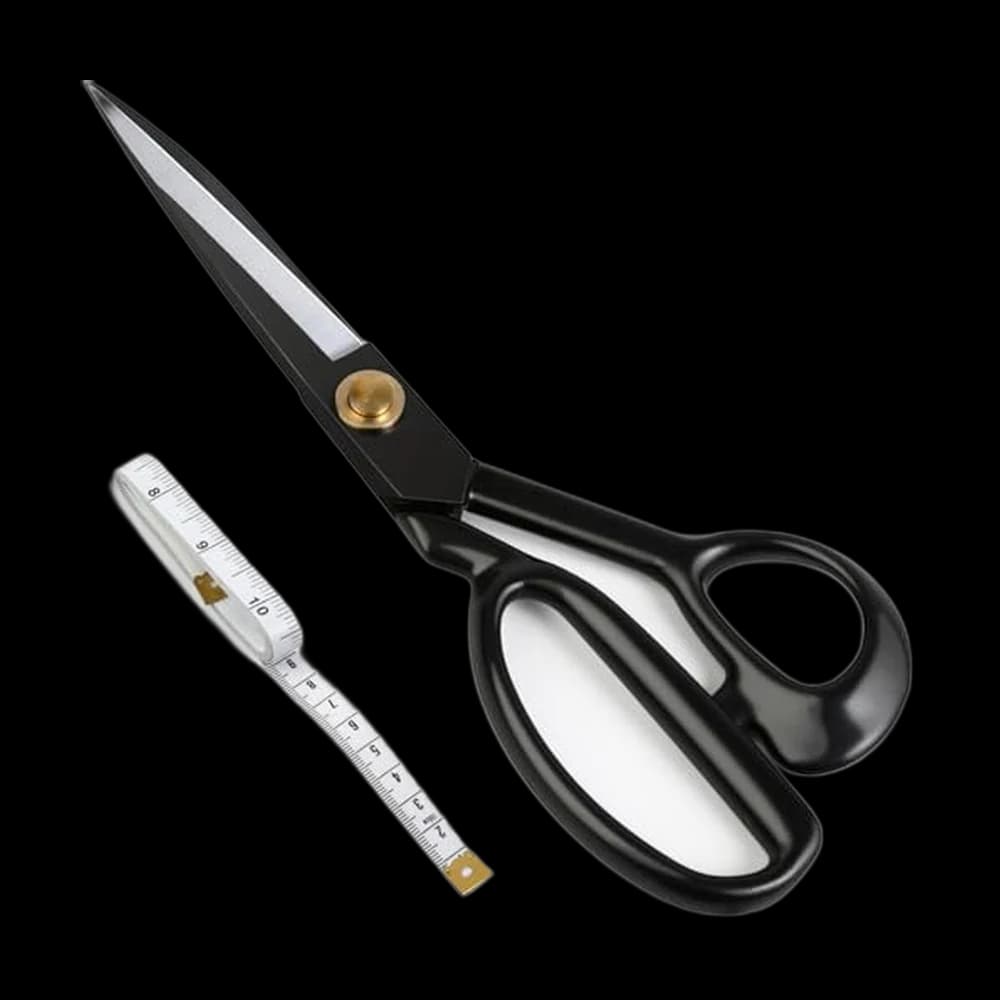
Proshear 9-inch Tailor Scissors — about $9. The default. A long blade takes a full stroke through yardage, at a price low enough that "fabric only" is an easy rule to keep.
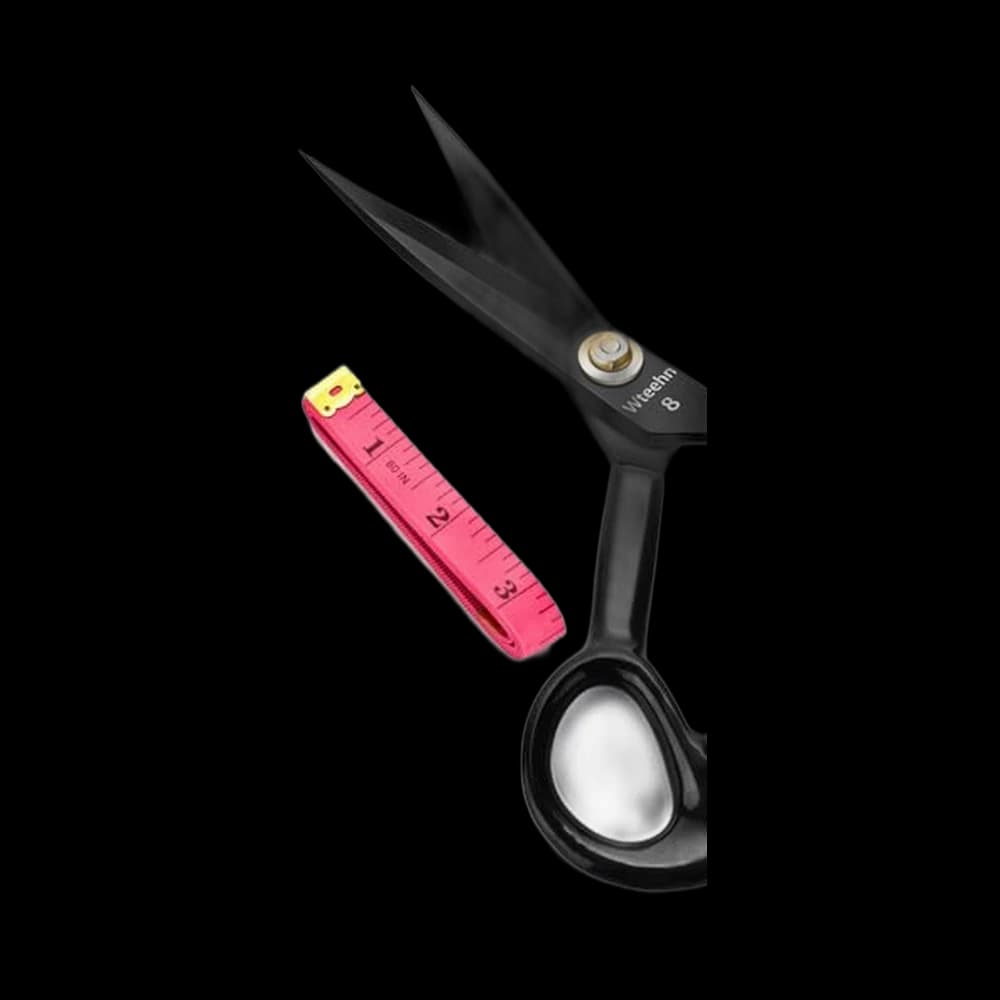
WTEEHN 8-inch Fabric Scissors — about $10. The shorter blade, which suits smaller hands and cutting in your lap; the trade is fewer inches per stroke on long cuts.
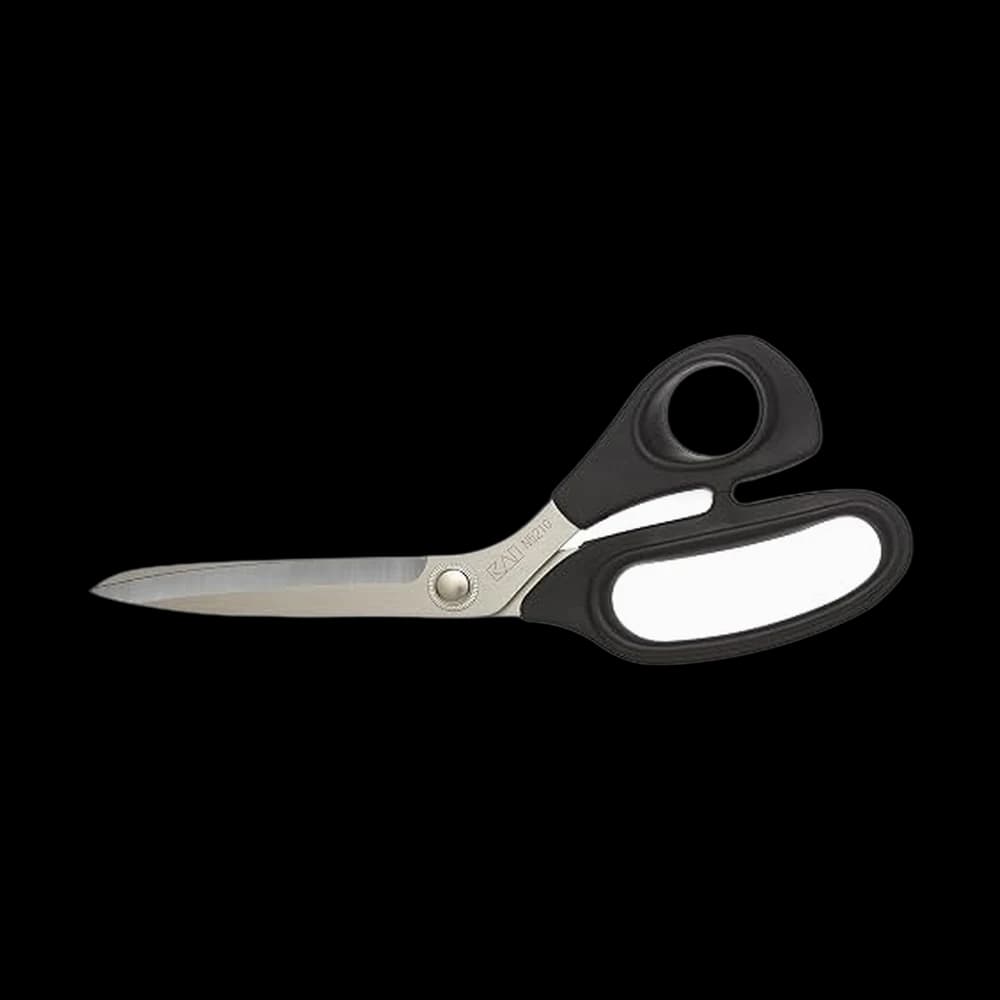
Kai 5210 8-inch Dressmaking Shears — about $18. The step up, for later. Kai says its 5000-series blades are hardened stainless steel and the soft handles allow fatigue-free cutting on all types of fabric, through multiple layers of denim. Gingher's 8-inch dressmaker shears are the traditional buy-once pair, but when we checked on 1 October 2026 no Amazon listing for one was sold by Amazon or by Gingher, only by resellers, so the Kai, sold by Kai itself, is the step up we link.
One more pair belongs in this conversation, as a finisher rather than a cutter. Pinking shears leave a zigzag edge that slows fraying on woven seam allowances. They are for trimming allowances once a seam is sewn, not for cutting pieces out, and neither a rotary cutter nor straight shears replaces them.
So — do you need one?
Not to start. You need scissors, and you need them regardless of what else is on the table. Buy the rotary set when a project puts long, straight, repeated cuts in front of you — buy all three pieces at once, and close the blade every time you put it down.
Whichever you pick, it wants a mat under it.
Frequently asked
Do I really need a rotary cutter?
Not to start sewing. Scissors will get you through your first pouch, cushion cover, tote and hemmed trousers with nothing missing. The rotary cutter becomes worth it when a project asks for lots of identical straight pieces — quilt squares, binding strips, sashing. If that is not what you are making yet, the money is better spent on thread, needles and fabric.
Can I use a rotary cutter without a cutting mat?
No. The blade cuts through the fabric and into whatever is underneath, so on a table you will score the surface and blunt a new blade in one session. A self-healing mat reseals after each pass instead of scarring into a groove that steers your next cut. Small 12-by-18-inch mats start around $9, so there is no reason to try it.
What size rotary cutter should a beginner buy?
45mm is the standard size and what every cutter listed here uses. It is large enough to roll cleanly through several layers and small enough to handle gentle curves. Smaller 28mm cutters exist for tight detail work and larger 60mm ones for heavy layers, but neither is the one to own first.
Are rotary cutters dangerous?
They deserve respect. The blade is exposed, sharp, and pushed away from you along a ruler edge, so a slip travels. The habit that prevents nearly everything is closing or retracting the blade the moment you set the tool down. Squeeze-handle designs like the OLFA RTY-2/DX self-retract when you release the grip, which removes the decision entirely.
Can I cut fabric with paper scissors?
You can once, badly, and then you have two dull pairs. Paper blunts a blade far faster than fabric does, and a dull edge chews and drags rather than slicing, which distorts the cut line. Keep one pair for fabric only, label them, and keep a separate cheap pair near the paper patterns.
Prices and StitchScores reflect our most recent research and refresh on a cycle — confirm the live price before buying. We may earn a commission from affiliate retailers; it never changes what we recommend. See how we score gear.
Read next
How to Bind a Quilt: Strips, Corners and a Neat Finish
Learn to bind a rectangular quilt: calculate strips with diagonal join loss, sew mitered corners, join the tails, and choose a hand or machine finish.
How to Sew a Christmas Stocking: Draft Your Own Pattern
Draw your own boot-shaped stocking template in any size, then sew a lined stocking with a cuff and a hanging loop. No PDF download, no printer needed.