Embroidery Machine for a Small Business: An Honest Guide
Our picks, at a glance
- Top pick
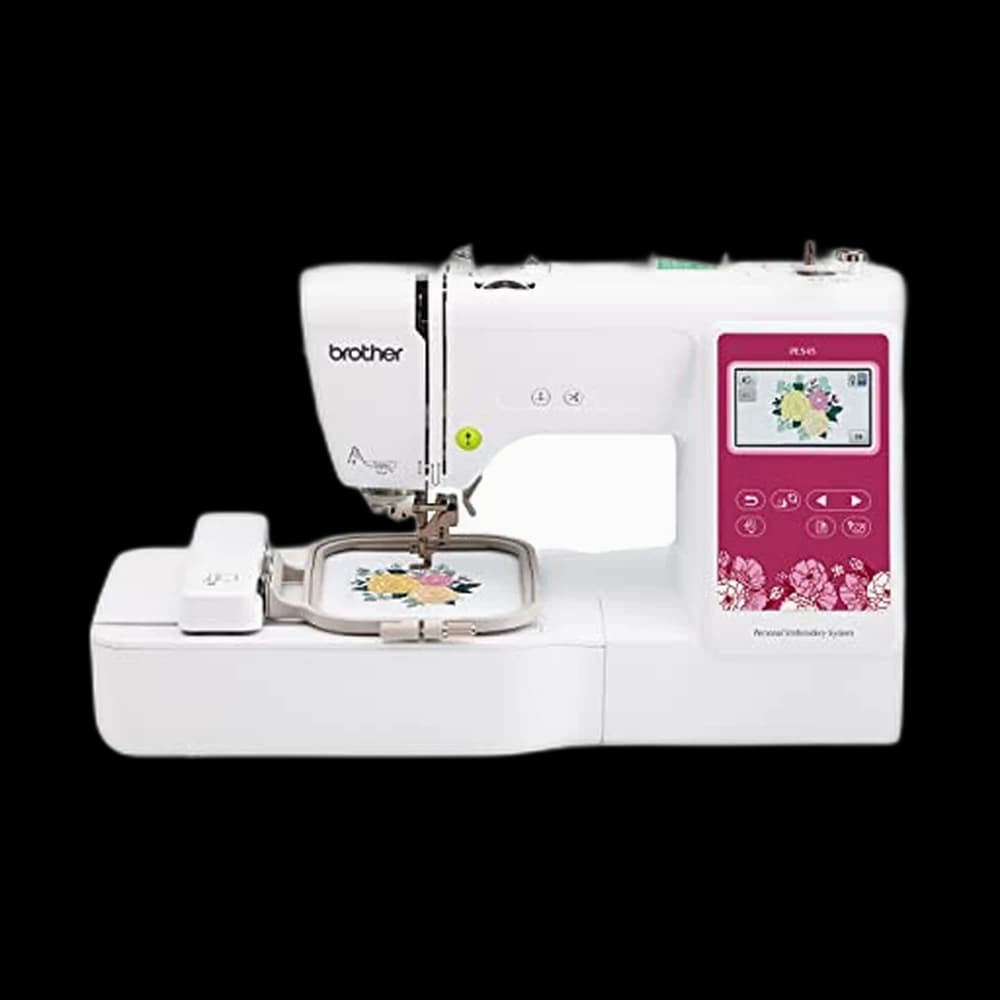
Brother PE545 Wireless Embroidery Machine
$499.99StitchScore 75 4.4 out of 5 stars · 255 ratings
The short version
- Decide what you want to sell before you buy — hoop size is what decides your product catalog, not stitch count.
- A 4-inch by 4-inch field covers left-chest logos, monograms, bibs, patches and tote motifs; it will not do a full jacket back.
- Brother SE700, about $580, is the honest business starting point because it sews as well as embroiders.
- The Brother PE545 at about $500 is cheaper but embroidery-only, so it is a second machine rather than a first one.
- Stabilizer, thread and digitizing are the real recurring costs — budget them alongside the machine, not after it.
- Buy a multi-needle only when color changes, not hoop size or skill, are what stop you accepting more orders.
Most people planning an embroidery business buy the machine first and work out the business afterwards. Reverse it. Decide what you want to sell, measure the largest design that product needs, and then buy the smallest machine that stitches it. That one habit is the difference between a machine that pays for itself in a season and a machine that becomes a very expensive hat rack.
Everything below comes from manufacturer listings and published specifications. We research; we do not stitch on these machines ourselves, and we would rather say so than imply a workshop we do not have.
Hoop size is your product catalog
The embroidery field — the area the machine can stitch without you re-hooping — is the single spec that decides what you can sell. Every Brother machine in our embroidery machine roster has a 4-inch by 4-inch field. That sounds small until you look at what sells.
Fits inside four inches square
- Left-chest logos on polos
- Monogrammed towels and napkins
- Baby bibs and onesies
- Patches and zip-pouch panels
- Tote-bag motifs and hat fronts
What a 4-inch field will not do
- A full-back jacket design
- A large towel border
- A blanket corner motif
- A name arched across a hoodie back
Those are the listings people picture when they imagine an embroidery shop, and they are exactly the ones the entry machines cannot take on. If your product idea depends on a big design, you already know you need a bigger field — and you should price that into the decision rather than buying small and hoping.
What we'd buy for this
One pick per category, chosen from the research pages linked in this piece. Borrow before you buy — nothing here is required to start.
 Embroidery Machines
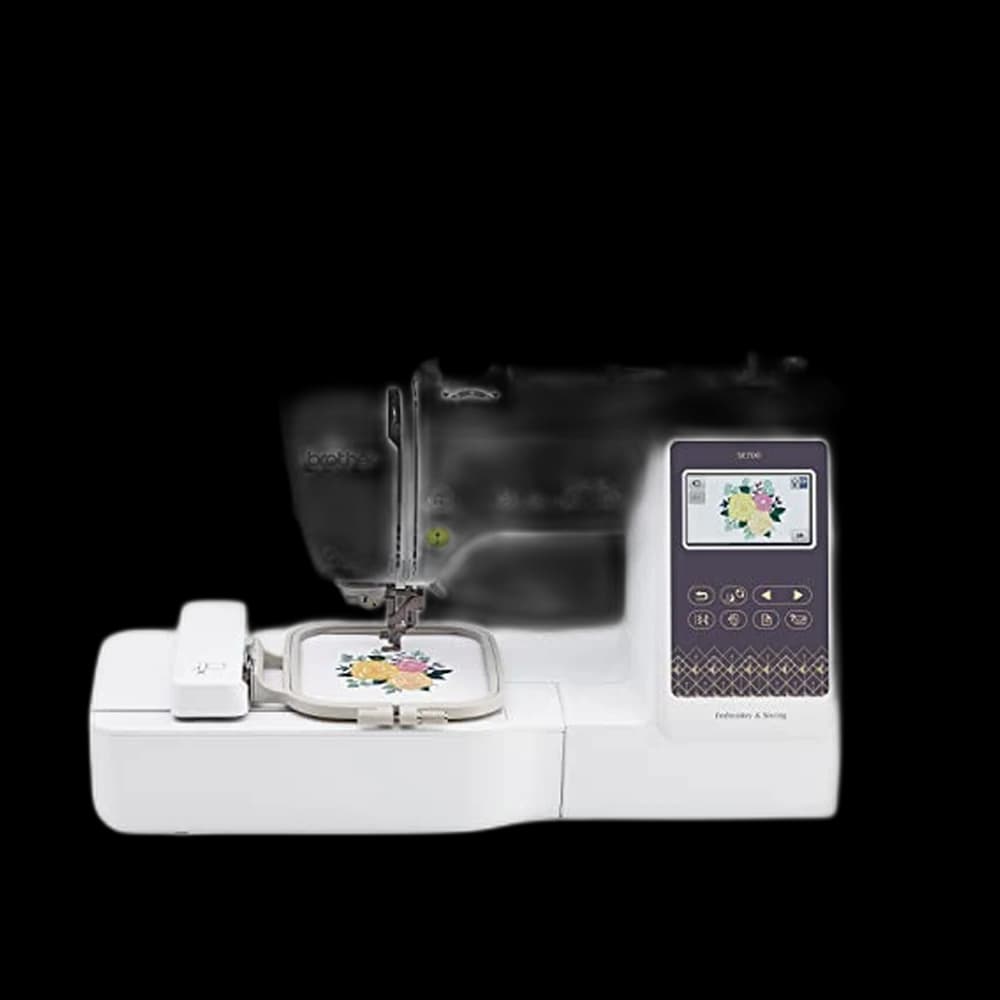
Brother SE700$579.99 5 out of 5 stars · 1,011 ratings
Doing both jobs on one machine — a 4 by 4 inch embroidery field, 135 built-in designs, 103 sewing stitches and a colour touchscreen, with designs arriving over wireless LAN instead of a USB stick.
 Embroidery Stabilizer
New brothread 100$9.99 4.8 out of 5 stars · 14,514 ratings
Priced in the lower half of this category.
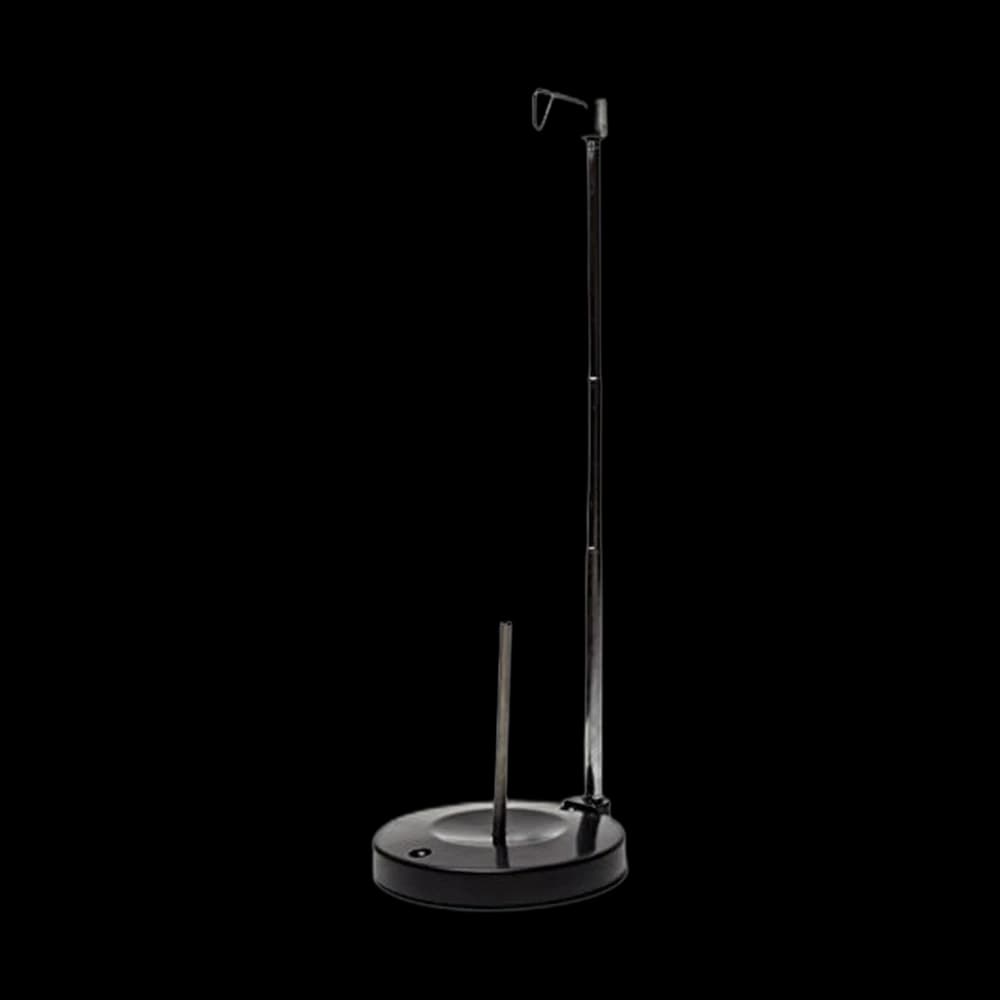 Thread Stands
Embroidex$7.99 4.8 out of 5 stars · 5,207 ratings
Priced in the lower half of this category; the listing describes an adjustable stand, so the thread guide can sit above your machine's own height.
Researched from listings, specs and owner feedback — never hands-on testing. We may earn a commission; it never changes a pick.
The 5x7 question, answered honestly
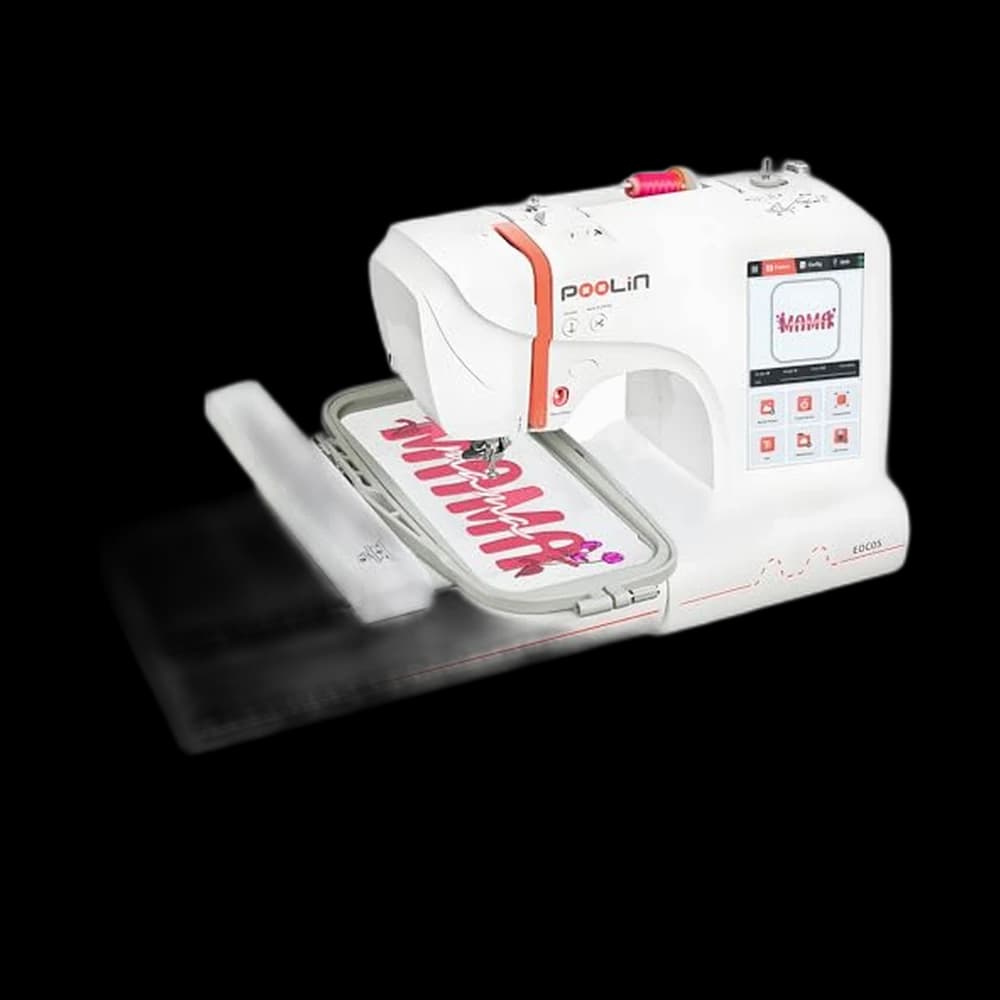
“Get a 5x7 hoop machine” is standard advice in embroidery groups, and the reasoning is sound: a 5-inch by 7-inch field more than doubles your usable design area and opens up towel borders, larger monograms and multi-line lettering. The catch is that in the budget band this site works in, that field is not on the menu. The larger option in our roster goes tall rather than wide: the Poolin EOC05, about $760, offers a 4-inch by 9.25-inch area, which the manufacturer describes as suited to shirts, hoodies, bags and gifts. It is embroidery-only, with a 7-inch touchscreen, and it is the most expensive pick in the category — worth it only if you already know which of its extra features you will use.
The real fork:
- Your product list fits in four inches. Buy a 4-inch machine now and spend the saved money on stabilizer, thread and your first month of listings.
- It genuinely does not fit. Save longer rather than buying a machine that cannot make your product.
The machines worth starting a business on
| Machine | About | Field | Buy it when |
|---|---|---|---|
| Brother PE545 | $500 | 4-inch by 4-inch | Testing the idea |
| Brother SE700 | $580 | 4-inch by 4-inch | Sewing and decorating |
| Brother SE700 with hoops and thread | $670 | 4-inch by 4-inch | You are committing |
| Poolin EOC05 | $760 | 4-inch by 9.25-inch | You need extra length |
Brother PE545, about $500
The least expensive pick here, which makes it the low-risk way to find out whether you will keep at it. It is computerized with a 3.7-inch color touchscreen, so positioning a design is drag-and-drop rather than guesswork, and designs transfer wirelessly from a computer or the Artspira app rather than by USB stick. The limitation is stated plainly in the listing: it embroiders, it does not sew a normal seam. As a business machine that means it is a second machine, not a first one — you will still need something that hems a tote or closes a pouch.
Brother SE700, about $580
The same 4-inch by 4-inch field and wireless transfer, but it sews as well as embroiders, and ships with an embroidery arm and eight sewing feet. For someone who wants to make the item and decorate it — pouches, bibs, small bags — this is the honest starting point, and the $80 over the PE545 buys you a whole second capability rather than a longer spec sheet.
Brother SE700 with hoops and thread, about $670
The largest bundle: the machine plus a four-piece hoop set — including a 4-inch by 6.75-inch and a 1-inch by 2.5-inch frame — and 40 spools of polyester embroidery thread at 500m each. That thread alone is a meaningful chunk of a starting color range. Buy this one if you are certain you are going ahead; skip it if you are still testing the idea.
Poolin EOC05, about $760
Bigger field, bigger screen, heavier at 22 pounds, and embroidery-only. The pick for someone whose product line clearly needs the extra length.
The costs that break first-year budgets
The machine is not the expense. The consumables are.
Stabilizer
The one beginners under-buy and then blame the machine for. It is the backing that stops fabric distorting while thousands of stitches go in, and each type does a different job:
- Tear-away — for stable wovens
- Cut-away — for anything knit and stretchy
- Water-soluble — for towels and toppings
Rolls in our stabilizer roster start around $8 for a small sticky pack and run to about $30 for a 50-yard cut-away roll. Buy cut-away before you take your first t-shirt order.
Thread
It goes faster than you expect, and business work means matching brand colors, not using what is in the drawer. Cone thread does not sit on a machine's built-in spool pin, so a stand from the thread stands category — roughly $9 to $13 — is a small purchase that quietly prevents a lot of tension problems.
Hoops
They wear out and stretch, and having a second one means you can hoop the next piece while the machine runs the current one. Machine hoops are machine-specific; the inexpensive wooden sets in embroidery hoops are for hand work, so check what fits your model before ordering.
Digitizing software
The line item people forget entirely. Stock designs are fine for monograms and generic motifs, but the moment a customer sends you a logo, someone has to convert that artwork into a stitch file. Two routes:
- Buy software and learn it
- Pay a digitizer per design
Both are real recurring costs, and neither is optional once you take custom orders. Decide which route you are taking before you price your products, not after.
When a multi-needle actually makes sense
A multi-needle machine stitches a multi-color design without you standing there swapping thread. That is a labor saving, and labor savings only pay off when you have volume. If you are filling two or three orders a week, a single-needle machine and a podcast covers it.
When color changes are the thing stopping you from accepting more work — not hoop size, not skill — that is the signal to look at a bigger machine, and you will be buying it with revenue rather than hope.
Before the machine arrives
Embroidery sits at Level 4, Tailor in The Pattern for a reason: it rewards people who already know how fabric behaves under a needle. If you have never sewn, spend a few weeks on straight seams and hems first. Your stabilizer choices will make far more sense, your first orders will look better, and the machine will feel like a tool rather than a puzzle.
Machine chosen? Stabiliser and hoops are the running costs nobody budgets for.
Frequently asked
Do I need a 5x7 hoop to run an embroidery business?
Not to start. A 5-inch by 7-inch field opens up towel borders and multi-line lettering, but it is not available in the budget band this site covers. If your planned products fit inside four inches square — logos, monograms, bibs, patches, pouch panels — a 4-inch machine will run a real business. If they genuinely do not fit, save longer rather than buying a machine that cannot make your product.
Should my first business machine be single-needle or multi-needle?
Single-needle. A multi-needle machine saves you from swapping thread between colors, which is a labor saving, and labor savings only pay off at volume. At two or three orders a week you will not notice. Buy the bigger machine when color changes are the thing capping your order book, and buy it out of revenue.
Can I embroider and sew on the same machine?
On some. The Brother SE700 does both — it ships with an embroidery arm and eight sewing feet. The Brother PE545 and the Poolin EOC05 are embroidery-only, so you would still need a separate machine to hem a tote or close a pouch. For a business making finished goods, that difference matters more than any spec on the box.
What does stabilizer actually do and how much should I buy?
Stabilizer is the backing that stops fabric distorting while thousands of stitches go in, and it is the thing beginners under-buy before blaming the machine. Tear-away suits stable wovens, cut-away is for knits and stretchy garments, water-soluble handles towels. Buy a cut-away roll before your first t-shirt order rather than after it.
Do I have to buy digitizing software?
If you take custom orders, yes — in one form or another. Stock designs cover monograms and generic motifs, but a customer logo has to be converted into a stitch file by someone. You either buy software and learn it, or pay a digitizer per design. Both are real recurring costs, so decide which route you are taking before you price your products.
Prices and StitchScores reflect our most recent research and refresh on a cycle — confirm the live price before buying. We may earn a commission from affiliate retailers; it never changes what we recommend. See how we score gear.
Read next
Embroidery Machines for Beginners: Hoop Size Decides It
Four beginner embroidery machines researched from listings, specs and measured owner feedback, plus the honest answer on 4x4 versus 5x7 hoops and why stabilizer comes first.
Best Sewing Machines for Making Clothes
Five sewing machines for making clothes, researched from spec pages, listings and owner feedback: the garment features that matter and the ones that do not.