Computerized vs Mechanical Sewing Machine for Beginners
Our picks, at a glance
- Top pick
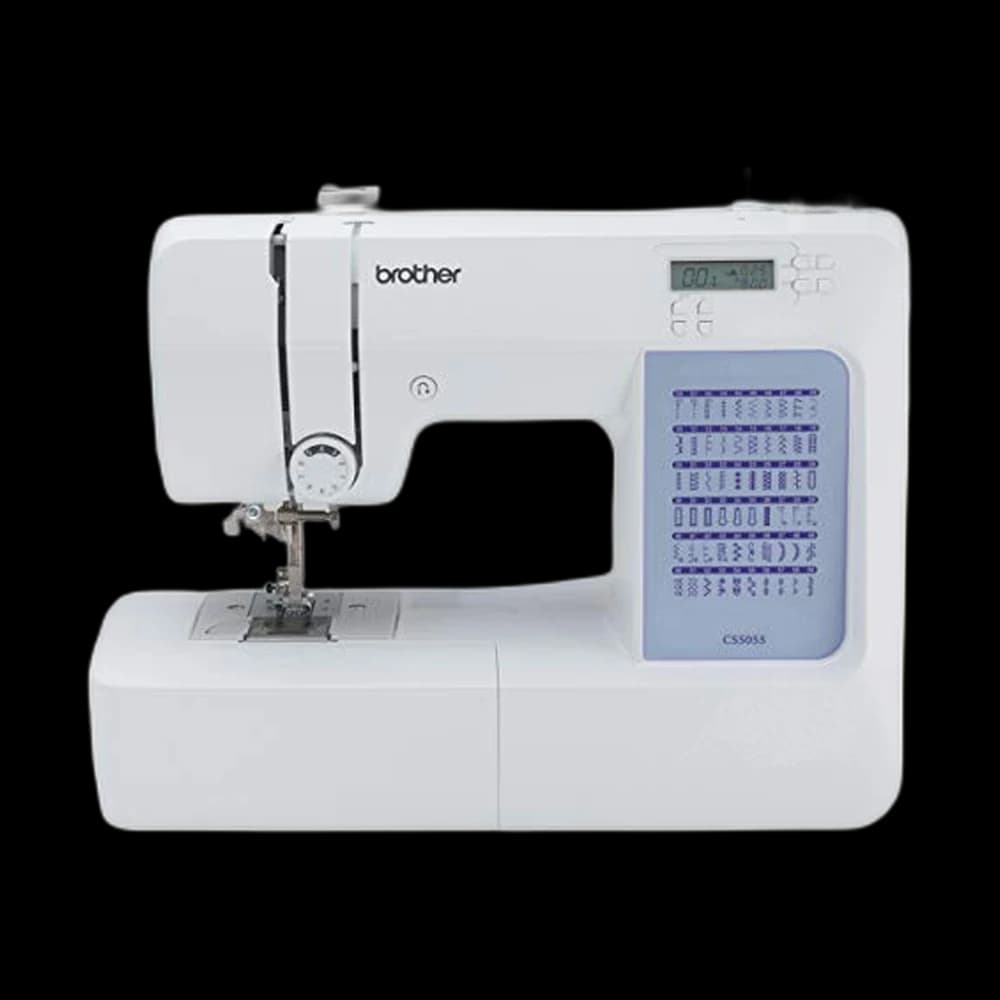
Brother CS5055 Computerized Sewing Machine
$134.00StitchScore 82 4.6 out of 5 stars · 3,586 ratings
The cheapest way here into a computerized machine — 60 stitches and seven one-step…
- #2
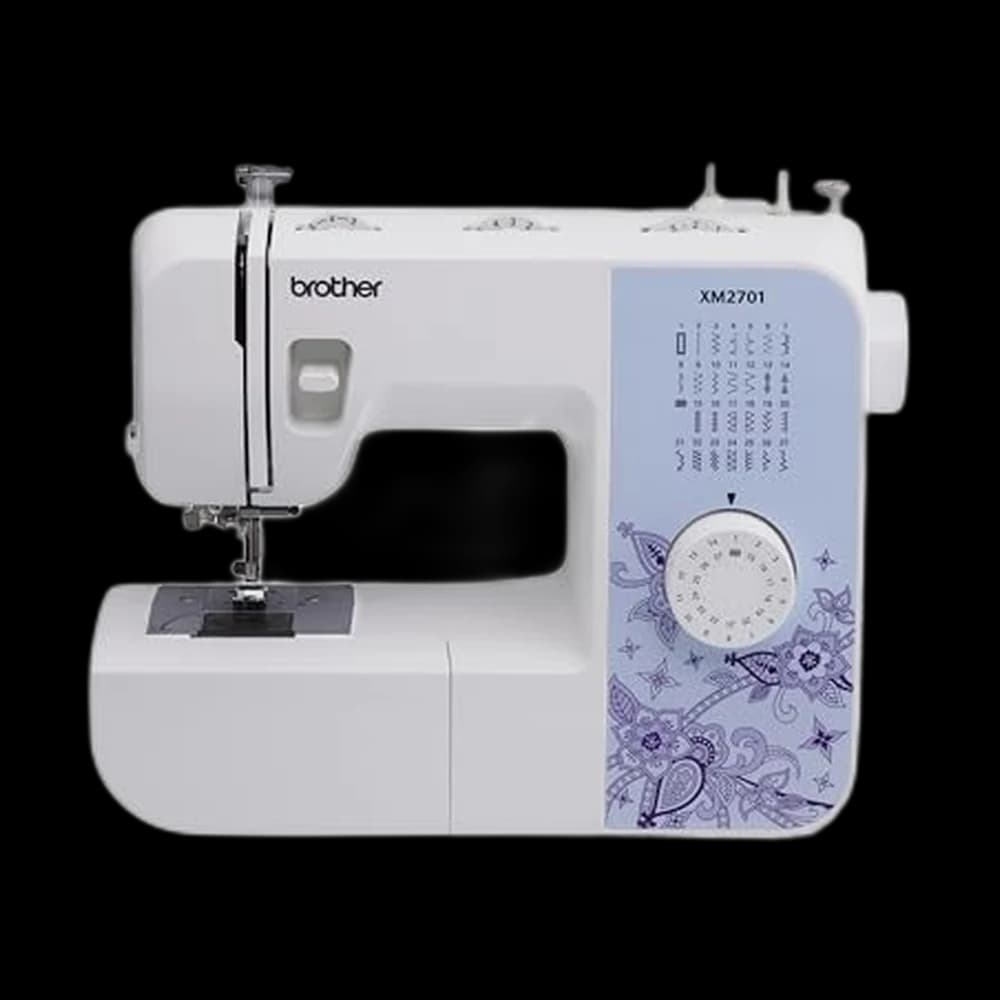
Brother XM2701 Lightweight Sewing Machine
$149.00StitchScore 86 4.6 out of 5 stars · 19,332 ratings
A first machine — 27 built-in stitches is enough to sew clothes without a menu to decode, and…
- #3
Brother CS7000X Sewing and Quilting Machine
$249.99StitchScore 83 4.6 out of 5 stars · 3,626 ratings
Your first quilt on a machine that still does everything else — the listing includes the wide…
- #4
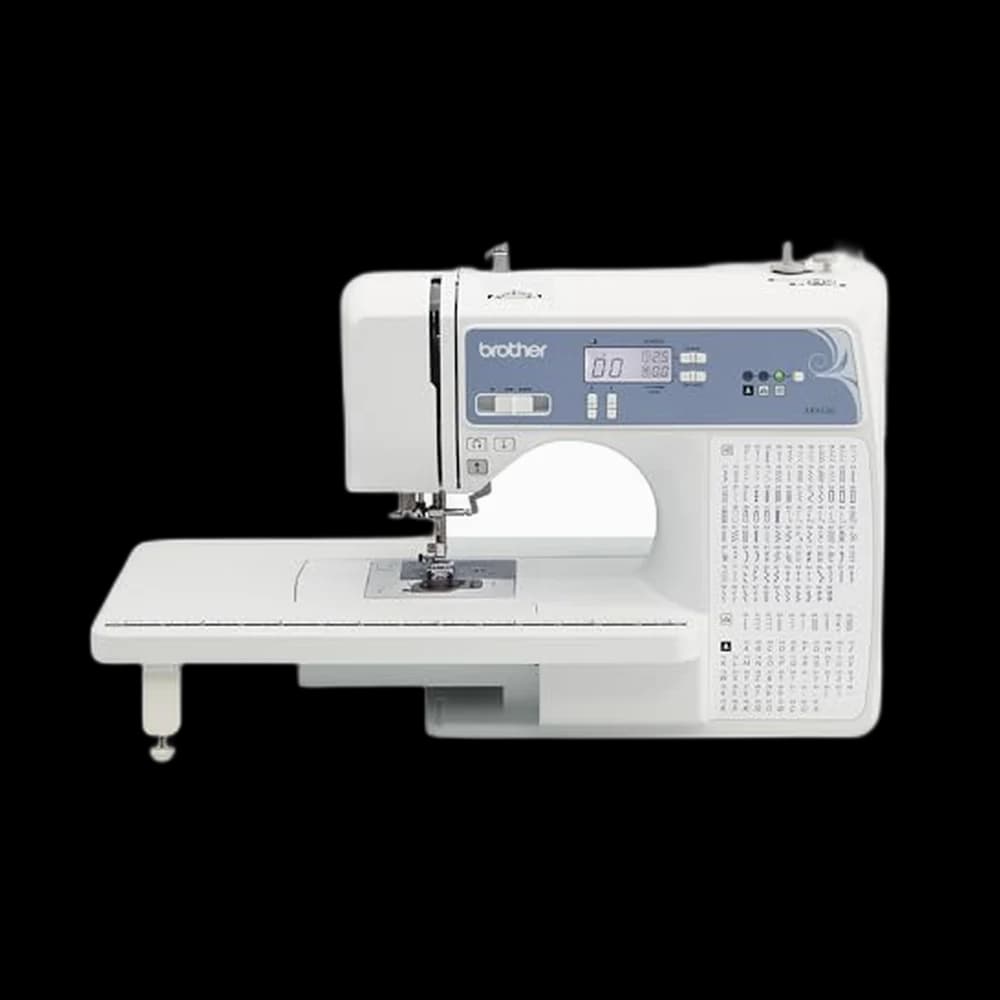
Brother XR9550 Sewing and Quilting Machine
$269.99StitchScore 75 4.6 out of 5 stars · 4,787 ratings
Knowing already that you want to quilt — 165 stitches, an LCD, and the wide table plus eight…
A first heavy duty machine from SINGER's current Next Evolution line — 23 stitches on a dial,…
| Pick | Best for | StitchScore | Price | Buy |
|---|---|---|---|---|
| TopBrother CS5055 Computerized Sewing Machine 4.6 out of 5 stars · 3,586 ratings | The cheapest way here into a computerized machine — 60 stitches and seven one-step… | 82 | $134.00 | Buy on Amazon |
| Brother XM2701 Lightweight Sewing Machine 4.6 out of 5 stars · 19,332 ratings | A first machine — 27 built-in stitches is enough to sew clothes without a menu to decode, and… | 86 | $149.00 | Buy on Amazon |
| Brother CS7000X Sewing and Quilting Machine 4.6 out of 5 stars · 3,626 ratings | Your first quilt on a machine that still does everything else — the listing includes the wide… | 83 | $249.99 | Buy on Amazon |
| Brother XR9550 Sewing and Quilting Machine 4.6 out of 5 stars · 4,787 ratings | Knowing already that you want to quilt — 165 stitches, an LCD, and the wide table plus eight… | 75 | $269.99 | Buy on Amazon |
| SINGER Heavy Duty 4523 Sewing Machine 4.5 out of 5 stars · 619 ratings | A first heavy duty machine from SINGER's current Next Evolution line — 23 stitches on a dial,… | 77 | $209.99 | Buy on Amazon |
The short version
- Both types sew the same straight seam. The difference is how you choose and set a stitch.
- The Brother CS5055 is our computerized pick: 60 stitches, seven one-step buttonhole styles and an LCD, per Brother.
- The Brother XM2701 is our mechanical pick: 27 stitches on a dial, an automatic needle threader and a very large owner record.
- Durability complaints show up on both types in owner reviews. It belongs to the model, not the type.
- Speed control is not a computerized feature. SINGER's mechanical Heavy Duty 4523 lists it, and the CS5055 and XM2701 do not.
- If you can, sew a zigzag and a buttonhole on each type before buying. The one you understand without asking is your answer.
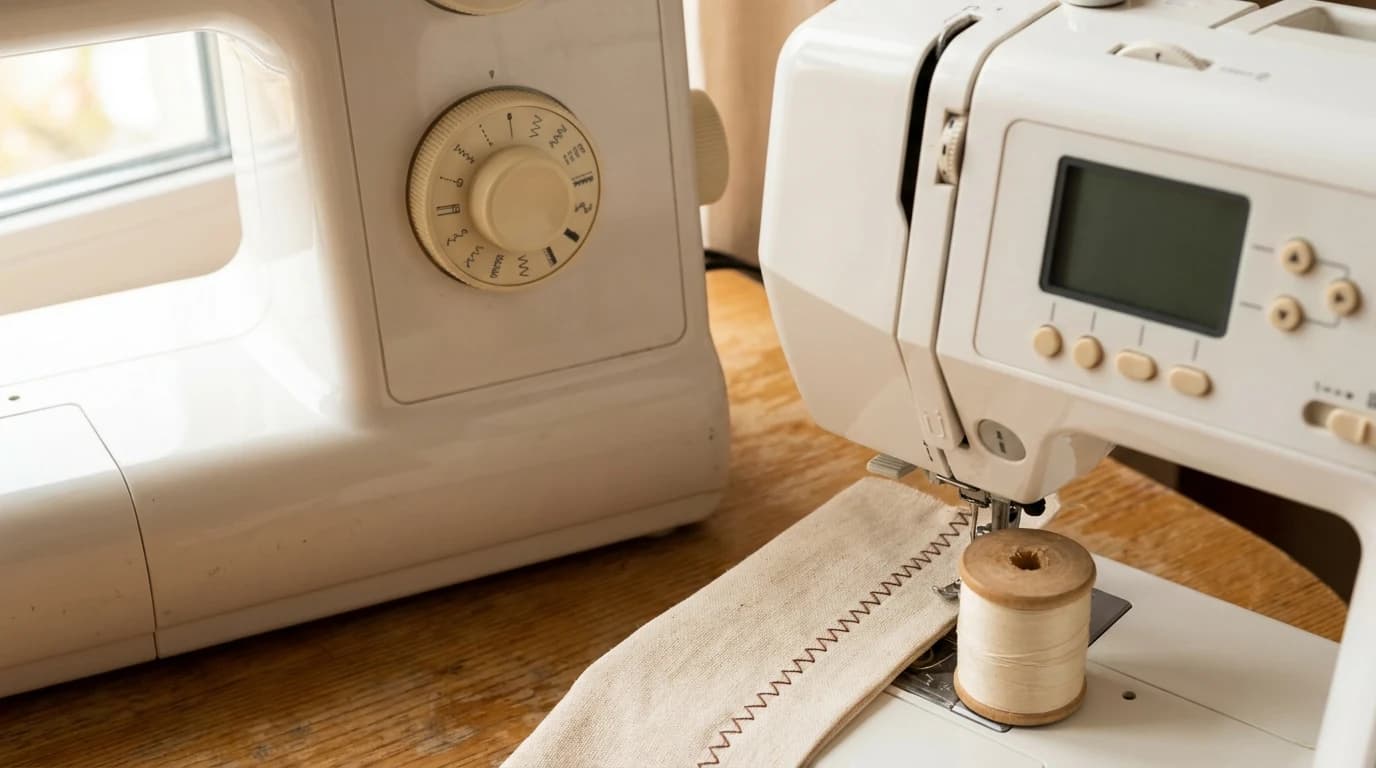
A computerized sewing machine and a mechanical one sew the same straight seam. The difference is how you choose and set the stitch, and how much the machine can do beyond the basics. Neither type makes you a better sewist faster. The right one is the one whose controls you will enjoy using, at a model and price that fit what you want to make.
Everything below comes from each maker's spec pages and warranty documents, the listings, and the pattern of what owners report over time. How we research explains the method.
What the difference actually is
A mechanical machine sets everything with dials and levers. Brother's spec page for the XM2701 lists its stitch selector as a dial and its display as none. You turn the dial to the stitch you want, set the length and width, and see every setting at a glance.
A computerized machine chooses stitches with buttons and shows them on a screen. Brother lists the CS5055's stitch selector as mode and shift keys with an LCD. You press a number, the screen confirms it, and the machine sets a default length and width for that stitch, which you can then adjust.
The motor, the needle, the feed dogs and the bobbin work the same way in both. So does threading, which is the part most beginners actually struggle with.
| Mechanical (Brother XM2701) | Computerized (Brother CS5055) | |
|---|---|---|
| Choosing a stitch | Turn a dial | Press keys, read the LCD |
| Built-in stitches, per Brother | 27 | 60 |
| One-step buttonhole styles | 1 | 7 |
| Maximum stitch width, per Brother | 5 mm | 7 mm |
| Best for | Seeing every setting at once | Clear stitch selection and room to grow |
What a computerized machine gives a beginner
- No guessing which stitch you picked. The screen shows the stitch number, and the machine sets sensible defaults for it.
- More buttonhole styles. That matters once you sew clothes. Seven styles on the CS5055 against one on the XM2701.
- A wider stitch. 7 mm against 5 mm makes a bolder satin stitch and decorative stitches.
- Lettering on some models. The Brother XR9550 adds 55 alphanumeric stitches for names and labels.
What a mechanical machine gives a beginner
- Fewer decisions. Every setting is a physical control you can see, so nothing is hidden in a menu.
- Fewer electronic parts. A fault in an electronic control is a repair-shop job on any machine. Brother's home sewing warranty gives one year of parts and labor, and covers electronic pattern control and selection parts for two years, without replacement labor.
- A heavier frame for the money. SINGER's Heavy Duty line is mechanical, and its current models list a full metal interior frame.
Two myths worth dropping
"Computerized machines break, mechanical ones last forever." The owner record does not split that neatly. In the reviews our catalog tracks, durability is the recurring complaint on the computerized CS5055, CS7000X and XR9550. It is also flagged on the mechanical SINGER Heavy Duty 4423, while the XM2701's record is mixed on sewing performance. Durability belongs to the model, not the type.
"Speed control is a computerized feature." It is not. SINGER's mechanical Heavy Duty 4523 lists speed control, and so does Brother's computerized CS7000X. The CS5055 and XM2701 do not list it. A speed limit you can set is one of the most useful things a beginner can have, so check for it by model.
Try both before you buy, if you can
Ten minutes on each type tells you more than any spec sheet. A sewing shop that sells machines will usually let you sew a test seam, and a beginner class often puts you on a shop machine for the whole session. Our guide to where to take sewing classes covers the options now that Joann has closed.
When you try them, do the same three things on each: choose a zigzag, change its width, then sew a buttonhole on a scrap. Notice which one you understood without asking. That is your answer, and it is a better one than any reviewer's preference, including ours.
If you cannot try either, think about the controls you already enjoy. If you prefer dials and switches you can see, start mechanical. If pressing a number and reading a screen feels natural, a computerized machine will feel familiar quickly.
The picks
Brother CS5055 — our computerized pick
The least expensive computerized machine on our sewing machine shelf, and the one we would choose for a beginner who wants a screen. Brother lists 60 built-in stitches, seven one-step buttonhole styles, an LCD, an automatic needle threader, a free arm and a 25-year limited warranty. Its listing describes a metal frame and a fixed needle bar.
Owners praise its quality, ease of use and value, and it suits beginners. Durability is the recurring complaint, so sew real projects on it inside the first year of full coverage.
Brother XM2701 — our mechanical pick
The dial machine we would start most beginners on. Brother lists 27 stitches including a one-step buttonhole, an automatic needle threader and a top drop-in bobbin. Its listing adds a free arm. It has one of the largest owner records on our shelf, praised for ease of use and for suiting beginners.
Its limits are the 5 mm stitch width and a single buttonhole style. Neither matters for your first ten projects.
Brother CS7000X — computerized, with speed control
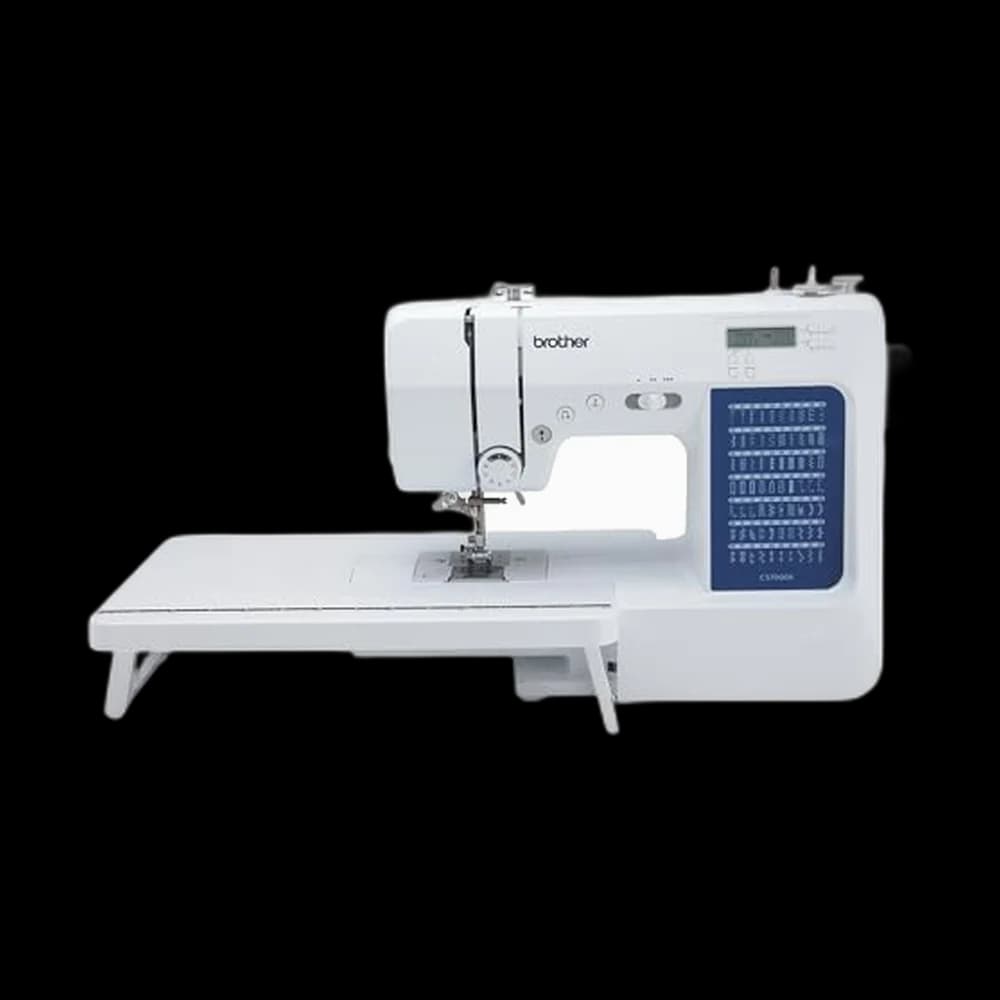
The computerized pick for someone heading toward quilting. Brother lists 70 stitches, seven buttonhole styles, an LCD, adjustable speed control and a detachable wide table. Its 10 included feet include a walking foot. It sits on our quilting machine shelf, and it is the step up from the CS5055 if you want the speed limit and the quilting extras.
Brother XR9550 — computerized, if you want lettering
Brother lists 165 built-in stitches, including eight one-step buttonhole styles and 55 alphanumeric stitches, with a large backlit LCD and an oversized wide table. Choose it if names, labels or decorative stitching are on your list. Otherwise, 165 stitches is a lot of menu for a first machine.
SINGER 4523 Heavy Duty — mechanical, with speed control
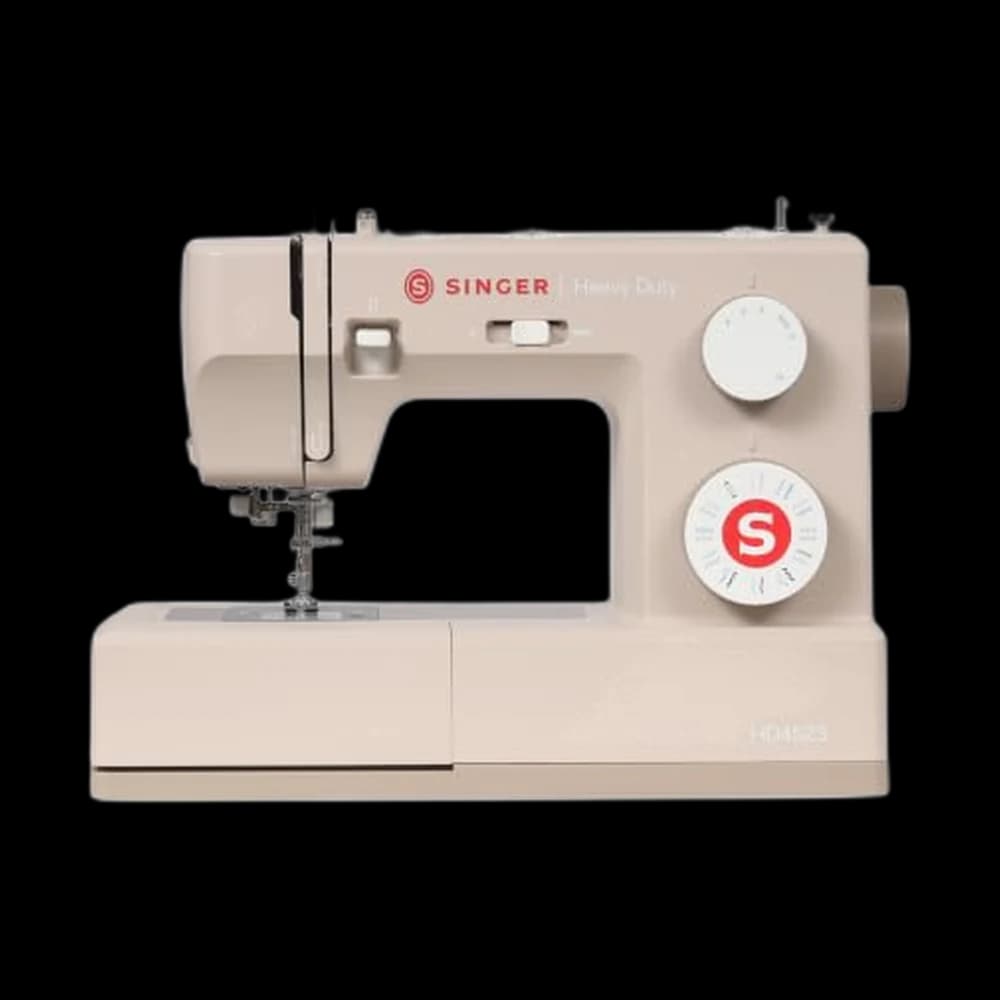
The mechanical choice for heavier fabric. SINGER lists 23 built-in stitches, a full metal interior frame, a one-step buttonhole, an integrated needle threader, drop feed and speed control, at up to 1,000 stitches per minute. It is the current model on our heavy-duty sewing machine shelf. Its listing is new, so its rating rests on a much smaller owner record than the Brother machines here.
What we'd buy for this
One pick per category, chosen from the research pages linked in this piece. Borrow before you buy — nothing here is required to start.
 Sewing Machines
Brother CS5055$134.00 4.6 out of 5 stars · 3,586 ratings
The cheapest way here into a computerized machine — 60 stitches and seven one-step buttonholes picked from an LCD rather than a dial, on the metal frame and fixed needle bar the listing describes.
 Quilting Machines
Brother CS7000X$249.99 4.6 out of 5 stars · 3,626 ratings
Your first quilt on a machine that still does everything else — the listing includes the wide table, ten feet and a quilt guide, and its 70 stitches cover quilting and everyday sewing on one machine.
 Heavy-Duty Sewing Machines
SINGER 4523$209.99 4.5 out of 5 stars · 619 ratings
A first heavy duty machine from SINGER's current Next Evolution line — 23 stitches on a dial, a metal interior frame, a one-step buttonhole and speed control, so you can slow down over a denim seam.
Researched from listings, specs and owner feedback — never hands-on testing. We may earn a commission; it never changes a pick.
How to decide in one minute
- You like seeing every setting and want the fewest choices: mechanical, the Brother XM2701.
- You want a screen, more buttonholes and room to grow into decorative stitches: computerized, the Brother CS5055.
- You want speed control on a budget: the CS7000X if you will quilt, the SINGER Heavy Duty 4523 if you sew thick fabric.
- You still cannot choose: pick the cheaper of the two you are weighing. Your second machine, if you ever want one, will be chosen with far better information.
For the full budget comparison, read the best beginner sewing machines guide. Or answer three questions in our Machine Finder.
Whichever you buy
Either type needs the same day-one kit. Get universal machine needles in assorted sizes, all-purpose thread, and spare bobbins in the class your manual names. Then read how to thread a sewing machine before the box arrives. Level 1 of The Pattern, Threader, takes you from an unopened box to a finished pillowcase on either kind.
The comparison table uses the site's current catalog prices. Amazon prices and availability move constantly, so confirm the live listing before you buy.
Frequently asked
Is a computerized sewing machine good for a beginner?
Yes, if you like pressing a number and reading a screen. A computerized machine shows which stitch you chose and sets sensible defaults for it. The Brother CS5055 is our pick: Brother lists 60 stitches, seven one-step buttonhole styles and an LCD.
Are mechanical sewing machines more reliable?
Not as a rule. In the owner reviews our catalog tracks, durability is a recurring complaint on several computerized Brother machines and also on the mechanical SINGER Heavy Duty 4423. A mechanical machine has fewer electronic parts, but reliability comes down to the model and to sewing real projects inside the warranty window.
What is the difference between a mechanical and a computerized sewing machine?
A mechanical machine sets the stitch, length and width with dials and levers. A computerized machine chooses stitches with keys or buttons and confirms them on a screen. The motor, needle, feed dogs, bobbin and threading work the same way in both.
Do computerized sewing machines have speed control?
Some do and some do not, and some mechanical machines have it too. Brother lists adjustable speed control on the computerized CS7000X, and SINGER lists it on the mechanical Heavy Duty 4523. Neither the CS5055 nor the XM2701 lists it.
How many stitches does a beginner need?
Four: straight, zigzag, a stretch stitch and a buttonhole. Every machine on this page does all four. Extra stitches and buttonhole styles become useful once you sew clothes or want decorative work, which is where a computerized machine earns its screen.
Prices and StitchScores reflect our most recent research and refresh on a cycle — confirm the live price before buying. We may earn a commission from affiliate retailers; it never changes what we recommend. See how we score gear.
Read next
Brother vs Singer Sewing Machine: Which for a Beginner?
Brother or SINGER for a first sewing machine? Researched from spec pages and warranty documents: where they differ, what they share and which to buy.
Best Beginner Sewing Machines Under $250
Five beginner sewing machines under $250, researched from listings, specs and measured owner feedback — and what actually matters on a first machine.