Brother vs Singer Sewing Machine: Which for a Beginner?
Our picks, at a glance
- Top pick
Brother XM2701 Lightweight Sewing Machine
$149.00StitchScore 86 4.6 out of 5 stars · 19,332 ratings
A first machine — 27 built-in stitches is enough to sew clothes without a menu to decode, and…
A first heavy duty machine from SINGER's current Next Evolution line — 23 stitches on a dial,…
- #3
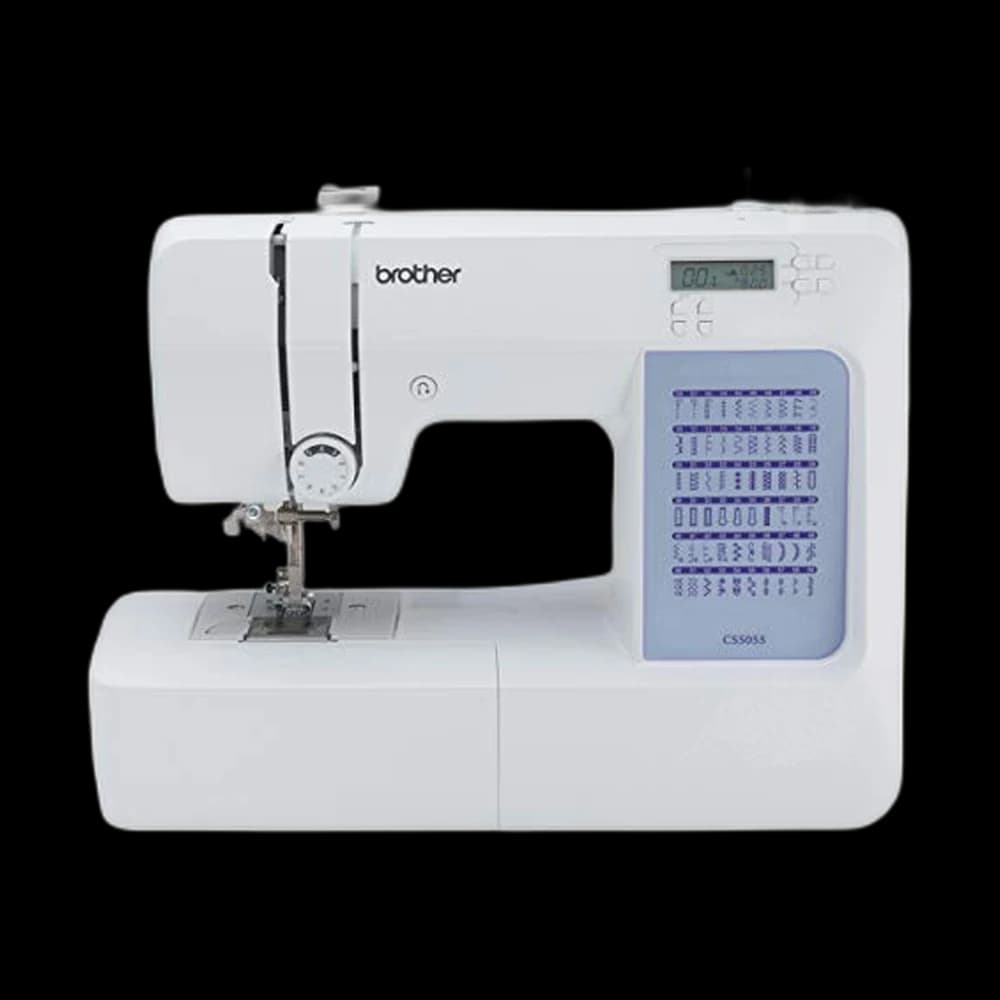
Brother CS5055 Computerized Sewing Machine
$134.00StitchScore 82 4.6 out of 5 stars · 3,586 ratings
The cheapest way here into a computerized machine — 60 stitches and seven one-step…
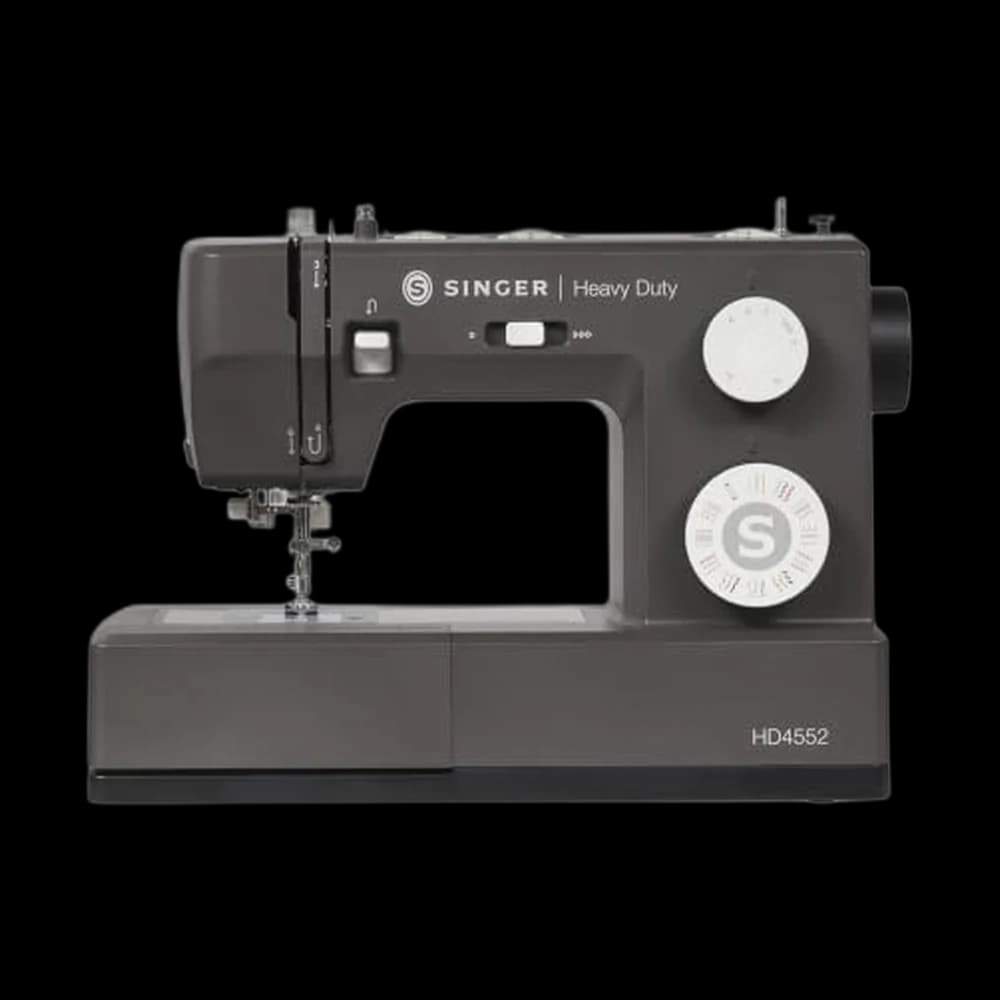
Sewing thick layers from the start — SINGER ships it with a walking foot, a non-stick foot…
- #5
Brother CS7000X Sewing and Quilting Machine
$249.99StitchScore 83 4.6 out of 5 stars · 3,626 ratings
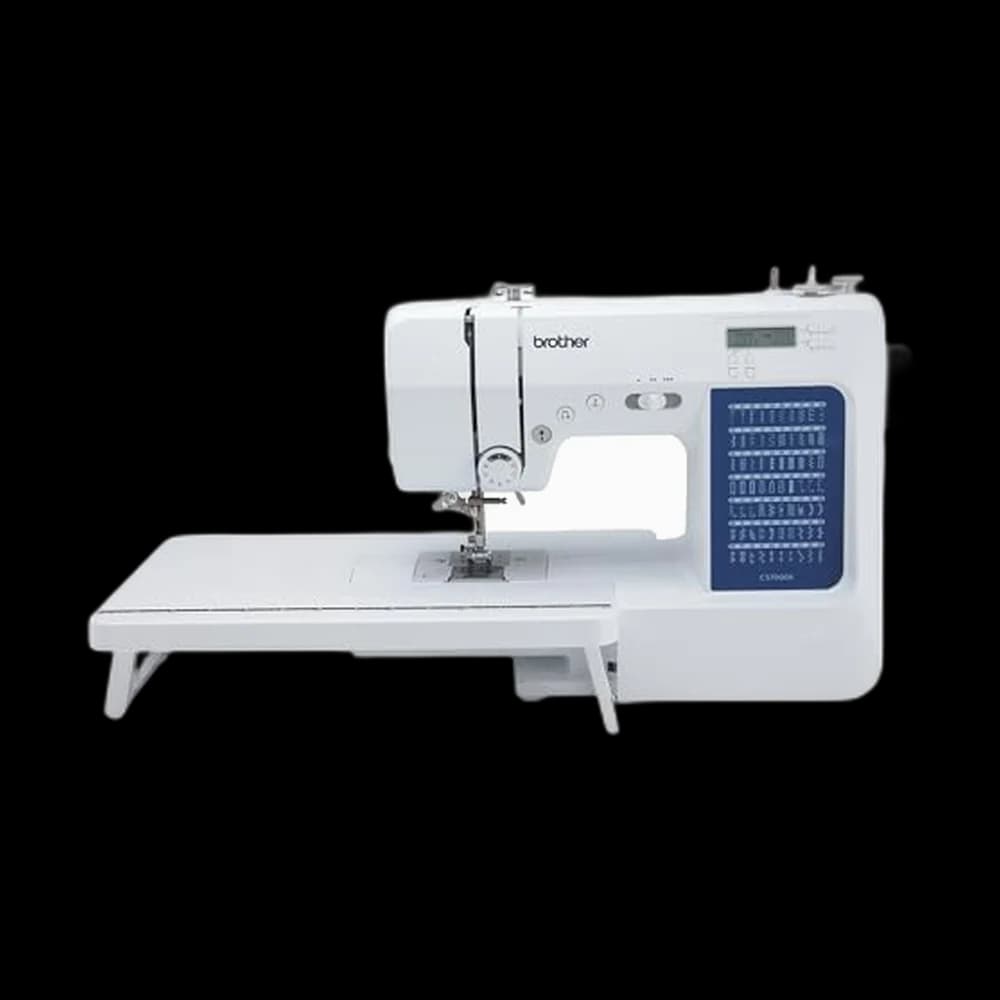
Your first quilt on a machine that still does everything else — the listing includes the wide…
| Pick | Best for | StitchScore | Price | Buy |
|---|---|---|---|---|
| TopBrother XM2701 Lightweight Sewing Machine 4.6 out of 5 stars · 19,332 ratings | A first machine — 27 built-in stitches is enough to sew clothes without a menu to decode, and… | 86 | $149.00 | Buy on Amazon |
| SINGER Heavy Duty 4523 Sewing Machine 4.5 out of 5 stars · 619 ratings | A first heavy duty machine from SINGER's current Next Evolution line — 23 stitches on a dial,… | 77 | $209.99 | Buy on Amazon |
| Brother CS5055 Computerized Sewing Machine 4.6 out of 5 stars · 3,586 ratings | The cheapest way here into a computerized machine — 60 stitches and seven one-step… | 82 | $134.00 | Buy on Amazon |
| SINGER Heavy Duty 4552 Sewing Machine 4.4 out of 5 stars · 11,507 ratings | Sewing thick layers from the start — SINGER ships it with a walking foot, a non-stick foot… | 74 | $259.99 | Buy on Amazon |
| Brother CS7000X Sewing and Quilting Machine 4.6 out of 5 stars · 3,626 ratings | Your first quilt on a machine that still does everything else — the listing includes the wide… | 83 | $249.99 | Buy on Amazon |
The short version
- Compare models, not brands. Both Brother and SINGER sell machines a beginner will love and machines a beginner should skip.
- The Brother XM2701 is our top pick for most beginners: a light dial machine with an automatic needle threader and a very large owner record.
- Choose a SINGER Heavy Duty, the 4523 or the 4552, if your first projects are denim, canvas or curtains. Both list a metal interior frame and speed control.
- The 25 years on either box covers part of the machine. Brother gives one year of parts and labor; older SINGER Heavy Duty models give 90 days on mechanical parts and labor.
- Both warranties depend on an authorized seller, so check who the listing says ships and sells the machine.
- Universal 130/705 H needles fit most machines from both brands, but bobbins are not interchangeable: use the class your manual names.
Brother or SINGER is the first question almost everyone asks about a sewing machine, and it is the wrong unit to compare. Both brands sell machines a beginner will love and machines a beginner should skip. What decides it is the model, the controls you prefer, the fabric you plan to sew, and which seller you buy from.
Everything below comes from each maker's own spec pages and warranty documents, the listings, and the pattern of what owners report over time. How we research explains the method.
Where the two brands actually differ
At beginner prices, the two lineups lean in different directions.
- Brother leans light and easy. Its beginner machines in our sewing machine category are a light dial machine, the XM2701, and inexpensive computerized machines with an LCD, the CS5055 and CS7000X.
- SINGER leans heavy and fast. Its best-known beginner line is Heavy Duty: dial machines with a metal interior frame, sold on power and speed. The current models live on our heavy-duty sewing machine shelf.
That shows up in three specs you can check yourself.
| Brother (XM2701, CS5055) | SINGER Heavy Duty (4523, 4552) | |
|---|---|---|
| Top speed, per the maker | 800 (XM2701) and 750 (CS5055) stitches per minute | Up to 1,000 stitches per minute |
| Speed control | Not listed on either | Yes, on both |
| Weight, per the listing | 12.6 lb and 10.5 lb | About 17 lb |
| Choosing a stitch | Dial (XM2701) or buttons and LCD (CS5055) | Dial |
Speed is the most oversold number here. Beginners sew slowly on purpose. A speed limit you can set matters more than a high top speed, because it lets you put the pedal down on a long seam without the machine running away from you. SINGER's Next Evolution Heavy Duty machines have one. Among the Brother machines here, only the CS7000X lists adjustable speed control.
Weight cuts both ways. A heavier machine sits still when you push thick layers through it. A lighter one is easier to carry to a class or put away after dinner on the kitchen table.
What we'd buy for this
One pick per category, chosen from the research pages linked in this piece. Borrow before you buy — nothing here is required to start.
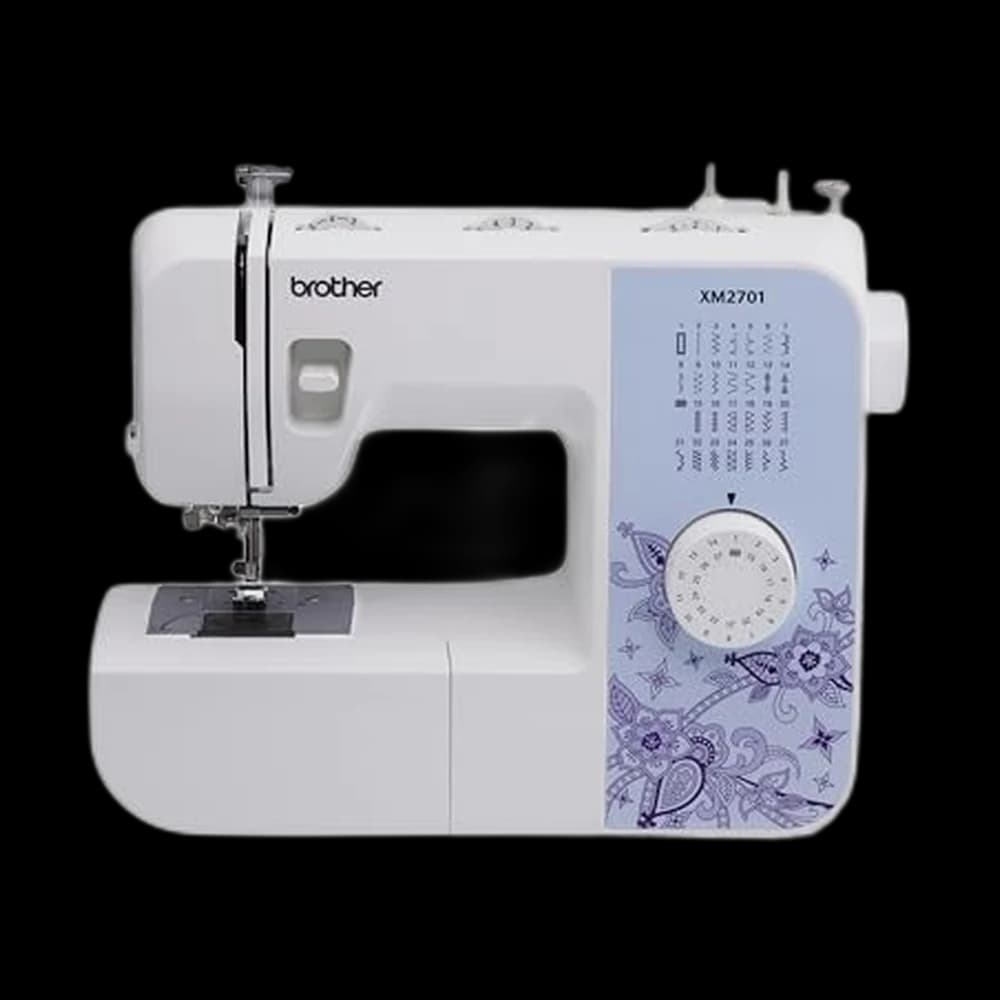 Sewing Machines
Brother XM2701$149.00 4.6 out of 5 stars · 19,332 ratings
A first machine — 27 built-in stitches is enough to sew clothes without a menu to decode, and the listing specifies the automatic needle threader and the jam-resistant drop-in top bobbin, which are the two steps beginners most often give up on.
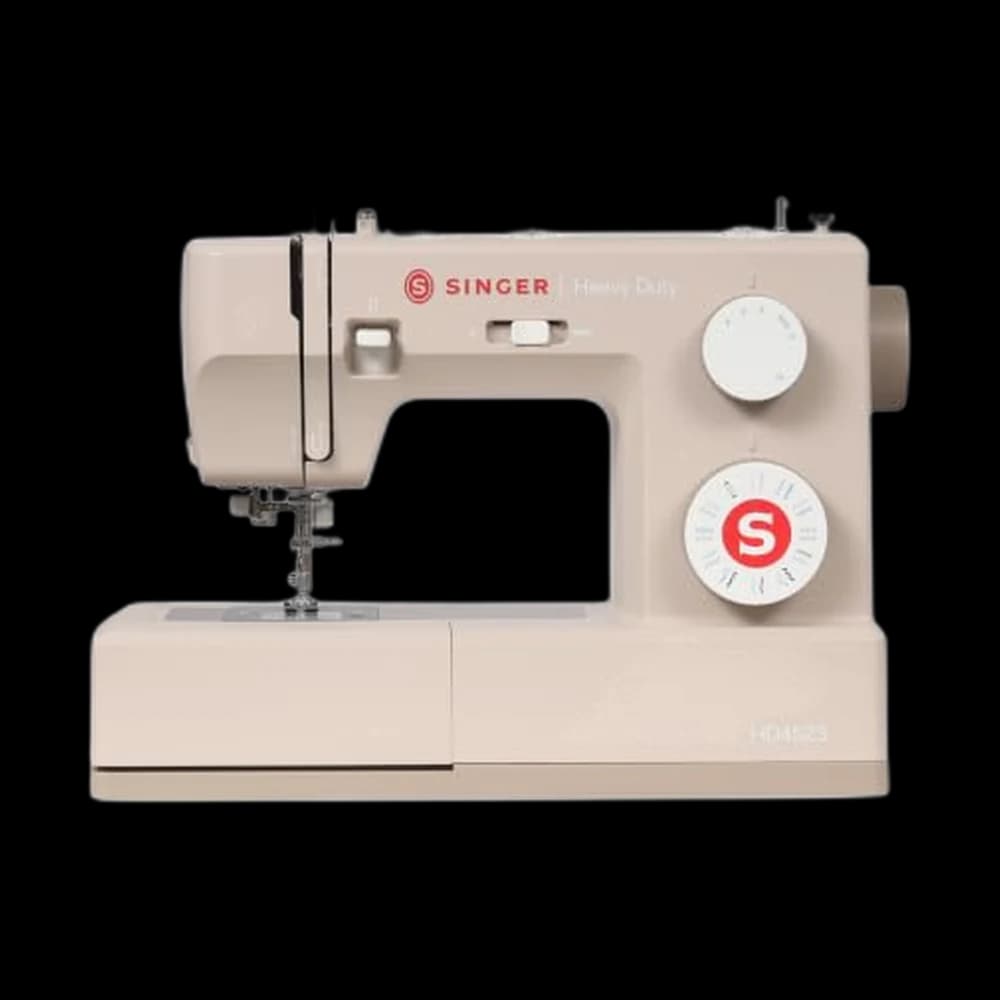 Heavy-Duty Sewing Machines
SINGER 4523$209.99 4.5 out of 5 stars · 619 ratings
A first heavy duty machine from SINGER's current Next Evolution line — 23 stitches on a dial, a metal interior frame, a one-step buttonhole and speed control, so you can slow down over a denim seam.
 Machine Needles
SCHMETZ Universal 130/705$7.45 4.8 out of 5 stars · 730 ratings
Priced in the lower half of this category; universal points, the default for ordinary woven fabric.
Researched from listings, specs and owner feedback — never hands-on testing. We may earn a commission; it never changes a pick.
The warranty is the real difference
Both brands put "25 years" on the box, and in both cases it covers part of the machine, not all of it.
- Brother's home sewing warranty statement gives one year for parts and labor. Electronic pattern control and selection parts are covered for two years, without replacement labor. Head parts such as shafts and connecting rods get 25 years, but that excludes the motor, belts, pulleys, bulbs, needles and labor. Brother lists a 25-year limited warranty on the XM2701, CS5055 and CS7000X.
- SINGER's 25/2/90 warranty, which covers models including the Heavy Duty 4423 and 4432, gives 25 years on the frame and two years on electronic and electrical parts. In both cases you pay for shipping and labor. Mechanical parts and adjustments get 90 days with parts and labor included.
- SINGER's newer Heavy Duty 4523 and 4552 are listed on SINGER's warranty page under a different plan: limited one year, with a lifetime warranty on the metal frame.
What that means for you: the first year with a Brother, and the first 90 days with an older SINGER Heavy Duty, is when the full coverage lives. Sew real projects in that window, not just a test seam, so a fault shows up while the repair is still free.
Where you buy matters as much as the brand
Brother's warranty statement says the warranty is void if the machine was not bought from an authorized Brother reseller in the US. SINGER reserves the right to reject claims for machines bought from unauthorized dealers, including unauthorized websites. Before you buy, check the "Ships from" and "Sold by" lines on the listing. Amazon itself or the brand's own store is the safe answer.
What the two brands share
- Needles. SCHMETZ, the needle maker, says the 130/705 H needle system is used by 99% of home sewing machines. One pack of universal machine needles in assorted sizes fits most Brother and SINGER home machines. Confirm the system in your manual.
- Bobbins look alike but are not interchangeable. Both brands use Class 15-type bobbins. Brother specifies the SA156, a plastic Class 15 type, and says not to use metal bobbins. SINGER says its Heavy Duty machines take SINGER Class 15 transparent bobbins. Buy bobbins that match the class your manual names.
The picks, brand by brand
Brother XM2701 — our top pick
The machine we would hand most beginners, whichever brand they came in asking about. Brother's spec page lists 27 built-in stitches including a one-step buttonhole, an automatic needle threader, a top drop-in bobbin and a dial with no screen to learn. Its listing adds the free arm, which is what lets cuffs and trouser hems slide around the bed.
Its owner record is one of the largest on our shelf. Owners praise its ease of use and how well it suits beginners, with mixed feedback on sewing performance. The trade is weight: 12.6 lb is easy to carry, and it means less mass holding the machine steady over thick denim seams.
SINGER 4523 Heavy Duty — SINGER's pick for heavier fabric
If your first projects are tote bags, curtains, canvas or jeans repairs, this is the SINGER to look at. SINGER lists 23 built-in stitches, a full metal interior frame, a stainless steel bedplate, a one-step buttonhole, an integrated needle threader, drop feed and speed control, at up to 1,000 stitches per minute.
Its listing is much newer than the XM2701's, so its rating rests on a far smaller owner record. Note the warranty change from the older Heavy Duty machines, too (above).
Brother CS5055 — if you want a screen
The inexpensive way into a computerized Brother. Brother lists 60 built-in stitches, seven buttonhole styles, an LCD and an automatic needle threader, with a 7 mm stitch width against the XM2701's 5 mm. Its listing describes a metal frame and a fixed needle bar.
Owners praise its quality, ease of use and value. Durability is the recurring complaint in the reviews our catalog tracks.
SINGER 4552 Heavy Duty — if you want the walking foot in the box
The 32-stitch sibling of the 4523. Its listing gives the same DC motor, speed control and metal interior frame, and it ships with a walking foot and a non-stick foot, which you would otherwise buy separately for layered and sticky fabrics. Its Amazon rating count is pooled with the older 4452 listing, so read the reviews with that in mind.
Brother CS7000X — if quilting is coming
The Brother CS7000X is Brother's computerized machine for someone who already suspects a quilt is in their future. Brother lists 70 stitches, an LCD, adjustable speed control, a walking foot among its 10 included feet, and a detachable wide table. It is more machine than a first pillowcase needs, and the right one if quilting is the point.
Which brand for which beginner
- You want the simplest first machine: Brother XM2701.
- You want a screen and more buttonhole styles for clothes: Brother CS5055.
- Your first projects are denim, canvas or curtains: SINGER Heavy Duty 4523, or the 4552 if you want the walking foot included.
- You plan to quilt: Brother CS7000X.
- You care most about the warranty: compare the terms above for the model you are looking at, not the brand. Then buy from an authorized seller.
Still undecided? Our Machine Finder narrows the shelf to three in three questions. For the full budget comparison, read the best beginner sewing machines guide.
Before the machine arrives
Whichever brand you choose, the first hour goes better with thread, a spare needle and the right bobbins on hand. Read how to thread a sewing machine before the box comes. Level 1 of The Pattern, Threader, then takes you from an unopened box to a finished pillowcase.
The comparison table uses the site's current catalog prices. Amazon prices and availability move constantly, so confirm the live listing before you buy.
Frequently asked
Is Brother or Singer better for beginners?
Neither brand is better across the board. For most beginners we would start on the Brother XM2701, a light dial machine with an automatic needle threader. If your first projects are heavy fabric, a SINGER Heavy Duty such as the 4523 is the better fit, because SINGER lists a metal interior frame and speed control.
Can Singer needles go in a Brother sewing machine?
Usually, yes. SCHMETZ says the 130/705 H needle system is used by 99% of home sewing machines, and needles sold under either brand for home machines are normally that system. Check that your manual names 130/705 H, then buy the size and type for your fabric.
Are Brother and Singer bobbins interchangeable?
Do not assume so. Both brands use Class 15-type bobbins, but Brother specifies its SA156, a plastic Class 15 type, and says metal bobbins should not be used, while SINGER specifies its own Class 15 transparent bobbins for its Heavy Duty machines. Use the bobbin your manual names.
Which brand has the better warranty?
It depends on the model. Brother's home sewing warranty gives one year of parts and labor, two years on electronic pattern parts and 25 years on head parts, with exclusions. SINGER's older Heavy Duty models carry a 25-year frame, 2-year electrical and 90-day mechanical warranty, and its newer 4523 and 4552 carry a one-year warranty with a lifetime metal frame.
Is a Singer Heavy Duty a good first machine?
For heavier first projects, yes. SINGER lists a metal interior frame, a stainless steel bedplate and speed control on the 4523, which helps on denim and canvas. For general first sewing it is more machine than you need, and the Brother XM2701 is where we would start.
Does it matter where I buy the machine?
Yes. Brother's warranty statement says the warranty is void if the machine was not bought from an authorized Brother reseller in the US, and SINGER reserves the right to reject claims for machines bought from unauthorized dealers. Check the ships-from and sold-by lines on the listing before you buy.
Prices and StitchScores reflect our most recent research and refresh on a cycle — confirm the live price before buying. We may earn a commission from affiliate retailers; it never changes what we recommend. See how we score gear.
Read next
Computerized vs Mechanical Sewing Machine for Beginners
Computerized or mechanical for a first sewing machine? What each type changes, two myths worth dropping, and our researched pick of each kind.
Best Beginner Sewing Machines Under $250
Five beginner sewing machines under $250, researched from listings, specs and measured owner feedback — and what actually matters on a first machine.