Sewing Machine Maintenance: What to Clean, When to Oil
The gear this guide mentions
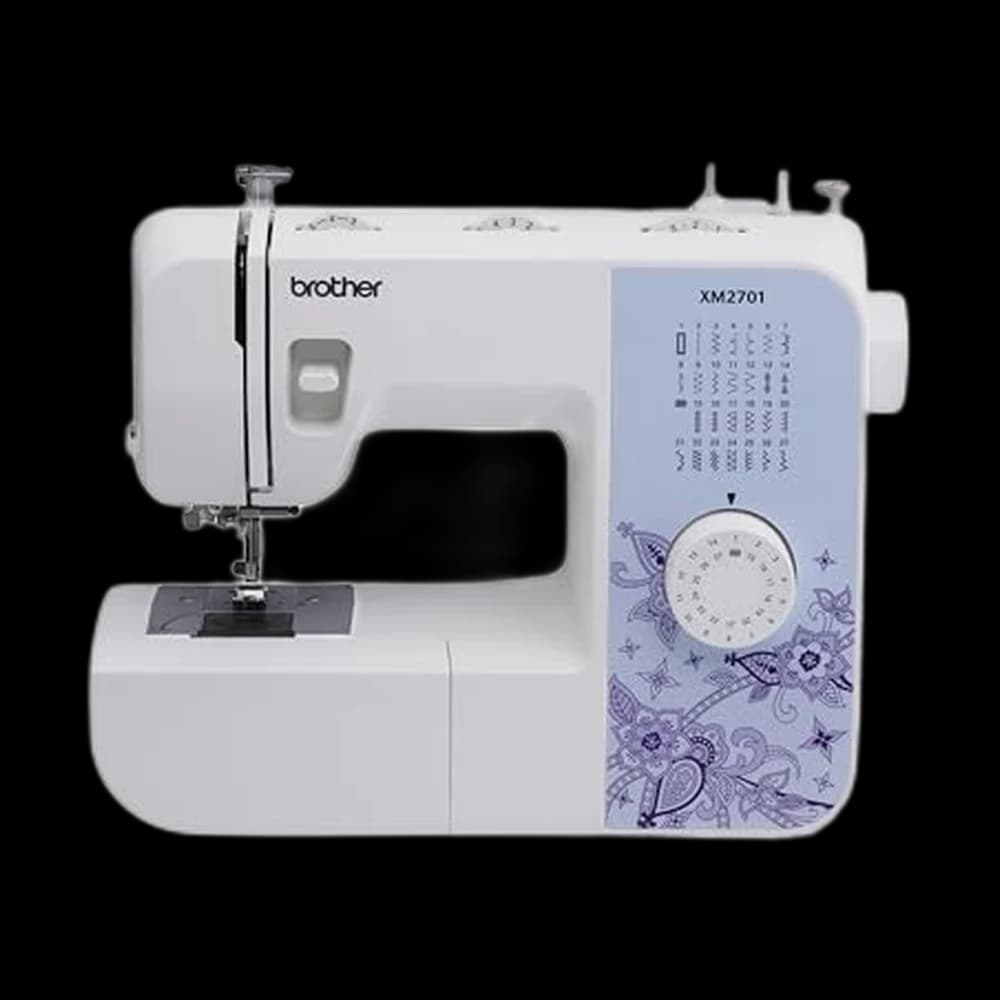
Brother XM2701 Lightweight Sewing Machine
$149.00StitchScore 86 4.6 out of 5 stars · 19,332 ratings
A first machine — 27 built-in stitches is enough to sew clothes without a menu to decode, and…
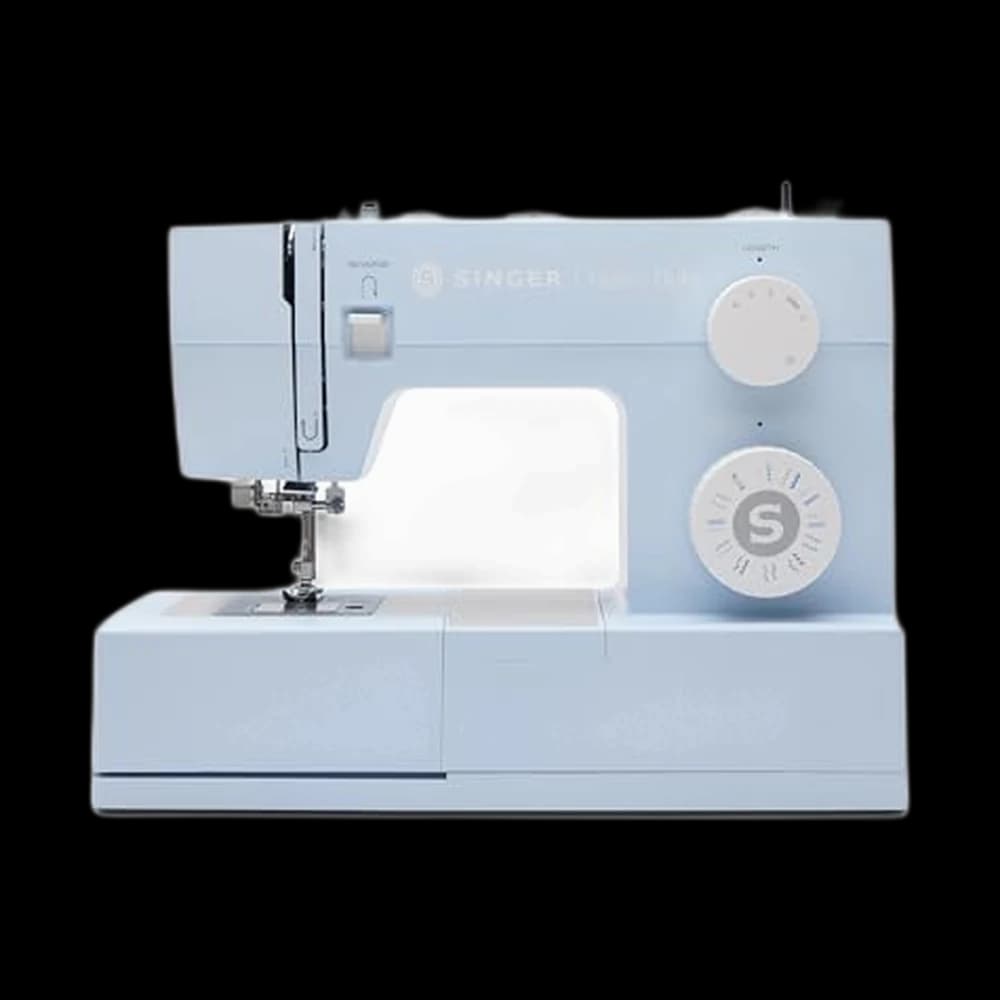
SINGER 4423 Heavy Duty Sewing Machine
$239.99StitchScore 68 4.5 out of 5 stars · 21,255 ratings
Sewing fast on a dial-driven machine — SINGER states 1,100 stitches per minute, a 60%…
SCHMETZ Universal 130/705 H Needles, 10 Pack
$7.45StitchScore 93 4.8 out of 5 stars · 730 ratings
Universal points, the default for ordinary woven fabric.
| Pick | Best for | StitchScore | Price | Buy |
|---|---|---|---|---|
| Brother XM2701 Lightweight Sewing Machine 4.6 out of 5 stars · 19,332 ratings | A first machine — 27 built-in stitches is enough to sew clothes without a menu to decode, and… | 86 | $149.00 | Buy on Amazon |
| SINGER 4423 Heavy Duty Sewing Machine 4.5 out of 5 stars · 21,255 ratings | Sewing fast on a dial-driven machine — SINGER states 1,100 stitches per minute, a 60%… | 68 | $239.99 | Buy on Amazon |
| SCHMETZ Universal 130/705 H Needles, 10 Pack 4.8 out of 5 stars · 730 ratings | Universal points, the default for ordinary woven fabric. | 93 | $7.45 | Buy on Amazon |
The short version
- Check your manual before buying oil: of eleven manuals read, five say no owner oiling is needed, two give no oiling steps and four ask for oil.
- The four machines asking for oil here are two Janome straight-stitch models and two Janome sergers, at intervals from daily to every 10 hours.
- Singer's C5950 manual says not to blow air into the bobbin case area. Brother and Janome allow a vacuum cleaner.
- Needle advice varies within one brand: Singer manuals say 6 to 8 hours on one model and about 16 on another.
- None of the manuals we read sets a yearly service. Brother says to stop and call a dealer on a stiff handwheel or unusual noise.
Oiling is the part people ask about and the part most likely not to apply. Cleaning is the job every machine shares. We read eleven manufacturer manuals for this guide, and they split cleanly once you sort them by machine type.
What eleven manuals actually say about oil
| Machine | Type | What the manual says | Oil it yourself? |
|---|---|---|---|
| Brother XM2701 | Household | "must not be oiled by the user"; no oil on the bobbin case | No |
| Singer C5950 | Household | "No lubrication (oiling) is needed" | No |
| Singer 44S | Household | Pre-lubricated; oiling the bobbin case area "not necessary" | No |
| Janome 3160QDC | Household | "does not require oiling" | No |
| Janome DC2015 | Household | "does not require oiling" | No |
| Singer 4423 | Household | No oiling instructions in the English pages | No instructions given |
| Singer 3333 | Household | Brush and dry cloth; no oiling step | No instructions given |
| Janome 1600P | Straight-stitch | Oil marked points, once a day if used frequently | Yes |
| Janome HD9 | Straight-stitch | Oil marked points, once a day if used frequently | Yes |
| Janome 8002D | Serger | Weekly in normal use, every 10 hours in continuous use | Yes |
| Janome 1100D | Serger | A drop at marked points every 8 hours of sewing | Yes |
The pattern: the household machines here say no or stay silent. The manuals asking for oil belong to straight-stitch machines and sergers. Eleven manuals are a sample rather than a rule, so your own manual still has the final say.
One oddity: the Singer 4423 manual blames a noisy machine on "lint or oil" collecting on the hook in English. Its Spanish troubleshooting page says to lubricate according to the instructions, yet the contents list no oiling section. We would follow the English page and ask Singer before adding oil.
The routine, by task
The manuals give few numbers, so the right column is our suggested rhythm. Change it to match how much you sew.
| Task | What the manuals say | A sensible rhythm |
|---|---|---|
| Brush lint from the bobbin area | Singer 44S: weekly with daily use. Singer C5950: "clean it often" | Every project or two; weekly if you sew daily |
| Change the needle | Singer 4423: about 16 hours. Singer 44S: 4 projects or 16 hours. Singer C5950: 6 to 8 hours | At the first sign of trouble, or on your manual's interval |
| Oil, only if told to | From daily to every 8 or 10 hours, on the four machines above | Exactly what your manual says |
| Professional service | Brother: stop and contact a dealer if the handwheel turns stiffly or you hear an unusual noise | When something is wrong |
Notice the needle row: two Singer manuals differ by more than double. Treat any single number as a prompt to look at the needle, and use the needle size guide when you replace it. A spare pack from our machine needle picks means you will actually change it.
You will often see a yearly service recommended online. None of these manuals set one, in the pages we read. It can still be worth paying for on a machine you rely on, but it is a choice, and a machine that sews well has no manual-backed deadline.
What we'd buy for this
One pick per category, chosen from the research pages linked in this piece. Borrow before you buy — nothing here is required to start.
 Machine Needles
SCHMETZ Universal 130/705$7.45 4.8 out of 5 stars · 730 ratings
Priced in the lower half of this category; universal points, the default for ordinary woven fabric.
Researched from listings, specs and owner feedback — never hands-on testing. We may earn a commission; it never changes a pick.
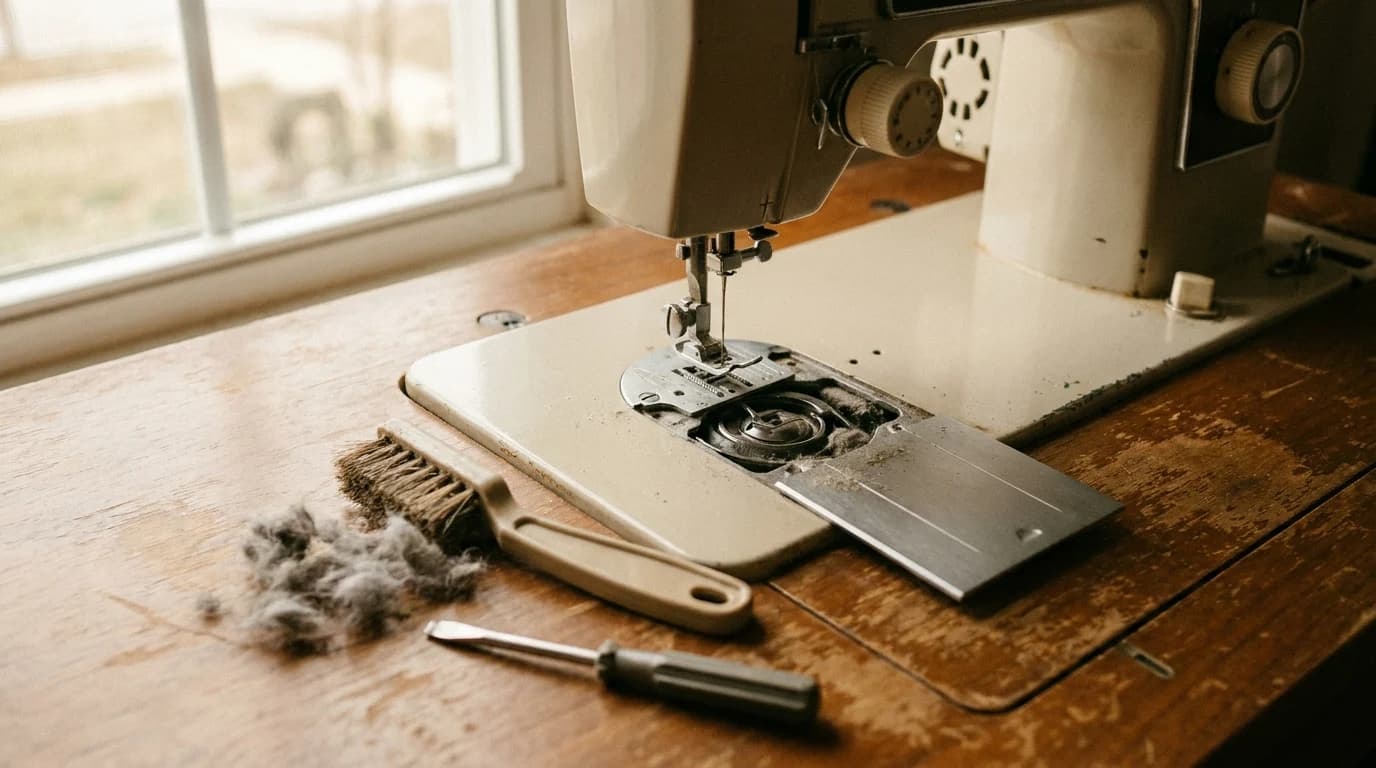
How to clean the bobbin area
The details differ by model, so use this with your manual's diagram. It follows the Janome 3160QDC and Singer 44S instructions.
- Raise the needle, turn the machine off and unplug it.
- Take off the presser foot and the bobbin cover, then lift out the bobbin.
- Unscrew and lift off the needle plate with the screwdriver supplied.
- Lift out the bobbin holder or case and brush it clean.
- Brush the feed dogs and the hook race, where the grey felt collects.
- Wipe the center of the hook race with a dry cloth.
- Refit the holder exactly as your diagram shows, then the plate, foot and bobbin.
The brush in your accessory box is the tool these manuals name. A misplaced bobbin case can jam the machine, so check step 7 against the diagram. If the thread misbehaves afterwards, the tension fixes and bobbin guide come next.
Canned air: the manuals disagree with the can
- Air: Singer's C5950 manual is direct: do not blow air into the bobbin case area, because the dust and lint get blown into the machine.
- Vacuum: Brother and Janome both allow a vacuum cleaner around the race. It pulls lint out rather than pushing it in.
- Brush: every manual here that describes cleaning the bobbin area names one.
If your manual says to oil
Do this once the machine is clean. These steps come from the Janome 1600P manual; oil points and oil type vary, so copy your own diagram.
- Unplug the machine.
- Take the bobbin case out of the hook before oiling the hook race.
- Apply the amount your manual gives at the marked points only. For the 1600P that is two or three drops of Janome's MO-70.
- Wipe away excess with a soft, dry cloth.
- Stitch on waste fabric to soak up what is left, before your project goes under the needle.
Brand-new machine with oil on it? That can be normal. The Singer 44S manual says to wipe any traces around the needle plate or foot and sew on scrap fabric first.
What the symptom is telling you
| What you notice | What the manual points to | What to do |
|---|---|---|
| Noise on a machine with no oiling step | Singer 4423: lint or oil on the hook or needle bar, or a damaged needle | Clean the hook and feed dog; replace the needle |
| Noise on an oil-required machine | Janome HD9: lint in the hook race or bobbin holder, or it needs oiling | Clean first, then oil per the manual |
| Stiff handwheel or unusual noise on an XM2701 | Brother: stop using the machine | Contact a dealer or service center; do not oil it |
Lost your manual? Singer and Janome post theirs as free downloads, so search by the model number on your machine. Nothing here needs a sewing room or a special kit, only ten quiet minutes with the little brush.
Frequently asked
Do I need to oil my sewing machine?
Only if its manual says so. Brother states the XM2701 must not be oiled by the user, and the Singer C5950 and Janome DC2015 manuals say no oiling is needed. Janome's 1600P, HD9, 8002D and 1100D manuals do ask for it. Follow the manual for your exact model rather than a general rule.
How often should you oil a sewing machine?
There is no universal interval. Among the manuals we read, the Janome 1600P and HD9 say once a day with frequent use, the 8002D serger says weekly in normal use or every 10 hours in continuous use, and the 1100D serger says every 8 hours of sewing. Others need no oil.
Can I use canned air on my sewing machine?
Singer's C5950 manual says not to blow air into the bobbin case area because lint gets blown into the machine. Use the supplied brush. Brother and Janome manuals also allow a vacuum cleaner around the race.
What oil should I use on a sewing machine?
Use the oil your manual names. Janome's 1600P manual specifies its MO-70 sewing machine oil, while the 8002D manual asks for fine quality sewing machine oil. Do not add any oil to a machine whose manual says it should not be oiled.
Does a sewing machine need servicing every year?
None of the eleven manuals we read sets a yearly deadline. A service can still be worthwhile on a machine you rely on. Brother's XM2701 manual says to stop and contact a dealer or service center if the handwheel becomes hard to turn or you hear an unusual noise.
Sources & further reading
Where our guidance rests on a fact, here is where that fact comes from.
- Brother XM2701 operation manual (PDF) — oiling restriction, cleaning brush or vacuum, stiff handwheel and noise instruction
- Singer 4423 instruction manual (PDF) — 16-hour needle guidance, troubleshooting, contents with no oiling section
- Singer 44S instruction manual (PDF) — weekly cleaning with daily use, pre-lubrication, needle interval, new-machine oil traces
- Singer C5950 instruction manual (PDF) — no lubrication, do not blow air, 6 to 8 hour needle guidance
- Singer 3333 instruction manual (PDF) — cleaning the feed teeth and hook area with brush and cloth
- Janome 3160QDC instruction book (PDF) — cleaning steps, vacuum allowed, no oiling required
- Janome DC2015 instruction book (PDF) — vacuum allowed, no oiling required
- Janome 1600P instruction book (PDF) — oiling steps, MO-70, daily interval with frequent use
- Janome HD9 instruction book (PDF) — oiling interval and noise troubleshooting
- Janome 8002D instruction book (PDF) — serger oiling interval
- Janome 1100D instruction book (PDF) — serger oiling every 8 hours of sewing
Prices and StitchScores reflect our most recent research and refresh on a cycle — confirm the live price before buying. We may earn a commission from affiliate retailers; it never changes what we recommend. See how we score gear.
Read next
How to Use a Sewing Machine Step by Step: A Beginner's Guide
How to operate a sewing machine step by step: the parts, threading, the bobbin, a first seam, backstitching, pivoting at corners and finishing off.
Brother vs Singer Sewing Machine: Which for a Beginner?
Brother or SINGER for a first sewing machine? Researched from spec pages and warranty documents: where they differ, what they share and which to buy.