Tool
Needle & thread guide
A skipped stitch, a puckered seam and a run of shredded thread are usually the same problem wearing three faces: the wrong needle. This is the chart worth screenshotting before you buy a pack.
Showing 71 of 71 fabrics.
Every needle recommendation above is transcribed verbatim from SCHMETZ's Needle & Fabric Recommendations. We research gear rather than testing it, and needle-to-fabric suitability is a manufacturer claim — so this is the manufacturer's claim, not ours, and nothing has been added to their list. Sizes are written European/American: size 75 is a 0.75 mm blade, per SCHMETZ's needle guide. Grouping the fabrics into the five thread families below is our own arrangement; the sentence inside each one is its manufacturer's.
Needle packs on our shelf
All 5 packs we list are Universal needles, the type SCHMETZ recommends for most wovens. Type a fabric above and this narrows to the packs that include a size SCHMETZ lists for it.
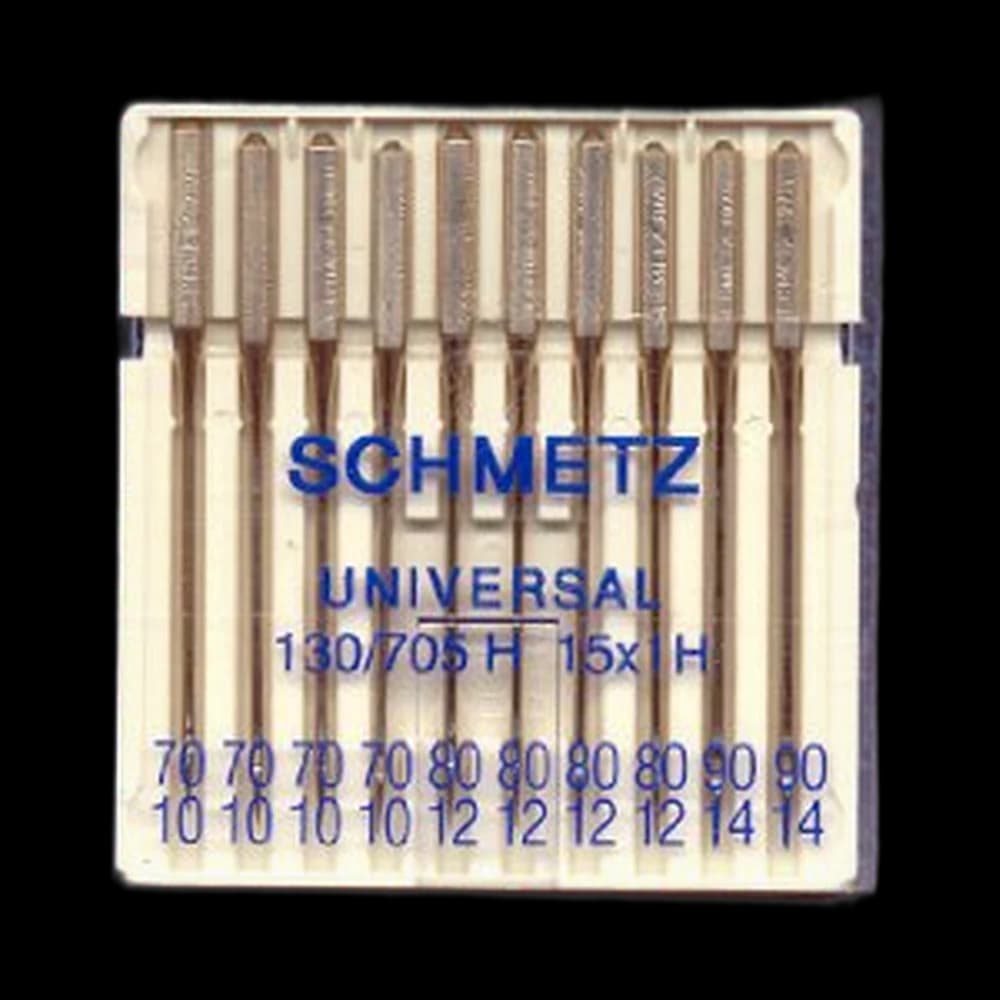
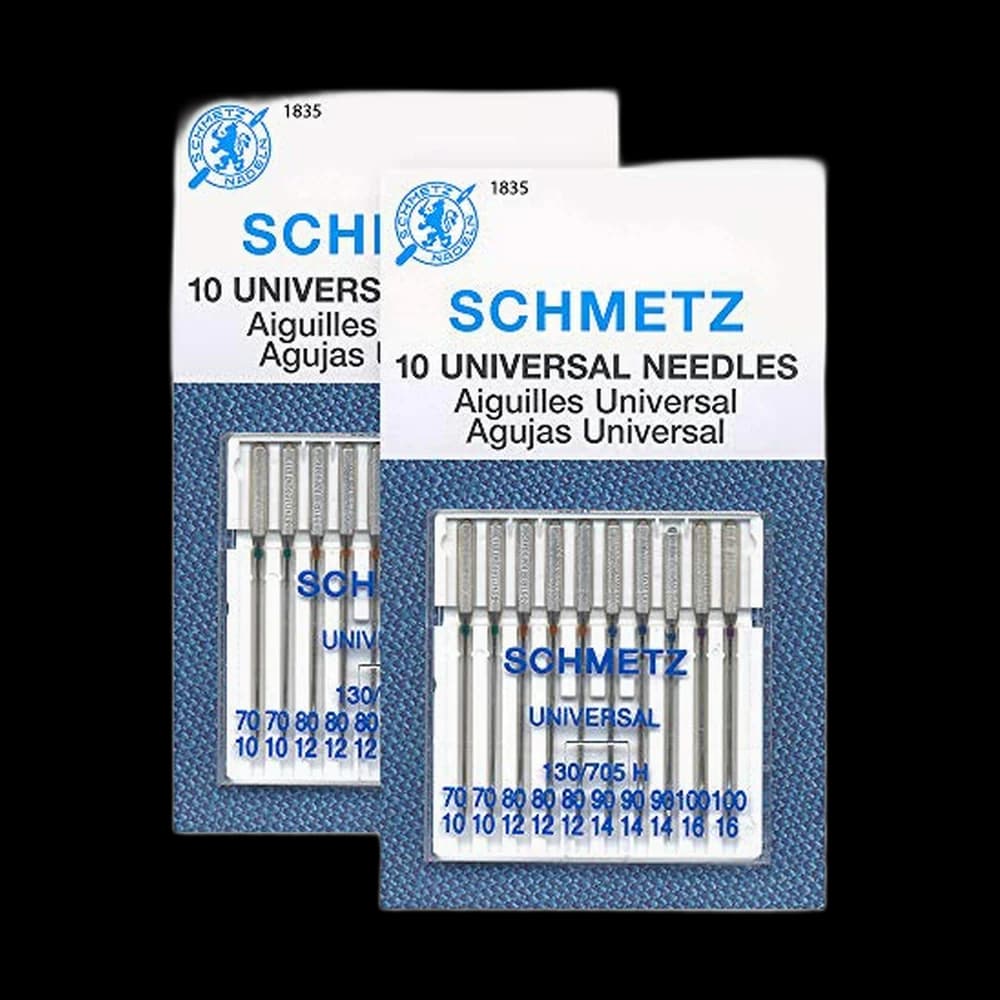 Schmetz Universal Needles
Universal · sizes in the pack: 70/10, 80/12, 90/14, 100/16
$13.91Buy on Amazon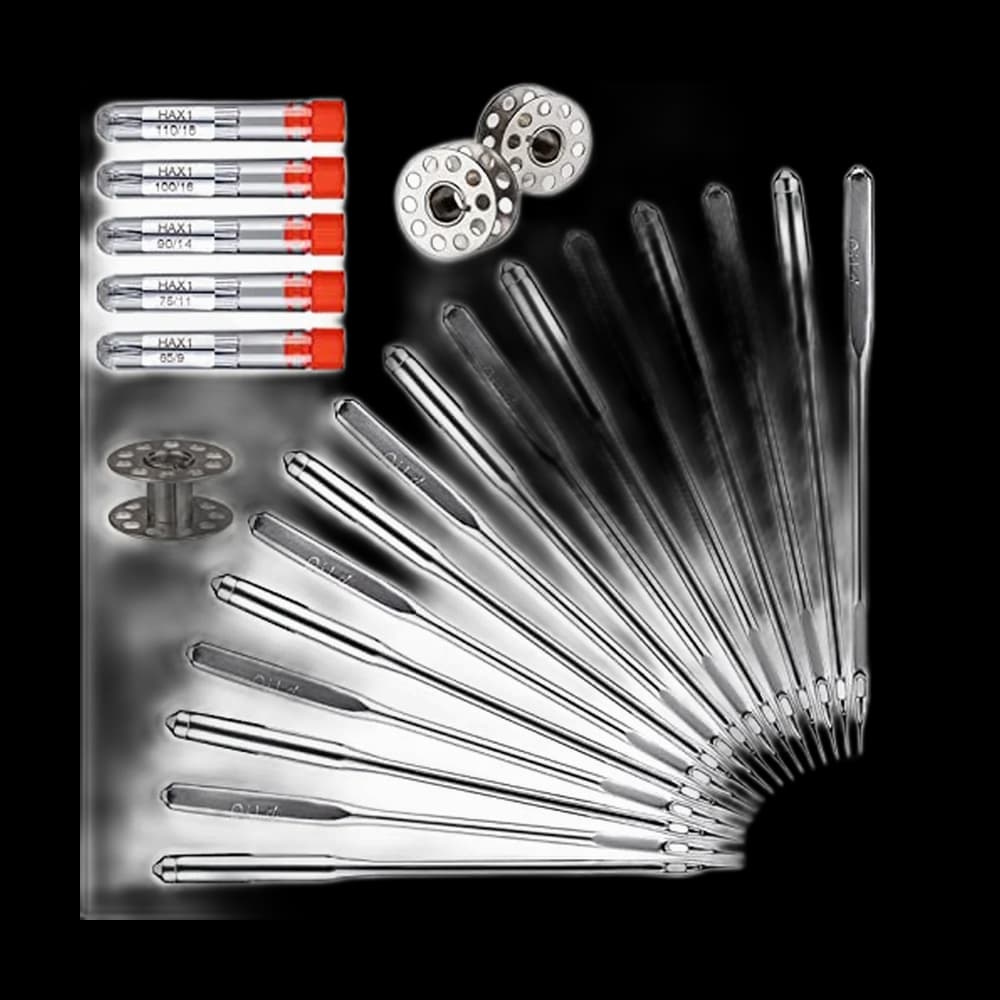 kidoom HAX1 Universal Machine Needles
Universal · sizes in the pack: 65/9, 75/11, 90/14, 100/16, 110/18
$5.98Buy on Amazon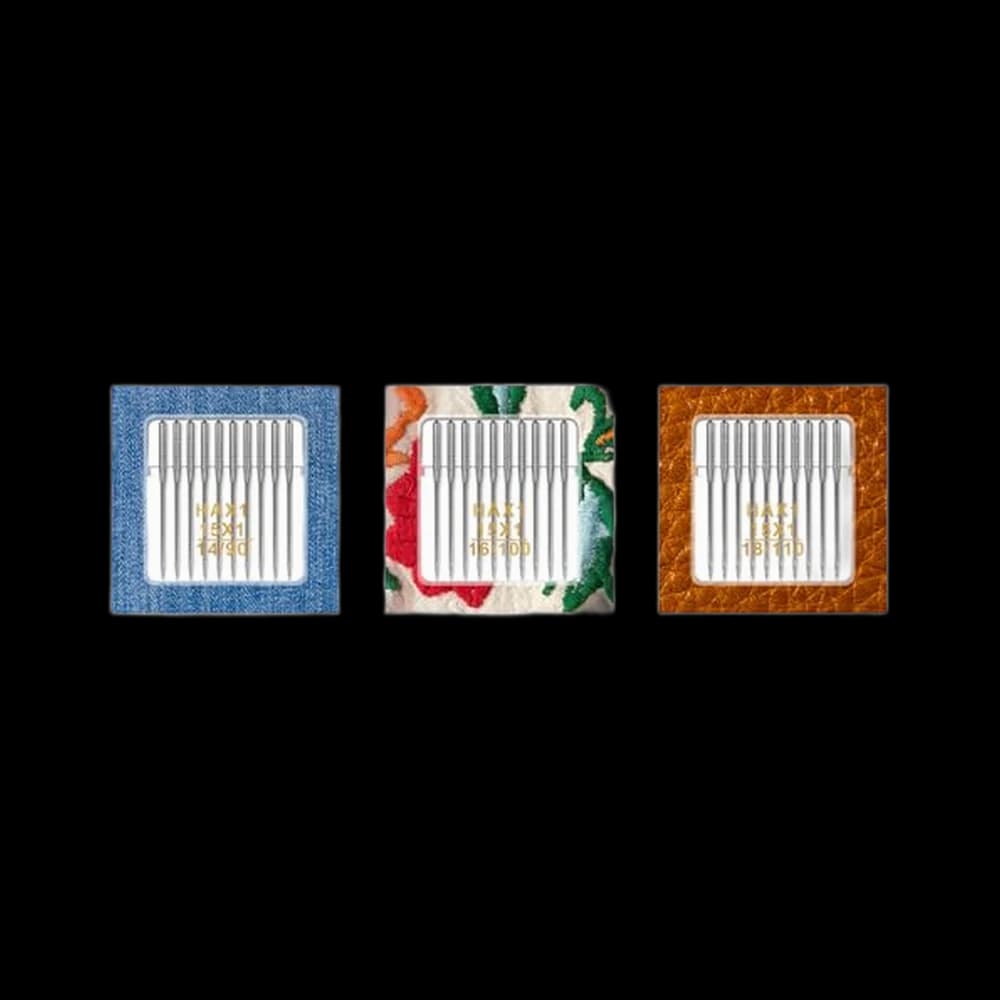 HLARTNET 30PCS Heavy Duty Machine Needles
Universal · sizes in the pack: 90/14, 100/16, 110/18
$8.97Buy on Amazon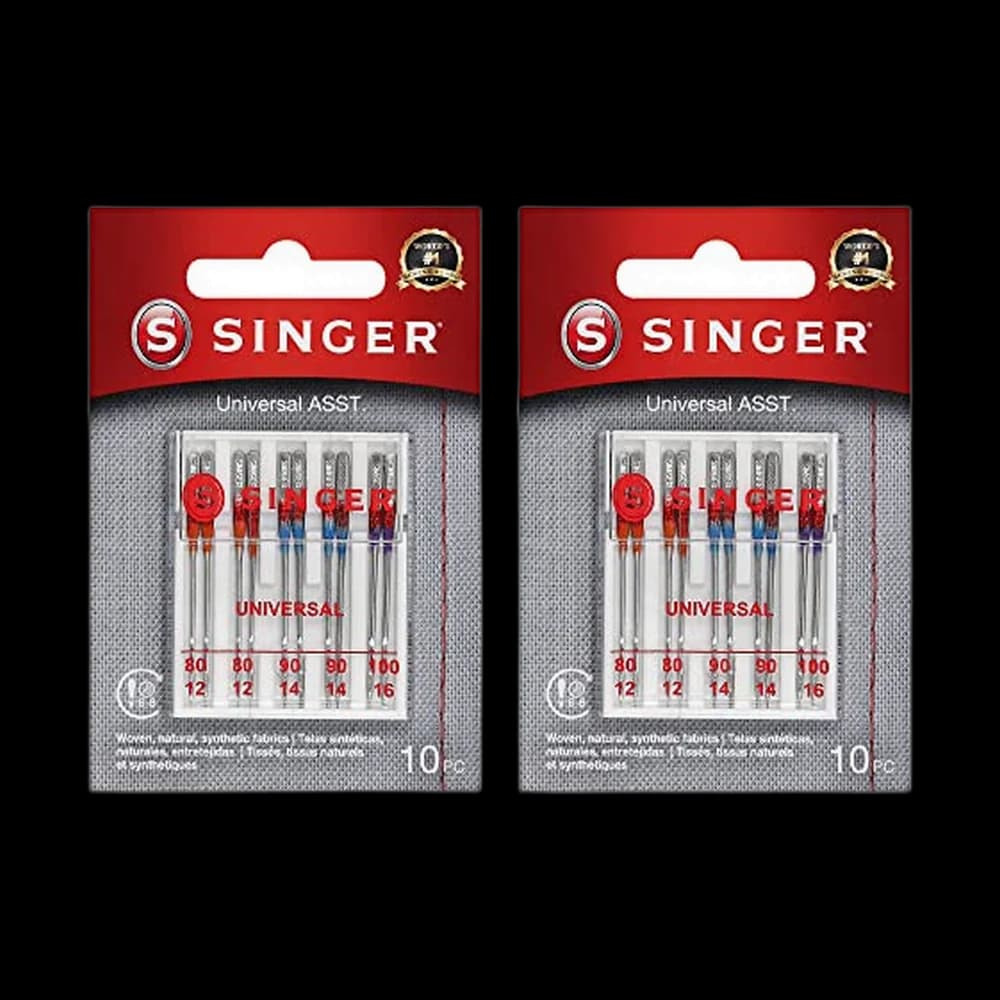 SINGER Universal Machine Needles
Universal · sizes in the pack: 80/12, 90/14, 100/16
$12.86Buy on Amazon
Type and sizes are read off each pack's own listing and matched to SCHMETZ's recommendation above; we have not tested the needles. Prices checked October 8, 2026 and shown as Amazon listed them then.
The five thread families
All-purpose polyester
Gütermann describes its Sew-all thread — 100% polyester — as a universal thread suitable for all fabrics, woven fabrics and many other materials, for closing seams, top-stitching and decorative stitches.
All-purpose polyester, or an elastic thread
All-purpose polyester sews knits on most machines. Where a straight stitch has to stretch, Gütermann sells Maraflex as an elastic sewing thread for household machines, for light to medium-weight elastic and woven fabrics, used as both needle and bobbin thread.
Source: Gütermann creativ, Maraflex
All-purpose polyester, or a heavier topstitch thread
Construction seams still go together with all-purpose polyester; the heavy thread is for the visible topstitching. Gütermann's Jeans Thread is sold for darning and decorating jeans by hand or machine, and Gütermann pairs it with a Universal needle NM 80–100 — a different needle from the Jeans needle SCHMETZ recommends for the fabric itself.
Source: Gütermann creativ, Jeans Thread
50 wt for piecing, 40 wt for quilting
SCHMETZ ties the quilting needle size to the thread weight directly: size 75 is fine for piecing with 50 weight threads, and size 90 works well with heavier plain or variegated 40 weight threads.
Source: SCHMETZ, How to pick the correct sewing machine needle
A fine thread — and the finer needle to match
SCHMETZ's stated principle: in general, the finer the thread and the finer the fabric being sewn, the finer the needle should be. On these fabrics that means starting at the small end of the size range above.
Source: SCHMETZ, How to pick the correct sewing machine needle
Two things the chart cannot tell you
- When to change it. A needle is a consumable, not a fitting. If the machine starts thumping, skipping or snagging on a fabric it was fine on an hour ago, put a fresh one in before you change anything else — it is the cheapest variable on the machine.
- Which end of the range. SCHMETZ gives a range because thread weight decides the rest: the finer the thread and the fabric, the finer the needle. Start in the middle, and move down a size if the fabric puckers.
Where to go next
Buying your first assortment? The thread and machine needles shelves cover both, and the Machine Finder is next door if you have not chosen a machine yet.